

Baja California Wine Region Wine Region Guide
Baja California in north-west Mexico is the country's leading wine region. Valleys such as Valle de Guadalupe, near Ensenada, produce bold reds and fresh whites from Nebbiolo, Cabernet Sauvignon, Tempranillo and Chenin Blanc.
- Wineries
- 2 Wineries
- Experiences
- 2 Experiences
- Local Guides
- 4 Local Guides
About Baja California Wine Region Wine
- Soil
- Decomposed granite, sandy loam, clay
- Climate
- Mediterranean with Pacific maritime influence
This simple and satisfying supper is among the most popular in the Mediterranean region. The haddock is a distinct saltwater ray-finned fish that can satisfy fish skeptics. The haddock is marinated in Mediterranean spices before being cooked in a skillet with lemon garlic sauce, shallots, and artichoke hearts for only 4-5 minutes. The flavor is delicious, easygoing, and light. This one-of-a-kind Mediterranean cuisine pairs nicely with balanced Evia wines. Because the climate in Baja California is comparable to that of California, grape varietals are also similar. The region has a 300-year wine history, with the first wine produced in the late 17th century and marketed in the 18th. Because of the wine industry, Baja California has become a popular tourist destination for both Mexicans and Americans.
Where is the Baja California wine region?
The Baja California wine region is located in the northern half of the Baja California Peninsula, a state of Mexico just south of Tijuana. The region is bounded by the North Atlantic Ocean from the west, the Gulf of California from the East, San Diego of California to the north, Arizona to the Northeast, and Baja California Sur to the south. The capital of Baja California is 198km east of San Diego and 175km east of Tijuana. The area of Baja California is 70,113 sq km with approximately four million residents.
History of the Baja California wine region
The Cochimi in the south and the Yuman language family in the north are said to have been the first to establish in Baja California 11000 years ago. Guachimis, who resided in the area since 100 BC, created the Sierra de Guadalupe cave paintings, which are now a UNESCO World Heritage Site. Europeans first arrived in Baja California in the mid-16th century. The Franciscans ruled the region through their missions, which were eventually carried on by the Dominicans. The Mexican independence movement began in 1810 and culminated in 1821 with the country's independence. Between 1846 and 1848, Baja California suffered significant consequences as a result of the Mexican-American conflict, which was settled for $15 million in exchange for California, Nevada, Utah, and portions of Colorado, Arizona, New Mexico, and Wyoming.
The terroir and geography of the Baja California wine region
Baja California has a semi-dry Mediterranean climate due to its proximity to the Gulf of California and the Pacific Ocean. The majority of vineyards are located along the coast, with some valleys further from the water having vines planted in the foothills and slopes. The Valle de Guadalupe has sandy soil with minor loams near the river bank. At high altitudes, the area's foothills have granite-blend soil and clay. The San Antonio area has a colder climate, with morning fog and a steady cool wind at night. The vines are planted up to 2600 feet above sea level in the inlands, which is both difficult and desirable for grape growing. The Valle of San Vincente has both clay and alluvial soil.
Popular grape varieties from the Baja California wine region
Almost every Mexican wine region lacks a signature grape because winemaking was passed down from the European community that settled in the area. This enables Mexican wine regions to become more adaptable in terms of grape cultivation and wine production. Because Baja California is quite similar to the California wine area of the United States, the grapes used here are the same as in California. Chenin Blanc for white and Cabernet Sauvignon for red are the most common grapes in Baja California. Ruby Cabernet, Palomino, Trousseau Gris, Rosa del Peru, Listan Prieto, Grenache, Carignan, Nebbiolo, Tempranillo, Corona del Valle, Montepulciano, Mourvedre, Sangiovese, Sauvignon Blanc, Chardonnay, Merlot, and Syrah are among the other grape varieties grown in Baja California.
Food to pair with Baja California wine
Enchiladas Suizas
Enchiladas Suizas, one of the most popular dishes in Mexico, consists of Enchiladas along with milk or cream-based sauce. Enchiladas is a corn tortilla rolled around a filling that might include pork, chicken, cheese, beans, potatoes, and veggies. This dish is rich and creamy with a lot of cheese that will satisfy most palates. Enchiladas Suizas was first invented in Sanborn, a restaurant in Mexico City. Enchiladas Suizas is literally translated as Swiss Enchiladas as swiss immigrants used the creamy sauce in Mexican cuisines. This creamy dish goes well with Chenin Blanc wines from Baja California.
Chicken Kyiv
Chicken Kyiv or Chicken Kiev is made from the boned chicken breast that is usually hammered to flatten which is then seasoned with chilled herb, and butter. Then it is dusted in breadcrumbs or flour and fried in hot oil until golden and crispy. The dish is popular around the world but its origin is not yet mentioned. The dish is believed to come from Ukraine, Russia, and France. The dish gained popularity in the 1970s.
Fish and Chips
Fish and chips is a well-known hearty and comforting dish. The dish originated in the United Kingdom and is popular all around the world. The dish's star ingredient is white fish fillet, primarily cod, haddock, and flounder. Fish and chips are considered the national dish and have long been associated with the United Kingdom. The dish was supposed to have originated in the 1860s and had grown enormously popular by 1910. To make this delectable dish, first, dip the fresh fish fillet in batter before frying it in high oil or lard with potatoes. The batter is generally made up of eggs, milk, and flour. The dish is claimed to be a mash-up of English and Jewish cultures. The dish is served on butter paper with a layer of newspaper on top. This wonderful dish pairs perfectly with white wines from Baja California.
Places to visit in the Baja California wine region
Tijuana Cultural Center
The most important destination to visit in the northwest region is the cultural center. The Tijuana Cultural Center is located in the middle of Tijuana, near the Mexican-US border. The center was established in 1982 to promote Baja California State's artists, culture, arts, and lifestyle. The structure is 3.5 hectares in size and attracts around two million visitors per year. The facility includes a theater, an IMAX dome, a video room, restaurants, cafes, an aquarium room, a botanical garden, and an exhibition center. If you want to learn about Tijuana and its culture, you must go to this cultural center.
Avenida Revolución
The Avenida Revolucion is located in the tourist heart of Tijuana and is a main route to the historic city of Tijuana. Locals refer to the structure as Zona Centro. This town center dates from the 12th century, and its road network is Mexico's first paved route. Because of its proximity to the American-Mexican border, the area is largely visited by Americans. This location is also touted as the world's most visited city. The neighborhood was known for its cantinas, including the world's largest, "La Ballena."
Plan your visit in Baja California Wine Region


Best Wineries in Baja California Wine Region


Best Wine Tastings in Baja California Wine Region
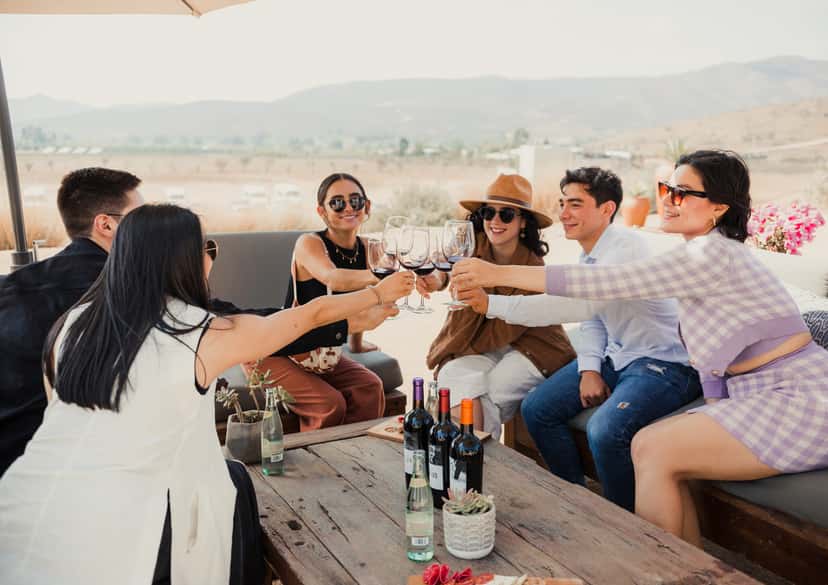
Tailor-Made For You
Your perfect wine trip, planned for you
Tell us what you're dreaming of and a local wine expert will build a personalized itinerary — no obligation, no service fee.
Cities around Baja California Wine Region

Top Rated Local Guides in Baja California Wine Region


Frequently Asked Questions
What is Baja California known for?
What are the main grape varieties grown in Baja California?
When is the best time to visit Baja California for wine tasting?
How do I get to Valle de Guadalupe?
What are the main wine valleys of Baja California?
Join our newsletter now to receive our free guide on how to plan the perfect wine tour.