
Explore Dutch Wine Regions
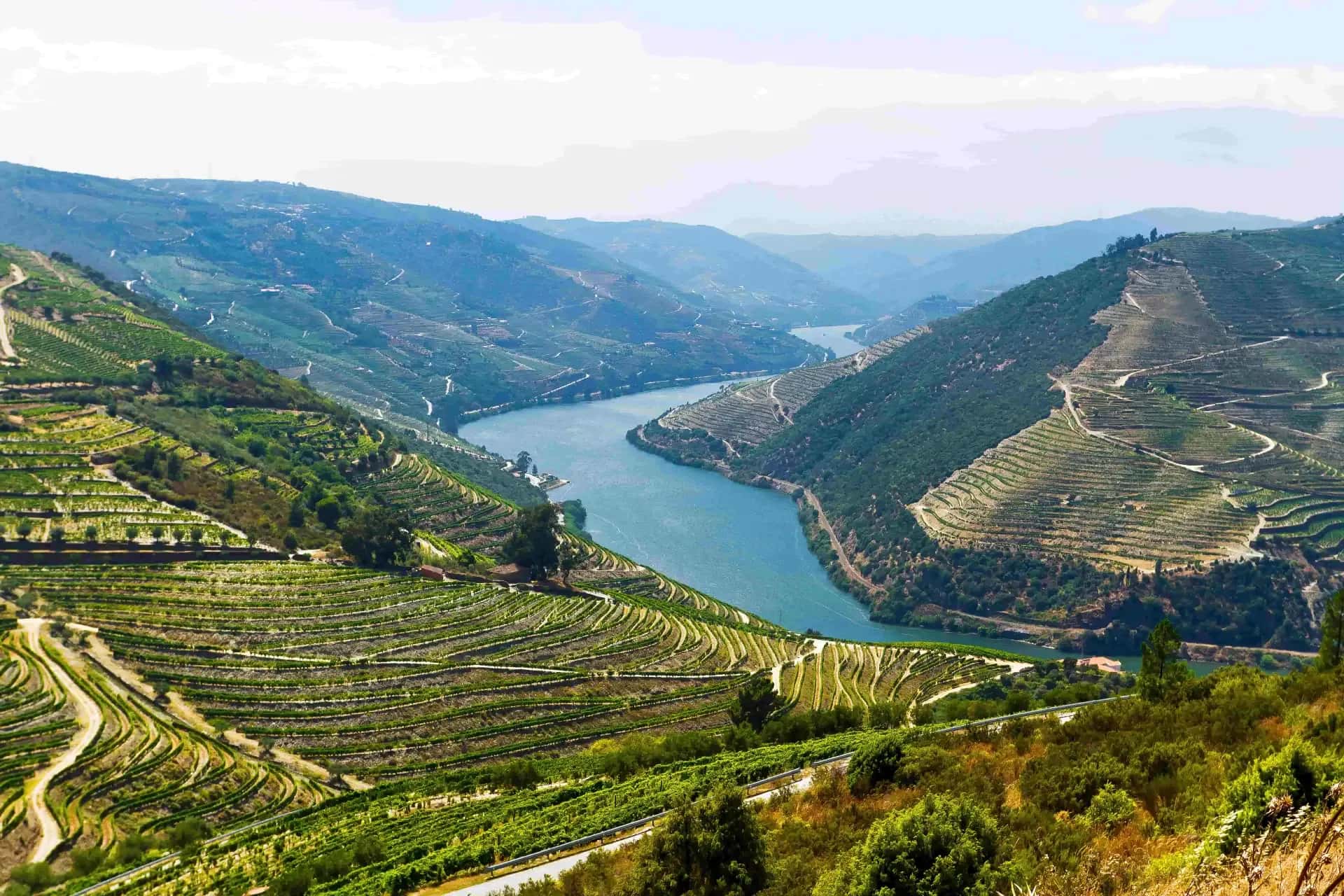
In the Netherlands, wine tourism is an emerging adventure where the landscape of lush vineyards meets rich cultural heritage. Discover the promising wineries of regions like Limburg and Gelderland, where indigenous grape varieties such as Müller-Thurgau and Pinot Noir thrive. Experience the unique terroir as you explore the picturesque routes of the Dutch wine regions, partake in exclusive tastings, and savor the distinct flavors crafted from this innovative wine-making culture.
- Regions
- 1 Regions
- Wineries
- 3 Wineries
- Experiences
- 3 Experiences
Explore Wine Regions in Netherlands
Netherlands Wine Regions: The Complete Guide
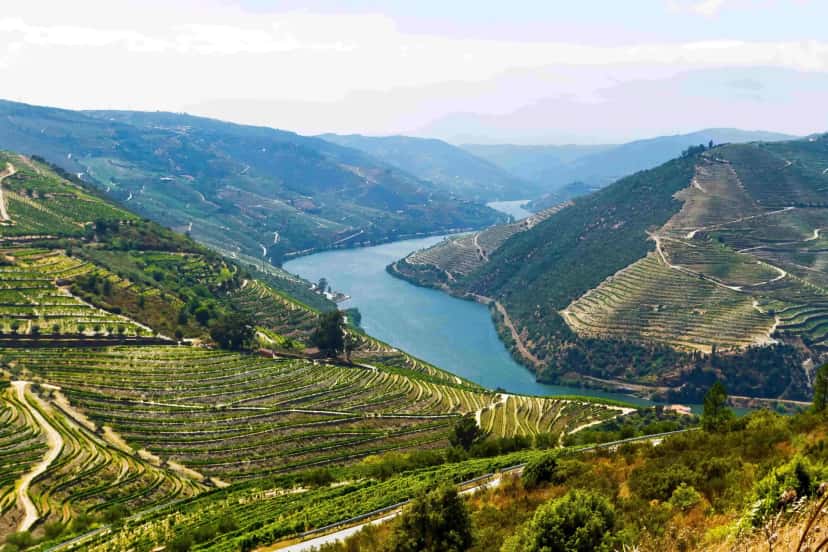
Although the Netherlands is a small producer of wine, winegrowing is becoming a vital, growing branch of Dutch agriculture. Presently, the country has more than 170 commercial vineyards.
The terroir of the Netherlands may not be famous now but the wine-producing growth curve for Dutch wine is continuous. In 1997 there were only seven sizable wineries in the Netherlands, and by 2005 that number had grown to 40. Nowadays, every Dutch province has at least one vineyard and they are becoming stronger in the wine sector.
History of Dutch Wine Country
The winemaking history in the Dutch wine country starts with the Romans. It is believed that they could have successfully planted grapevines in Maastricht, called Traiectum ad Mosam. As a fact, drinking wine was very common in Roman times and it is not surprising that they spread the culture of wine in the Netherlands too. The primary drink for the Roman warrior was “posca”, a mixture of sour wine or vinegar and water, and the hypothesis is that it was produced in the Netherlands.
The first written source of viticulture in the Netherlands dates from 968. This source is a list of Queen Gerberga of Saxony’s estates representing several vineyards in the vicinity of Maastricht.
Despite the relatively northern location, the region of Maastricht was very profitable due to the slopes and fertile loess soil. Later in the Middle Ages, viticulture also spread to other parts of the Netherlands. This was because of the fairly warm climate at that time. In the 14th and 15th centuries AD, the hills near the Geul Valley and Meuse Valley were full of vines and Dutch viticulture was at its peak.
The modern production of wine was started in the 1970s. Numerous entrepreneurs chose to plant new vineyards in the provinces of Limburg and North Brabant. Since that period, new vineyards have been planted rapidly.
Today, more than 170 commercial vineyards deliver wines that are often special to the country. They mostly use grape varieties that are specifically suitable for the Dutch climate, for example, Johanniter, Souvignier Gris, Cabernet Cortis, or Solaris.
Wine Regions in the Netherlands
We can find most of the Dutch vineyards in the provinces of Gelderland and Limburg. Sometimes, Southern-Limburg is considered to be a separate wine region. In addition, there are vineyards in North Brabant, North Holland, Zeeland, and even as far north as Drenthe.
Limburg Wine Region
The terrain of this southern part of The Netherlands is full of rolling hills, valleys, and vineyards. It is just what you think of when you visit a wine destination, but likely never expected to find in The Netherlands. The southernmost region of the Netherlands is the Limburg wine region which proudly defends Dutch winemaking. The soil is in general rich in calcium and loess but there is also an area that is composed of a combination of flint and loess.
Because of the high concentration of vineyards, Zuid-Limburg is one of the main wine regions to visit in the Netherlands. It is of course quite a small country, and the vineyards are within a short distance of each other, making it easy to visit several of them at once. The presence of so many wineries has to do with the landscape and soil in the south of Limburg that differs from the rest of the country.
Mergelland Wine Region
For many people, it's surprising to know that winemaking has a long history in the Netherlands. But did you know that it was the Dutch that drained the swamps in the French Médoc region in the 17th century? Besides that, viticulture in the southern part of the country is proven from the early Middle Ages.
Mergelland (Marl country) wine region acquired the quality status of a Protected Designation of Origin (PDO) in 2018. It was a great step forward in acknowledging the potential of wines from the Netherlands. Mergelland is suited to wine cultivation because of its unique soil that is composed of a layer of light soil with an airy structure with marl underneath. The vines here benefit from the late afternoon sun, and after periods of rain, they dry quickly.
Vijlen Wine Region
The Vijlen wine region belongs to the municipality of Vaals, located in South Limburg. The area is rather high, with vineyards between 170 and 220 meters. There are several streams around the area, including the Harleserbeek, Selzerbeek, and the Lombergbeek. The protected designation of origin only applies to the areas within Vijlen where the soil consists of flint, pebbles, and limestone. The top layer must consist of loess. This soil composition ensures that water can drain well. In addition, the high location of the vineyards reduces the chance of fog.
The permitted grape varieties of Vijlen wine region for white wines are Pinot Gris, Chardonnay, Johanniter, Solaris, Souvignier Gris, Muscaris, and Cabernet Blanc. As for the red wines, they use Monarch, Cabernet Cortis, Pinot Noir, Baron, and Pinotin.
Best Wineries to Visit in Netherlands


Best Wine Tastings in Netherlands


Tailor-Made For You
Your perfect wine trip, planned for you
Tell us what you're dreaming of and a local wine expert will build a personalized itinerary — no obligation, no service fee.
Frequently Asked Questions
Does the Netherlands make wine?
How many vineyards are there in the Netherlands?
Which is the most famous wine region in the Netherlands?
Do grapes grow in the Netherlands?
What is the best time to visit the Dutch wine country?
Do they make wine in Holland?
What grape varieties are grown in Dutch vineyards?
What are the characteristics of Dutch wines?
Are there any specific wine routes or trails to explore in the Netherlands?
Join our newsletter now to receive our free guide on how to plan the perfect wine tour.