

Wine Region
South Wine Region Guide
Chile's South wine region lies in the rainy south of the country, covering the Itata, Bío Bío and Malleco valleys. It is known for old dry-farmed País, Cinsault and Moscatel vines, along with cool-climate Pinot Noir and Chardonnay.
- Appellations
- 3 Appellations
- Wineries
- 4 Wineries
- Experiences
- 4 Experiences
Explore Appellations in South


About South Wine
- Surface
- 12,645 ha
- Soil
- Granite, clay, volcanic soils
- Climate
- Cool Mediterranean with higher rainfall
Itata's old, dry-farmed País, Cinsault and Moscatel vines, some over a century old
Chile's South wine region lies in the rainy south of the country, covering the Itata, Bío Bío and Malleco valleys. It is known for old dry-farmed País, Cinsault and Moscatel vines, along with cool-climate Pinot Noir and Chardonnay.
Best Wineries in South
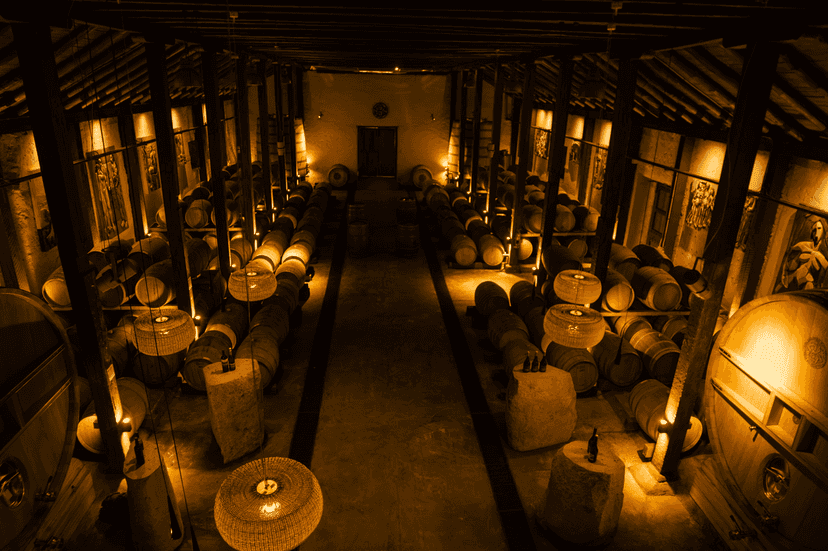
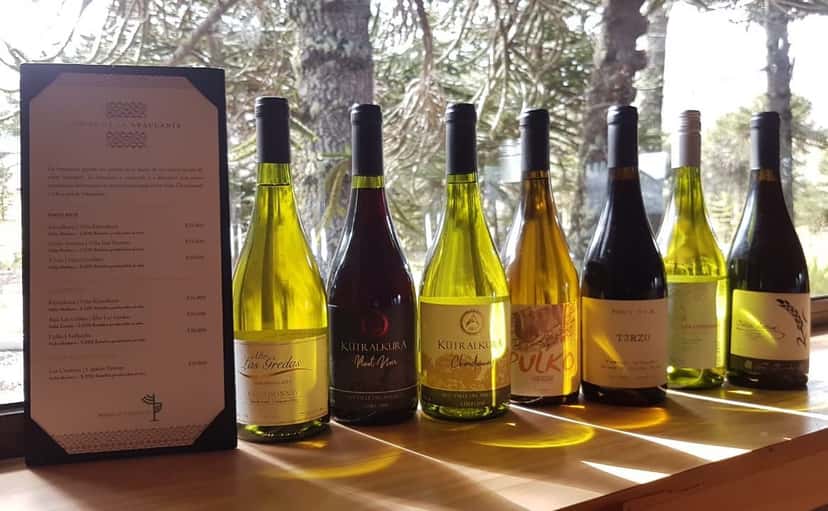

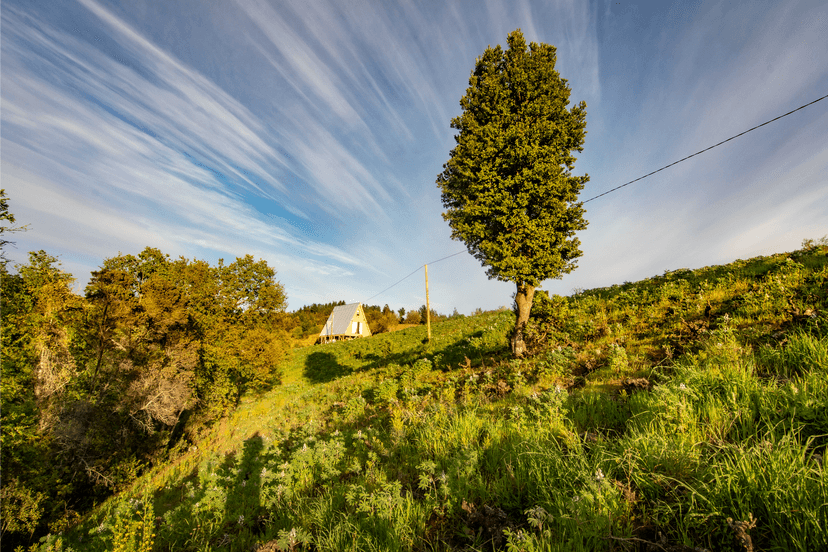
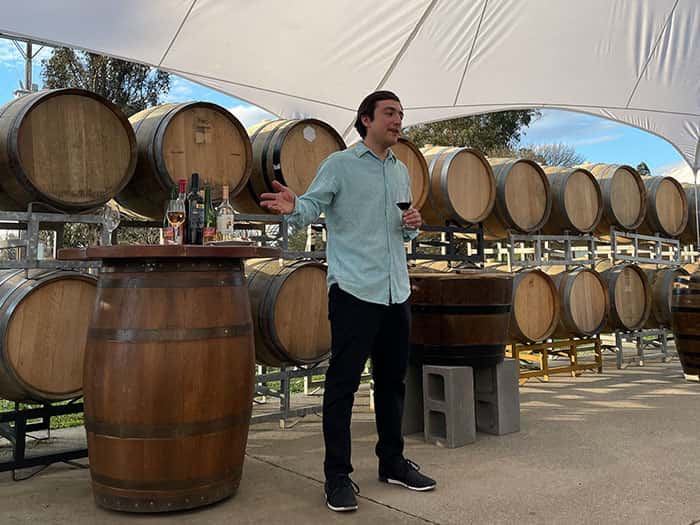
Best Wine Tastings in South



Tailor-Made For You
Your perfect wine trip, planned for you
Tell us what you're dreaming of and a local wine expert will build a personalized itinerary — no obligation, no service fee.
Start PlanningTakes ~2 minutes · Reply within 24h
Frequently Asked Questions
What is Chile's South wine region known for?
The South region is known for traditional old-vine wines from Itata, especially País and Cinsault, and for fresh cool-climate whites and Pinot Noir from Bío Bío and Malleco.
What are the main grape varieties grown in the South region?
Heritage varieties such as País, Cinsault and Moscatel de Alejandría are common, along with Pinot Noir, Chardonnay, Sauvignon Blanc and Riesling.
When is the best time to visit the South region for wine tasting?
Summer (December to March) has the driest weather, and the harvest runs from about March to April in the Southern Hemisphere.
How do I get to the South wine region of Chile?
Concepción's Carriel Sur Airport and Chillán are the main gateways, with regular connections to Santiago. Los Ángeles is a good base for Bío Bío.
What are the sub-regions of Chile's South region?
The South DO region consists of the Itata, Bío Bío and Malleco valleys, moving from warmer to cooler and wetter conditions as you head south.
Stay InspiredGet your monthly boost of wine inspiration
Join our newsletter now to receive our free guide on how to plan the perfect wine tour.