
Cognac Wine Region Guide
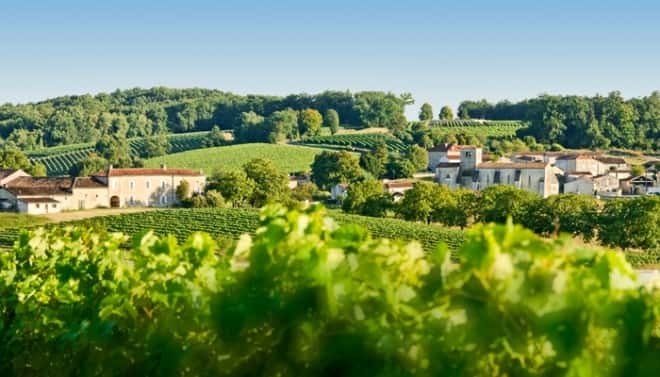
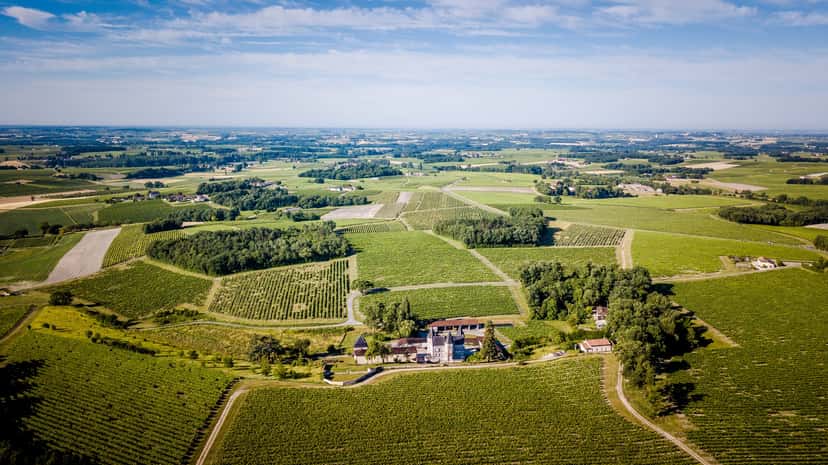
Cognac is region of hills famous for wines
- Appellations
- 1 Appellations
- Wineries
- 8 Wineries
- Experiences
- 11 Experiences
Explore Appellations in Cognac
About Cognac Wine
- Surface
- 87,648 ha
- Soil
- Chalk, limestone, clay
- Climate
- Temperate oceanic
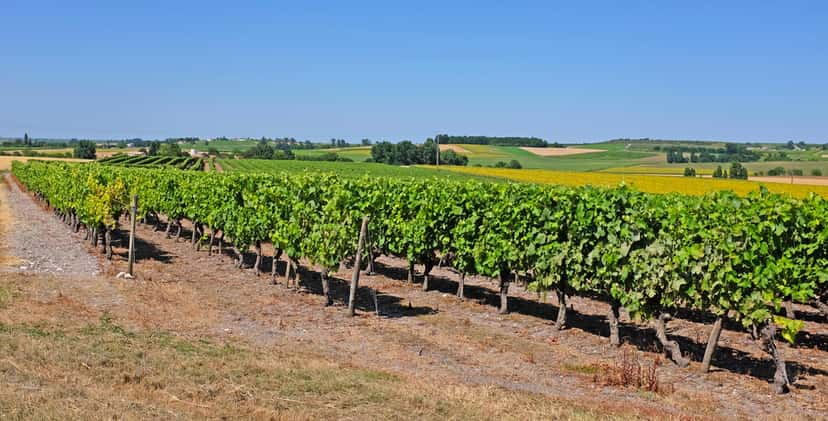
Cognac is a premium wine grape brandy produced in the region of Cognac in southwest France, near Bordeaux. The beautiful appellation (Cognac AOP), which spans over 80 hectares along the Clarence River, has a soft tempered sea climate, rich clay soil, and sufficient sunlight making the place favour the cultivation of vines. The cognac region is divided into six distinct viticultural areas. Each region produces different varieties of Eaux-de-vie. Blending different qualities give each Cognac a unique, individual character.
Travel Guide to Cognac Wine Region
Check out allWine Tastings & Tours in Cognac wine region!
Discover more about Cognac Wine Region through our travel guide:
History and production of Cognac
Where to taste the best Cognac
Culinary specialties of the region
The History of Cognac Wine Region
Who Introduced Cognac to Cognac?
Surprisingly, it was Dutch who introduced Cognac. The Dutch settlers came to the Southwest region of France to buy wood, salt, and wine. It was the quality of the wine mixed with weak alcohol that made it difficult for it to survive long sea expedition. The issue was resolved with settling up of distilleries by the Dutch.
The Transformation Into Eau-de-vie
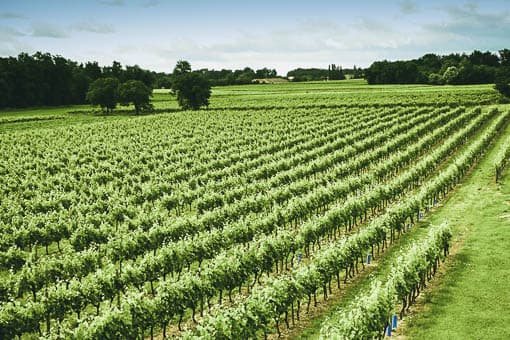
The process of double distillation began in the 17th century. It transformed the wines into eau-de-vie. The process is useful as it allows safe transportation and is economical too.
It was the People of Cognac who found that ageing in the oak barrels improved eau-de-vie. The drink was immediately ready for consumption. It gave birth to Cognac.
Now Cognac-makers open their cellar doors to tell you their story and know-how handed down from generation to generation.
What is Eau-de-vie?
/ƏƱ DƏ ˈVIː/
THE WORD IS USED AS AN EQUIVALENT OF CLEAR, COLOURLESS FRUIT BRANDY. HOWEVER, IT LITERALLY MEANS "WATER OF LIFE".
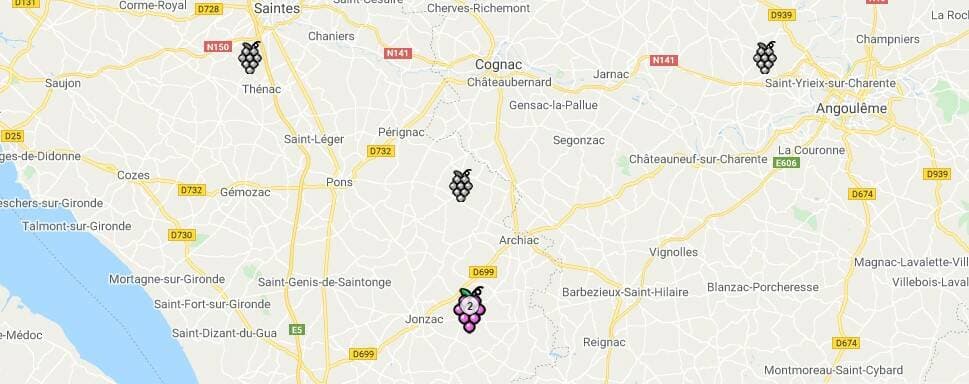
Cognac Wine Region Map
Better Organized Led to Exports
The 18th century saw better organization in the Cognac business. More Cognac trading houses were set up. The main aim of these was to export Cognac to other main markets, including England, Holland, Northern Europe. Later, to America and the Far East.
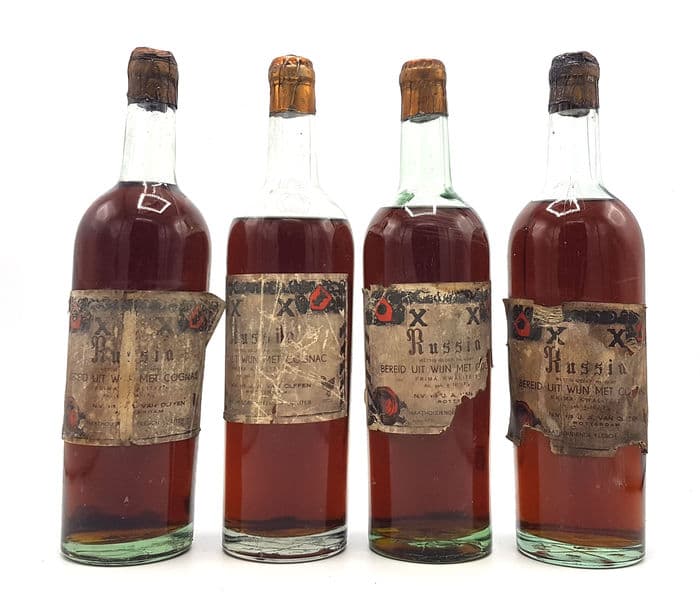
The production of Cognac Region
The Charentes or the Cognac is a major wine-growing region. However, the main product is not a normal wine. Even though Cognac got a huge territory and produces more wine than Burgundy, most of the wines are distilled into brandy.
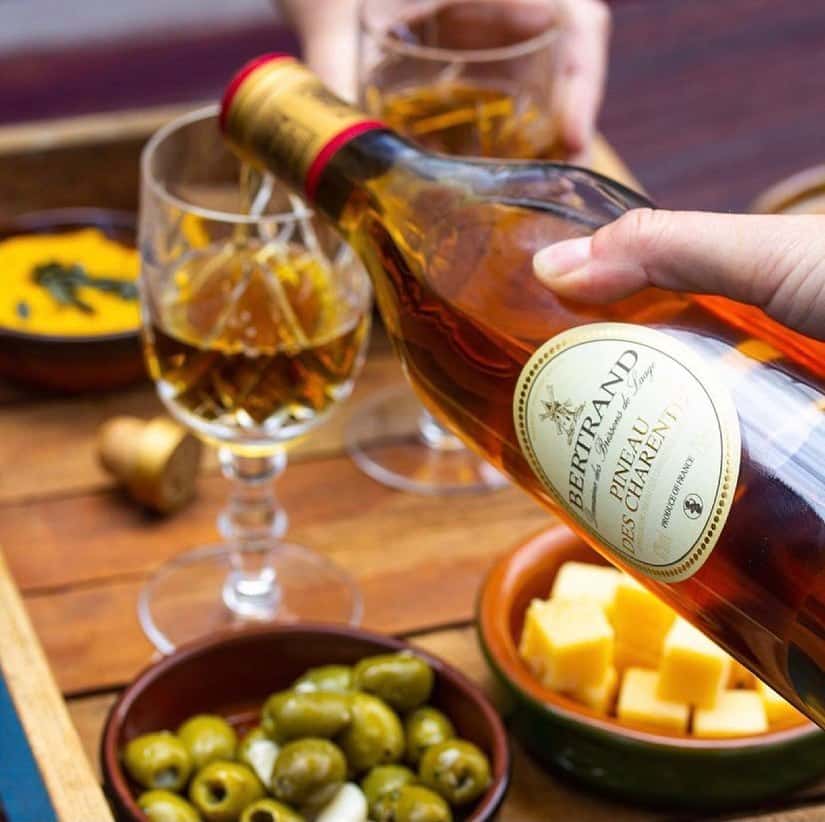
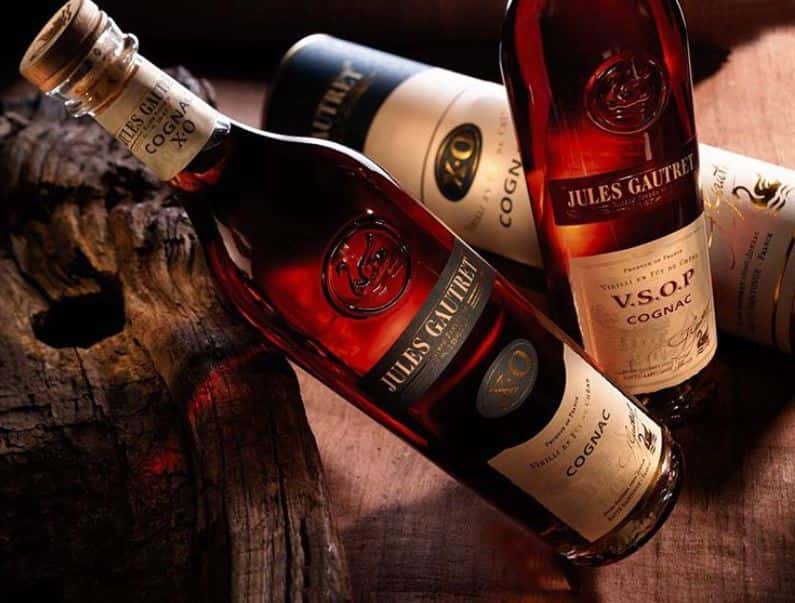
The remaining production is a delicious aperitif wine, and it is called as Pineau des Charentes that you can taste in the winery Jules Gautret. The small quantity of barrels produced is labelled as Vin de Pays whereas some vineyards are also known for producing red or rose wine.
Steps of Cognac Production:
1. Pressing the grapes and fermentation for about 2-3 Weeks
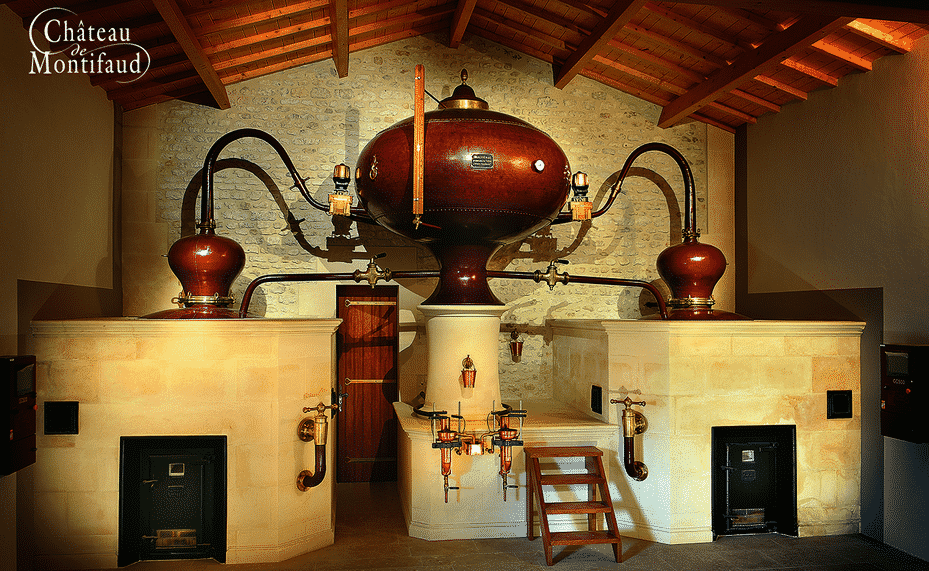
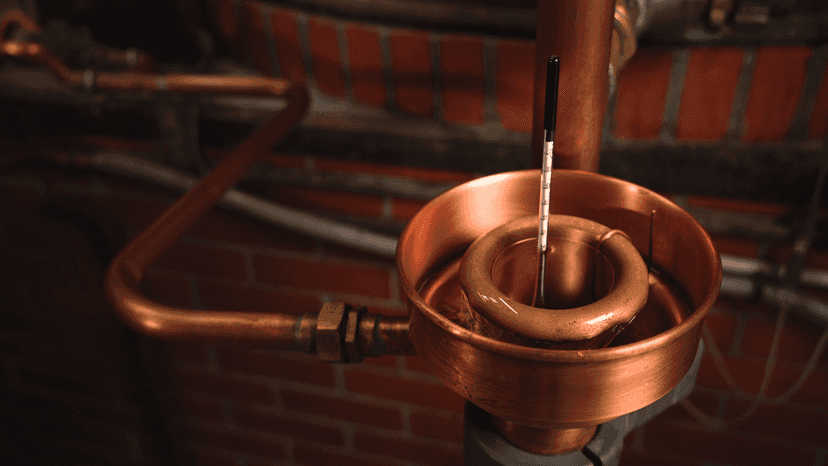
2. The first distillation is carried out in Charentais copper stills
3. The second distillation - This is when we get Eau-de-Vie
4. Casking and ageing for a minimum of 2 years
5. Blending and Bottling.
Focus On The Appellation
Depending on the variation in soil and climate, Cognac wine region is divided into 6 sub-regions. Four of them are situated towards the center including:
Grand Champagne
Petite Champagne
Fin Bois
Borderies
while the two remaining surround them:
Bon Bois
Bois Ordinaires
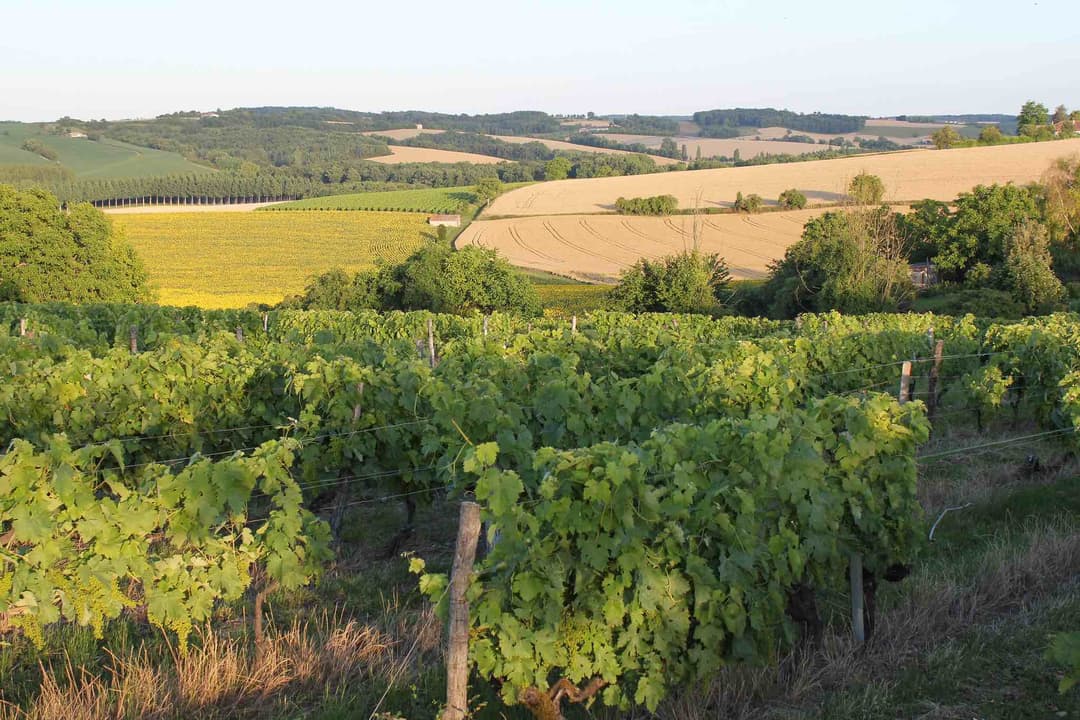
1 Region, 6 Appellations, and Three Grape Varieties
Grande Champagne
The beautiful hilly region of Grande Champagne is well known for its Cognac. Mainly centred on the town of Segonac, it spreads towards the east and north.
Grande Champagne is regarded as ‘premier cru' growth area. The soil of the place is responsible for producing Cognac of finest quality – light, floral, and with a long ageing period for maturity.
Three main grape varieties used in the production of Cognac:
Trebbiano Toscano (known as Ugni Blanc in France)
Folle Blanche
Colombard
Petite Champagne
Towards the south end of Grand Champagne and spreading west of Segonac is Petite Champagne. It is located in the departments of Clarente-Maritime and Clarente is Petite Champagne.
The grapes of this cru produce Eaux-de-vie, which is light with a floral bouquet. They too take a long maturation time.
After Grand Champagne, Petite Champagne is considered to be the second most important region (cru). Their cognacs are of slightly lower quality than of the Grande Champagne.
Borderies
Situated above the two champagne crus and towards the north of the town of Cognac, Borderies is the smallest of all the terroirs.
The region boasts of having the oldest soil in the region presumed to be of the Jurassic area. Palaeontologists have a huge interest in the region with 2000 fossilized remains found here of crocodiles, dinosaurs, and pterosaurs. It is believed that Borderies matures more gracefully than the other two.
The terroir is famous for producing rounded Eaux-de-vie aroma of toffee, nutty and violet flavours.
Fins Bois
Fins Bois means ‘fine woods' as most of the area was wooded when the vines were planted.
The grapes of this region produce Eaux-de-vie of the highest quality; these are supple, round, and have an aroma of a freshly squeezed fruit.
The other two appellations include Bon Bois and Bois Ordinaires. Cognac produced here is of lesser quality and not bought by any big houses.
Some estates cover vineyards in several regions, as Bourgoin Cognac which is present in 3 areas: Premiers Bois, Petite Champagne, and Fins Bois.
Top Wineries in Cognac Wine Region
The best way to learn more about Cognac production is to visit Wineries in Cognac, where you will be able to listen to personal stories and taste the best spirit in the world!
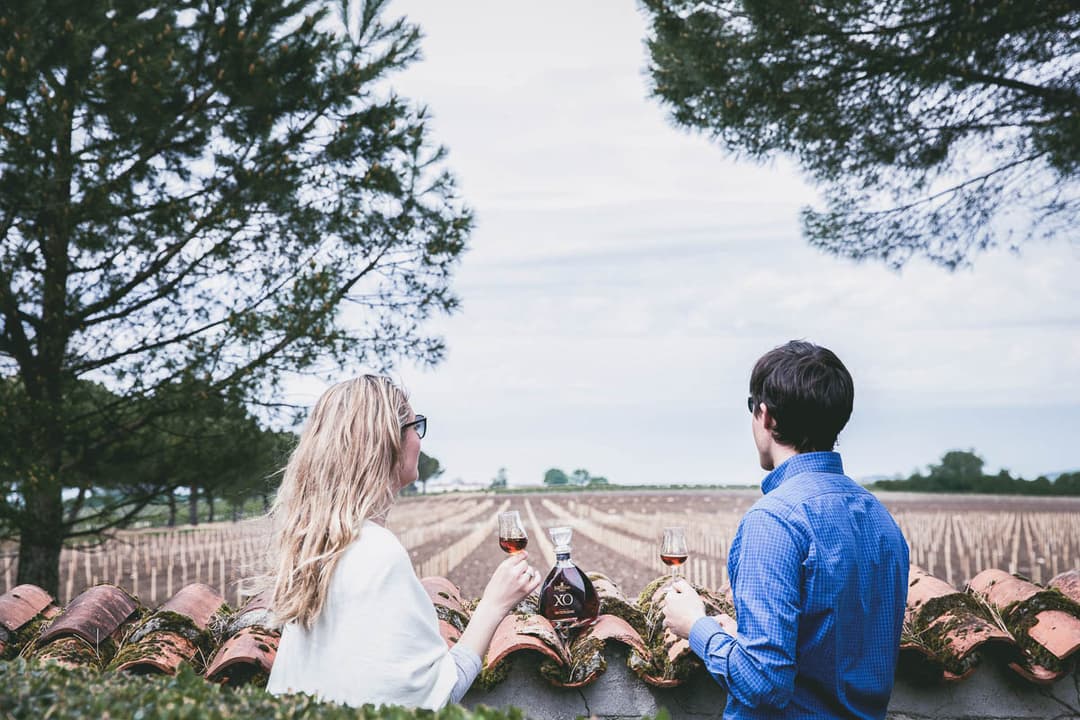
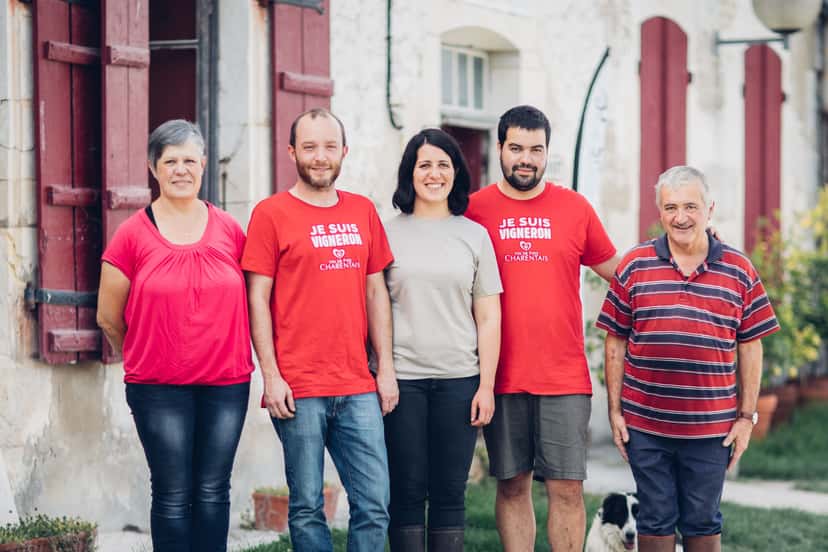
Bourgoin Cognac Estate is located in the Tarsac, a medieval village in Saint Saturnin municipality. Family-owned estate handcrafts cognacs that display the richness and organic taste of the product.
Their cognacs are non-filtered and have no added sugar, oak chips or caramel. However, the winery uses an almost pure terroir. Their cognac is authentic and real, featuring a vintage taste.
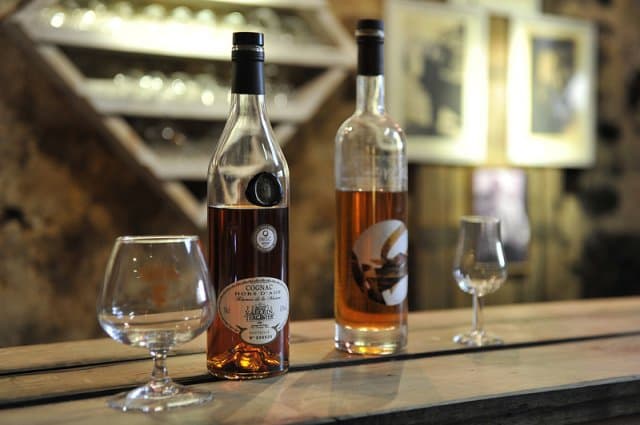
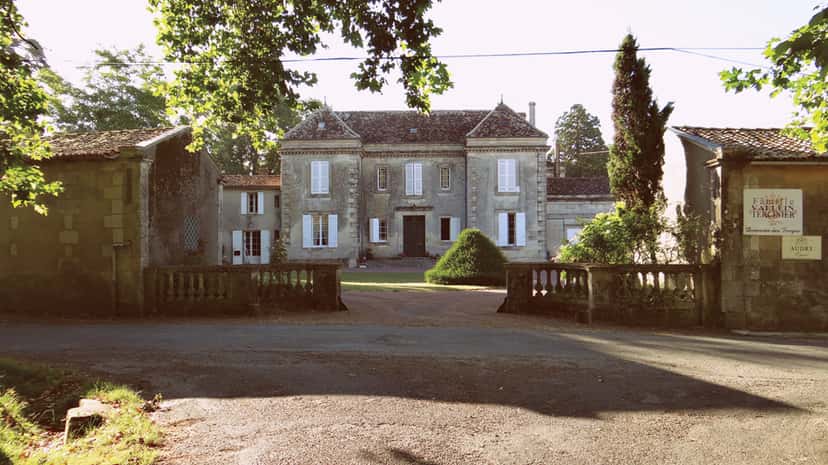
The winery started its work back in 1850 when George Vallein sold his first bottles of Cognac, and nowadays the family Vallein Tercinier still successfully runs the estate and the winery.
Discover Vallein Tercinier and take a guided tour of the estate. You can view and learn how they make their finest Cognac.
Discover Cognac Towns - The Old and The New
Cognac ‘Old Town'
Cognac old town is the medieval part of the town. It has narrow streets along beautiful homes built between the 15th and the 18th century.
While exploring Cognac old town, you will move around the Chateau and the river, south of the ‘old gateway' and witness the beauty of Rue Grande, Rue Magdeleine and Rue Saulnier.
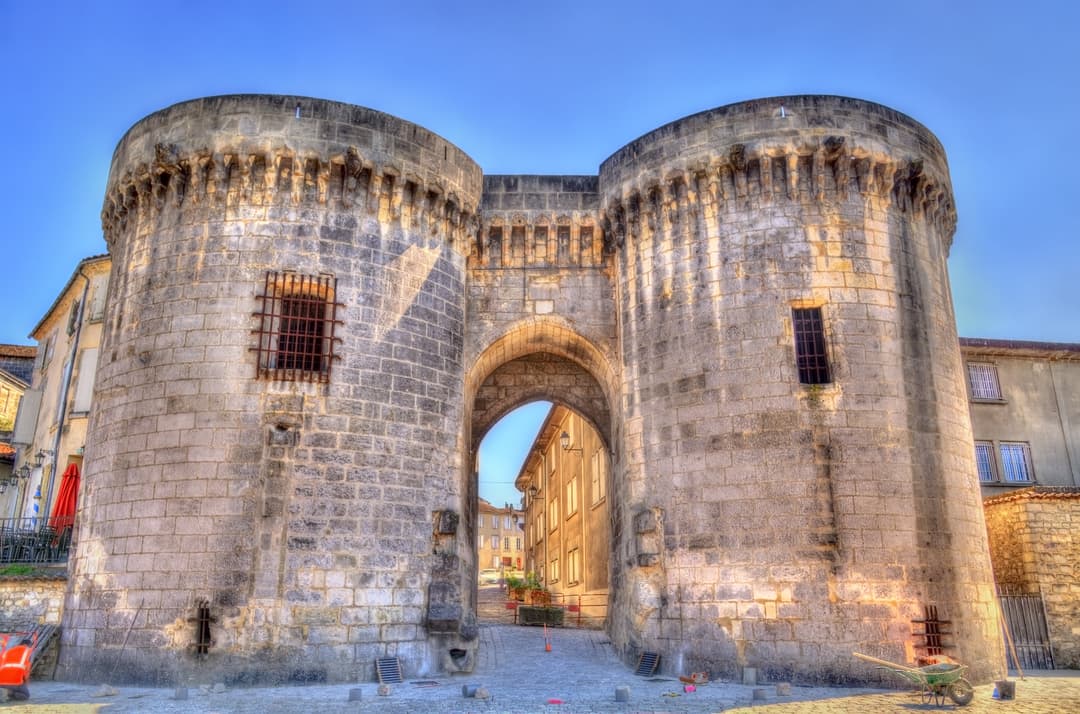
The old town has some world-famous distilleries. you can visit them and relish Cognac!
Cognac ‘New Town'
The east end of Cognac is like any other modern French town having several shops, cafes and other activities buzzing. The atmosphere is lively. People can visit public gardens situated right in the centre of Cognac.
Some of the nearby cities of Cognac include Javrezac, Chateaubernard, Saint-Brice, Boutiers-Saint-Trojan, Merpins, Cherves-Richemont, Nercillac and Saint-Laurent-de-Cognac.
The Culinary Specialists of Cognac Wine Region
The local gastronomy boasts of two things: skill and fresh ingredients.
Drinking and eating are essential for the people in Cognac. Cognac wine region offers food choice in plenty for people to supplement the finest Cognac's produced here.
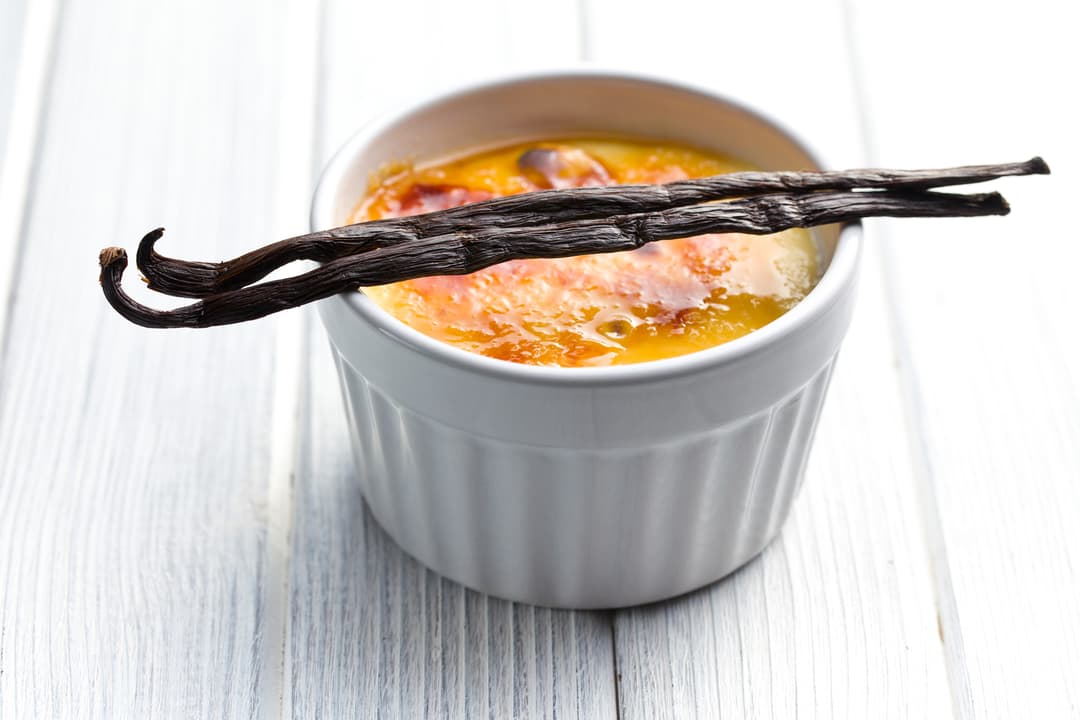
Crème Brulée
Crème Brulée dessert, which is also known by the names Trinity cream or burnt crema, is usually served chilled.
The rich custard base of Crème Brulée is topped with a layer of caramelized sugar. It is the caramelizing process that warms the custard and produces a cool centre. People usually love vanilla flavour; however, there are other varieties too.
Tarte Tatin
Tarte Tatin is a pastry with fruits caramelized in butter and sugar before baking the tart.
It was served as a signature dish at Hotel Tatin and received its name from it. Though there are several stories about the origin of the dish, the most accepted one is of Stephanie Tatin.
One day she was tired and forgot apples cooking in sugar and butter. The burning smell caught her nostrils. She then tried to rescue the dish by adding pastry base on the pan of apples and finished it by putting it in the oven giving birth to Tarte Tatin.
Scallops L'Orange
One of the favourite sea products of French people.
In Cognac, one can relish the delicious recipe – Scallops L'Orange. It is a tweak on the traditional method of cooking scallop. In this recipe, sautéed shallots are laced with Grand Marnier sauce, and a small amount of crème Fraiche is poured on the searing scallops.
Halibut Provencal
It is a classic recipe that people love to combine with Cognac.
It has all the flavours of the region – shallots, tomatoes, fennel, olives, garlic, and fresh sage. The seasoned fish is served with a pan sauce on rice or couscous. A lot of people like to eat lemon tart to finish this meal.
Check out list of wine tastings & tours in Cognac wine region to find more!
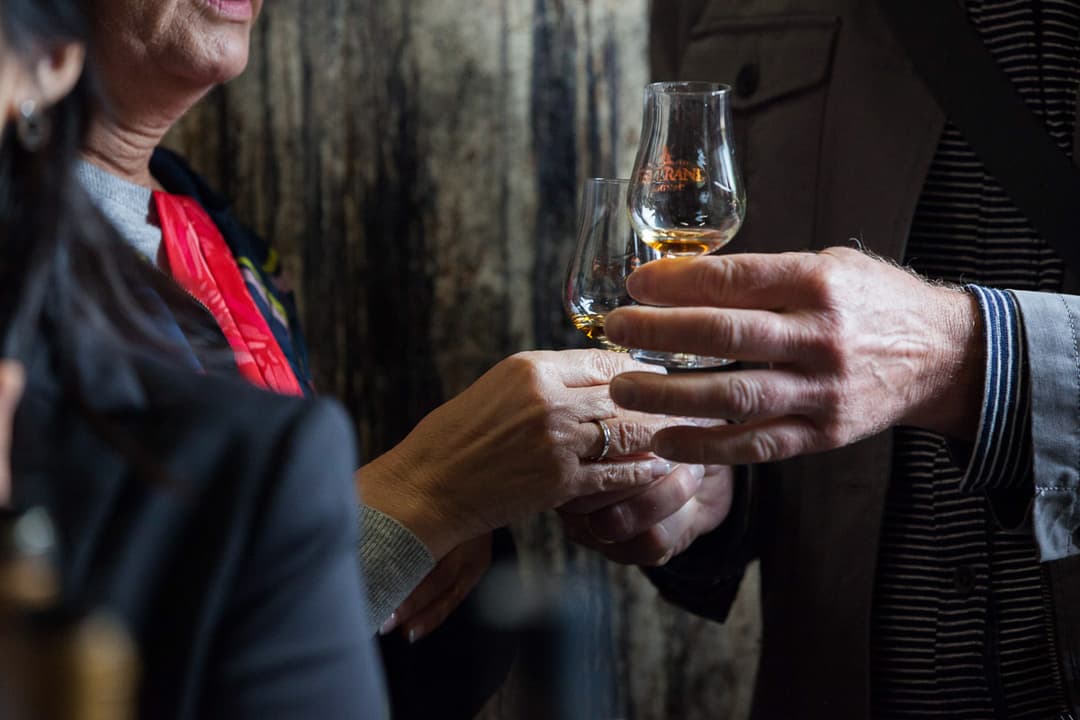
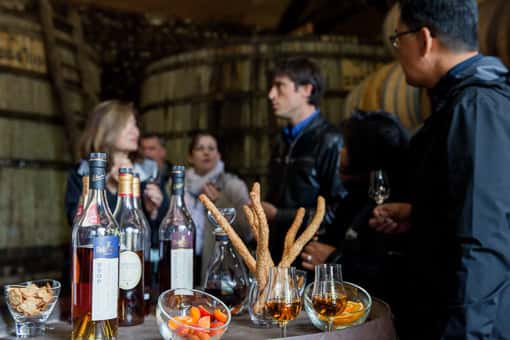
Cognac Bertrand proposes a Cognac tasting and food pairing. This is a chance to try traditional food!
Plan your visit in Cognac
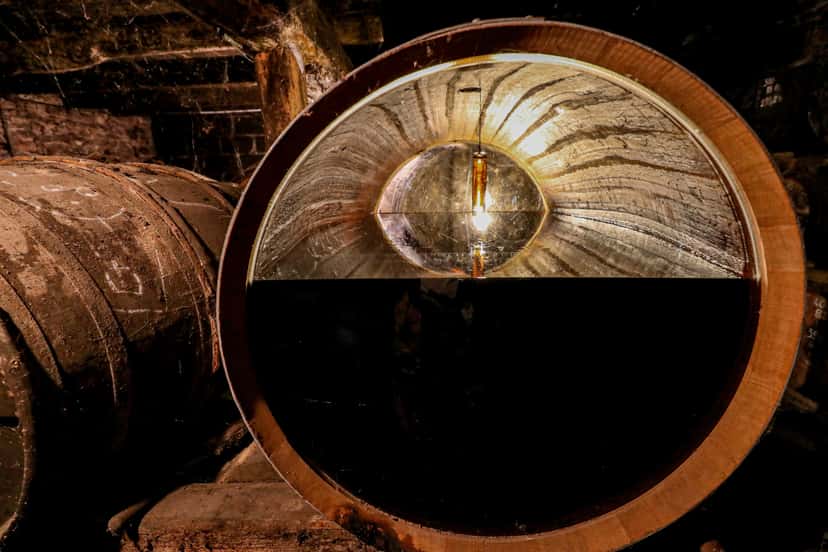

Best Wineries in Cognac
Best Wine Tastings in Cognac




Tailor-Made For You
Your perfect wine trip, planned for you
Tell us what you're dreaming of and a local wine expert will build a personalized itinerary — no obligation, no service fee.
Cities around Cognac
Frequently Asked Questions
What is Cognac known for?
What are the main grape varieties grown in Cognac?
When is the best time to visit Cognac?
How do I get to Cognac?
What do VS, VSOP and XO mean on a Cognac label?
Join our newsletter now to receive our free guide on how to plan the perfect wine tour.