Pianifica il tuo viaggio enologico in Michigan
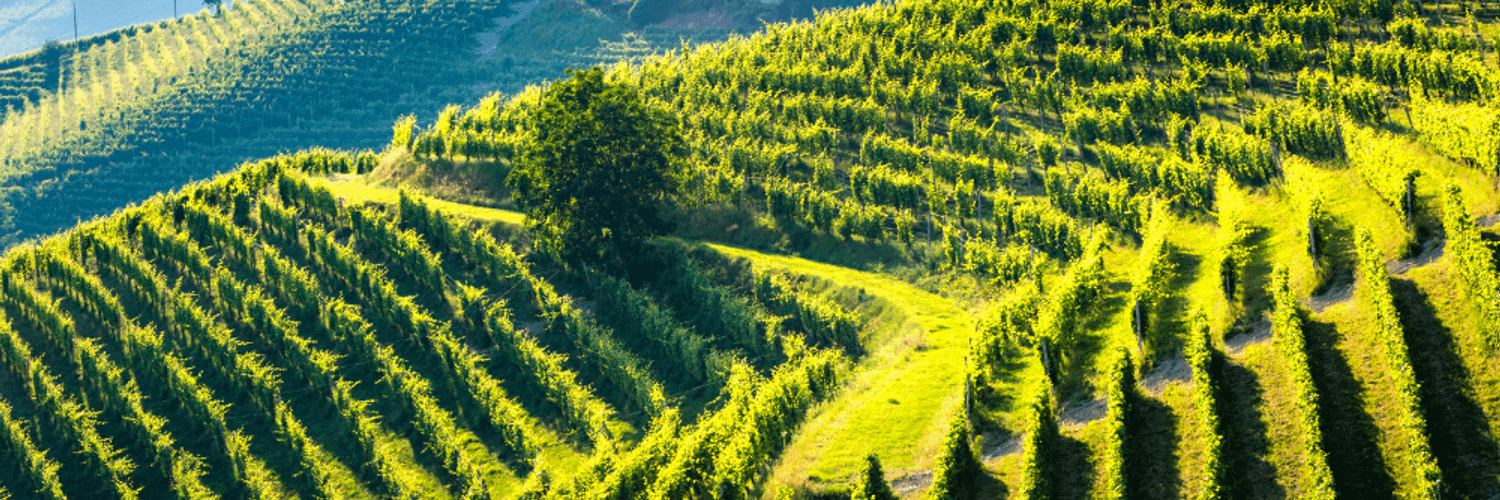
Scoprite il variegato mondo dell'enoturismo del Michigan, dove viticoltori innovativi prosperano nel clima unico dei Grandi Laghi. Questa regione in rapida espansione, parte del più ampio panorama vinicolo del Midwest, vanta zone affascinanti come la penisola di Leelanau, la penisola di Old Mission e il Michigan sudoccidentale. Degustate vini eccezionali prodotti con uve autoctone come Riesling e Cabernet Franc, godendovi al contempo splendidi panorami lacustri e una vivace cultura locale. Scoprite il fascino delle cantine del Michigan e lasciatevi conquistare da indimenticabili esperienze di degustazione che celebrano questa destinazione vinicola in continua evoluzione.
Le migliori città da visitare in Michigan, Stati Uniti

The Michigan wine region is one of the largest and most important wine regions in the United States. Since the 1970s, Michigan has been creating a reputation for itself in the wine business of the United States. Michigan currently has over 150 wineries and hundreds of hectares of vines, vaulting it into the top 10 wine-producing states in the US. Michigan wine is renowned for its quality and diversity; the array encompasses award-winning reds and whites, sumptuous ice wines, and effervescent sparkling wines. Here, the lake of the same name forms an exceptional microclimate, which allows to creation stunningly complex wines that convey all the charm of this terroir. We hope you will experience the outstanding wines that have made Michigan a favorite among wine people all over the world. Explore our website to learn about the Wineries in Michigan and how to make the most of this beautiful region. Learn more about Wine Tasting and Tours in the United States.
Check out the best wine tastings and tours in Michigan Wine Region
Where is the Michigan Wine Region?
Michigan, a viticultural and wine-growing region in northern America near the Great Lakes.
Unique terroir of Michigan appellation
The Great Lakes have a significant impact on Michigan's climate; in particular, weather patterns in the state's western portion are at the mercy of the gigantic Lake Michigan.
For good reason, the majority of pure Michigan grapes are planted within 25 miles of this shore. The vast Lake Michigan cools the air along the shore, producing a perfect storm that protects crops from early frosts in the fall and early blooming in the spring.
Furthermore, while lake effect snow appears to be destructive, it really benefits the vines by creating an insulating layer that shields them from Michigan's severe cold air.
Michigan's winemaking industry is boosted by its exact location on the 45th Parallel. This line is positioned equidistantly between the Equator and North Pole and provides temperatures ideal for growing great grapes - not too hot and not too cold. Wines produced here compete with those grown in world-renowned wine regions like Bordeaux in France, or Piedmont in Italy.
Michigan wine country has five senior AVAS. The five American Wine Regions (AVA) of Michigan—Fennville, the Lake Michigan shoreline, the Leelanau Peninsula, the Old Mission Peninsula, and Cape Mitt—produce wines with a range of characteristics. Nearly the majority of Michigan's wine grapes are grown within 40 kilometers of Lake Michigan, which is shared by all five regions. The lake effect creates a pleasant microclimate when compared to the state's central plain. Southern winemaking regions usually have prolonged growing seasons than in northern areas.
A well-known wine region in Michigan is the Greater Traverse City region, which includes the Leelanau and Old Mission Peninsulas. The environment, which is dominated by lakes and has sandy soil with good drainage, enables a longer growing season than in most of the Midwest of the United States. More than half of Michigan's wine varieties are grown in this area.
The same advantages may be discovered, albeit to a lesser degree, on the eastern shore of Lake Michigan, south of Grand Rapids, in the Fennville and Lake Michigan Shore regions.
History of Michigan wine region
Traditional Michigan wines were sweet and frequently produced using vinifera grapes such as Katawba, Concord, and Niagara, or hybrid grape types created by partially breeding native species with native species. Local North American grapes benefit from being acclimated to growing regional circumstances, which results in a high yield. Additionally, producers might alternate between making sweet wine and grape juice.
Michigan's wineries specialized in sweet and fruity wines until the 1970s. In response to the growing demand for local vintage wines from the USA that started to develop in the later half of the 20th century, some established Michigan producers of sweet wines experimented with the modernization of their production, and new winemakers entered the market. Southwest Michigan's Tabor Hill Winery was the state's first winery to concentrate on vinifera-style wines. Only a few years later, in 1974, the Chateau Grand Traverse in Northern Michigan's Traverse Bay area made its premiere. The number of wineries grew gradually throughout the 2000s, and other vinifera varieties were still being experimented with.
Over the past few years, the production of wine from diverse hybrid and international grape varieties has greatly increased.
What is Michigan Wine?
The Michigan wine region is well-known for producing red varietal wines such as Cabernet Franc, Cabernet Sauvignon, and Merlot. The Leelanau Peninsula in the northwest of the Lower Peninsula is known for its lovely white grapes with well-balanced acidities, such as Pinot Blanc, Pinot Grigio, and Riesling.
Chardonnay, Pinot Noir, Gewurztraminer, and Pinot Blanc are a few additional popular European wine varieties cultivated in the state of Michigan.
Unique ice wines may be found in Michigan's wine region. The environment of the Big Traverse City permits the creation of ice wine, which necessitates early, severe freezing in order to allow for the frozen harvest of the fruit that has been left on the vine.
Mark Johnson, who is today the lead winemaker at Chateau Chantal, created the first batch of ice wine in Michigan in 1983. Northern Michigan wineries use German techniques to identify which wines are categorized as frosty. While American law enables the marketing of wine as ice wine if the grapes are picked and then artificially frozen, German law only permits the harvesting of ice wine when the grapes are frozen on the vine. Since it's impossible to foresee how it will turn out, making ice wine involves a lot of chances. After enduring extended periods of subzero temperatures to make sure they are thoroughly frozen, the grapes are typically plucked in December.
However, in years with a warm climate, the grapes are only picked at the end of January. As they stay on the vine until they are quite mature, it can also be challenging to keep birds and the wind away from grapes.
Food to Pair with Michigan wine
1. Mlinci with Turkey
This festive Croatian cuisine consists of a whole roasted turkey combined with mlinci, a classic Croatian side dish.
Specific breeding and growing circumstances resulted in the development of an autochthonous Zagorje Turkey breed, which is renowned for its superior meat quality. Mlinci, on the other hand, are a cross between spaghetti and crunchy, unleavened flatbread.
The flour, water, and egg mixture is rolled into thin, broad sheets. They are frequently ripped into tiny pieces and soaked in hot water to soften due to their dry texture and bland taste. They are then combined with meat drippings, transforming this basic entrée into a delectable side dish.
2. Pizza in the Style of Detroit
A square pizza with a thick deep-dish crisp dough and inverted toppings is known as Detroit-style pizza. The dough is topped with cheese, which is then topped with a rich tomato sauce seasoned with garlic and spices. Pepperoni is the most prevalent topping, either on top of the sauce or buried beneath the cheese.
Detroit-style pizza dates back to Buddy's Rendezvous in 1946, and it is now accessible countrywide due to its popularity. This meal goes well with beer or wine.
3. Pie with Sweet Potatoes
Sweet potato pie is a classic pie from the southern United States of America that is notably popular in North Carolina. The dish is made as an open pie without a top crust, with the inside often filled with a mixture of milk, eggs, sugar, and mashed sweet potatoes.
In the South, it is frequently flavored with spices such as vanilla or nutmeg, but in the North, marshmallow bits are used to top the pie.
Places to visit in Michigan
Travelers drawn to unusual geographical features are drawn in droves to the state of Michigan. It makes sense considering that the region is made up of the Great Lakes and two sizable peninsulas, Upper and Lower. There are several parks and woods in the region. Urban pastimes are recreation's opposite side. There are many attractions to be found here, along with interesting American cuisine, trips to performance venues, and even casinos.
1. Pictured Rocks National Lakeshore, Breathtaking Landscape of Upper Peninsula
Visits to natural landmarks are a good way to start getting to know Michigan. Make sure to stop by the Pictured Rocks National Lakeshore, whose expansive grounds stretch from the town of Munising to Grand Marais along the Upper Lake. Sand dunes, waterfalls, naturally occurring arches, and boulders made of sandstone in various colors may all be found here.
2. Tahquamenon Falls
Tahquamenon Falls is one of Michigan's most iconic waterfalls. It is unquestionably worthwhile to visit at least one of the islands situated on the lakes: Northern and Southern Manitou are situated on Lake Michigan, Isle Royal and Grand Island are situated on Lake Superior, and Bois Blanc Island is situated in the waters of Lake Huron. Wintertime in the state brings additional recreational activities thanks to snow and ice, such as ice fishing or snowboarding or downhill skiing down steep slopes.
3. Detroit, Admire the Picturesque Landscapes, the Beauty of the Architecture
Detroit is the biggest city in Michigan. The name, which translates from French to strait, was given to it when it was first established in the early eighteenth century by a Frenchman. Although the city is well known for its auto manufacturing, it may also attract leisure travelers.
In Detroit, there are several distinct museums, including the Henry Ford Museum, the Detroit Science Center, the Historical Museum, and the Charles Wright Museum of American History of African Ancestors. The historic cultural complex next to Wayne State University and the College of Creative Studies houses several of the museums. The Royal Oak Zoo and the Cranbrook Art Museum in Bloomfield Hills are two attractions on the city's opposite side.
Frequently Asked Questions
What is Michigan wine known for?
Many Michigan winemakers have recently started making sparkling, sweet, and dry wines of respectable quality from traditional and international grape varieties.
What grape is Michigan AVA wine made of?
Red wines of Michigan wine country produced from Cabernet Sauvignon, Cabernet Franc and Merlot, white varieties with well-balanced acidity made of grapes such as Pinot Blanc, Pinot Grigio and Riesling.
What is Michigan famous for?
Michigan is among the most well-known states, along with grape wine. The pioneer in the creation of fruit wines, including cherry wine.
Mappa delle cantine in Michigan
Scopri le posizioni delle cantine in Michigan
Domande frequenti
What is Michigan wine known for?
Many Michigan winemakers have recently started making sparkling, sweet, and dry wines of respectable quality from traditional and international grape varieties.
What grape is Michigan AVA wine made of?
Red wines of Michigan wine country produced from Cabernet Sauvignon, Cabernet Franc and Merlot, white varieties with well-balanced acidity made of grapes such as Pinot Blanc, Pinot Grigio and Riesling.
What is Michigan famous for?
Michigan is among the most well-known states, along with grape wine. The pioneer in the creation of fruit wines, including cherry wine.
Ottieni la tua spinta mensile di ispirazione sul vino
Iscriviti subito alla nostra newsletter per ricevere la nostra guida gratuita su come pianificare il tour del vino perfetto
Abbiamo a cuore i tuoi dati nella nostra politica sulla privacy .