
California Wine Festival
California, USA
Annual Dana Point: Apr 24–25; Santa Barbara: Jul 17–18; Huntington Beach: Oct 16–17
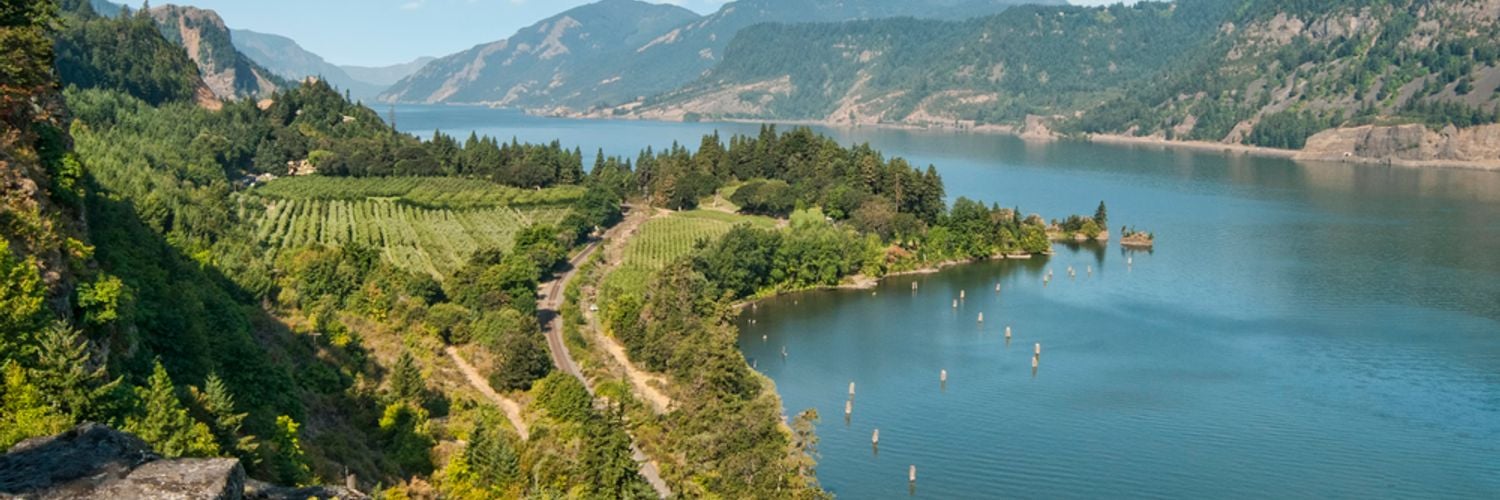
Explore the diverse landscape of the USA, where wine tourism offers a rich tapestry of experiences across its iconic wine regions. From the sun-kissed vineyards of Napa Valley and Sonoma County in California to the picturesque wineries of Oregon's Willamette Valley and the historic estates of Virginia, each destination showcases unique indigenous grape varieties. Discover the bold Zinfandels, elegant Pinot Noirs, and robust Cabernets that define American winemaking while indulging in unforgettable tasting experiences.
California makes 90% of America's wine, but the United States has wine regions in 50 states. From Napa's Cabernets to Oregon's Pinot and Finger Lakes Rieslings — 200+ bookable wineries on the platform.
Check out the list of the best wineries in the USA
The United States has more than 6,200 wineries across 269 American Viticultural Areas (AVAs) in 34 states. California dominates production, accounting for roughly 90% of American wine, but major wine regions now stretch from Oregon and Washington to New York, Virginia, and Texas.
Over the last two decades, American wine tourism has expanded far beyond Napa Valley. Travelers can now explore cool-climate Riesling in the Finger Lakes, Rhône blends in Texas Hill Country, Pinot Noir in Oregon's Willamette Valley, and high-altitude vineyards in Arizona and Idaho.
On WineTourism.com, visitors can book direct winery tastings, vineyard tours, food pairings, and cellar experiences across the country's leading wine regions.
The United States of America is a spirited and constantly evolving winemaking country. True to their roots of freedom and experimentation, this mind set extends well into each state’s individual approaches in winemaking. What an incredible way to tour through this diverse nation than by tasting local wines wherever you wander.
Signature wines: Cabernet Sauvignon, Chardonnay, Pinot Noir, Zinfandel
What it's known for: America's wine capital — Napa, Sonoma, Paso Robles, Santa Barbara, and more
Gateway cities: San Francisco, Los Angeles
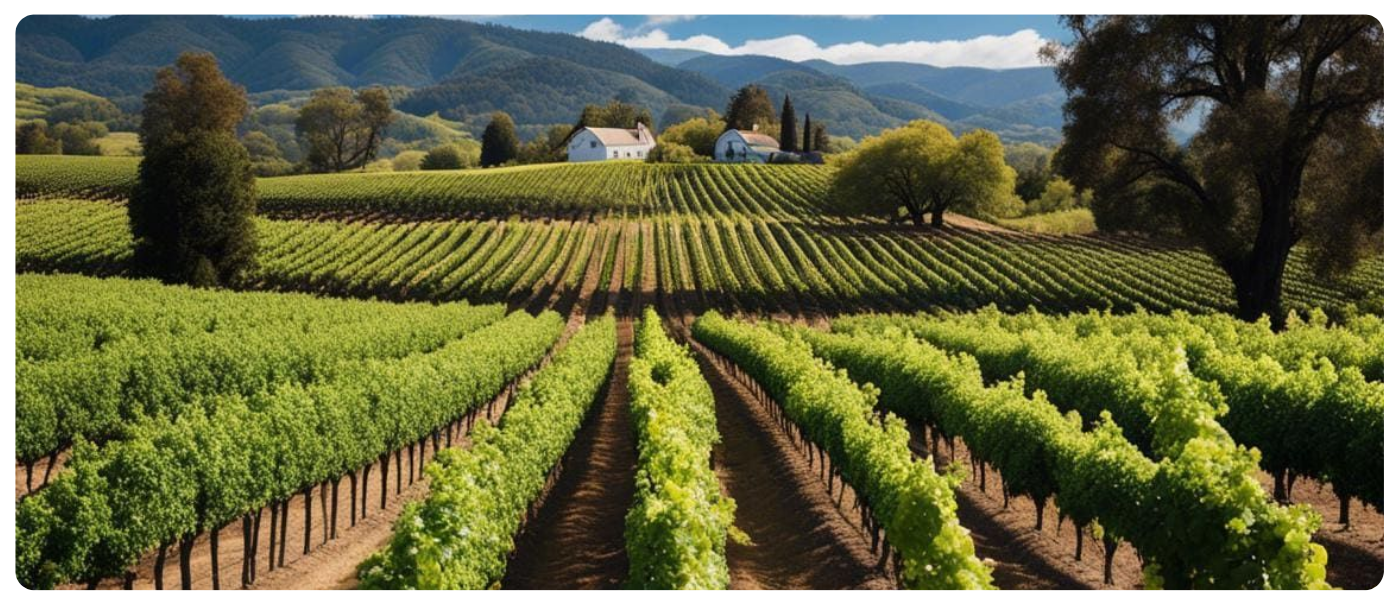
Signature wines: Pinot Noir, Chardonnay, Pinot Gris
What it's known for: Premier US Pinot Noir region with small producers and low-intervention winemaking
Gateway city: Portland
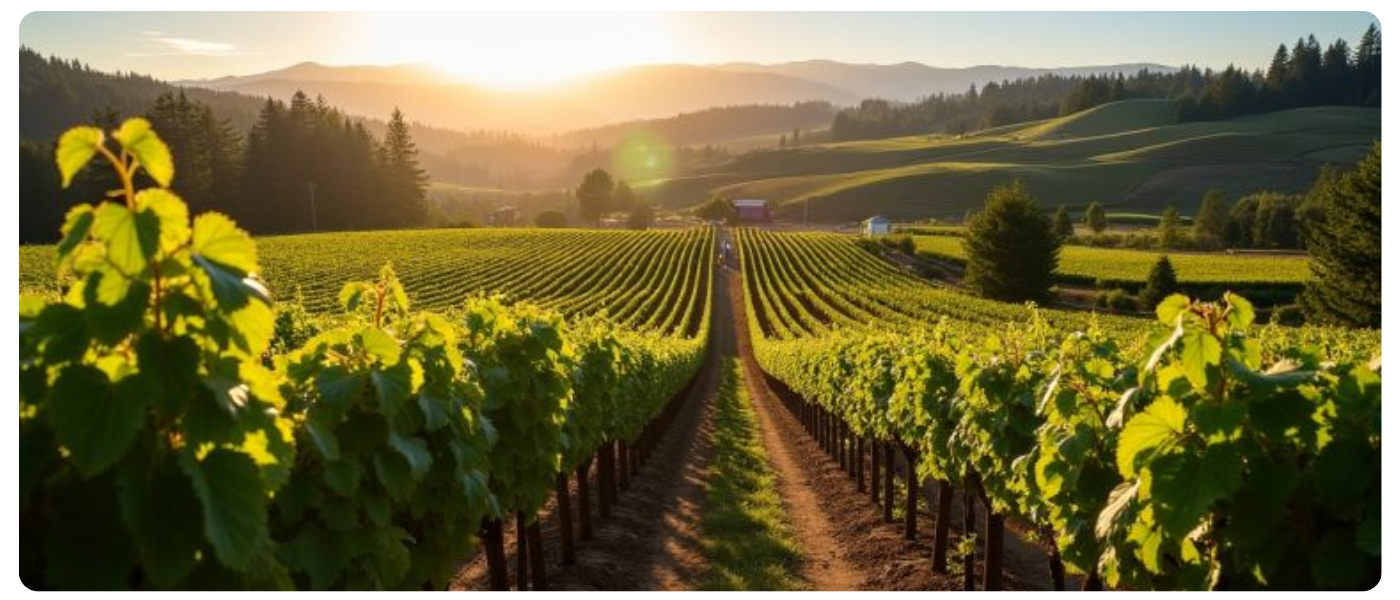
Signature wines: Cabernet Sauvignon, Merlot, Syrah, Riesling
What it's known for: Powerful reds, excellent value, and more than 1,000 wineries
Gateway cities: Seattle, Walla Walla
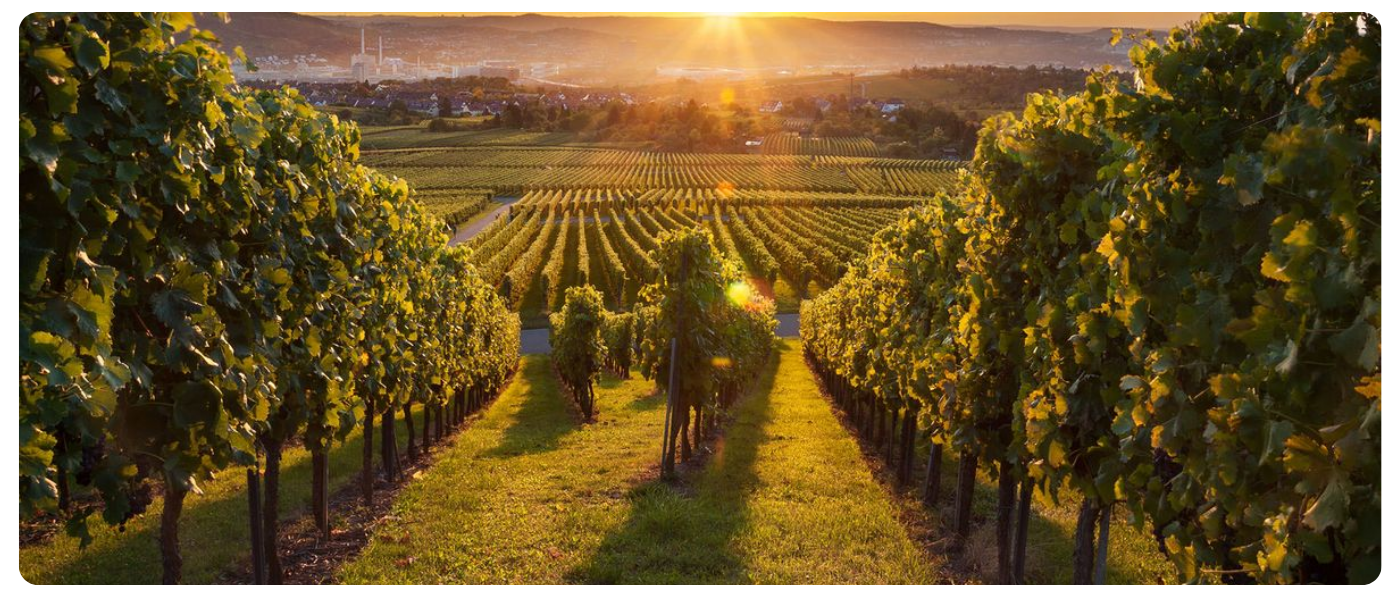
Signature wines: Riesling, Cabernet Franc, sparkling wine
What it's known for: Cool-climate whites, lakeside scenery, and more than 140 wineries
Gateway cities: Rochester, Syracuse

Signature wines: Cabernet Franc, Viognier, Petit Verdot
What it's known for: East Coast wine country with scenic estates and easy access from Washington DC
Gateway cities: Washington DC, Charlottesville
Signature wines: Tempranillo, Viognier, Cabernet Sauvignon
What it's known for: Fast-growing wine scene and more than 600 wineries across Hill Country
Gateway cities: Austin, San Antonio
California remains the center of American wine tourism and one of the world's most influential wine destinations. The state contains more than 6,000 wineries spread across 152 AVAs, from the luxury estates of Napa Valley to the laid-back tasting rooms of Mendocino and the coastal vineyards of Santa Barbara County.
Napa Valley is still the best-known region, famous for Cabernet Sauvignon and iconic wineries such as Robert Mondavi Winery, Stag's Leap Wine Cellars, Duckhorn Vineyards, Opus One, and Castello di Amorosa. Sonoma County offers a more relaxed atmosphere with outstanding Pinot Noir, Chardonnay, and Zinfandel, while Paso Robles has become known for Rhône blends and boutique wineries.
Beyond the major names, California wine country also includes Santa Barbara County, Mendocino, Livermore Valley, Sierra Foothills, and Temecula — each with distinct styles and travel experiences.
Tasting fees in California vary widely, from affordable walk-in tastings in Sierra Foothills to luxury Napa experiences costing $100 or more. Reservations are now standard at many premium wineries.
Oregon's Willamette Valley has become America's benchmark region for Pinot Noir. Cooler temperatures, volcanic soils, and a focus on small-production wineries create wines that are often compared stylistically to Burgundy.
The region is centered around charming wine towns such as Dundee, McMinnville, and Newberg, all within easy reach of Portland. Oregon wineries tend to emphasize sustainability, organic farming, and low-intervention winemaking.
Featured wineries can include Domaine Serene, Beaux Frères, Sokol Blosser Winery, Adelsheim Vineyard, and Archery Summit. Compared with Napa, tasting experiences are generally more intimate and less commercial.
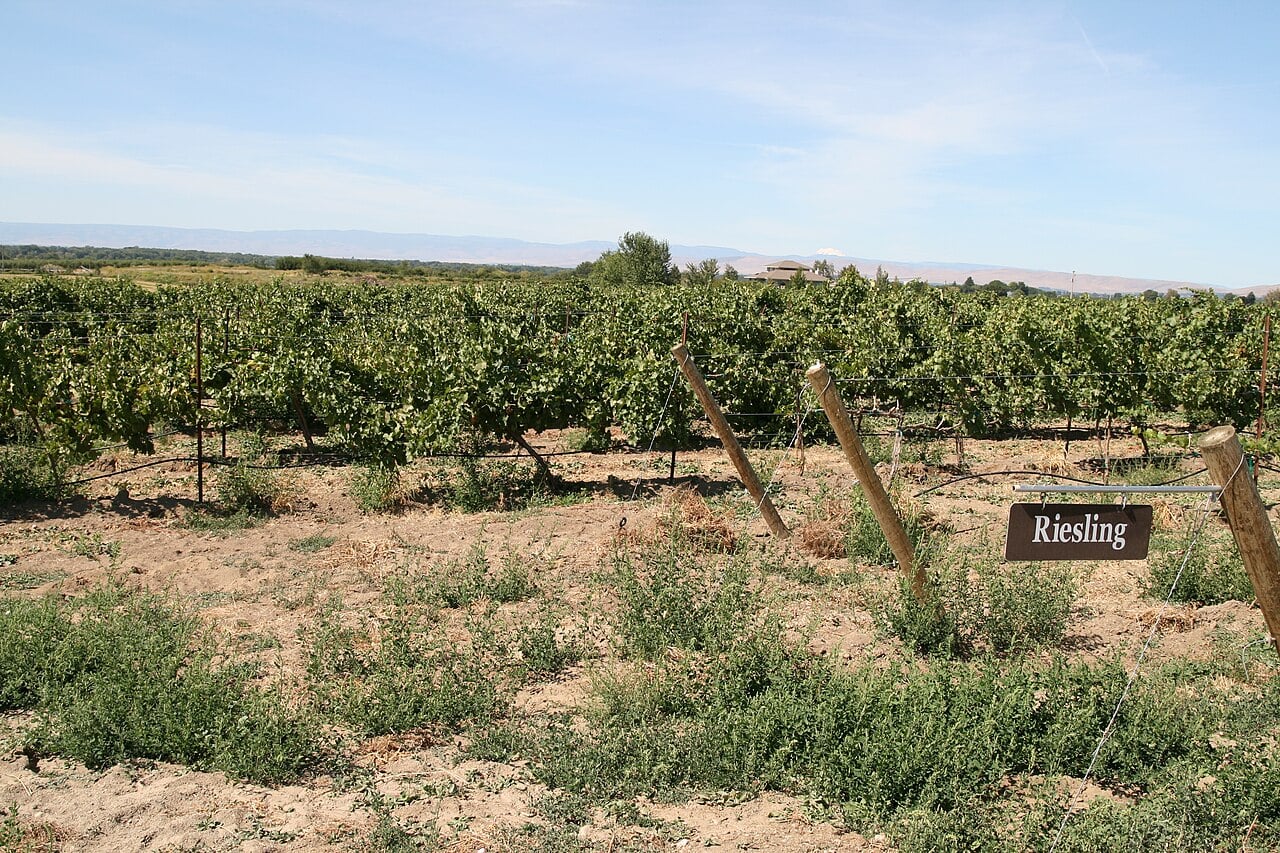
New York's Finger Lakes region is America's leading cool-climate white wine destination. Deep glacial lakes help moderate temperatures, making the area especially well suited to Riesling, Cabernet Franc, and sparkling wine.
The Finger Lakes combine wine tasting with lakeside scenery, waterfalls, hiking, and small-town tourism. Compared with California, tasting fees remain relatively affordable and many wineries still welcome walk-in visitors.
Notable wineries include Dr. Konstantin Frank Winery, Hermann J. Wiemer Vineyard, Ravines Wine Cellars, Boundary Breaks, and Red Newt Cellars.
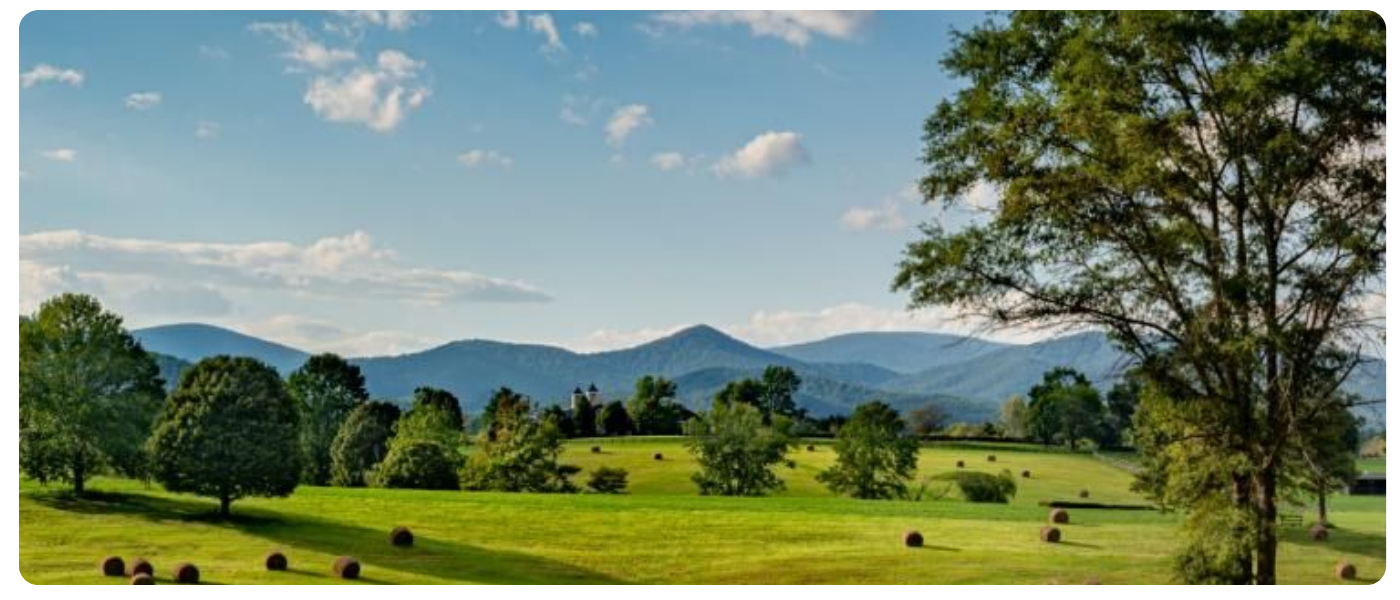
Virginia has emerged as the leading wine region on the US East Coast, with more than 300 wineries spread across rolling countryside near Charlottesville, Loudoun County, and the Blue Ridge Mountains.
The region is especially strong in Cabernet Franc, Petit Verdot, Viognier, and Bordeaux-style blends. Many wineries combine tastings with mountain views, historic estates, and food experiences.
Featured wineries include Barboursville Vineyards, King Family Vineyards, RdV Vineyards, Early Mountain Vineyards, and Veritas Vineyard & Winery. Virginia is especially popular for weekend trips from Washington DC.
American wine tourism continues to expand well beyond the established regions. Michigan's Leelanau Peninsula and Old Mission Peninsula are earning recognition for Riesling and sparkling wine thanks to the cooling influence of Lake Michigan.
Idaho's Snake River Valley has emerged as a serious high-desert wine region producing Syrah, Riesling, and Bordeaux varieties. Arizona is gaining attention for high-elevation vineyards around Sonoita and Willcox, while New Mexico continues to build on one of the oldest wine traditions in North America.
Pennsylvania, Ohio, and North Carolina also have growing winery scenes focused on hybrid grapes, sweet wines, and regional tourism. These emerging regions may not yet have Napa's reputation, but they increasingly attract travelers looking for affordable and less crowded tasting experiences.
Harvest season generally runs from August through October and brings the most activity — but also the highest visitor numbers.
Tasting fees vary dramatically by region:
Many wineries waive fees with bottle purchases or wine club sign-ups.
Reservations are required at most premium wineries in Napa and Sonoma, especially weekends and harvest season. Walk-ins remain common in regions like Finger Lakes, Texas, and parts of Oregon and Washington.
Some of the best US wine trips combine multiple states or AVAs:
Discover the locations of wineries in USA
California, USA
Annual Dana Point: Apr 24–25; Santa Barbara: Jul 17–18; Huntington Beach: Oct 16–17

Texas, USA
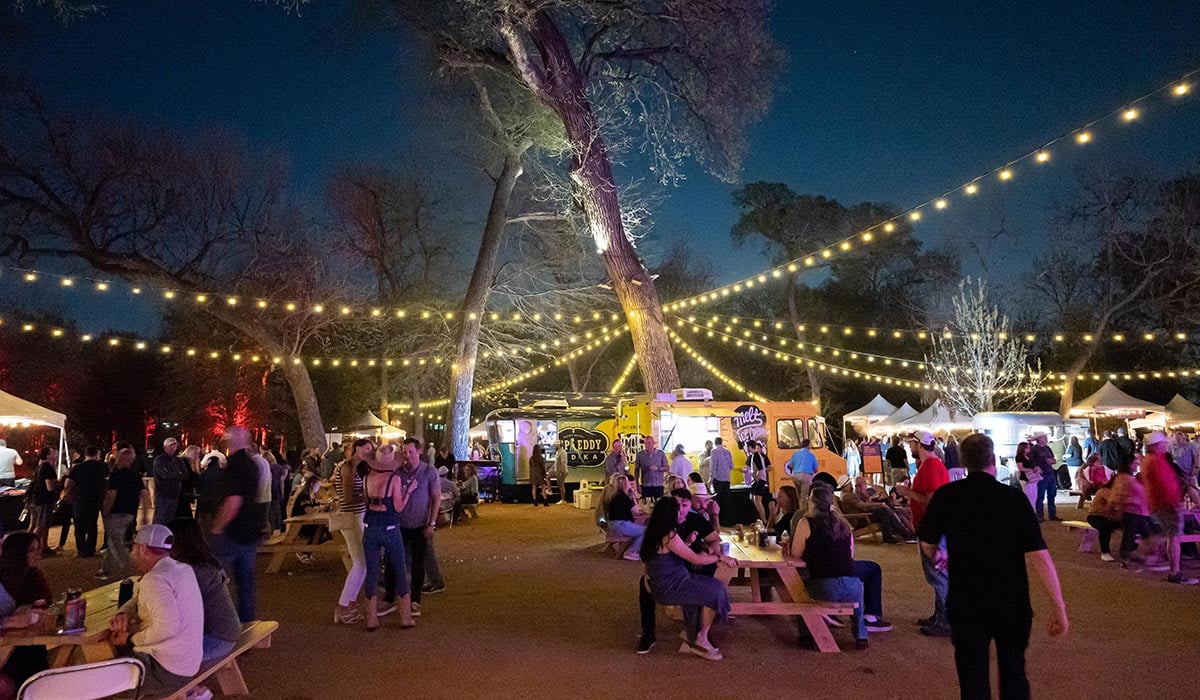
Annual Restaurant Week: May 4–10; Preview Week: Jul 20–25; Festival Week: Oct 22–25

Join our newsletter now to receive our free guide on how to plan the perfect wine tour