Italy stands as a beacon of wine tourism, inviting travelers to explore its diverse regions rich in tradition and flavor. From the sun-drenched vineyards of Tuscany, known for its Sangiovese wines, to the crisp whites of the Veneto, home to Prosecco, and the full-bodied Barolo of Piedmont, each area offers a unique tasting experience. Discover the indigenous varieties, engage with passionate winemakers, and immerse yourself in Italy's storied wine culture.
Italy is the world's largest wine producer by volume and one of the most diverse wine destinations anywhere on earth. From the rolling hills of Tuscany to the alpine vineyards of Piedmont and the volcanic slopes of Sicily, every Italian wine region has its own grapes, cuisine, traditions, and tasting culture.
Unlike France, where international grapes dominate many famous regions, Italy is defined by native varieties. Sangiovese in Tuscany, Nebbiolo in Piedmont, Garganega in Veneto, Aglianico in Campania, and Nero d'Avola in Sicily all taste distinctly tied to place.
On WineTourism.com, travelers can book winery visits, vineyard lunches, cellar tours, and tastings across Italy's major wine regions — from iconic estates in Chianti and Barolo to family-run wineries in Puglia, Abruzzo, and Sicily.
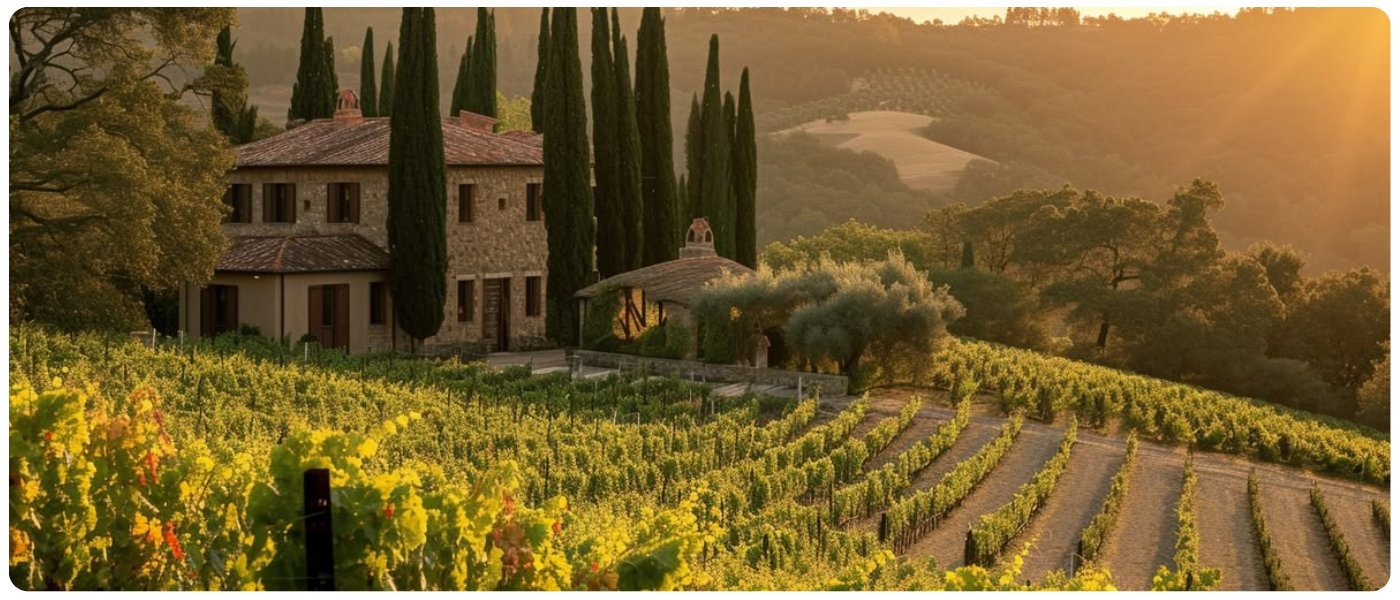
Signature wines: Chianti, Brunello di Montalcino, Super Tuscans Best for: Classic countryside wine trips Best months: April–October Gateway cities: Florence, Siena
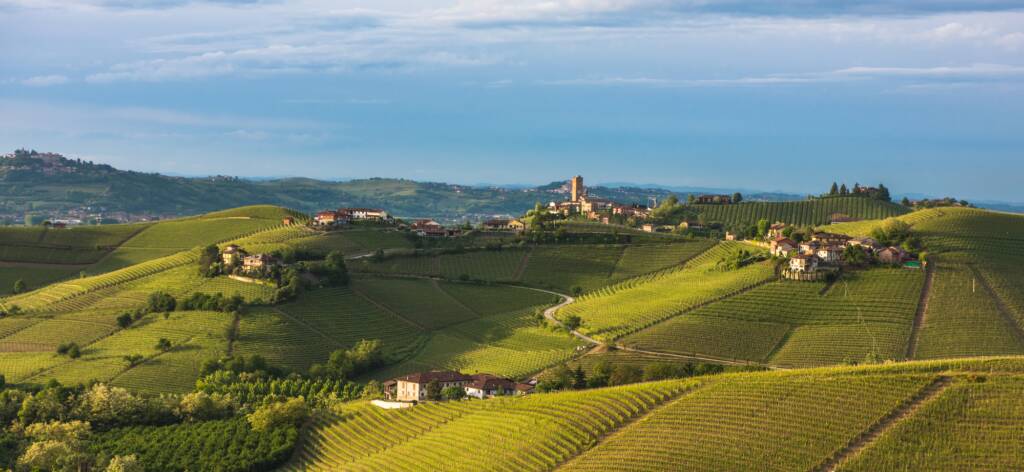
Piedmont
Signature wines: Barolo, Barbaresco, Moscato d'Asti Best for: Serious red wine lovers and food travelers Best months: September–November Gateway cities: Turin, Alba
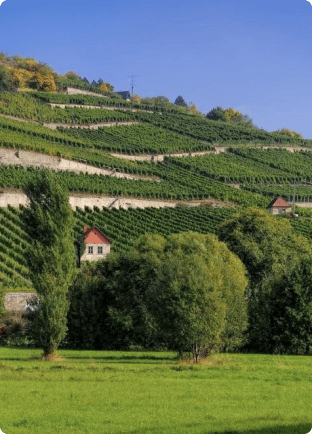
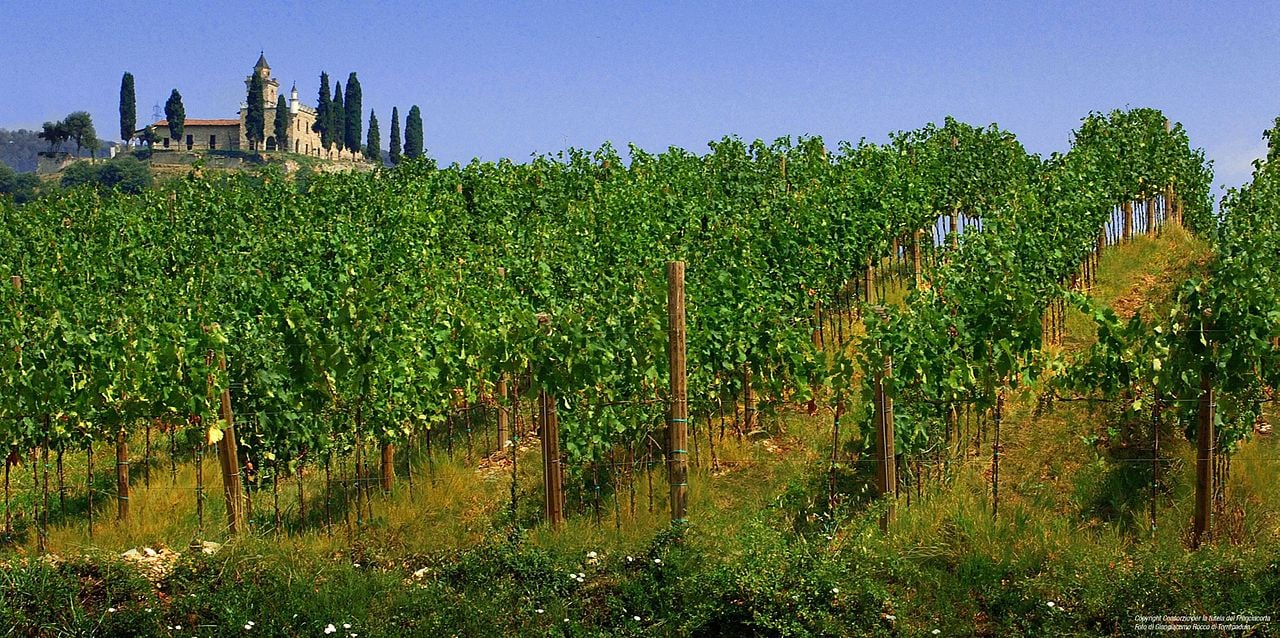
Vineyard landscapes of Piedmont region, Italy wine country
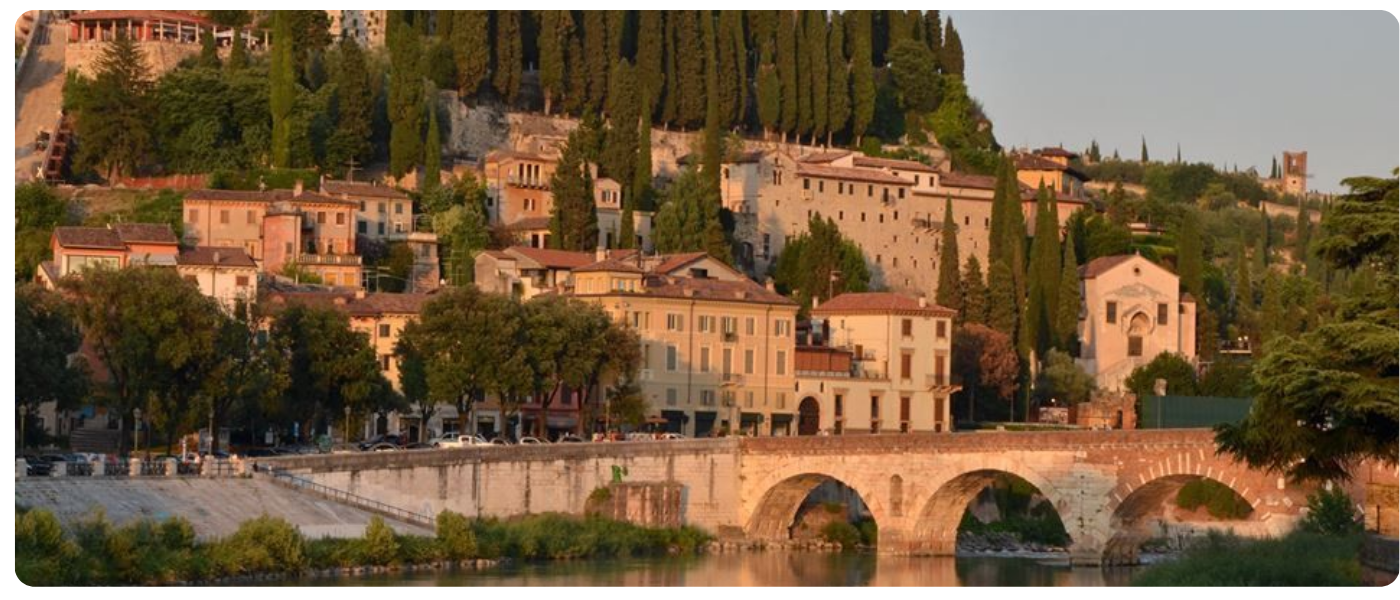
Veneto
Signature wines: Prosecco, Amarone, Soave Best for: Sparkling wine and easy access from Venice Best months: April–October Gateway cities: Verona, Venice
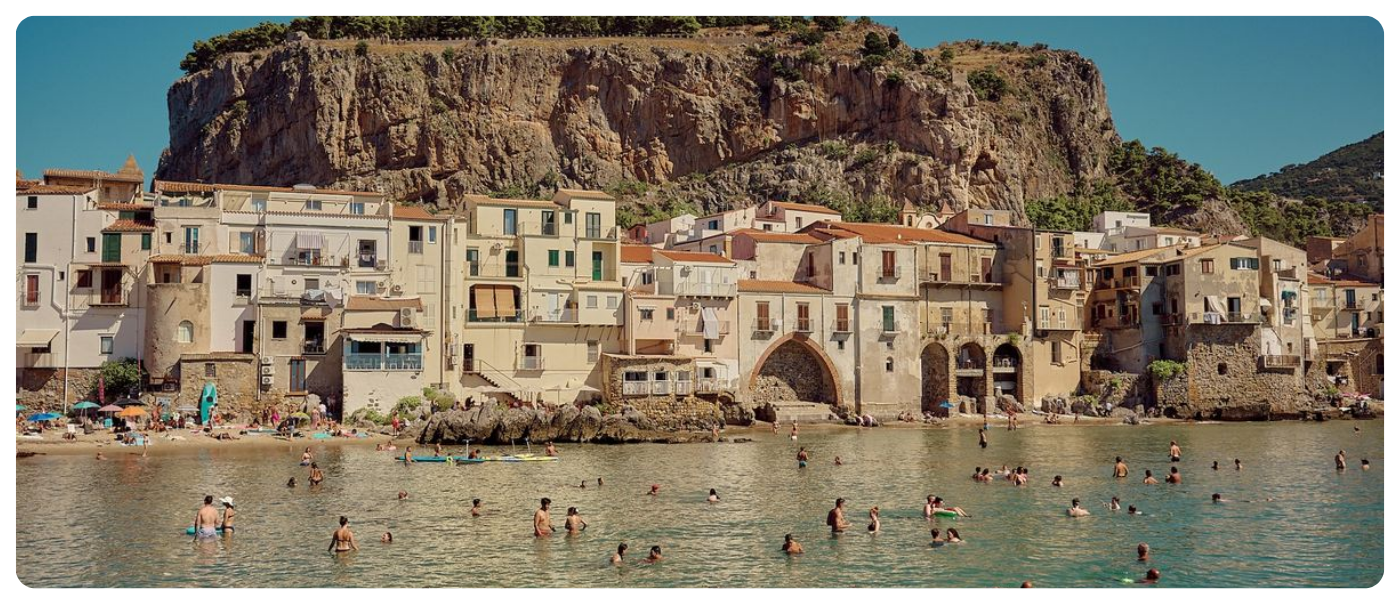
Sicily
Signature wines: Nero d'Avola, Etna Rosso, Marsala Best for: Volcanic wines and coastal scenery Best months: April–June, September–October Gateway cities: Catania, Palermo
Puglia
Signature wines: Primitivo, Negroamaro Best for: Value wine and beach holidays Best months: May–October Gateway cities: Bari, Lecce
Campania
Signature wines: Taurasi, Fiano di Avellino, Greco di Tufo Best for: Ancient grape varieties and food pairing Best months: April–October Gateway cities: Naples, Avellino
Emilia-Romagna
Signature wines: Lambrusco, Sangiovese di Romagna Best for: Food-focused trips Best months: April–September Gateway cities: Bologna, Modena
Lombardy
Signature wines: Franciacorta, Valtellina Nebbiolo Best for: Sparkling wine and alpine scenery Best months: April–October Gateway cities: Milan, Brescia
Friuli-Venezia Giulia
Signature wines: Friulano, Ribolla Gialla, orange wines Best for: White wine specialists Best months: May–September Gateway cities: Trieste, Udine
Understanding Italy's wine classification system
Italy's wine laws can look intimidating at first, but the system becomes much easier once you understand the three main quality tiers.
DOCG (Denominazione di Origine Controllata e Garantita)
DOCG is Italy's highest wine classification. These wines follow strict rules about where grapes can be grown, how wines are produced, and minimum aging requirements. Bottles are officially tasted and approved before release.
Famous DOCG wines include Barolo, Brunello di Montalcino, Chianti Classico Gran Selezione, and Amarone della Valpolicella. In practice, DOCG usually signals prestigious regions and higher-quality production standards.
DOC (Denominazione di Origine Controllata)
DOC wines follow regional regulations but with slightly more flexibility than DOCG. This is the largest category of quality Italian wine and includes many excellent everyday bottles.
Examples include Soave DOC, Valpolicella DOC, and Verdicchio dei Castelli di Jesi DOC. Many wineries intentionally stay within DOC rules even when producing world-class wines.
IGT (Indicazione Geografica Tipica)
IGT allows winemakers more freedom to experiment with grape varieties and winemaking styles. This category became famous through the rise of the "Super Tuscan" movement, when producers blended international grapes like Cabernet Sauvignon with Sangiovese outside traditional DOC regulations.
Today, many innovative and premium Italian wines still use the IGT label.
Vino d'Italia
Formerly called Vino da Tavola, this is the broadest and least regulated category. Quality varies enormously, from simple table wine to unconventional artisan bottlings produced outside official rules.
Italian wine etiquette for visitors
Book ahead — many Italian wineries are family-run and do not accept unannounced walk-ins
Lunch matters — wineries often close between 12:30 and 14:30, especially in rural areas
Tastings are slower-paced than in the US; expect conversation, snacks, and hospitality
Buying a bottle after a tasting is appreciated but not mandatory
English is common in Tuscany, Piedmont, and Veneto, but less so in rural southern regions
Comfortable shoes are essential — many vineyards involve gravel roads, hills, or cellar stairs
Italians take food and wine pairing seriously; don't skip winery lunches if available
Spitting during tastings is completely acceptable, especially on multi-stop tasting days
Suggested Italian wine itineraries
5 days: Tuscany classics
Base yourself between Florence and Siena and explore Chianti Classico, Montalcino, and Montepulciano. Combine vineyard tastings with medieval villages, olive oil estates, and Tuscan cuisine.
7 days: Piedmont + Lombardy
Start in Barolo and Barbaresco before continuing east to Franciacorta for sparkling wine. Ideal for travelers focused on fine wine and Michelin-level food.
10 days: Venice to Tuscany wine route
Combine Prosecco and Amarone in Veneto with Emilia-Romagna food stops and finish in Tuscany's iconic hill towns and wineries.
7 days: Southern Italy wine road trip
Explore Campania, Puglia, and Sicily for volcanic wines, seafood, native grapes, and warmer Mediterranean scenery.
5 days: Sicily and Mount Etna
Focus on Etna's volcanic reds, coastal seafood, and historic wineries around Catania, Taormina, and eastern Sicily.
When to visit Italy for wine tourism
Spring (April–June) and harvest season (September–October) are the best overall periods for wine travel in Italy. Spring brings green vineyards and fewer crowds, while harvest offers the most energy and winery activity.
Summer is excellent for coastal regions like Sicily and Puglia but can become extremely hot inland. Winter is quieter and ideal for food-focused trips in Piedmont and Tuscany, especially during truffle season.
Planning tips for visiting Italian wineries
Transportation
A rental car is the easiest way to explore most Italian wine regions. Train connections work well between major cities, but wineries are often located in rural areas with limited public transportation.
Tasting fees
Italian tasting fees are generally lower than in California or France. Expect:
€15–30 in Tuscany and Piedmont
€10–20 in southern Italy
€25–50 for premium vertical tastings or food pairings
Reservations
Reservations are strongly recommended year-round, especially in Tuscany, Barolo, and Amarone regions. Smaller producers may only host tastings by appointment.
Language
Most wineries in major tourism regions speak at least basic English, but learning a few Italian greetings goes a long way.
Read More about "Nebbiolo's Foggy Kingdoms: Beyond Barolo"
There is a specific hour in October when Nebbiolo makes complete sense. It is dawn, or just before it. You are somewhere in the Langhe hills — Barolo, or Barbaresco, or Roero — and the valleys below have filled overnight with a thick white fog that reaches almost to your feet. Only the tops of...
Read More about "Chianti vs Chianti Classico: Wines, Villages and Best Wineries to Visit"
Walk into a wine shop in Greve, and the black rooster stares back at you from a hundred labels. Walk into a wine shop in Rufina, forty minutes northeast, and you'll see almost none. Same country, same grape, same broad name — but two different wines with two very different stories, told by...
Read More about "Taste of Etna: Climbing Volcanic Slopes for Unique Sicilian Wines"
Taste of Etna: Climbing Volcanic Slopes for Unique Sicilian Wines The road from Catania climbs north through orchards of lemon and prickly pear, then through old farmhouse villages, and then — somewhere above the town of Linguaglossa — it changes color. The fields turn black. The soil here is...
There are 20 main Italian wine regions, from Lombardy to the north of the country to the southernmost Calabria and two islands the Sicily and Sardinia. All of these regions produce wine to some extent, and they contain various sub-regions and appellations.
What is the largest wine producing region in Italy?
Italy was the leading producer of wine in 2020 and had the highest export volume of wine in that year, at 20.8 million hectoliters. According to the research, Veneto is the largest wine-producing area in Italy, producing 10.9 million hectoliters of wine.
What is the most famous Italian wine?
Italy has numerous great wines for every occasion, among the most famous wines are Chianti, Barolo, Franciacorta, and Barbaresco. However, some grapes like Nero d'Avola, Fiano, Sagrantino, and Teroldego are specific just to Italy. So, wines from these grapes are truly Italian in flavour. This distinction makes Italian wine famous all over the world.
What is the best Italian red wine?
Barolo and Barbaresco are considered to be on the top of the list. They are both produced in Piedmont and come from the Nebbiolo grape. Barolo is even considered to be the king of wines and Barbaresco to be the queen to the king.
Which Italian wine region makes the best wine?
Wine is an integral part of Italy’s culture, and it is a top destination for wine lovers. Veneto, Tuscany, and Piedmont are to top 3 wine regions that produce high-quality Italian wines.
What is a traditional Italian wine?
Most classic Italian wines include Barolo and Barbaresco made from Nebbiolo grape variety, Chianti and Chianti Classico made from Sangiovese grapes, and Nero d'Avola wine.
Get your monthly boost of wine inspiration
Join our newsletter now to receive our free guide on how to plan the perfect wine tour