

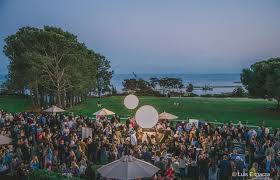
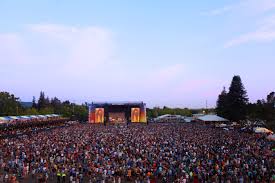
California Wine Festival
California, USA
Annual Dana Point: Apr 24–25; Santa Barbara: Jul 17–18; Huntington Beach: Oct 16–17
California offers an unparalleled wine tourism experience that showcases its diverse landscapes and rich cultural heritage. From the sun-drenched vineyards of Napa Valley, famed for its Cabernet Sauvignon, to the cool coastal elegance of Sonoma County's Pinot Noir, this region invites exploration. Discover the lesser-known wine trails of Paso Robles, known for its robust Zinfandel and Rhône varietals, or savor the unique terroir of Santa Barbara's Chardonnays and Syrahs. Each winery visit promises a taste of the local passion, making your journey through California's wine regions truly memorable.
From Napa's Cabernets to Sonoma's Pinots and Paso Robles' Rhône blends — 200+ bookable wineries across eight major California wine regions, rated 4.9/5 by travelers.
California produces 90% of America's wine and is home to more than 6,200 wineries spread across 152 AVAs (American Viticultural Areas). From the luxury estates of Napa Valley to the rugged vineyards of Mendocino and the coastal tasting rooms of Santa Barbara County, California offers more diversity than any wine destination in the United States.
On WineTourism.com, travelers can book tastings and wine tours across California's major wine regions — including Napa, Sonoma, Paso Robles, Santa Barbara, Livermore Valley, Temecula, and beyond. Whether you're planning a first wine weekend or a multi-region road trip, California has a wine region that fits every budget and travel style.
Check out Wine Tastings & Tours in California Wine Region.
Discover California Wine Region through our travel guide:
Wineries to visit in California
The 4 regions span the length of the state, roughly:
Napa Valley is California's most famous wine region and the benchmark for American Cabernet Sauvignon. Compact and easy to navigate, Napa packs more than 400 wineries into a valley just 30 miles long. Highway 29 and the Silverado Trail connect polished tasting rooms, Michelin-starred restaurants, and some of the most recognized wineries in the world.
Signature wines include Cabernet Sauvignon, Chardonnay, Merlot, and Bordeaux-style blends. Napa is especially popular with first-time visitors because wineries are close together and hospitality infrastructure is excellent.
Notable wineries to feature include Robert Mondavi Winery, Stag's Leap Wine Cellars, Opus One, Duckhorn Vineyards, Castello di Amorosa, and Domaine Carneros. Tastings generally range from $50–100 and reservations are recommended year-round, especially on weekends.
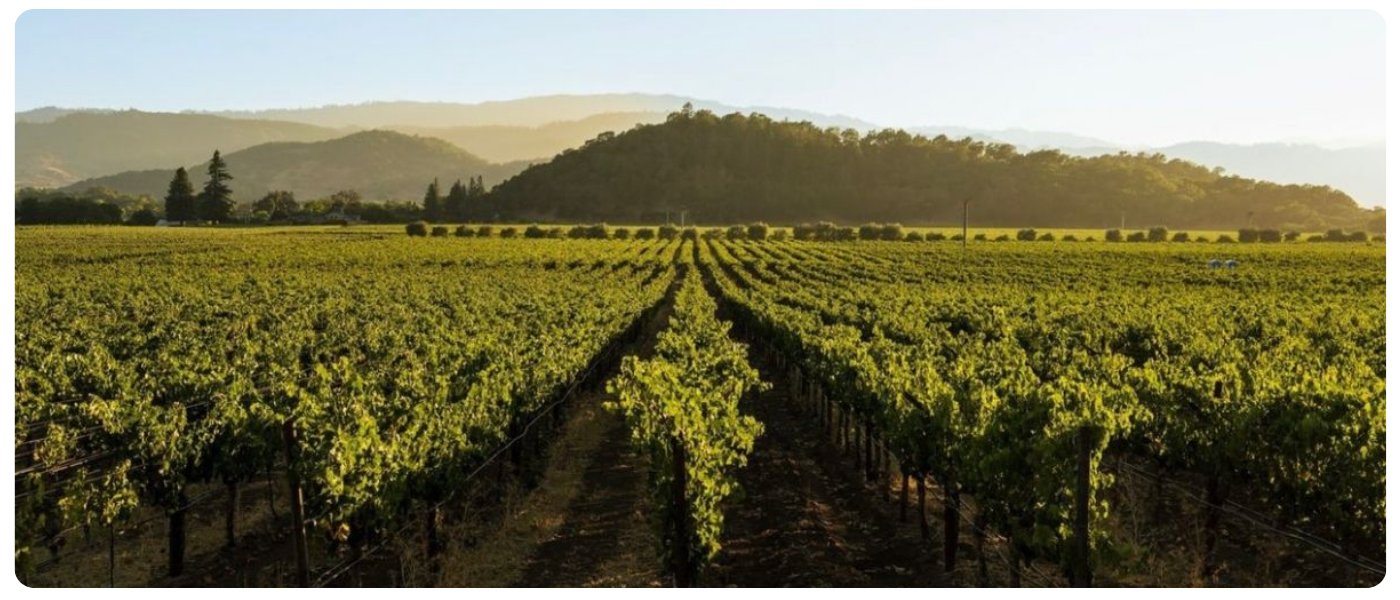
Sonoma County is twice the size of Napa and offers a more laid-back wine experience with greater diversity in both scenery and grape varieties. From the cool Pacific-influenced vineyards of the Russian River Valley to the rolling hills of Dry Creek Valley, Sonoma is ideal for travelers who want flexibility and variety.
Pinot Noir and Chardonnay dominate the cooler western areas, while Zinfandel and Cabernet Sauvignon thrive inland. Sonoma also has a strong sparkling wine culture and a growing natural wine scene.
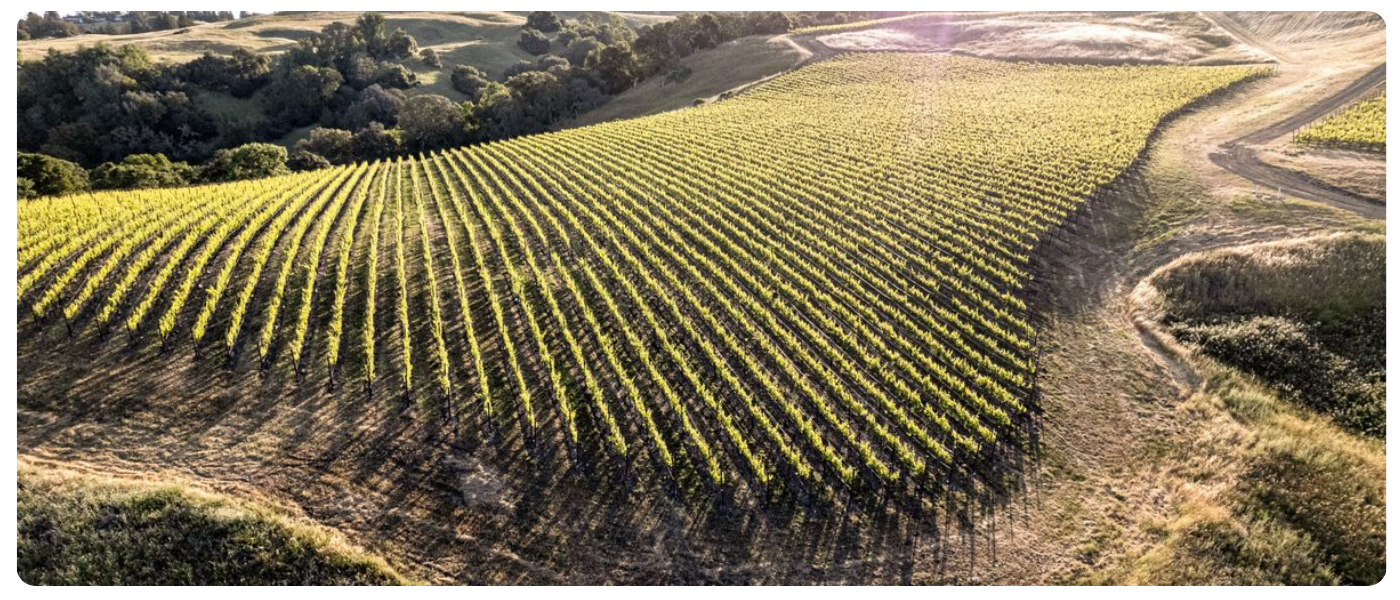
Paso Robles has become one of California's fastest-growing wine destinations thanks to its combination of high-quality wines, relaxed hospitality, and comparatively affordable tastings. Located midway between Los Angeles and San Francisco, the region is known for Rhône-style blends, bold Cabernet Sauvignon, and old-vine Zinfandel.
The area has more than 200 wineries spread across rolling hills and oak-studded countryside. Visitors can expect a more informal atmosphere than Napa, with many boutique producers offering personal tastings hosted by owners or winemakers.
Featured wineries can include DAOU Vineyards, Tablas Creek Vineyard, Justin Vineyards & Winery, Austin Hope Winery, Eberle Winery, and Booker Vineyard. Tasting fees generally range from $20–40, making Paso Robles one of California's best-value wine regions.
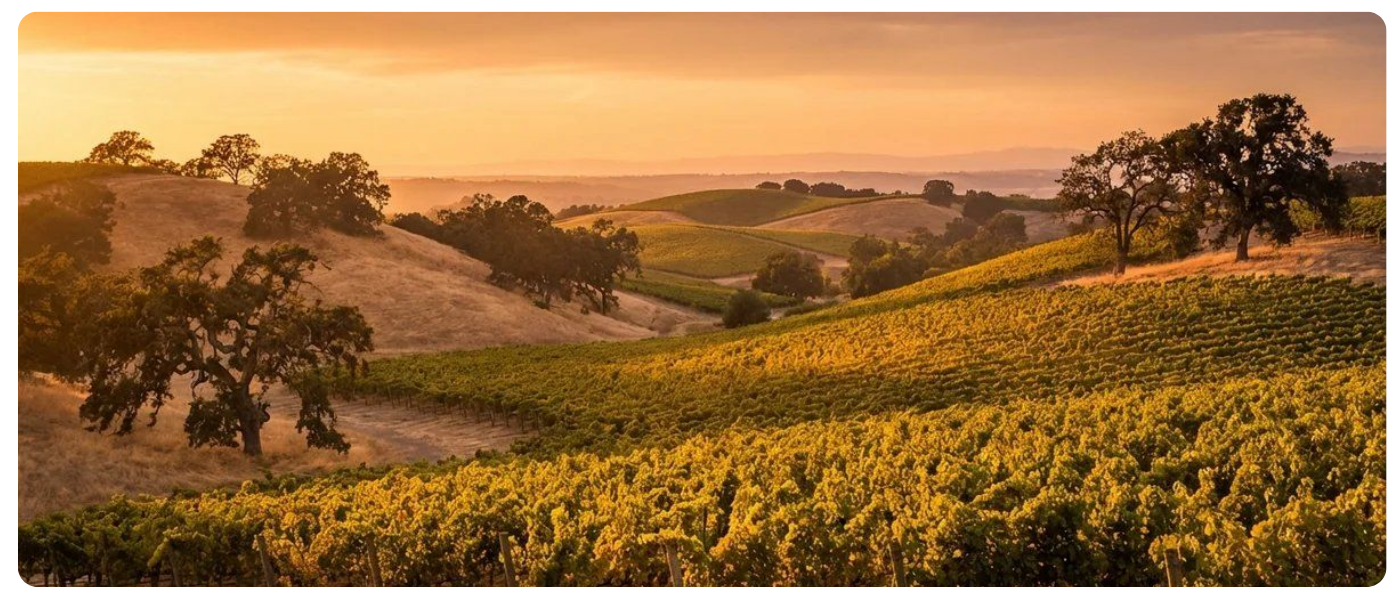
Santa Barbara County combines dramatic coastal scenery with some of California's best cool-climate wines. Ocean breezes flowing through east-west valleys create ideal growing conditions for Pinot Noir and Chardonnay, particularly in the Sta. Rita Hills AVA.
The region became internationally famous after the movie Sideways, but it still feels less crowded than Napa or Sonoma. Tasting rooms cluster around Los Olivos, Solvang, and Buellton, making it easy to explore multiple wineries in one day.
Recommended wineries include Sanford Winery, Au Bon Climat, Foxen Vineyard & Winery, Fess Parker Winery, Melville Winery, and Stolpman Vineyards. Tastings usually cost $25–50, and many wineries pair excellent wines with scenic vineyard views.
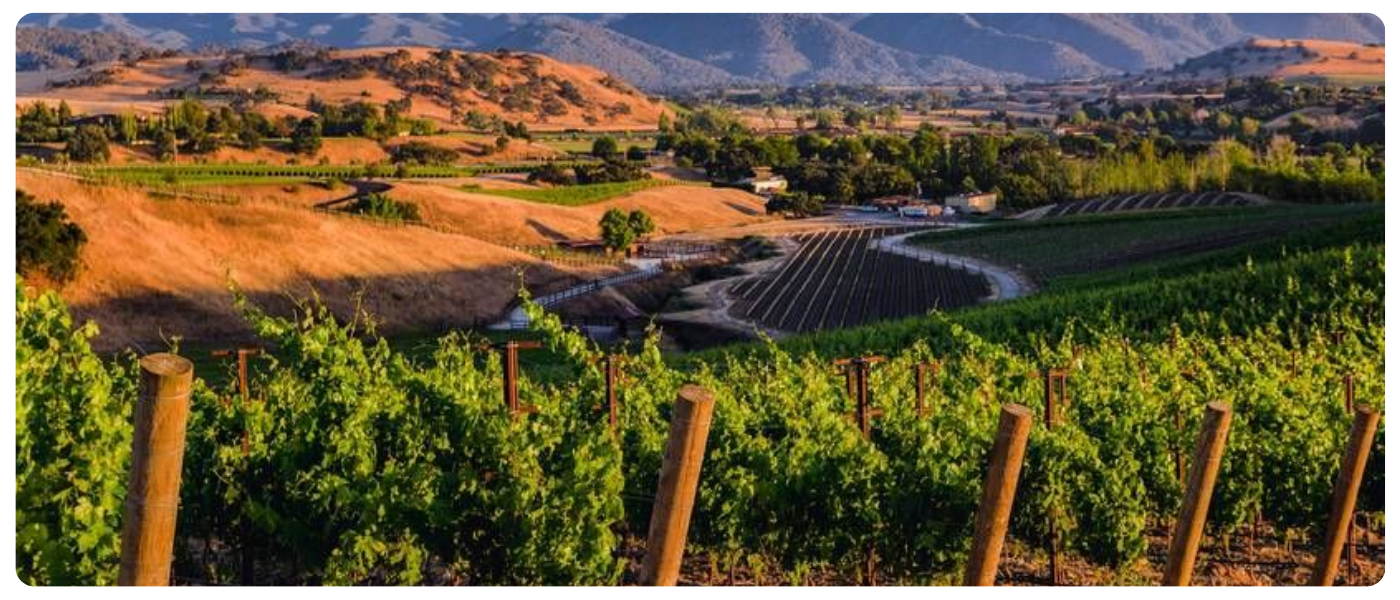
Mendocino County is California wine country at its most rugged and scenic. Cooler temperatures and fewer crowds make it ideal for travelers seeking a quieter experience focused on Pinot Noir, sparkling wine, and aromatic white varieties.
Anderson Valley is the region's best-known AVA, producing elegant Pinot Noir and some of the country's top sparkling wines. Sustainable and organic farming are especially common here, and many wineries emphasize small-production wines.
Notable wineries include Roederer Estate, Navarro Vineyards, Handley Cellars, Goldeneye Winery, Lula Cellars, and Pennyroyal Farm. Tasting fees remain relatively affordable at $20–40, and reservations are often easier to secure than in Napa or Sonoma.
California has more than 100 AVAs in total. The below are the most visited and most commercially significant.
| AVA | Region | Signature grape | Climate | Closest city |
|---|---|---|---|---|
| Napa Valley | North Coast | Cabernet Sauvignon | Mediterranean | San Francisco (1 h) |
| Sonoma County | North Coast | Pinot Noir, Chardonnay, Zinfandel | Cool coastal / warm inland | San Francisco (1 h) |
| Russian River Valley | North Coast | Pinot Noir, Chardonnay | Cool, fog-influenced | Santa Rosa |
| Alexander Valley | North Coast | Cabernet Sauvignon | Warm inland | Healdsburg |
| Dry Creek Valley | North Coast | Zinfandel | Mediterranean | Healdsburg |
| Mendocino County | North Coast | Pinot Noir, Zinfandel | Cool coastal | San Francisco (2 h) |
| Anderson Valley | North Coast | Pinot Noir, Sparkling | Cool coastal | San Francisco (2.5 h) |
| Paso Robles | Central Coast | Cabernet, Zinfandel, Rhône blends | Hot days, cool nights | San Luis Obispo (45 min) |
| Santa Barbara County | Central Coast | Pinot Noir, Chardonnay | Cool coastal | Los Angeles (2 h) |
| Sta. Rita Hills | Central Coast | Pinot Noir | Cool, transverse valleys | Santa Barbara |
| Monterey | Central Coast | Pinot Noir, Chardonnay | Cool coastal | San Francisco (2 h) |
| Livermore Valley | SF Bay | Cabernet, Chardonnay | Mediterranean | San Francisco (45 min) |
| Lodi | Central Valley | Old-vine Zinfandel | Hot Mediterranean | Sacramento (45 min) |
| Sierra Foothills | Central Valley | Zinfandel, Rhône varieties | Continental, elevation | Sacramento (1 h) |
| Temecula Valley | South Coast | Cabernet, Syrah, Viognier | Warm Mediterranean | San Diego (1 h) |
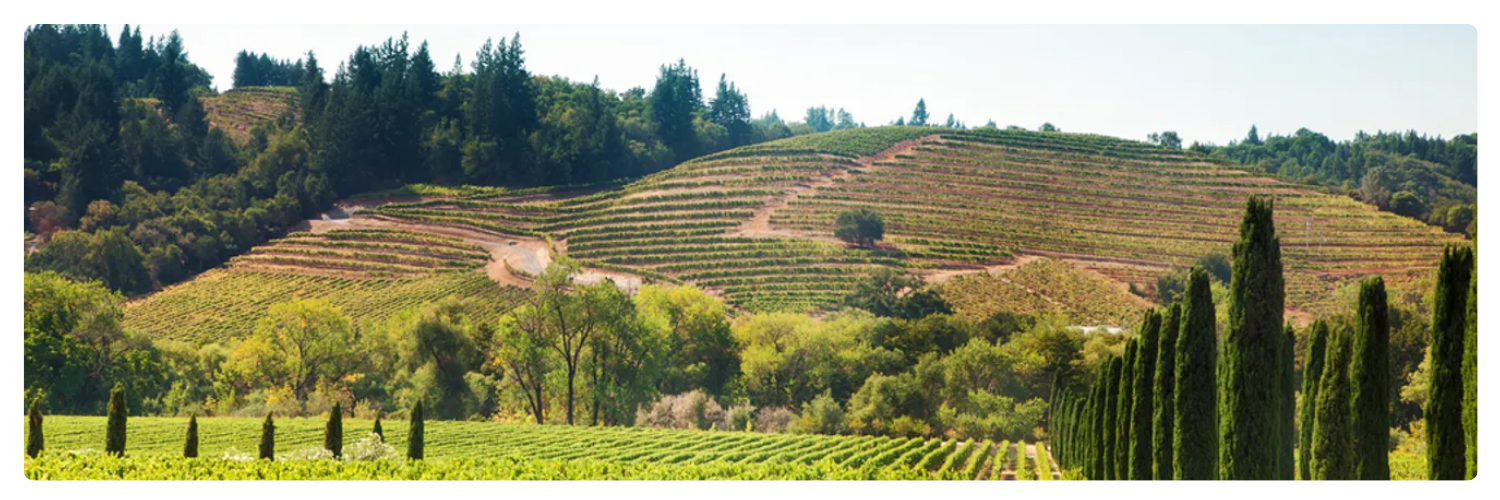
California's warm, sunny climate ripens grapes fully and supports more than 100 grape varieties. The most planted are:
| Grape | Approx. acreage | Style |
|---|---|---|
| Cabernet Sauvignon | ~91,000 acres | Red; full-bodied, structured, age-worthy |
| Chardonnay | ~94,000 acres | White; from richly oaked to crisp unoaked |
| Pinot Noir | ~47,000 acres | Red; light to medium, cool-climate elegance |
| Zinfandel | ~41,000 acres | Red; ripe, jammy, peppery — California's signature variety |
| Merlot | ~36,000 acres | Red; soft, plummy, often blended |
| French Colombard | ~22,000 acres | White; widely used in mass-market blends |
| Sauvignon Blanc | ~14,000 acres | White; fresh, citrus, sometimes oaked as Fumé Blanc |
Acreage figures are approximate; verify with current California Department of Food and Agriculture data before publishing.
California-style red wines are typically fruit-forward, medium to full-bodied, with firm tannins and ageing potential of 5–15 years for premium examples.
California-style white wines range from richly oaked Chardonnays with butter, vanilla and tropical fruit notes to crisp, unoaked Sauvignon Blancs and minerally cool-climate Chardonnays.
A note on sparkling wines: significant sparkling production happens in California, especially in cool-climate AVAs like Anderson Valley and the Russian River Valley. Major French Champagne houses — Moët & Chandon (Domaine Chandon), Taittinger (Domaine Carneros), and Roederer (Roederer Estate) — established California outposts decades ago.
The best months for California wine travel are April through October. Spring offers green vineyards and mild temperatures, while harvest season (August–October) brings the most energy and activity to wineries. Harvest is exciting but also the busiest period, so reservations become essential.
Three days is ideal for Napa or Sonoma alone. If combining multiple regions, plan at least five to seven days. California distances are larger than many first-time visitors expect.
Most California tasting fees range from $20–100 depending on the region and winery prestige. Napa is the most expensive, while Sierra Foothills and Livermore remain comparatively affordable. Many wineries waive tasting fees with bottle purchases.
Reservations are now standard at premium wineries, especially in Napa and Sonoma. Book two to four weeks ahead for weekends, harvest season, and holiday periods.
California DUI laws are strict. If visiting multiple wineries in one day, hire a driver, join a guided tour, or use local transportation services instead of driving yourself.
1980s onward — AVAs and globalization. California's American Viticultural Area system was established in 1978. The state now has over 100 AVAs and produces approximately 85% of all US wine.
Discover the locations of wineries in California
California, USA
Annual Dana Point: Apr 24–25; Santa Barbara: Jul 17–18; Huntington Beach: Oct 16–17
Join our newsletter now to receive our free guide on how to plan the perfect wine tour