
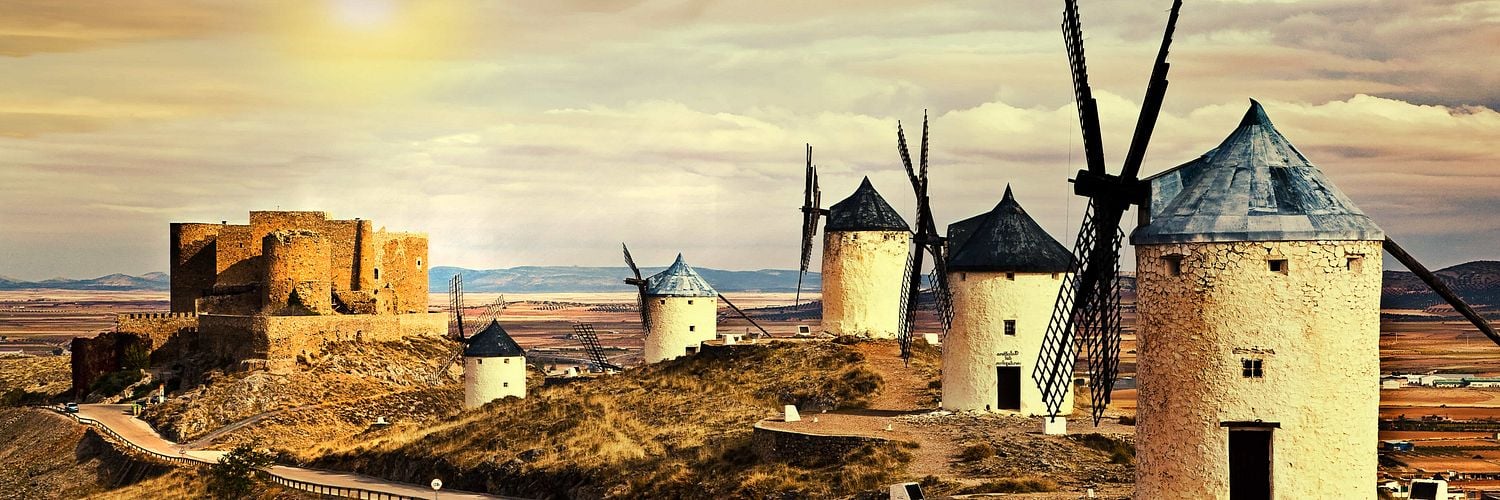
La Castiglia-La Mancia invita gli amanti del vino a scoprire i suoi vasti vigneti, dove prosperano vitigni autoctoni come Airén, Tempranillo e Garnacha. Questa regione offre un mosaico di esperienze enologiche, dalle pianure baciate dal sole alle pittoresche cittadine di Valdepeñas e Almansa, ognuna con opportunità di degustazione uniche. Immergetevi nella cultura locale esplorando cantine a conduzione familiare e assaporando vini eccezionali che riflettono magnificamente il patrimonio e la diversità del terroir.
The Tablas de Daimiel National Park is a wetland area that is home to a wide variety of bird species, including flamingos, herons, and ducks. It is the largest lagoon in Spain and is a haven for birdwatchers and nature enthusiasts. Visitors can explore the park on foot or by boat and enjoy the peaceful and serene atmosphere of this unique natural landscape.
The gastronomy of Castilla-La Mancha is rich and diverse, with a focus on traditional dishes and local ingredients. The region is known for its hearty and flavorful cuisine, influenced by its agricultural heritage and the use of local products.
Some of the traditional dishes of Castilla-La Mancha include:
Castilla-La Mancha is known for its wine production, with several wine regions within the area. The region produces a wide variety of wines, including reds, whites, and rosés. Some of the most famous wines from Castilla-La Mancha include those from the Valdepeñas and La Mancha DOs.
In addition to wine, the region is also known for its spirits, including aniseed-flavored liqueurs such as Anís del Mono and Herbero.
Castilla-La Mancha is also known for its local products, which include:
These are just a few examples of the rich gastronomy of Castilla-La Mancha. Exploring the local markets and trying traditional dishes is a must for any food lover visiting the region.
Castilla-La Mancha wine region offers a unique blend of history, culture, and natural beauty. From its charming towns and cities to its stunning landscapes and delicious gastronomy, there is something for everyone to enjoy in this region. Whether you are a wine lover, a history buff, or simply looking to immerse yourself in the beauty of the Spanish countryside, Castilla-La Mancha is a destination worth exploring.
So pack your bags and get ready to discover all that Castilla-La Mancha has to offer!
Check out Wine Tastings & Tours in Castilla-La-Mancha wine region.
Per coloro che amano l'osservazione degli uccelli, la Sierra de Cabras è il luogo perfetto, dove è possibile osservare una vasta gamma di uccelli rari come il falco pellegrino, l'aquila reale e il rarissimo tordo rupestre. L'elenco degli uccelli che abitano la catena montuosa è infinito. La Sierra de Cabras si trova all'ingresso della provincia di Albacete tra Jaén, Granada e Murcia, ed è circondata da montagne di grande magnitudine. Le viste sulla catena montuosa ti lasceranno senza fiato e la sua vetta è qualcosa da ammirare.
Situata quasi al centro della Spagna continentale, Castilla-La Mancha e la sua cucina sono una scoperta molto apprezzata per il viaggiatore. La cucina di questa regione è composta da una grande varietà di piatti tradizionali, robusti ma semplici, preparati con ingredienti elementari come pane, carne e verdure. Questi piatti sono accompagnati da una vasta gamma di vini, formaggi di pecora e dolci, trasportando il commensale all'epoca di Don Chisciotte e del suo fedele Sancho.
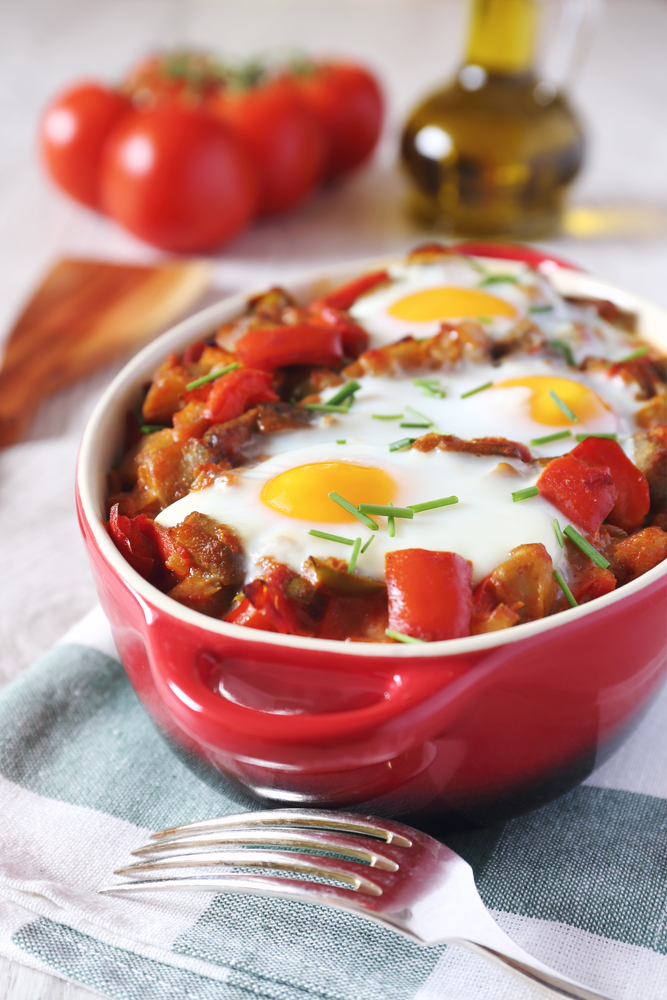
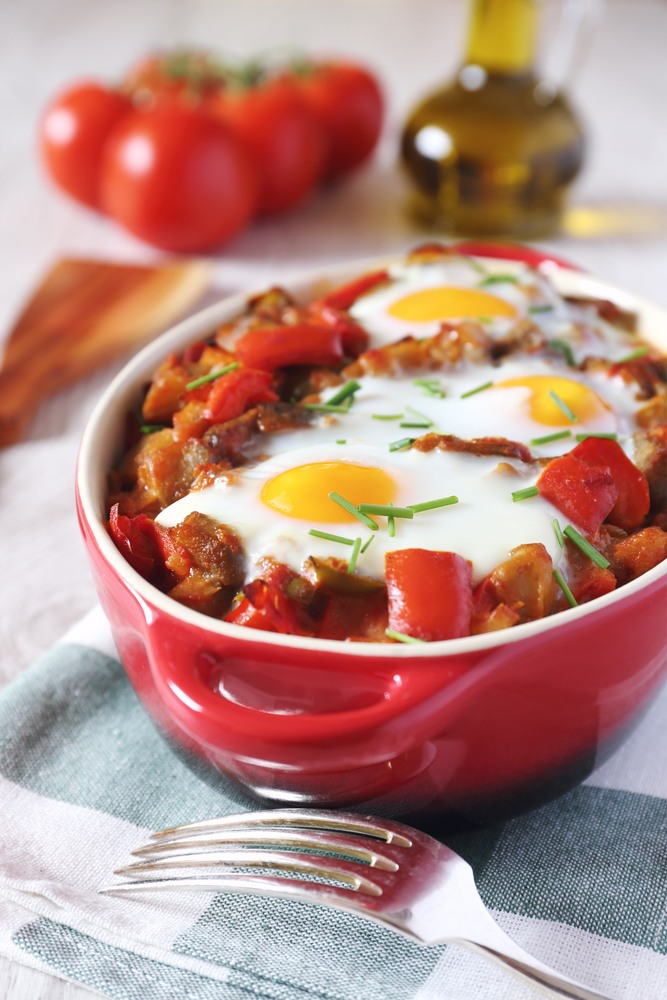
Questo piatto sostanzioso è un favorito nelle case degli spagnoli. È un piatto perfetto perché combina la tradizionale ratatouille con un uovo per creare un piatto ricco e nutriente che è semplice da preparare. Il modo più conosciuto per preparare il piatto è fare la ben nota ratatouille di verdure e poi aggiungere le uova al piatto per renderlo ancora più ricco e completo.
Il nome di questo piatto si traduce direttamente in "qualcosa che blocca la strada di un asino" ed è uno dei piatti tipici mancheghi più conosciuti. Il piatto è fatto di patate schiacciate con merluzzo, uova e noci ed è un pasto popolare tra i pastori della regione di La Mancha. Spesso viene mangiato nel tentativo di contrastare il freddo amaro delle pianure durante l'inverno. Si chiama atascaburras perché la gente del posto crede che quando la forchetta o il mortaio schiacciano le patate, emetta un rumore simile a quello degli zoccoli di un asino quando sono bloccati nel fango.
Bizcochada è un piatto tradizionale della regione di La Mancha, che viene preparato infondendo prima il latte con scorza di limone e cannella. Questa miscela viene poi versata sui tipici dolci alcazar (tipici dolci spugnosi) e messa in frigorifero per permettere al dolce di assorbire i deliziosi sapori del latte.
La regione vinicola di Castilla-La Mancha si trova nel cuore della Spagna. All'interno della regione di Castilla-La Marcha si trovano le città di Albacete, Ciudad Real, Cuenca, Guadalajara e Toledo. Questa regione vinicola è delimitata da Madrid, Castiglia e León, Valencia, Aragona, Murcia, Andalusia ed Estremadura.
Ci sono quattro principali sottoregioni in Castilla-La Mancha descritte come IGPS, queste sono Castilla, Gálvez, Sierra de Alvarez e Pozohondo.
Nove denominazioni dividono la regione di Castilla-La Mancha: La Mancha, Manchuela, Uclés, Méntrida, Ribera del Júcar, Jumilla, Mondéjar, Valdepeñas e Almansa DOs.
Airen e Macabeo sono le principali varietà di uva coltivate in Castilla-La Mancha. Oltre a queste due, Tempranillo, Cabernet Sauvignon, Garnacha, Garnacha Tintorera, Monastrell, Syrah e Bobal compongono anche una grande parte dei blend della regione.
I blend bianchi con l'uso di Macabeo sono sicuramente un'esperienza da provare quando si visita Castilla-La Mancha. Questo vitigno è un gioiello della DO La Mancha e produce vini bianchi leggeri e freschi.
I vini Tempranillo di Castilla-La Mancha spesso presentano aromi di frutti rossi maturi e bacche, talvolta con note di fiori bianchi, di solito con tannini morbidi.
Scopri le posizioni delle cantine in Castiglia la Mancia
Iscriviti subito alla nostra newsletter per ricevere la nostra guida gratuita su come pianificare il tour del vino perfetto