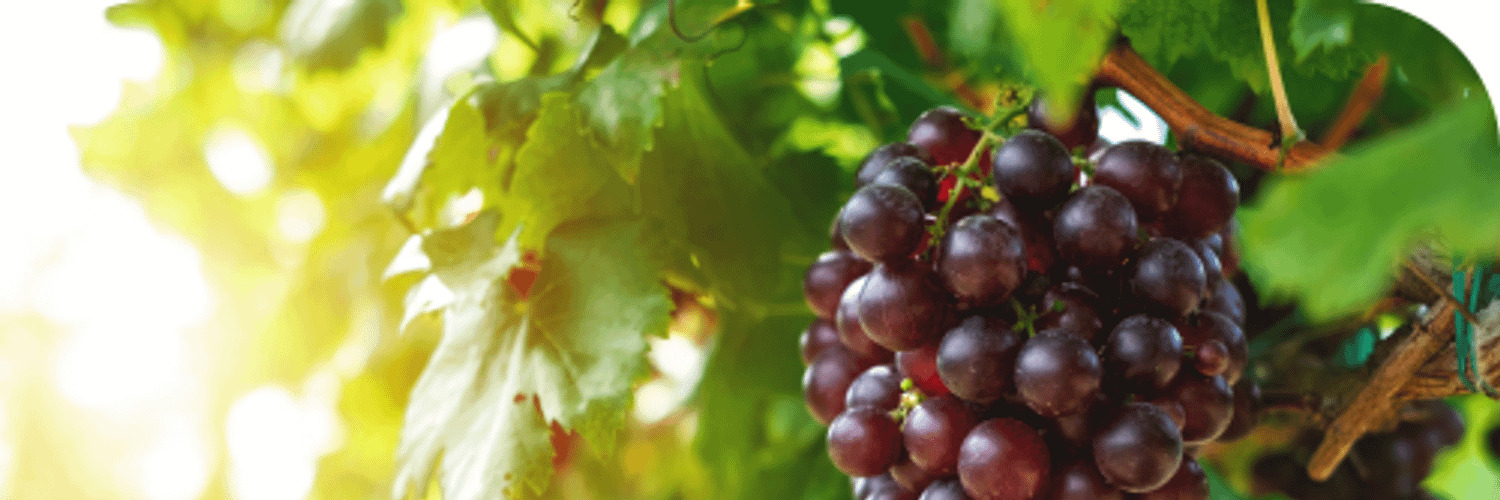

Mourvèdre, a captivating red grape varietal, exudes its charm predominantly in the Mediterranean vineyards. Native to Spain, it thrives in arid climates, ripening late and revealing its full splendor. Also known as Monastrell in Spain and Mataro in Australia, this grape boasts thick-skinned berries that contribute to wines of intense color, robust tannins, and enchanting depth. Mourvèdre's profile features dark fruit flavors like blackberry and plum, often mingling with intriguing notes of spices, leather, and a touch of wildness. Resilient and adaptable, Mourvèdre finds a home in blends, such as the famed GSM trio (Grenache, Syrah, Mourvèdre). The grape's captivating journey from the sun-soaked Mediterranean to global wine landscapes mirrors its ability to craft wines of distinctive character, embodying the essence of the regions it calls home.

Where is Mourvèdre from?
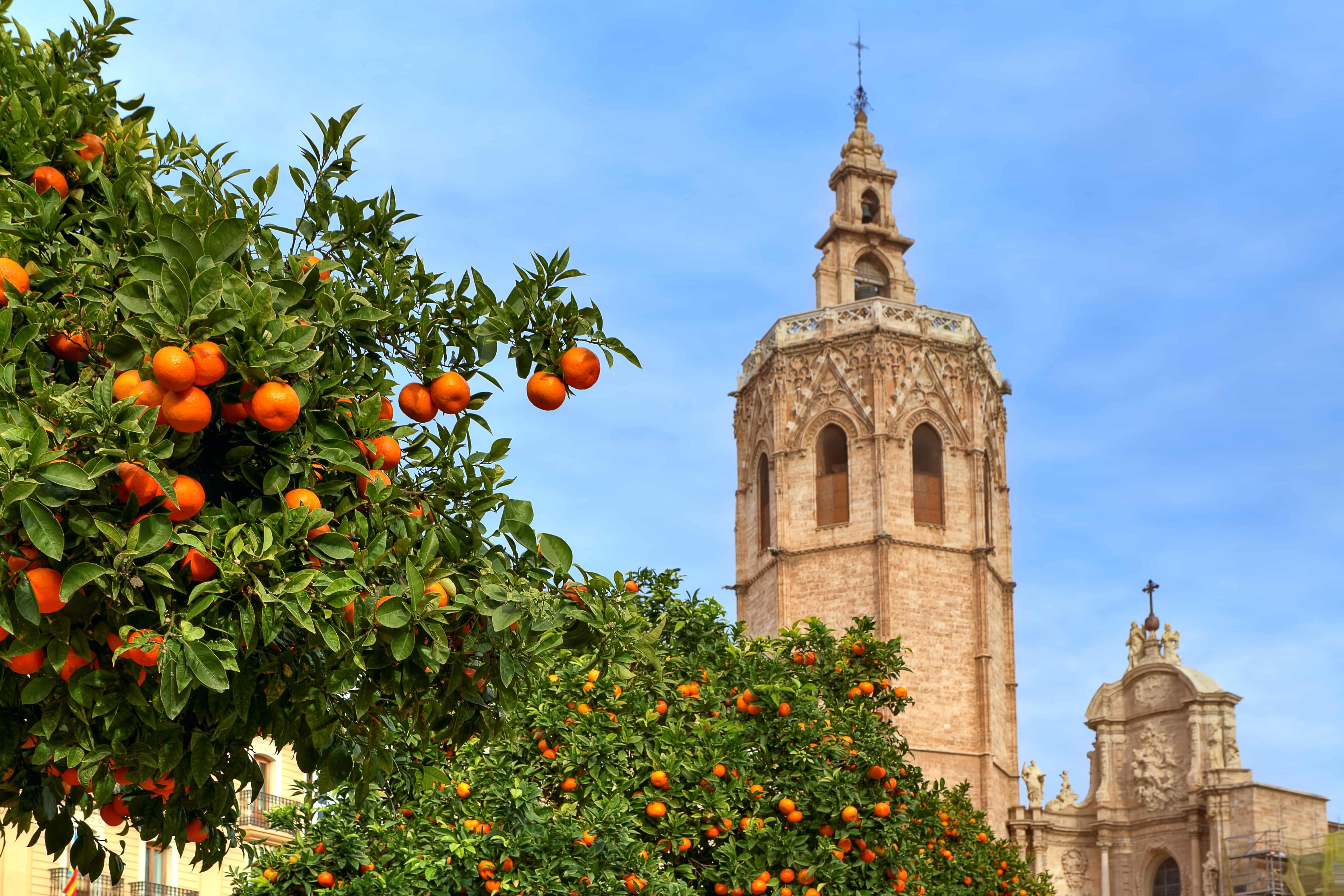
Mourvèdre has its roots deeply embedded in Spain, specifically in the Mediterranean region. Originating in the province of Valencia, it has thrived for centuries under the Iberian sun. This robust grape variety has, over time, embarked on a global journey, adapting to diverse terroirs and climates.
In Spain, especially in regions like Jumilla, Yecla, and Alicante, Monastrell reigns supreme, crafting wines that reflect the arid Spanish landscapes. Across the Mediterranean, in France, it finds a home in the iconic appellation of Bandol, where it produces structured and age-worthy reds. Venturing down under, Australia embraces Mourvèdre under the name Mataro, particularly in regions like Barossa Valley and McLaren Vale, where it often becomes part of the famed GSM blend.
The United States, notably California and Washington State, showcases Mourvèdre's adaptability to different American soils. Beyond these key regions, Mourvèdre has made appearances in Italy, South Africa, and Israel, demonstrating its enduring allure on the global viticultural stage. This grape's journey is a testament to its resilience, versatility, and capacity to paint distinctive portraits of terroir across continents.
The Grape of Many Names
Mourvèdre is a grape with a bit of an identity adventure. Depending on the region you're in, this grape goes by different names, adding an air of mystery to its story. In its Spanish home, it's known as "Monastrell," while in Australia, it's called "Mataro." And if that's not enough, it even has yet another name, "Mataró," which is used in parts of California. It's like the grape wanted to keep us guessing! Each name reflects the grape's journey across continents and cultures, showcasing its ability to adapt and flourish wherever it's planted. So, when you're sipping a wine made from Mourvèdre, you're enjoying a grape with a global identity that spans the wine world. Cheers to the grape of many names and many flavors!
Terroir for Mourvèdre
Mourvèdre's ideal terroir revolves around warm and arid climates that suit its late-ripening nature. The grape thrives in regions with abundant sunlight, aiding its gradual maturation and development of complex flavors. Well-draining soils, such as sandy, gravelly, or rocky compositions, are vital to prevent excessive water retention, which can lead to diluted wines.
Coastal regions offer a balancing act: the cooling maritime influence counteracts excessive heat, maintaining acidity and preserving aromatic compounds. Inland areas, with their slightly higher temperatures, allow Mourvèdre to achieve full ripeness, resulting in wines with deep color and rich flavors.
While the grape can endure drought conditions, some water availability is necessary to sustain vine health. Regions that experience a balance between water stress and controlled irrigation often yield the best results.
Prominent regions for Mourvèdre cultivation include Spain's arid landscapes like Jumilla and Yecla, Bandol in France with its maritime influence, and Australia's warm Barossa Valley. Mourvèdre's adaptability allows it to paint vivid expressions of its terroir, showcasing the nuanced interplay between climate, soil, and vine.
Mourvèdre Wines
Mourvèdre produces a diverse range of wines that reflect its adaptability to different climates and winemaking styles. In warm climates, it yields robust red wines with a deep, almost opaque color and rich tannins. These wines often showcase dark fruit flavors like blackberry, plum, and black cherry, accompanied by notes of spices, leather, and earthiness. The grape's thick skin contributes to wines with excellent aging potential, allowing them to evolve and develop complex secondary aromas over time.
In regions with slightly cooler climates, Mourvèdre can produce wines that balance ripe fruit with vibrant acidity. These wines tend to exhibit more elegance, with red fruit notes and a touch of floral character. In some instances, Mourvèdre is used to create rosé wines with refreshing acidity and flavors of red berries and citrus.
Mourvèdre is also a prized blending component, often found in blends like the classic GSM (Grenache, Syrah, Mourvèdre), where it adds structure, depth, and complexity. Its ability to contribute distinct flavors, bold tannins, and aromatic intensity makes Mourvèdre a versatile grape that leaves its mark in a variety of wine styles.
What to Pair with Mourvèdre
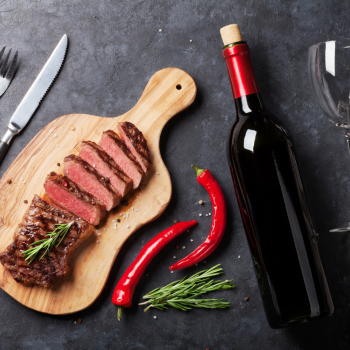
Grilled meats like succulent lamb chops or hearty steaks find an ideal partner in Mourvèdre, as its bold flavors harmonize with the charred notes of the grill.
For lovers of barbecue, the wine's smoky and spicy undertones beautifully complement dishes such as ribs or pulled pork, creating a symphony of flavors. Its earthy nuances make it a natural companion to game meats like venison or duck, adding depth to the dish's richness.
When exploring Mediterranean cuisine, consider dishes like ratatouille, grilled eggplant, or olive tapenade to match the wine's rustic charm. Its intensity also makes it a match for spicy fare, whether it's a flavorful curry or a dish with a kick of chili.
Where to find the best Mourvèdre
61f3d89b62dca.png)
Valencia
Here are some wineries in Valencia where you can taste the best Mourvèdre:
Provence
Here are some wineries in Provence where you can taste the best Mourvèdre:
- Domaine La Suffrène
- Château Constantin
- Vignoble Rasse


