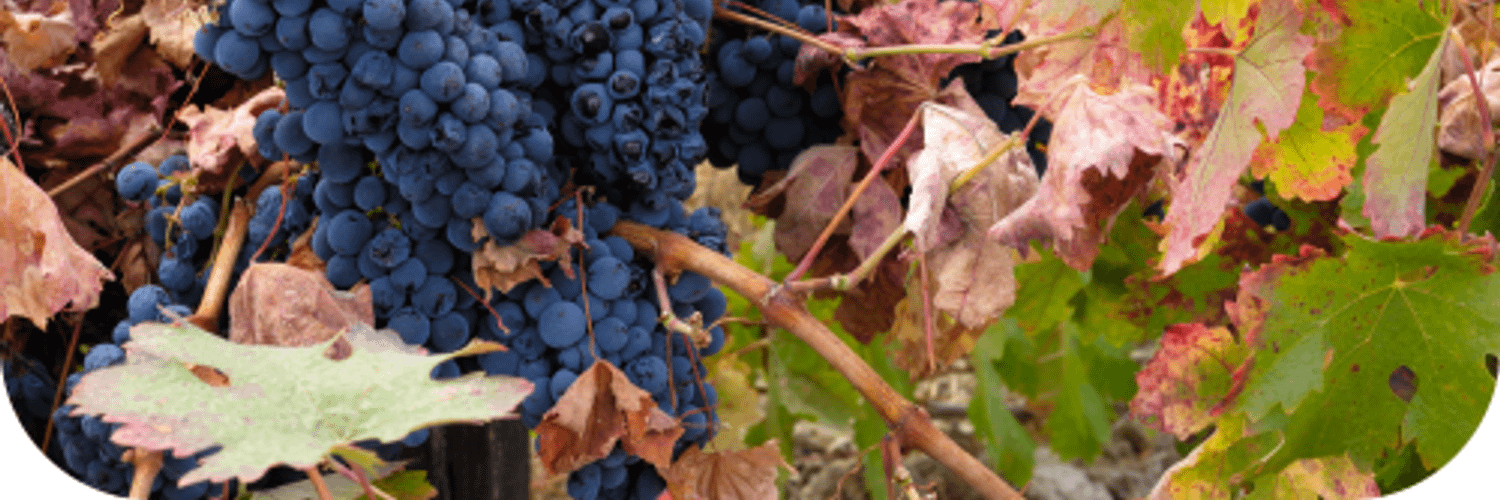

Petit Verdot, a captivating and distinctive red grape variety, plays a unique and intriguing role in the world of winemaking. Originally hailing from the Bordeaux region of France, it's often referred to as the "hidden gem" due to its historical use as a blending component, adding depth and intensity to Bordeaux blends. With small, thick-skinned berries, Petit Verdot contributes intense color and concentrated flavors to wines. Known for its late ripening, it thrives in warm climates where it can fully develop its complex profile of dark fruits, violet florals, and hints of spice and pepper. While historically an enhancer in blends, some regions, particularly in New World wine regions like California, Australia, and South America, showcase Petit Verdot as a varietal star, allowing its unique characteristics to shine. Its ability to bring depth, color, and aromatic complexity makes Petit Verdot an intriguing and often unexpected delight for wine enthusiasts seeking something beyond the ordinary.

Where is Petit Verdot from?
Originating from the Bordeaux region of France, Petit Verdot has a storied history deeply intertwined with the prestigious Bordeaux blends. Its name, translating to "little green," alludes to its late ripening nature. Traditionally used as a blending grape in Bordeaux wines, it imparts intense color and concentrated flavors, elevating the overall complexity. While still cherished in its homeland, Petit Verdot's allure has transcended borders, finding new homes in diverse wine regions across the globe. New World wine regions have embraced its potential, with California's Napa Valley and Australia's Margaret River exploring its varietal expression, crafting wines that highlight its intriguing characteristics. In Argentina and Chile, Petit Verdot contributes to complex blends, while Spanish and South African winemakers incorporate them to enhance their offerings. Petit Verdot's journey from Bordeaux to these international landscapes is a testament to its ability to adapt and flourish, enriching wines with its unique personality and enhancing the global wine tapestry.
Interesting Facts about Petit Verdot
The name "Petit Verdot" holds a clue to the grape's history and characteristics. The term "Petit" means "small" in French, and "Verdot" is derived from the word "vert," which means "green." This name references the grape's tendency to ripen late in the growing season, often remaining small and green on the vine longer than other grape varieties. Legend has it that Petit Verdot was once more widely planted in Bordeaux. However, due to its late ripening, it sometimes struggled to achieve full maturity in the region's climate, resulting in wines that could be overly tannic and astringent. As a result, its plantings dwindled, and it earned a reputation as a challenging grape to cultivate. Over time, winemakers realized that Petit Verdot's late ripening could be advantageous in warmer climates, where it could fully develop its rich color and intense flavors without the risk of under-ripeness. This discovery led to its resurgence, especially in New World wine regions, where its unique attributes are now celebrated.
Terroir for Petit Verdot
Petit Verdot thrives in terroirs that cater to its specific needs, ensuring the development of its distinctive character. Its preferences stem from its late-ripening nature and unique attributes, influencing the type of regions where it excels. Warm climates are essential, as they provide the necessary heat accumulation for the grape's prolonged ripening process. This allows Petit Verdot to achieve its full flavor potential, resulting in wines with depth and intensity.
Sunny exposure is another crucial factor. Regions with ample sunlight allow the grape to soak up the energy needed for its physiological processes, ultimately translating into well-developed flavors and colors. Additionally, well-draining soils, such as sandy or gravelly compositions, are favored. These soil types prevent excessive water retention, a factor that could dilute the grape's flavors and compromise its quality.
Moderate water availability strikes a balance; while Petit Verdot can endure drought conditions, some water is necessary to support the vine's health. However, regions with excessive rainfall risk disease and dilution of flavors. The grape's late ripening window necessitates regions with extended growing seasons. This enables Petit Verdot to reach optimal maturity before harvest, ensuring that its tannins, aromatics, and flavors are fully developed.
Popular Petit Verdot Wines
Petit Verdot produces wines that are known for their intensity, depth, and bold characteristics. While often used as a blending grape to enhance the structure and color of Bordeaux-style blends, Petit Verdot is increasingly being appreciated as a varietal wine in its own right, showcasing its distinct qualities.
As a Blending Component:
In Bordeaux blends, Petit Verdot contributes dark color, vibrant acidity, and robust tannins. Its intense flavors of dark fruits, such as blackberry and plum, add depth and complexity to the blend. The grape's ability to bring structure and ageability to the wines is highly valued, as it enhances the overall balance and aging potential of the blend.
As a Varietal Wine:
When crafted as a standalone varietal wine, Petit Verdot displays its full range of characteristics. The wines often boast a deep, almost inky color, reflecting its thick skins. On the nose, expect aromas of dark fruits, violets, and sometimes hints of spice or tobacco. On the palate, the wines are full-bodied, with firm tannins and intense flavors of black fruits, often accompanied by notes of black pepper, licorice, and earthiness. When well-made, Petit Verdot varietal wines can have a lengthy finish and potential for aging, allowing the flavors and aromas to evolve over time.
What to Pair with Petit Verdot
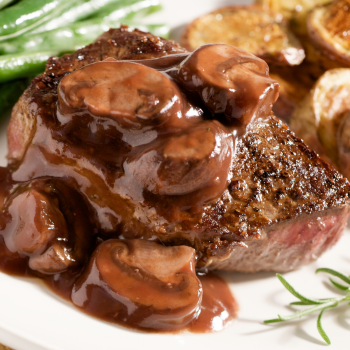
Grilled Meat: The rich tannins and deep flavors of Petit Verdot complement grilled meats like steak, lamb chops, and venison. The wine's robust character can stand up to the charred and smoky notes from the grill, creating a harmonious pairing.
Braised Dishes: Petit Verdot's structure and tannins are well-suited to hearty, slow-cooked dishes like beef stew or short ribs. The wine's intensity can balance the richness of the dish, creating a satisfying contrast.
Spicy Cuisine: The wine's boldness makes it a suitable match for spicier dishes like chili, Cajun cuisine, or dishes with a touch of heat. The wine's flavors can complement and amplify the spices in the food.
Where to find the best Petit Verdot wines
61f3d89b62dca.png)
Bordeaux
Here are some wineries in Bordeaux where you can taste the best Petit Verdot:

California
Here are some wineries in California where you can taste the best Petit Verdot:


