France, the birthplace of wine culture, invites enthusiasts to explore its rich tapestry of wine tourism. From the lush vineyards of Bordeaux, with its expressive Merlot and Cabernet Sauvignon, to the sparkling charm of Champagne’s Pinot Noir and Chardonnay, each region offers a unique story. The sun-kissed slopes of the Rhône Valley and the aromatic fields of Alsace beckon travelers to discover indigenous varieties and artisanal winery experiences. Dive deep into France’s wine heritage and savor the diverse flavors waiting to be uncovered.
Eleven distinct wine regions, more than 27,000 wineries, and 14 centuries of tradition. Plan your French wine trip with bookable tastings rated 4.9/5 by travelers.
France’s wine country at a glance
France is the world’s most influential wine-producing country, both in scale and in cultural impact. It is home to more than 27,000 wineries spread across 11 major wine regions, each defined by its own grapes, climate, and traditions.
From the grand châteaux of Bordeaux to the small family domaines of Burgundy and the world-famous Champagne houses, French wine is built on one core idea: wine should taste like where it comes from.
Across these regions, visitors can experience everything from historic cellar tours to vineyard tastings with winemakers. On WineTourism.com, travelers can book direct tastings at hundreds of wineries across France, with experiences consistently rated 4.9/5 by verified guests.
Check out the list of the best wineries in France to visit during your holidays
France’s wine regions: comparison guide
France’s wine landscape is best understood by comparing its key regions side by side. Each offers a distinct style of wine, travel experience, and ideal season for visiting.
Bordeaux
Signature wines: Cabernet Sauvignon, Merlot blends, Sauternes Best for: Classic château experiences and structured wine estates When to visit: May–October Gateway city: Bordeaux
Bordeaux is defined by its historic châteaux and structured red blends. The left bank is known for Cabernet Sauvignon–dominant wines, while the right bank leans toward Merlot. It’s one of the most polished and estate-driven wine regions in the world.
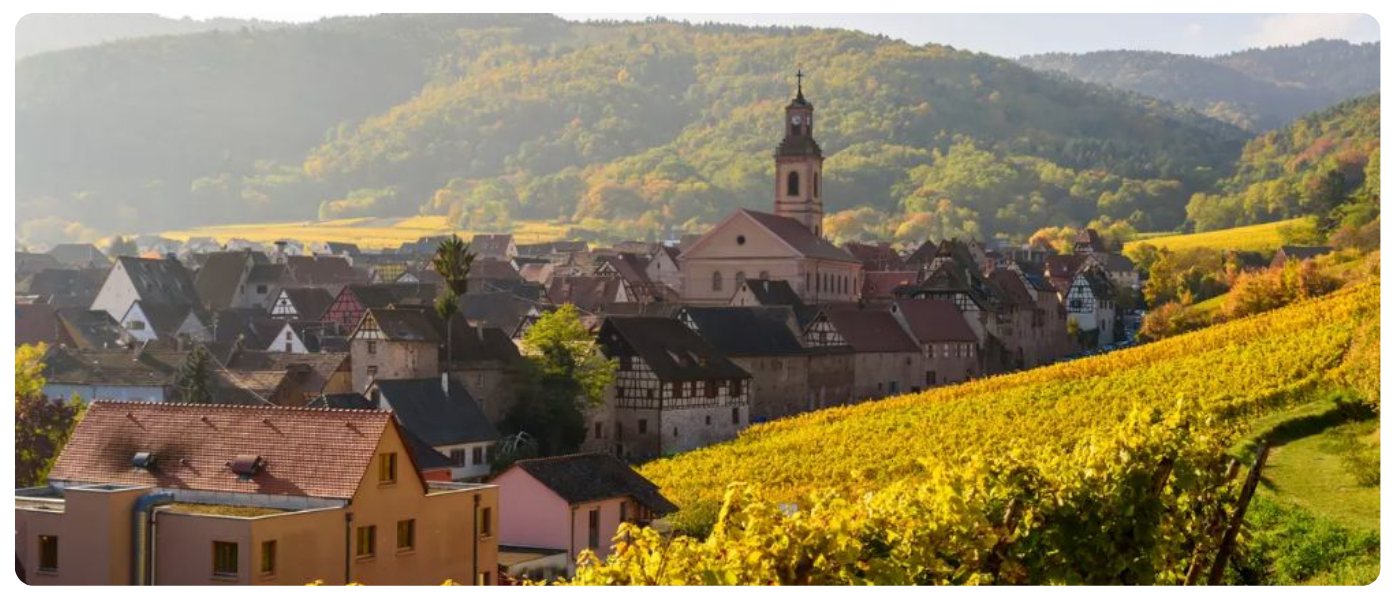
Alsace - The Most Aromatic Region of France Wine Country
Signature wines: Riesling, Gewürztraminer, Pinot Gris Best for: Aromatic whites and picturesque villages When to visit: May–October Gateway cities: Strasbourg, Colmar
Alsace produces some of Europe’s most aromatic white wines. The region blends French and German influences, with vineyard-lined villages and a strong focus on varietal purity.
Languedoc-Roussillon
Signature wines: Mediterranean blends, sweet wines Best for: Value wines and off-the-beaten-path travel When to visit: April–October Gateway cities: Montpellier, Perpignan
One of France’s largest wine regions, Languedoc-Roussillon offers incredible diversity and excellent value. It is ideal for travelers looking beyond the classic regions.
Champagne – The Most Exclusive Bubbles from France
Signature wines: Sparkling wines (Chardonnay, Pinot Noir, Pinot Meunier) Best for: Iconic champagne houses and cellar tours When to visit: April–September Gateway cities: Reims, Épernay
Champagne is the birthplace of the world’s most famous sparkling wine. Visitors can explore historic chalk cellars and major houses or discover smaller growers producing artisanal cuvées.
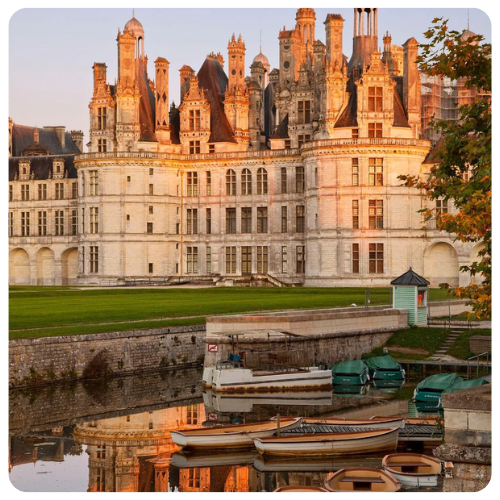
Loire - Along Breathtaking Fairytale Castles
Signature wines: Sauvignon Blanc, Chenin Blanc, Cabernet Franc Best for: Fresh whites, châteaux, and relaxed travel When to visit: May–September Gateway cities: Tours, Angers
The Loire is known for freshness and elegance. From crisp Sancerre Sauvignon Blanc to structured Chenin Blanc and light reds, it is one of the most versatile regions for visitors.
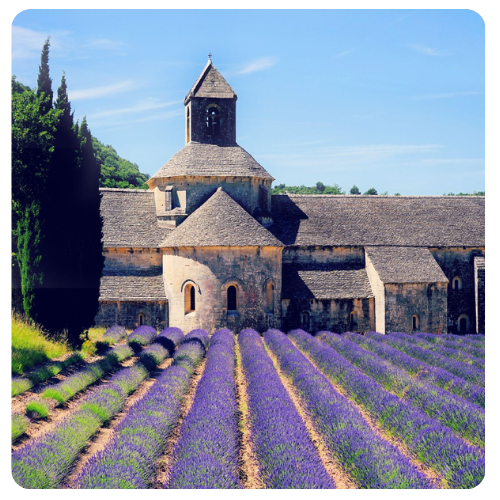
Provence
From here it is almost a stone's throw into the growing area of Provence, which is characterized by e
Signature wines: Rosé, Bandol reds Best for: Rosé culture and Mediterranean wine travel When to visit: April–September Gateway cities: Aix-en-Provence, Marseille
Provence is the global capital of rosé. Sun-soaked vineyards and coastal influences define a relaxed, Mediterranean wine style.
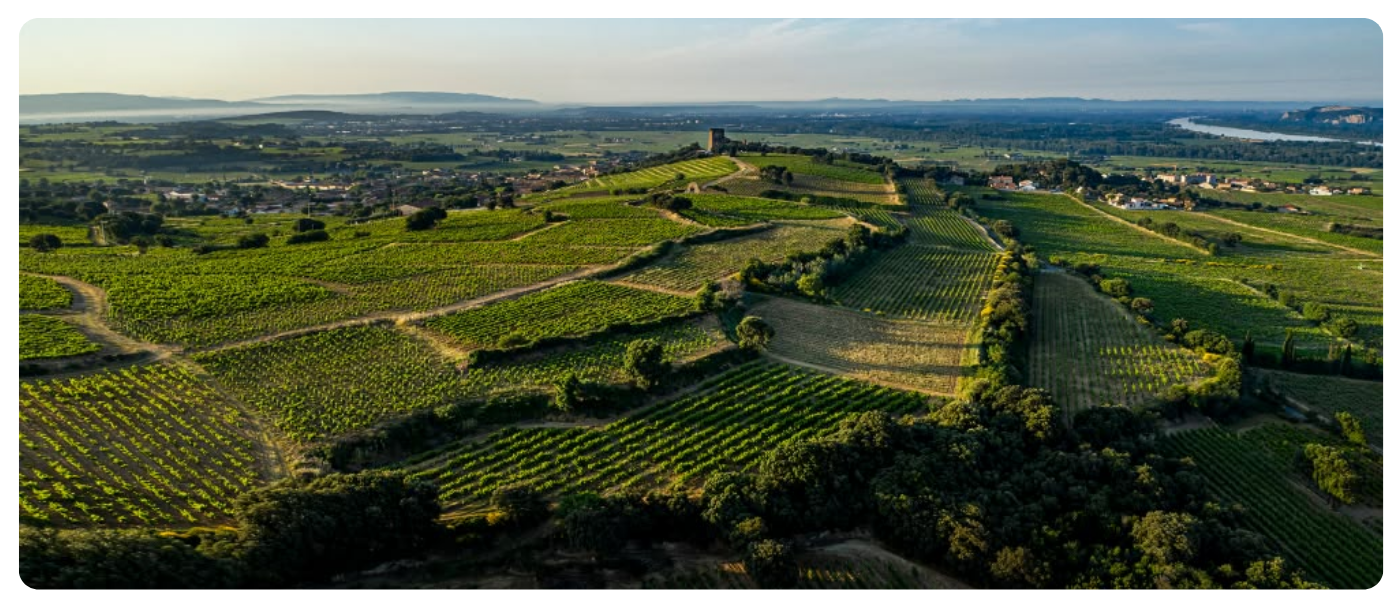
Rhône Valley
Signature wines: Syrah, Grenache blends, Viognier Best for: Bold reds and diverse landscapes When to visit: April–October Gateway cities: Lyon, Avignon
The Rhône Valley offers a dramatic contrast between the structured, peppery wines of the north and the rich, Mediterranean blends of the south. It is one of France’s most diverse wine regions.
In The Realm of Burgundy – The Home to Pinot Noir and Chardonnay
Signature wines: Pinot Noir, Chardonnay Best for: Terroir-driven wines and small producers When to visit: May–October Gateway cities: Beaune, Dijon
Burgundy is all about place. Small vineyard parcels produce dramatically different wines, even within the same village. Pinot Noir and Chardonnay dominate, with a strong focus on precision and vineyard identity.
The Rough Alpine Side of France - Jura and Savoy
Signature wines: Vin Jaune, alpine whites Best for: Niche, advanced wine exploration When to visit: June–September Gateway cities: Arbois, Chambéry
These alpine regions produce unique styles like oxidative Vin Jaune and crisp mountain whites. It’s one of France’s most distinctive and least commercial wine areas.
The French wine classification system
After all the distinctive French wine regions, the country also has island wines to offer from Corsica. A green island with a Mediterranean flair surrounded by green macchia and always with a view of the turquoise sea. The island of beauty enjoys a very contrasting climate that benefits Corsican winemaking perfectly. Sciaccarellu, Niellucciu, and Vermentino are the noble grape varieties of Corsica, which can be found in the 9 appellations - designations of origin of the island.
French wine labels are based on a strict quality hierarchy that reflects geography and production rules.
AOC (Appellation d’Origine Contrôlée)
AOC is the strictest classification in France. It regulates where grapes can be grown, which varieties are allowed, yield limits, and production methods. Wines such as Margaux, Pommard, and Sancerre fall under AOC rules.
IGP (Indication Géographique Protégée)
IGP covers broader geographic areas with fewer restrictions than AOC. Winemakers have more flexibility in grape varieties and production techniques, allowing for experimentation while still maintaining regional identity.
Vin de France
Vin de France has no geographic restrictions. It is the most flexible category, allowing producers to source grapes from anywhere in the country. Quality can vary widely depending on the producer.
French wine etiquette for visitors
Book in advance — many wineries require reservations, even small family estates
Tipping is not expected, but purchasing a bottle after tasting is appreciated
English is widely spoken in Bordeaux, Burgundy, Champagne, and Alsace
Smart casual attire is standard; formal clothing is unnecessary
Plan around lunch closures (12:30–14:00) when many wineries pause visits
Spitting during tastings is normal and widely practiced
A few French greetings go a long way in smaller, rural wineries
Suggested itineraries
5 days: Bordeaux end-to-end
Explore Médoc, Saint-Émilion, and Sauternes for a full spectrum of Bordeaux styles.
7 days: Burgundy + Rhône
Travel from Beaune through Lyon to Châteauneuf-du-Pape, combining elegance and power.
10 days: Champagne + Alsace + Burgundy
A premium northern France itinerary covering sparkling wines, aromatic whites, and terroir-driven Pinot Noir.
7 days: Loire + Bordeaux
Combine Loire Valley freshness with Bordeaux’s structured reds and historic estates.
5 days: Provence rosé country
Base yourself in Aix-en-Provence, explore Bandol, and extend toward the Riviera for a Mediterranean wine experience.
Frequently asked questions about France wine country
Read More about "Sustainable & Organic Wineries in Bordeaux to Visit"
Sustainable & Organic Wineries in Bordeaux to Visit Bordeaux has long been synonymous with tradition, prestige, and world-class wines. Today, however, the region is undergoing a meaningful transformation—one that is redefining how wine is produced and how vineyards interact with their...
Read More about "Burgundy Wine Itinerary: 2, 3 & 5 Days in France’s Most Prestigious Wine Region"
Burgundy Wine Itinerary: 2, 3 & 5 Days in France’s Most Prestigious Wine Region Burgundy is one of the most iconic wine regions in the world — a place where history, terroir, and tradition come together to produce some of the most sought-after wines globally. Known for its Pinot Noir and...
Read More about "The 6 Best Bordeaux Wine Tours for First-Time Visitors"
Bordeaux is one of the most famous wine regions in the world, and it’s easy to see why. With thousands of wineries spread across legendary appellations like Médoc, Saint-Émilion, Pomerol, and Graves, it offers the kind of wine experience many travelers dream about. Bordeaux is best known for its...
Among the most famous wine region of France are Bordeaux, Burgundy, Loire Valley and Champagne. However, there are many more important and popular wine region in France such as Rhône Valley, Alsace or Provence.
Which French wine region has the best wine?
The Rhône region has been the centre for French winemaking since Roman times, today it produces some of the best and most popular French wines. The Loire valley is most famous for its exceptional whites but Bordeaux is the largest in terms of quality wine production and a hub for some of the world's most expensive wines.
How many wine regions does France have?
There are 11 main French wine regions, they spread across the whole country and offer a wide selection of different terroirs, climates, grapes and wine varieties. Overall you can find at least 27 000 wineries spanning across these regions.
What is the most popular wine in France?
There are too many outstanding wines but generally, some of the most popular ones are Bordeaux and Burgundy reds, Loire Valley whites and Champagne sparkling wines.
What is the most popular French red wine?
Red wines from the Bordeaux region are among the most popular ones, especially Grand Cru Classés wines from Left Bank Médoc where you will find prominent Merlot and Cabernet Sauvignon wines.
What is the best French wine region?
Get your monthly boost of wine inspiration
Join our newsletter now to receive our free guide on how to plan the perfect wine tour