
Sustainable & Organic Wineries in Bordeaux to Visit
Bordeaux has long been synonymous with tradition, prestige, and world-class wines. Today, however, the region is undergoing a meaningful transformation—one that is redefining how wine is produced and how vineyards interact with their environment. Increasingly, winemakers are turning toward organic, biodynamic, and sustainable practices, not as a trend, but as a long-term commitment to both quality and responsibility.
This shift reflects a deeper understanding that great wine begins with healthy soil, balanced ecosystems, and thoughtful vineyard management. For visitors, it opens up a more enriching way to experience Bordeaux—one that goes beyond tasting and invites a closer look at how wine and nature coexist.
Understanding Sustainability in Bordeaux Wine
To fully appreciate these wineries, it is important to understand the distinctions between the key approaches to sustainable winemaking. Organic viticulture avoids synthetic chemicals such as pesticides and herbicides, relying instead on natural alternatives to maintain vine health. Biodynamic farming expands on this idea by treating the vineyard as a complete ecosystem, incorporating natural cycles and encouraging biodiversity. Sustainable winemaking, more broadly, focuses on minimizing environmental impact while maintaining economic and social balance.
In Bordeaux, these practices are gaining momentum as producers recognize that environmental care directly influences the character and authenticity of their wines. Healthier vineyards result in grapes that more clearly express their terroir, leading to wines with greater depth and identity.
Sustainable Wineries in Bordeaux to Visit
Château Chillac (Organic & Biodynamic)
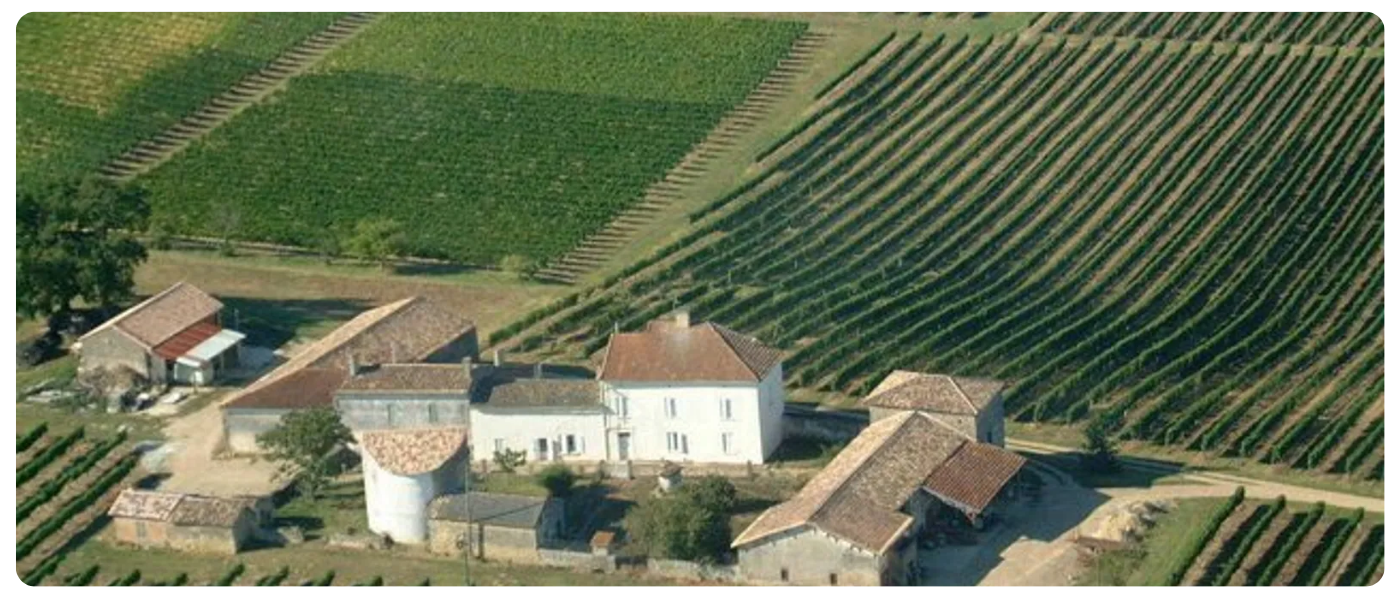
Château Chillac represents a modern approach to Bordeaux winemaking, rooted in respect for nature. Certified organic and biodynamic, the estate avoids chemical intervention and focuses on maintaining balance within the vineyard. This philosophy allows the vines to thrive naturally, resulting in wines that reflect both the environment and the care behind their production.
A visit to this estate is both educational and immersive. Guests can walk through the vineyards, learn about biodynamic methods, and experience firsthand how these practices influence the final wine.
Château La Dauphine (Biodynamic & Ecosystem-Focused)
Located in the Fronsac appellation, Château La Dauphine takes a holistic view of sustainability. The estate integrates biodynamic practices with a strong focus on biodiversity, incorporating elements such as beehives, gardens, and natural habitats into the vineyard landscape.
This approach transforms the vineyard into a living ecosystem, where every element plays a role in maintaining balance. Visitors gain insight into how environmental awareness and agricultural practices come together, offering a deeper understanding of the relationship between nature and winemaking.
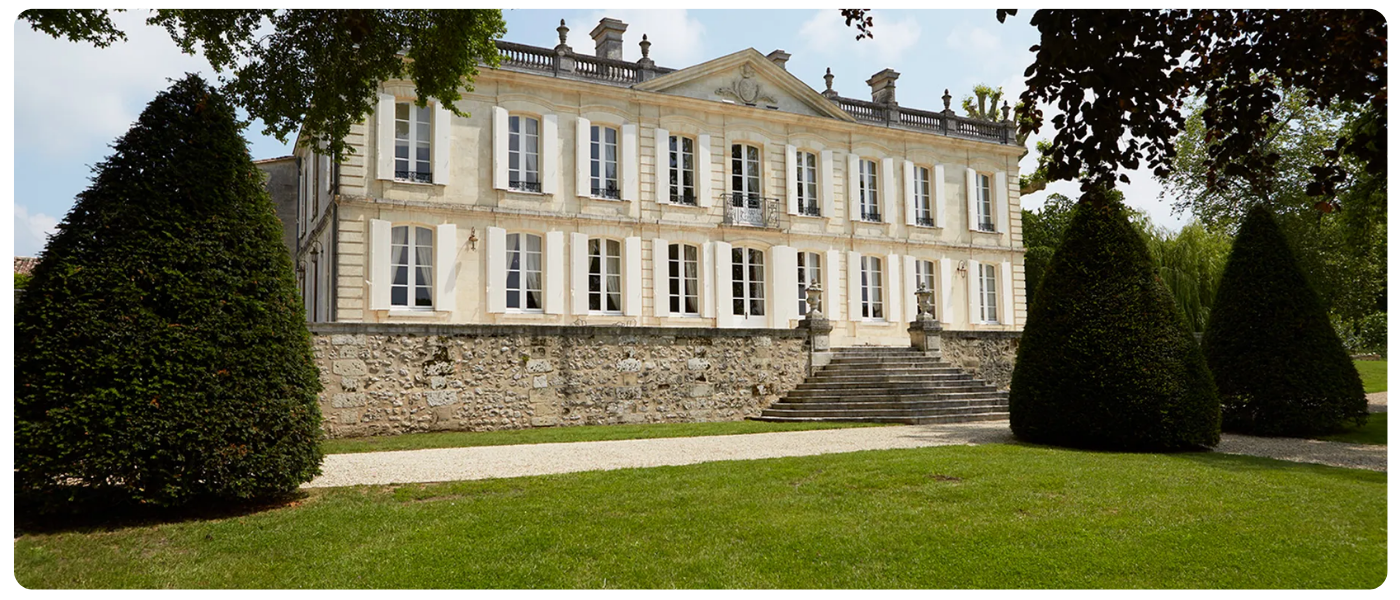
Château Guiraud (Organic & Biodiversity Pioneer)
Château Guiraud, situated in Sauternes, is widely recognized for its commitment to biodiversity and organic practices. The estate has developed a vineyard environment that supports a wide range of plant and insect life, using natural solutions to maintain balance and protect the vines.
This emphasis on biodiversity not only preserves the environment but also contributes to the complexity and quality of the wines. A visit here highlights how sustainability can enhance, rather than limit, the potential of a prestigious Bordeaux estate.\
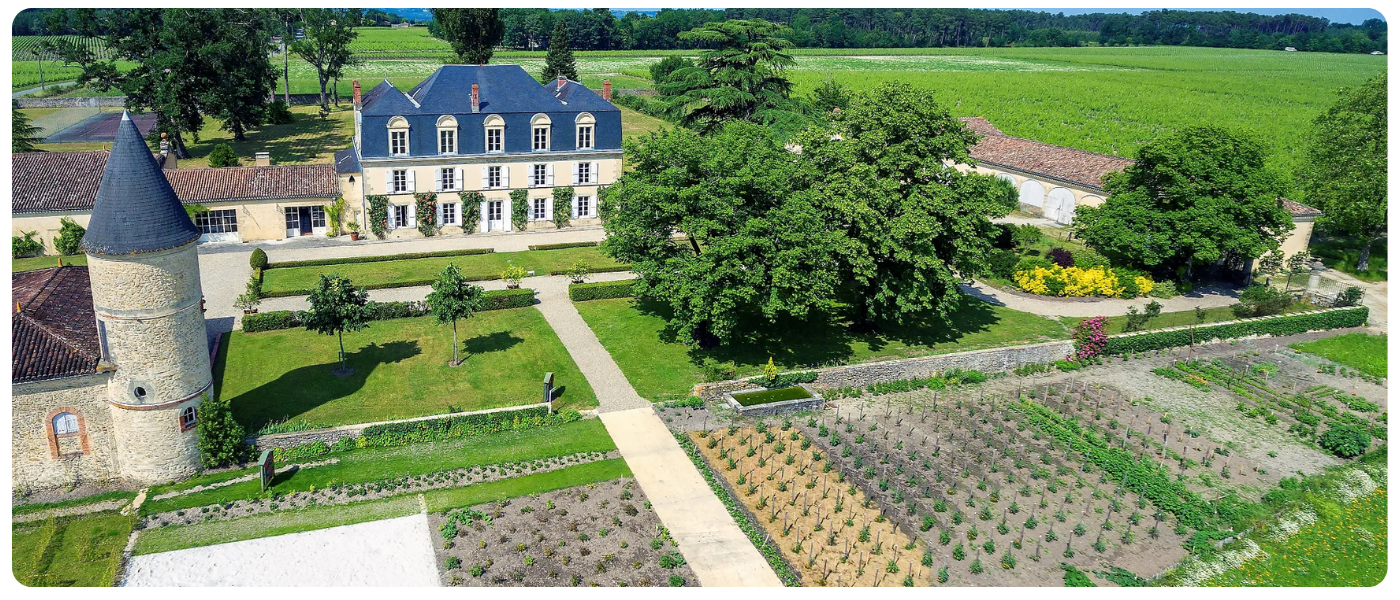
What Makes These Visits Different
Visiting sustainable wineries in Bordeaux provides a more thoughtful and educational experience compared to traditional wine tourism. These estates place greater emphasis on explaining vineyard practices, environmental impact, and the role of biodiversity in winemaking.
Guests are often guided through the vineyards with detailed insights into soil health, climate influence, and natural farming techniques. This creates a stronger connection between the visitor and the wine, making the tasting experience more meaningful and informed.
A New Perspective on Bordeaux
The movement toward sustainability marks an important evolution in Bordeaux’s identity. It demonstrates that even the most established wine regions can adapt and innovate while maintaining their reputation for excellence.
For visitors, this shift offers the opportunity to explore Bordeaux from a new perspective—one that values not only the quality of the wine, but also the responsibility behind its production. Choosing to visit sustainable and organic wineries allows for a deeper, more conscious connection to the region and its future.


