

Burgundy Wine Region Guide
Because of its cultural significance, The Climats, and terroirs of Burgundy are protected by UNESCO. Meeting passionate winegrowers and awakening your taste buds with these fabulous wines will be unforgettable experiences.
- Appellations
- 48 Appellations
- Wineries
- 70 Wineries
- Experiences
- 79 Experiences
- Local Guides
- 6 Local Guides
Explore Appellations in Burgundy










About Burgundy Wine
- Surface
- 32,301 ha
- Soil
- Limestone, clay, marl
- Climate
- Cool to moderate continental
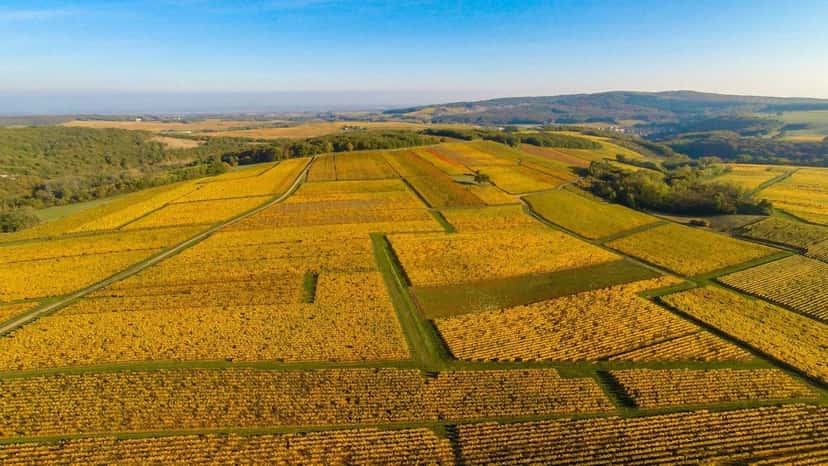
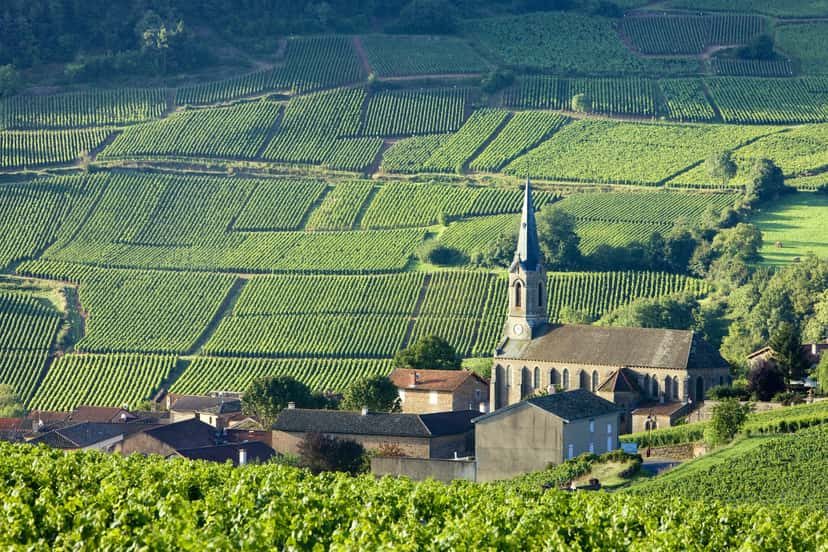
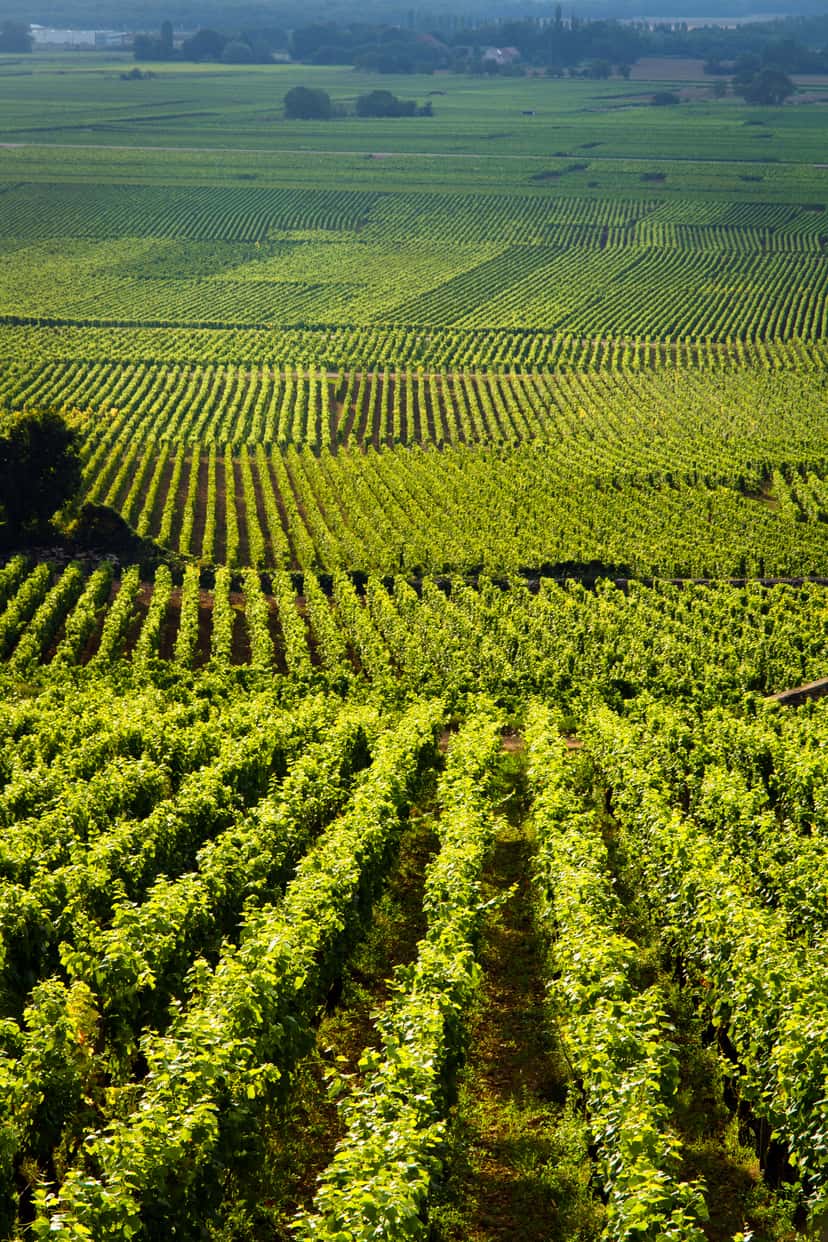
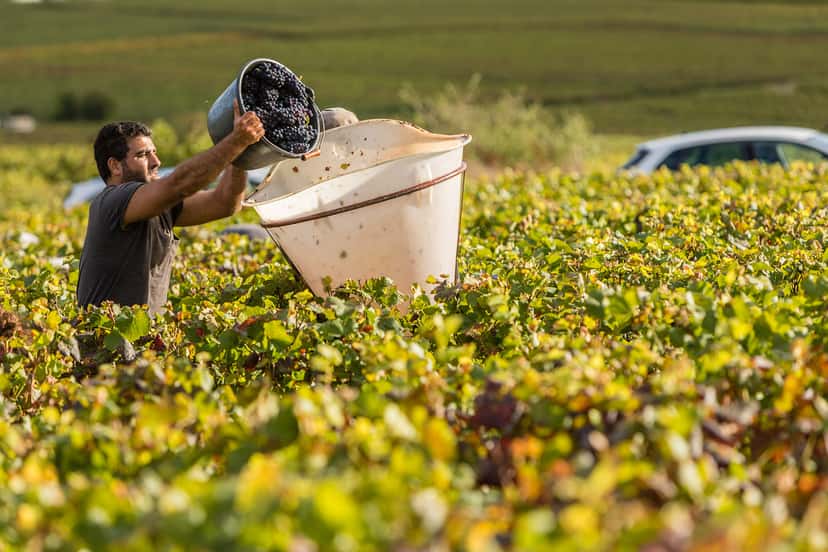
Burgundy wine region has built its winemaking traditions throughout the centuries and still presents the benchmark of excellence. Burgundy is where the understanding and respect towards the terroir is taken to a completely different level. The division of the land that was done centuries ago by local monks into small plots of vineyards or Climat is still present and produces some of the best Burgundy wines in the world. Because of its cultural significance, the Climat and terroirs of Burgundy are protected by UNESCO. Visit the Burgundy wine region is a great experience for wine lovers. Meeting passionate winegrowers and awakening your taste buds with these fabulous Bourgogne wines will be unforgettable experiences.
Travel Guide to Burgundy Wine Region
Explore Burgundy wine region with the help of our travel guide:
Wines and vineyards of Burgundy
Places you can visit to explore the cultural heritage
Find out more about wine tastings & tours in Burgundy.
Learn about Burgundy Wines and Vineyards
Chardonnay and Pinot Noir are the main focus of wine production in Burgundy.
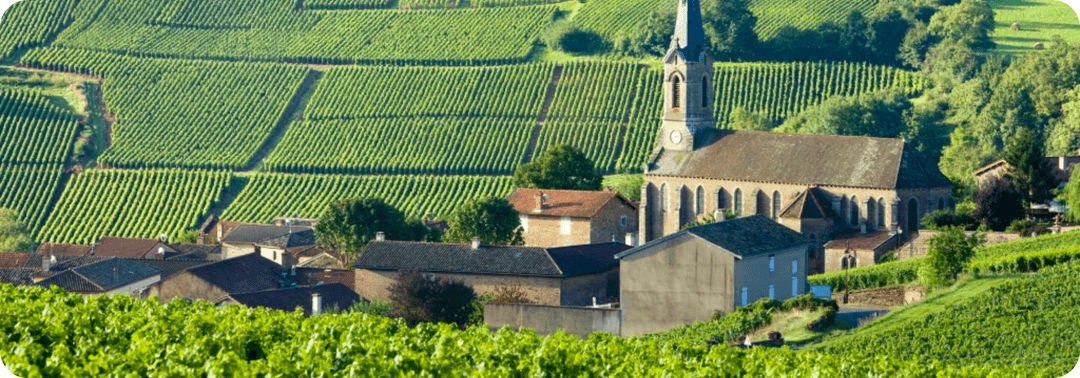
Burgundy, a renowned wine region in France, is famed for its production of two primary grape varieties: Chardonnay and Pinot Noir. The area is principally recognized for its red wines, derived from the Pinot Noir. Burgundy's white wines carry their own prestige, produced primarily from Chardonnay and Aligoté grapes. While Chardonnay is the dominant variety, the region's diverse terroir offers a myriad of expressions, allowing each grape type to craft its own unique narrative in the rich tapestry of Burgundy's wine heritage.
The internationally renowned Burgundy vineyard stretches from Dijon to Mâcon in France, boasting prestigious appellations such as Romanée-Conti, Aloxe-Corton, Nuits-Saint-Georges, Gevrey-Chambertin, Pommard, Meursault, and many others. Bourgogne wines are celebrated for their exceptional aromas and high quality, making them among the finest in the world.
Approximately 60% of the region's production is dedicated to white wines, crafted from the Chardonnay. Red Bourgogne wines, constituting about 30% of the total production, are produced from Pinot Noir and Gamay grapes. Additionally, around 10% of the output represents the renowned sparkling wine, Crémant de Bourgogne.
Interested in customizing your Burgundy wine vacation? Simply send us your preferences here, and our team of experts will tailor the perfect itinerary for you.
Burgundy Wine Map

From Climats to Crus: Navigating Burgundy's Rich Wine Landscape
The Burgundy is home to iconic vineyards, each comprised of unique Climats. These Climats represent delimited plots of vines, each possessing its specific terroir, rich history, and distinct climatic conditions.
In Burgundy, winegrowers attribute significant importance to their terroir. The roots of this practice can be traced back to the Middle Ages when monks, pioneering wine production, meticulously divided and defined the boundaries of different terroirs. These divisions, known today as Grand Crus, continue to shape the viticultural landscape.
The subdivision of the land was a result of a thorough assessment of the individual influences each piece of land imparts on the wines it produces. Consequently, Burgundy is characterized by several distinct sub-regions.
Terroir
"combination of factors including soil, climate, and sunlight that gives grapes their distinctive character. and even more, the word also explains a human touch."
Discover sub-regions and special vineyards of the Burgundy wine region!
Chablis - Burgundy's Northern Wine Frontier
Chablis, the northernmost village appellation in the Burgundy wine region, is situated in the valley of the River Serein. Owing to its unique terroir, Chablis wines distinguish themselves with a drier and fresher profile compared to other Burgundy wines.
The finest vineyards of Chablis, known for producing Premier Cru and Grand Cru Burgundy wines, are typically planted on south-facing slopes. In contrast, basic village-level appellations can be found on north-facing slopes and flatlands.
Burgundy wines originating from the Premier Cru and Grand Cru vineyards exhibit heightened ripeness and concentration, characterized by delightful citrus aromas and a well-balanced acidity.
- Territory: 5000 ha
- Main grape variety: Chardonnay
- Four AOC: Chablis Grand-Cru, Chablis Premiers-Cru, Chablis and Petit-Chablis.
Côte d'Or - From The Teartland of Burgundy
Côte d'Or in the heartland of Burgundy is home to the best Pinot Noir vineyards. This is where Pinot Noir finds the most favorable conditions and produces wines with the best expression of the local terroir.
Côte d'Or is split into two: Côte de Nuits, where you find more full-bodied Pinot Noirs and Côte de Beaune that produce softer red wines and sensational white wines from Chardonnay. As you see two sides of Côte d'Or where the majority of the vineyards are planted on south-east facing slopes produce some of the top Chardonnays and Pinot Noirs from Burgundy wine region.
The finesses and aromatic complexity of these Burgundy wines mainly come from marly limestone soils.
The main grape varieties for this region:
- Chardonnay for white Bourgogne wines
- Pinot Noir for red Bourgogne wines
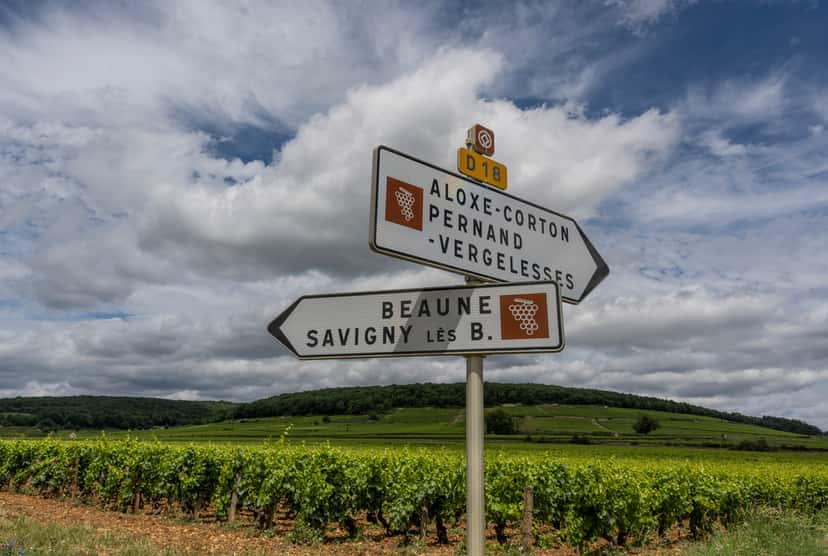
Concerning the appellations, Côte de Nuit is famous for Gevrey-Chambertin, Vosne Romanee and Nuits Saint-Georges. When in Côte de Beaune important villages are Aloxe-Corton, Beaune, Pommard, Mersault, Puligny-Montrachet and Chassange-Montrachet.

Côte Chalonnaise - Crafting Distinctive Wines Across Limestone-Clay Terroir
Stretching across 4,000 hectares from Bouzeron to Sercy, the vineyards of Côte Chalonnaise boast a distinctive character nurtured by limestone-clay soils. Particularly conducive to the cultivation of Pinot Noir, these soils contribute to the unique terroir of the region. Alongside Pinot Noir, Chardonnay, Aligoté, and Gamay stand as the primary grape varieties cultivated in this picturesque terrain.
Comprising five outstanding appellations—Givry, Montagny, Mercurey, Rully, and Bouzeron—the Côte Chalonnaise vineyard produces an array of exceptional white and red wines, each reflecting the essence of its terroir.
From Pouilly-Fuissé to Saint-Véran: The Splendor of Mâconnais Wines
Nestled as the southernmost sub-region of Burgundy, Mâconnais unfurls across 50 kilometers from Sennecey-le-Grand to Saint-Véran, bordering Beaujolais. Celebrated for its predominantly Chardonnay-driven white wines, Mâconnais also reveals its versatility with red wines crafted from Pinot Noir and Gamay.
Within Mâconnais, five prestigious Burgundy appellations — Pouilly-Fuissé, Pouilly-Vinzelles, Pouilly-Loché, Saint-Véran, and Viré-Clessé — showcase the region's oenological prowess.
Where to Stay in Burgundy?

Situated in the village of Mercurey, the Hotellerie Du Val d'Or is ideally located for exploring Burgundy wine region. Guest rooms are individually decorated they provide a cosy living space for your stay.

Classified as a National Monument, Château de Chailly is an authentic medieval castle that has been transformed into a luxurious hotel with a gourmet restaurant in a peaceful, countryside location. For your relaxation, the Golf de Chailly features a superb 18-hole golf course, heated outdoor swimming pool, tennis court, hammam and hot tub.

This 19th-century château is surrounded by the Meursault wine fields, a 5-minute drive from Beaune. It offers a swimming pool and a unique spa specialised in red fruit treatments. Guests have free access to the pool, hammam, hot tub and sauna.

Featuring a garden and views of garden, Château Armand Heitz - Domaine Armand Heitz is a sustainable bed and breakfast located in Chaudenay. Guests at Château Armand Heitz will be able to enjoy activities in and around Chaudenay, like cycling and hiking.
Places to Visit in Burgundy
Discover Burgundy through its cities, lovely towns and UNESCO heritage sites!
Burgundy took its name in the Carolingian era. Since this period, Dijon has been the capital of Burgundy Dukes. Thanks to its history, culture, green tourism and its gastronomy, the region gained attractiveness in tourism.
Dijon - The Old Capital of Burgundy Dukes
Inheritor of a rich historical and architectural heritage. Dijon also gains attraction through the gastronomic reputation of the Burgundy region. The city is famous for its mustard, blackcurrant liqueur, Lanvin chocolate and so on. Between museums, architecture, and parks, share a cultural and relaxing moment with your family. Being at the beginning of the “Route des Grands Crus”. Dijon will bring you to the road that goes to Beaune and gathers the legendary appellations in the World.

What we recommend when visiting Dijon, Burgundy wine region:
- Visit some amazing monuments like the place Alésia where you will learn more about Vercingétorix and Jules César’s fighting;
- Spend time in the abbeys or discover La Roche de Solutré;
- Taste gastronomic specialties of Burgundy wine region in Dijon;
- Explore The Climats - terroirs of Burgundy listed in the UNESCO World Heritage list.
Check out our list of wineries near Dijon to discover amazing wine experiences.
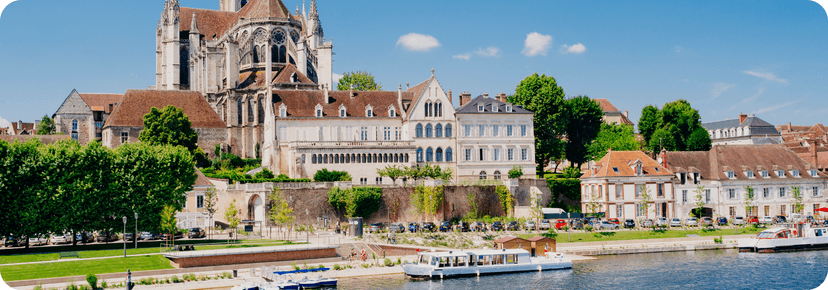
Auxerre - Charming medieval town
Situated in the northwest of the Burgundy region, Auxerre is a cultural and tourist place in the heart of Burgundy. This city has a charming Medieval and Renaissance historical heritage. Renowned for its huge number of monuments, Auxerre also owns a beautiful vineyard close to the nice appellation Chablis.
Beaune - Burgundy's Wine Capital
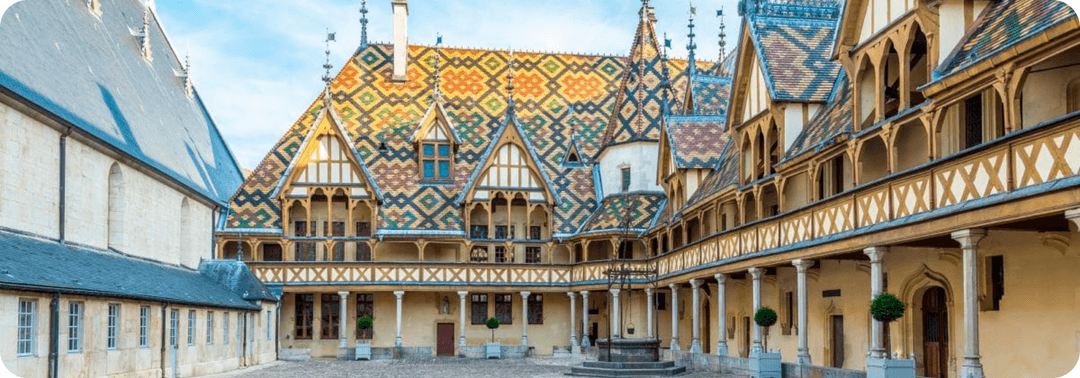
Beaune is a charming fortified city, located in the South of Dijon and North of Lyon. The city has inherited a lovely historical and architectural heritage. You can also take the road to the Beaune vineyards and visit the Château Corton-André dating from the 19th century and owning an incredible traditional roof of glazed Burgundy tiles. End your tour in the Château Meursault, dating from the 11th century.
What we recommend when visiting Beaune, Burgundy wine region:
- Visit the internationally renowned Beaune Hospices;
- The beautiful Notre-Dame de Beaune Basilica;
- The museum of Burgundy Wine, where you can discover the vine and wine's history;
- "Climats" of Burgundy vineyard listed to the UNESCO World Heritage.
Mâcon
In the South of the Burgundy region, the urban and architectural richness shows a history full of encounters. On the road from the North to the South of the Burgundy wine region. You will find numerous lovely villages from Medieval heritage to the Renaissance. Enjoy the beautiful landscapes of this fascinating region.
What we recommend when visiting Macon, Burgundy wine region:
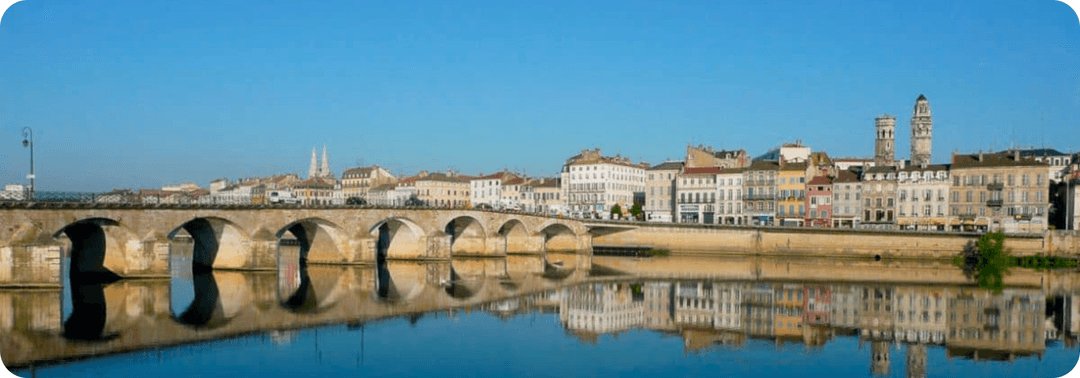
- Discover the Saint-Vincent de Mâcon Cathedral. Built-in the 19th century in a neoclassical style to replace a Gothic church destroyed during the French Revolution.
- Continue to the Saint-Pierre de Mâcon church, which is built in the 19th century in a Romanesque style.
- Conclude your visit by walking in the city and on the Saint-Laurent bridge, constructed in the 11th century.
Discover top Burgundy Wine Tour Guides and explore the finest Guided Wine Tours in Burgundy.
What Grows Together Goes Gogether - Burgundian Food
Pair your glass of Burgundy wine with local cuisine
France is a beautiful country that gathers a huge number of culinary specialities. In the Burgundy area, discover some of these specialities specific to this fascinating region. Burgundian cuisine offers a big diversity of local specialties that are representing typical products and match perfectly with its wines.
The Dijon's Gingerbread
From Burgundian people, gingerbread reminds a lot of memories from their childhood. Different recipes exist for gingerbread, it includes flour, honey and spices. According to the recipe, it is possible to add butter, milk or eggs. Sometimes dried or candied fruit, chocolate and so on.
To enjoy gingerbread, pair it with foie gras, goat's cheese, chicken, trout and also fig or rhubarb!
Oeuf Meurette i.e. The Poached Egg in Red Wine Sauce
Oeuf Meurette comprises poached eggs served with garlic bread toast and the red wine sauce meurette. The sauce is made up of red wine, bacon strip, onions and shallots sauté in butter.
This recipe comes from the Boeuf Bourguignon. Usually served for lunch, the sauce leftover was used for the poached eggs. That is how was created this traditional recipe.
Originally from Burgundy, the Boeuf Bourguignon keeps its name from the two specialities which composed it. Beef and red Burgundian wine.
Burgundy wine region is traditionally known for its bovine farming, especially for Charolais, a breed of cow. This emblematic dish is composed of beef cuts with carrots, potatoes, pasta, green beans, onions, mushrooms or bacon strips.
The Snails - Another Traditional Dish from Burgundy
Usually served during a family meal or during Christmas and New Year. The snails' consumption dates back to the origin of Humankind. The snails of Burgundy are the species Helix Pomatia from the Burgundy terroir. After boiling the snails, prepare the dish with garlic butter and sprinkle parsley.
Then, cook in the oven and serve in the shells.
Bellow, you will find more information about tourism in the region :
- Bourgogne Tourisme
- Wines of Burgundy
- Routard Guide
Plan your visit in Burgundy
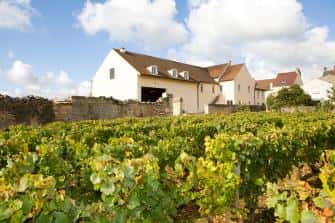


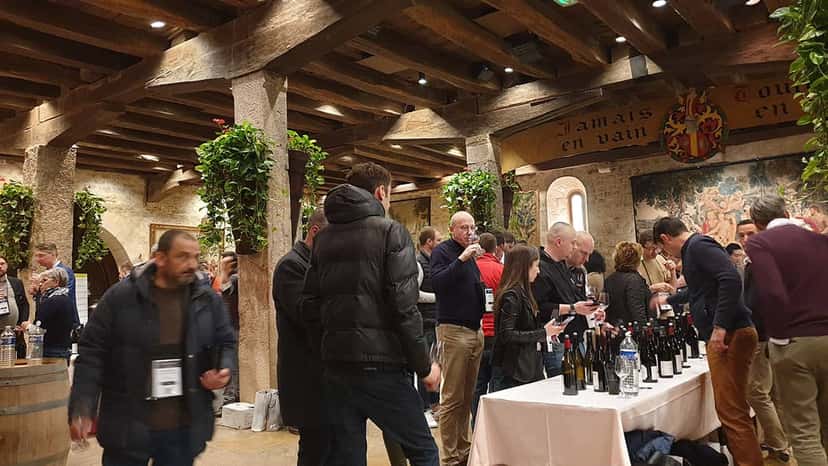

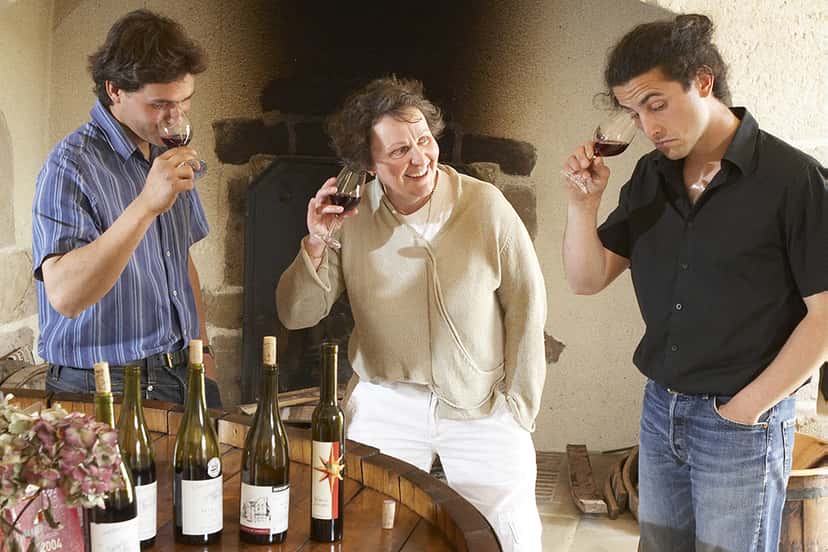
Best Wineries in Burgundy


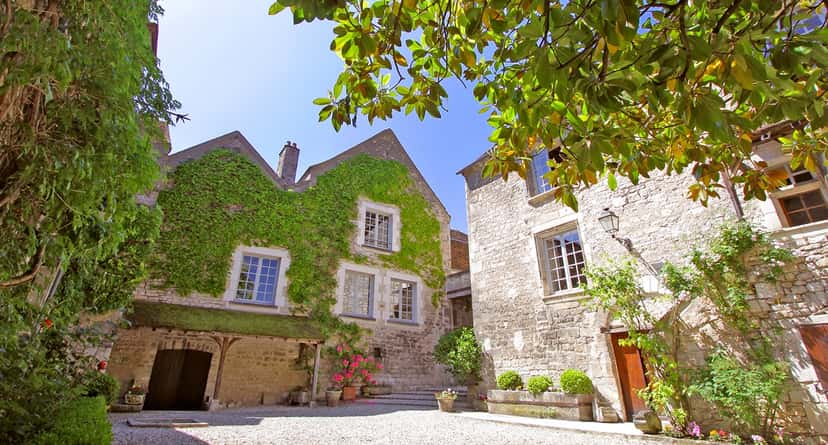


Best Wine Tastings in Burgundy


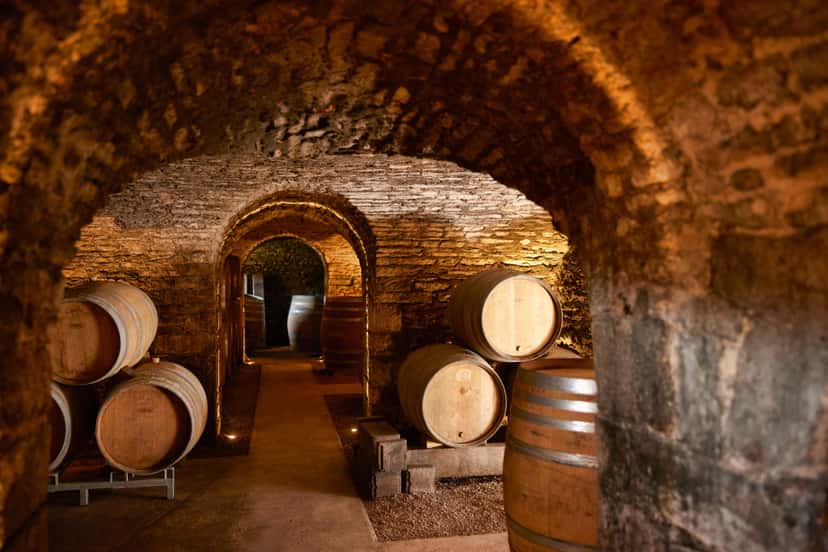


Tailor-Made For You
Your perfect wine trip, planned for you
Tell us what you're dreaming of and a local wine expert will build a personalized itinerary — no obligation, no service fee.
Cities around Burgundy





Top Rated Local Guides in Burgundy




Wine Guides for Burgundy
Frequently Asked Questions
What is Burgundy known for?
What are the main grape varieties grown in Burgundy?
When is the best time to visit Burgundy for wine tasting?
How do I get to Burgundy?
What are the main sub-regions of Burgundy?
Join our newsletter now to receive our free guide on how to plan the perfect wine tour.