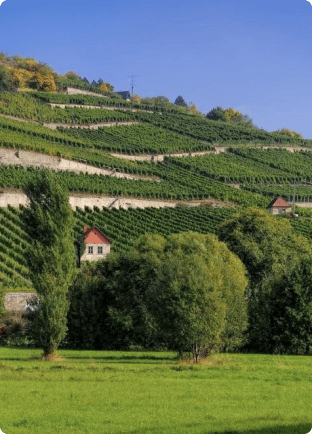

Viticulture of the Balkan Peninsula
The Balkan region is incredibly rich in culture and history when it comes to wine and everything in between. For millennia, wine cultivation, winemaking, and all related aspects have been intertwined with society, politics, and wars.
Wine has a rich and ancient history in the Balkan region, with evidence of grape harvesting dating back to Neolithic times (between 6000-5650 BC / BCE). While winemaking evidence has not been discovered from that period, the presence of grape cultivation suggests a strong likelihood that wine was already a part of the region's early history.
From the 1990s onwards, a new generation of winemakers has emerged, now placing the Balkans firmly on the map of the wine world. This generation aims to focus more on quality and expression, valuing small-scale production over mass production (which had been somewhat associated with the Balkans in the wine world). It almost feels natural to say that "the trend is beginning now," but it has already started, and it keeps growing and expanding.
What is Balkan wine?
Balkan wines stand out for their emphasis on indigenous grape varieties, boasting a remarkable diversity of over 1000 different grapes, with many exclusive to the region.
Greece, Serbia, and Croatia are some of the earliest countries to have cultivated wine. Sharing the same latitude as Italy, the Balkans boast a microclimate of mountain ranges, the Adriatic Sea, rivers, lakes, and both modern and ancient winemaking traditions, along with international and local grape varieties. The Balkans are undoubtedly a region with a rich vinicultural heritage.
Balkan Wine countries
The countries that are part of the Balkan wine region include Albania, Bosnia-Herzegovina, Bulgaria, Croatia, Greece, Kosovo, Montenegro, North Macedonia, Romania, Serbia, and Slovenia.
Kosovo winemaking
Kosovo is the smallest country in the Balkans, having gained independence only 15 years ago. The country is surrounded by high mountain ranges and was formerly known for its sweet red wine "Amselfelder," made from Pinot Noir and Gamay grapes. This wine was incredibly popular in Germany, resulting in significant exports. However, during the war, it was challenging to maintain wine exports, leading to many vineyards being abandoned during that period.
Today, international grape varieties such as Pinot Noir, Gamay, and Merlot, and local varieties like Vranac and Smederevka are cultivated in Kosovo to make Balkan wine. The region's climate and limestone-rich soil remind one of Tuscany.
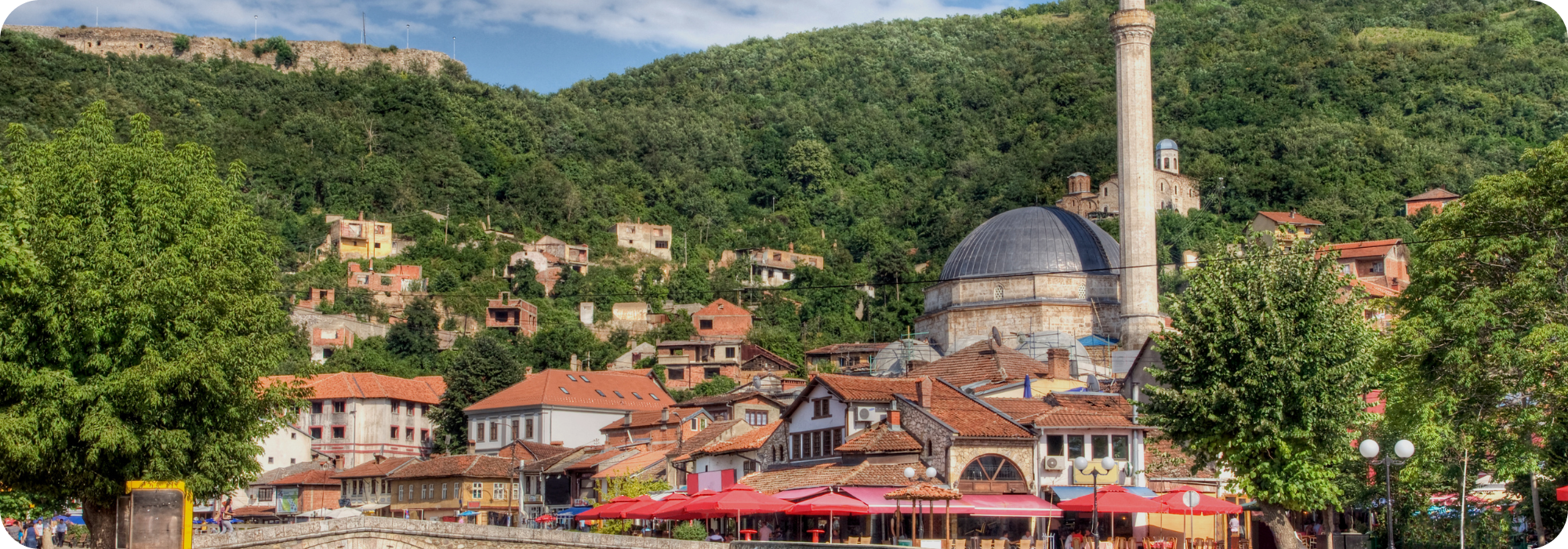
Serbia winemaking
Like Kosovo, Serbia has not been independent for long. In 2006, Serbia became the last of the six constituent republics of the former Yugoslavia to declare its independence. During Yugoslavia's existence, Serbia was among the top ten wine producers globally. However, after the fall of Yugoslavia, the country experienced a sudden decline in production and exports. In 1990, Serbia's first privately-owned winery, "Podrum Radovanovic," was established, a passionate winery located in central Serbia that has received numerous awards.
Although Serbia is landlocked, it spreads across several contrasting terroirs and climate zones, boasting fertile soil and the Velika Morava River. This results in a wide range of grape varieties and styles of Balkan wine.
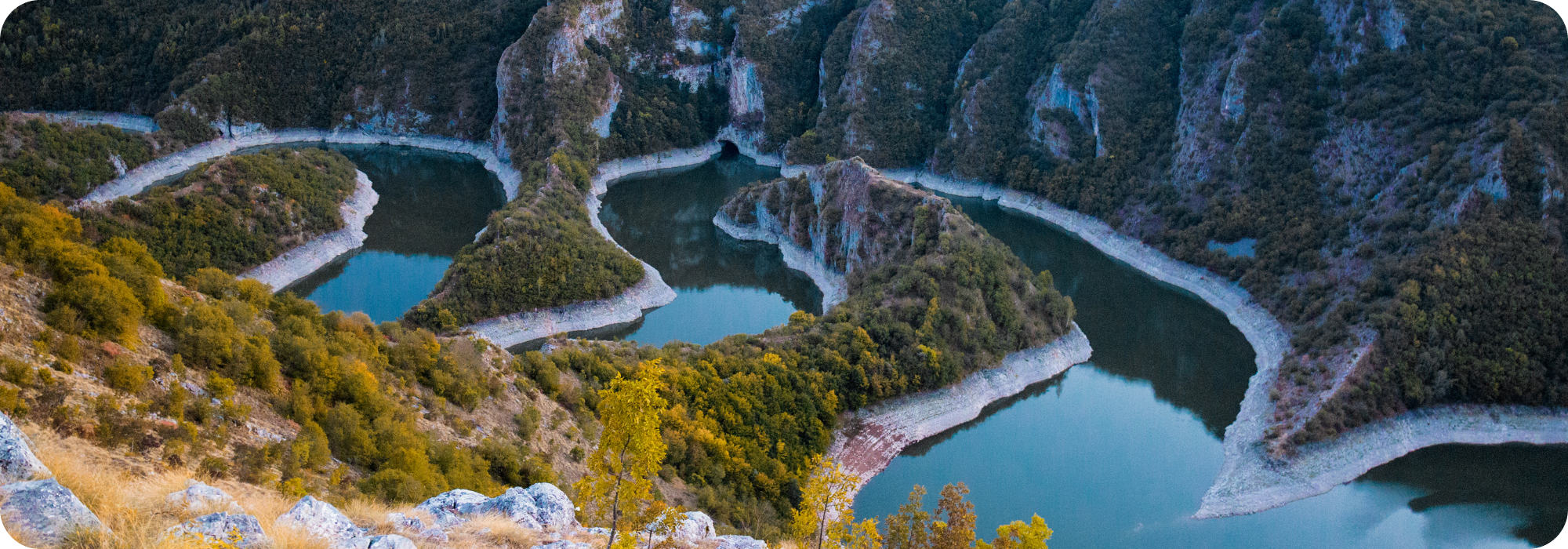
Bosnia-Herzegovina winemaking
The wine region of Herzegovina is more well-known and active in Bosnia-Herzegovina, home to indigenous grape varieties such as Žilavka, Blatina, and Trnjak.
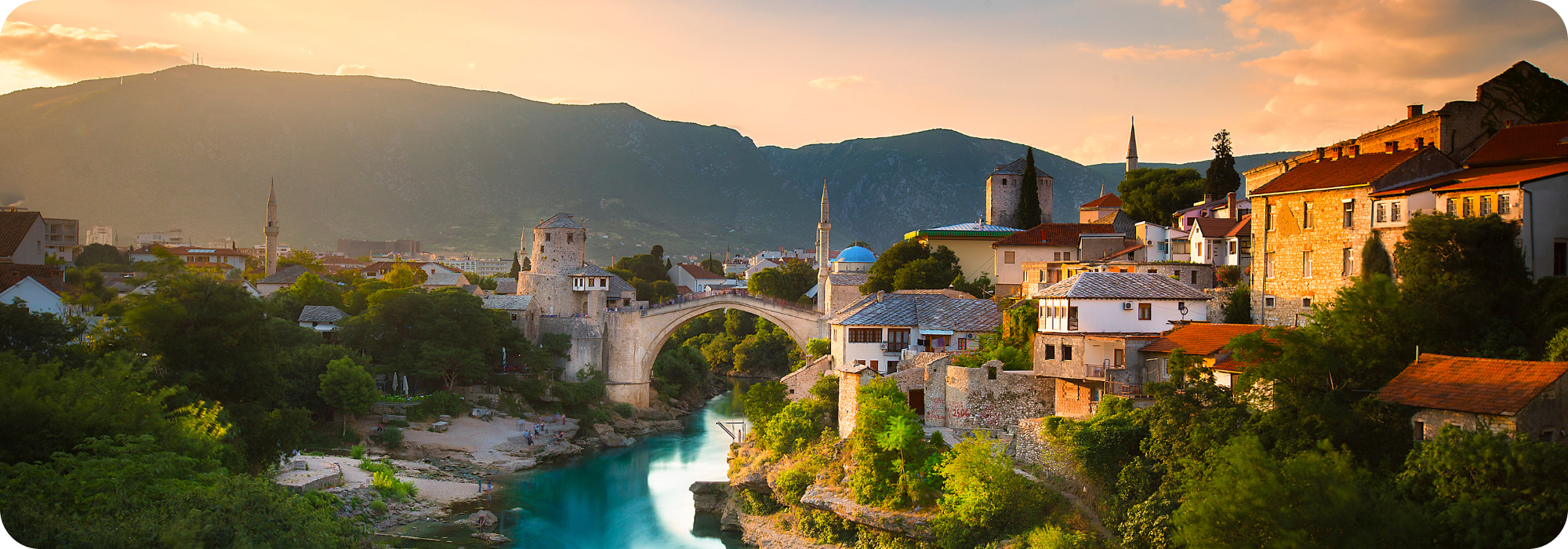
Bosnian wine is still somewhat of a hidden secret, despite more and more vineyards rediscovering the natural potential for winemaking in Bosnia. Most of the vineyards are located between the Adriatic coast and Mostar. In the picturesque valley next to the gently flowing Trebišnjica River, one can find Trebinje, a peaceful and charming city in the heart of Bosnia and Herzegovina's wine country.
Albania winemaking
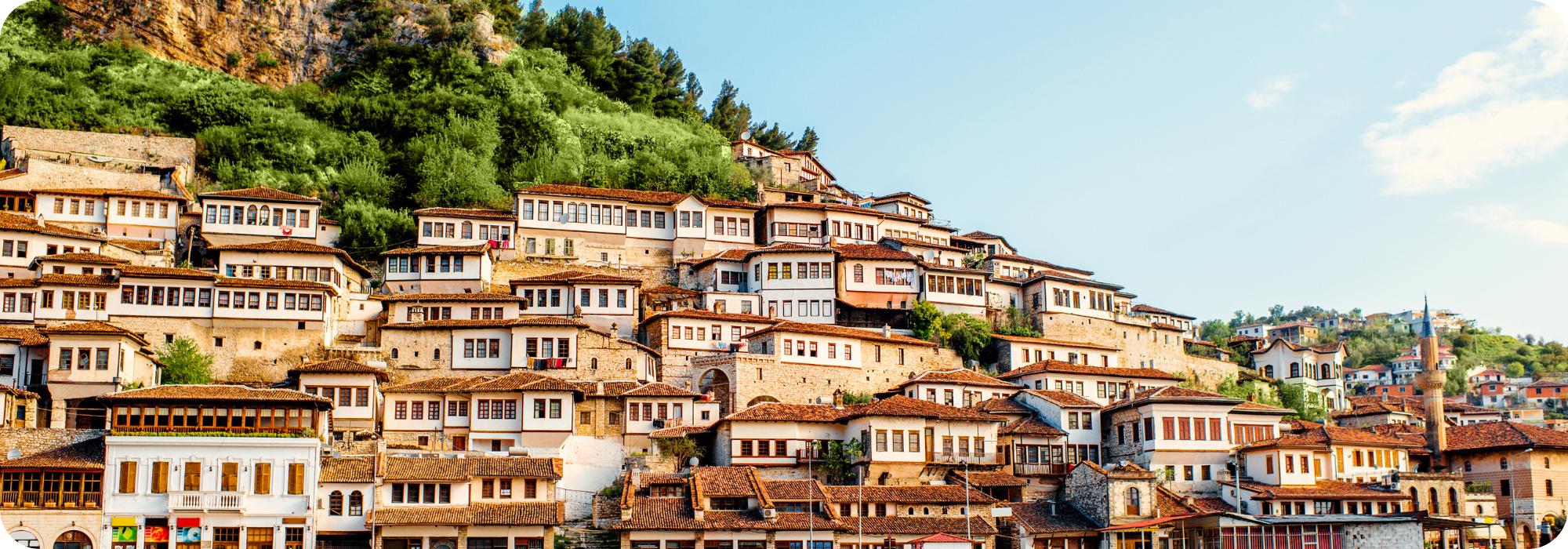
Albania has a long coastline along the Adriatic Sea, and its wine regions are Dibra, Valbona Valley, and Myzeqe. In recent years, Albania has actively shifted its focus towards producing dry, high-quality wines. An increasing number of winemakers and growers have worked hard to explore Albania's full potential in producing high-quality wines, often gaining expertise by working in vineyards abroad, such as in Italy and France, and collaborating with foreign wine consultants who have visited Albania.
Local grape varieties like Debina, Mereshnik, and Serine are now accompanied by more familiar international varieties such as Riesling and Furmint (a grape most known for its role in Tokaji wines).
North Macedonia winemaking
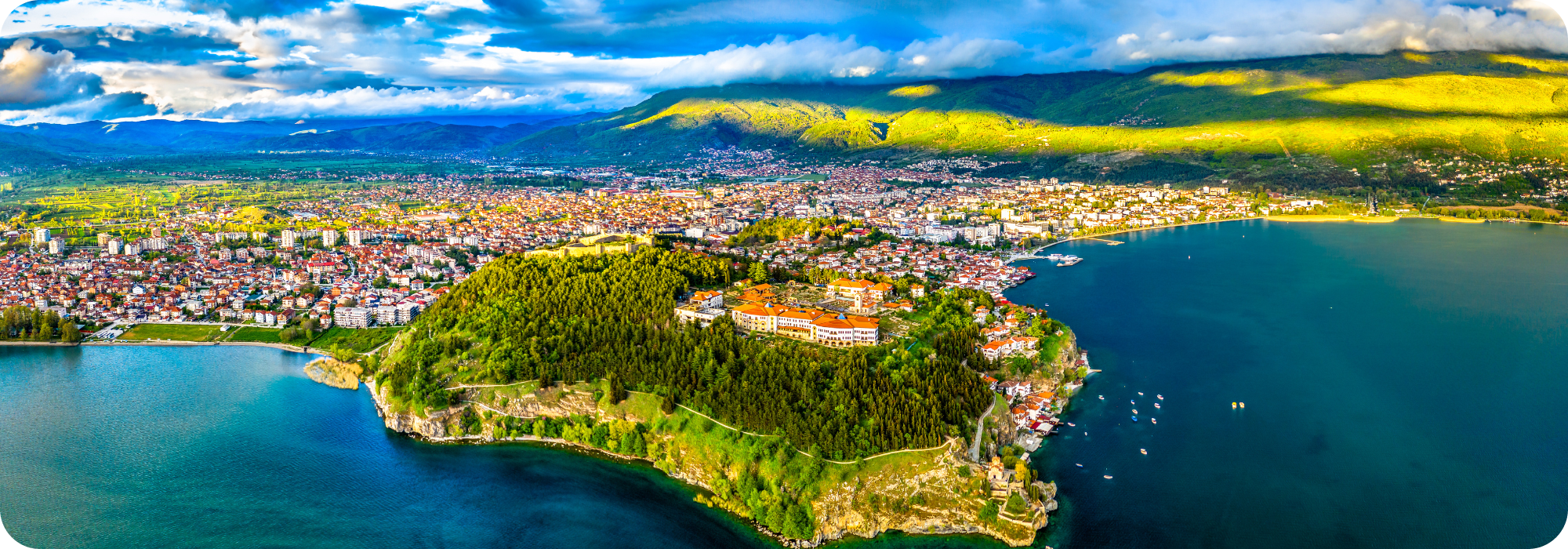
North Macedonia is known for producing primarily red wines from local grape varieties such as Vranac and Kratosija. Among the international red grape varieties grown are Cabernet Sauvignon and Merlot. The smaller portion of white wine produced mainly consists of Smederevka, Laški Rizling, Žilavka, Sauvignon Blanc, and Chardonnay.
In southern North Macedonia, the wine region of Tikves is the most well-known and shares the same latitude as Tuscany, Bordeaux, and Napa Valley. The region enjoys long and hot summers, mild and humid winters, and is protected by mountains.
In 1885, "Tivkes Winery" was founded, a highly established and significant wine producer in North Macedonia, which also produces wine in the Rhône Valley, France.
Montenegro winemaking
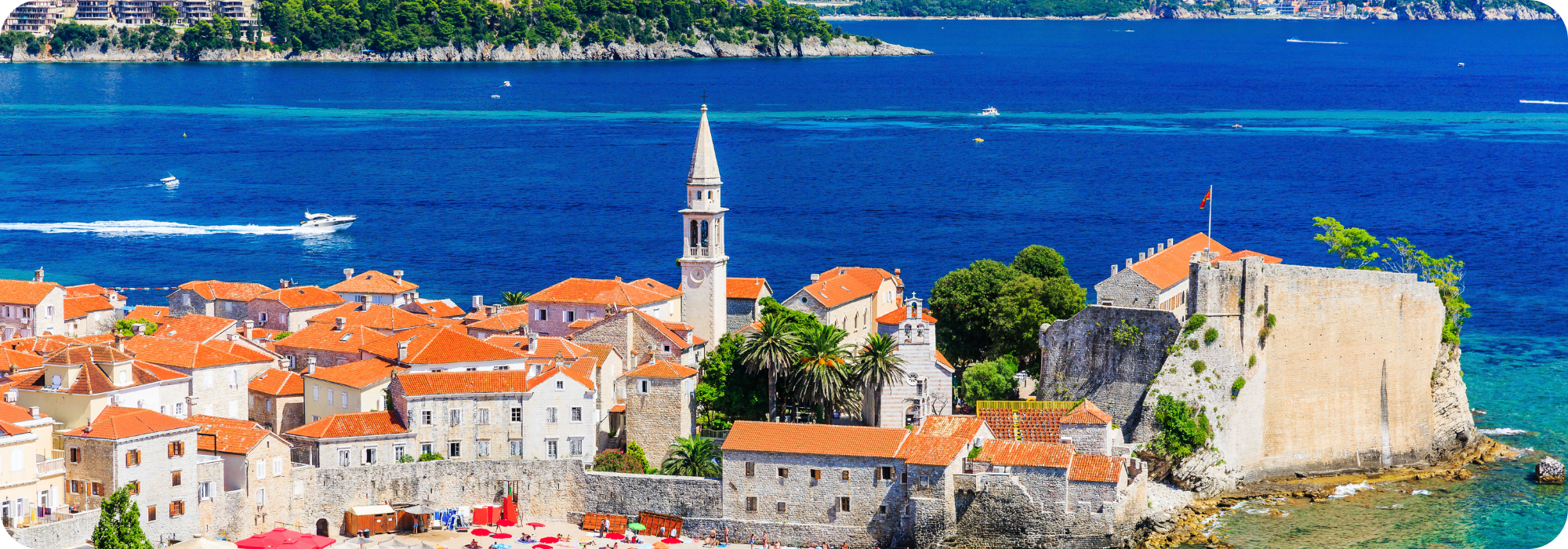
South of Bosnia-Herzegovina lies the small country of Montenegro, with its coastline along the Adriatic Sea. While not known for extensive wine production, it boasts a fantastic one!
Vranac is the dominant grape variety in Montenegro, producing full-bodied, robust wines with delightful complexity.
Slovenia winemaking
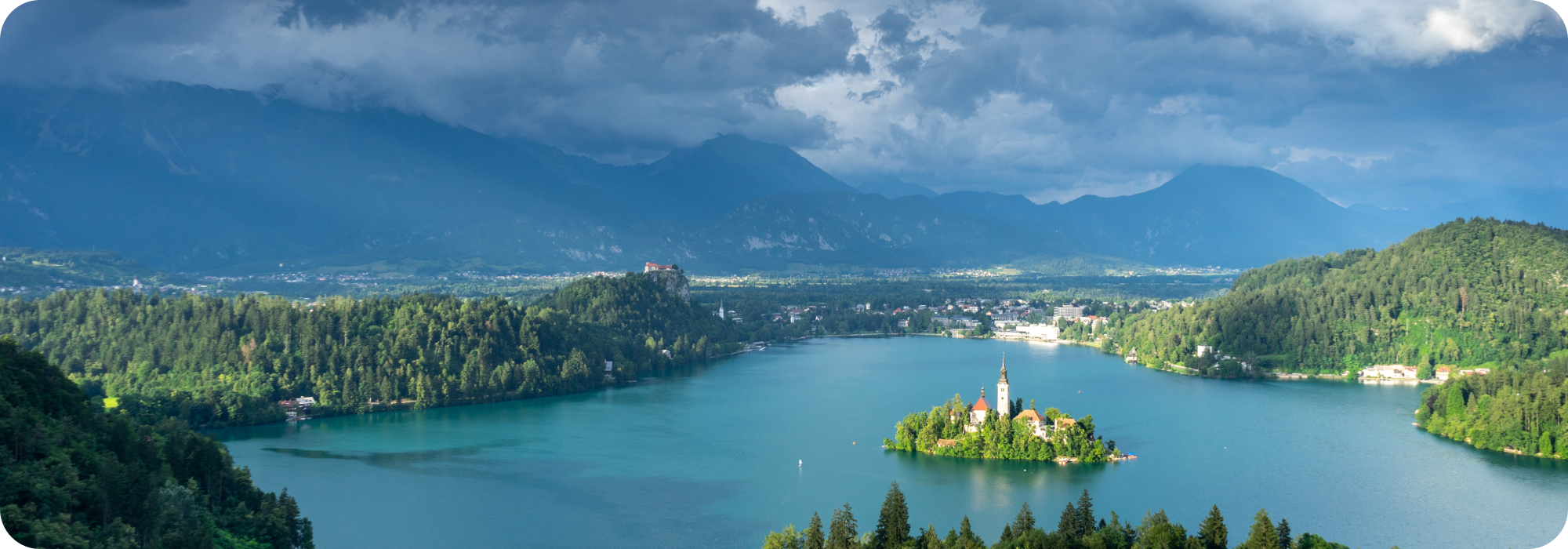
The country's winemaking traditions are deeply rooted in family-owned vineyards and small-scale production, fostering a strong connection to the land and its history. Slovenia's winemakers cultivate a wide range of grape varieties, both indigenous and international, allowing for a diverse selection of wines. Notably, the country is home to the world's oldest continually producing vine, the "Stara trta" or "Old Vine," located in the city of Maribor.
Bulgaria winemaking
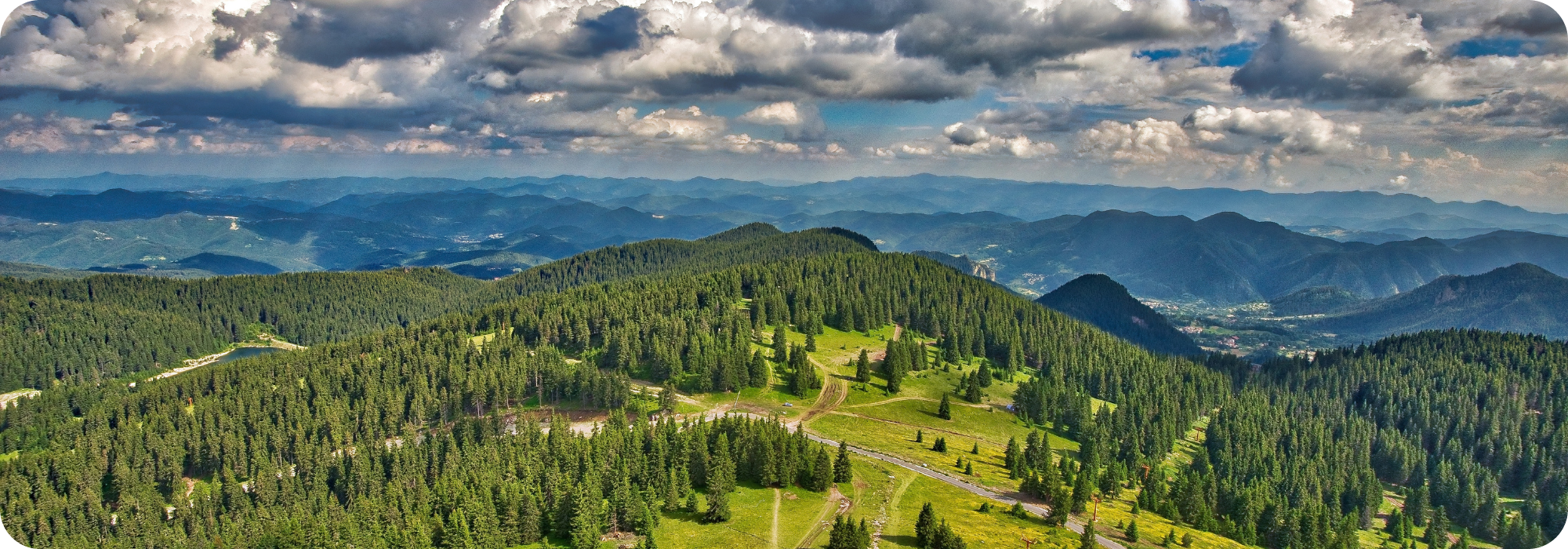
Bulgaria has a long and storied history of winemaking that dates back thousands of years. The country's diverse climate and geography contribute to its winemaking success. Bulgaria has five main wine regions: Northern, Northwestern, Southern, Sub-Balkan, and Thracian Valley. Each region offers unique terroirs, varying from temperate continental climates in the north to more Mediterranean influences in the south. Bulgaria is known for growing a wide range of grape varieties, both indigenous and international. Some of the popular local grape varieties include Mavrud, Melnik, Pamid, and Dimyat for red wines, as well as Misket, Tamianka, and Muscat for white wines.
Croatia winemaking
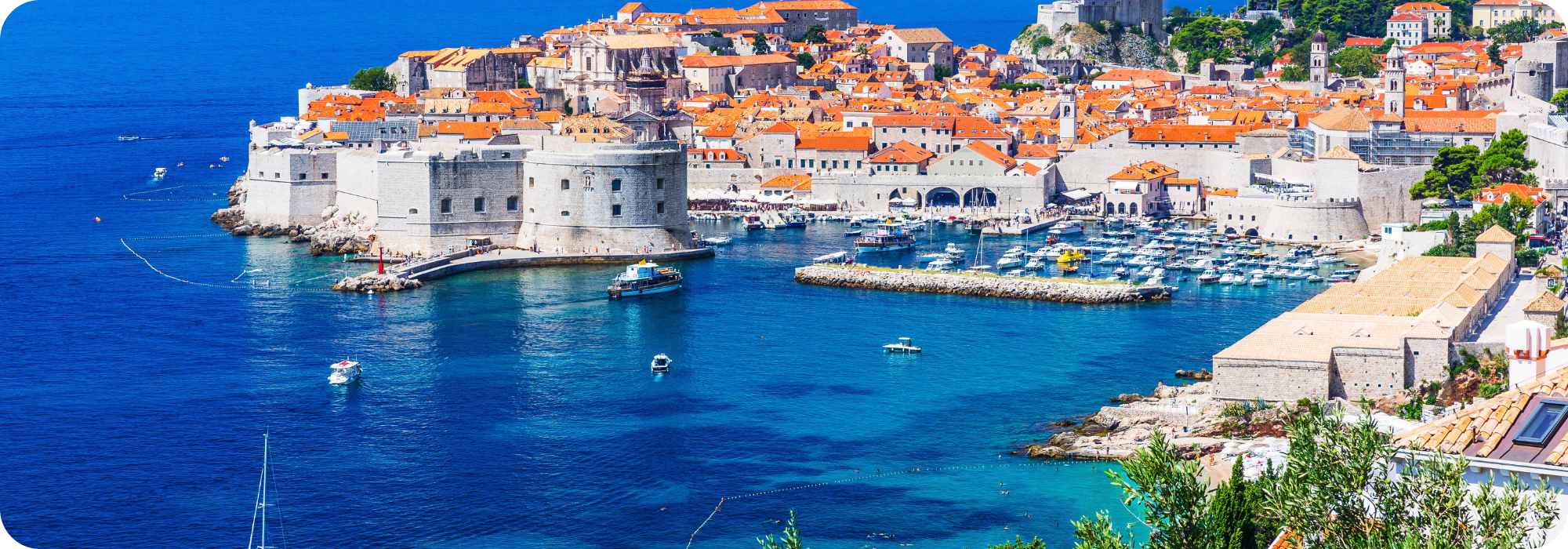
Situated at the crossroads of Central and Southeast Europe, Croatia's diverse geography and climate provide an ideal environment for grape cultivation and winemaking. Croatia has two main wine regions: Continental Croatia and Coastal Croatia. Within these regions, there are several sub-regions, each offering unique terroirs and grape varieties. Croatian winemakers are increasingly focusing on quality and modern winemaking techniques while preserving their centuries-old winemaking traditions.
Romania winemaking
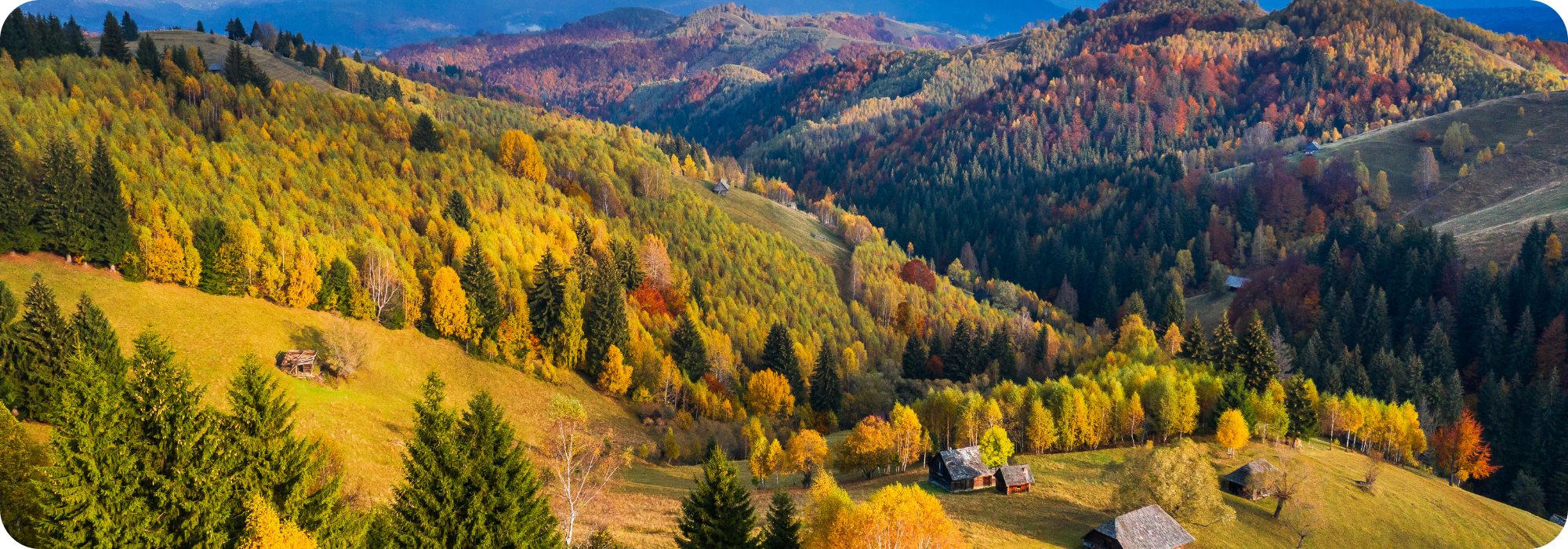
The country's geographical diversity, with its rolling hills, plateaus, and river valleys, provides an ideal environment for grape cultivation and wine production. It is known for its vast array of indigenous grape varieties, some of which are unique to the region. Fetească Neagră, Fetească Albă, and Grasă de Cotnari are just a few examples of local grapes that contribute to Romania's distinctive wine offerings. In recent years, Romania's Balkan wine industry has been undergoing a renaissance, with a renewed focus on quality and international recognition.
Greece winemaking
Greek winemaking has a history that spans thousands of years, making Greece one of the oldest wine-producing regions in the world. Wine has played a significant role in Greek culture, mythology, and daily life since ancient times, and it continues to be an essential part of Greek identity and heritage. Greek winemakers value their traditional winemaking methods of Balkan wine, with some wineries employing organic and biodynamic practices to promote sustainability and protect the environment. Check out our blog about everything you need to know about the best Greek wines and wineries.