
Train Routes Through Wine Regions: A Slow Journey to Flavorful Discoveries
There's a particular pleasure that belongs to taking the train through wine country. The car waits at the station; the road maps stay folded. You sit by a window, watch terraced vineyards turn the river silver below you, and think — without meaning to — that this is how travel was supposed to feel. Europe's great wine train routes aren't a novelty. They're the slow alternative the high-speed century almost made us forget.
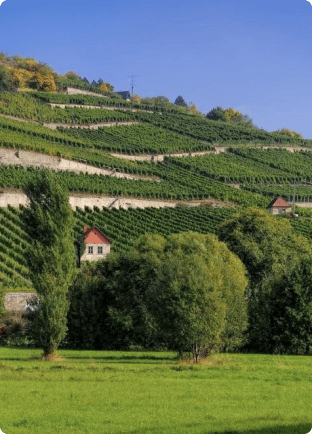
These routes do something a hire car can't: they show you the geography that made the wine. A vine clinging to a 60-degree schist slope, a Riesling vineyard the river bends around, a Romanesque tower in the middle of a Saint-Émilion plot — these reveal themselves at 50 kilometers an hour in a way they cannot at 130. You arrive at a tasting changed by what you've seen on the way. This is a guide to six of Europe's best wine train routes, the wineries to book along them, and how to plan a journey that's about the going as much as the arrival.
At a glance: Europe's best wine train routes
Europe's most scenic wine train routes pair beautiful rail journeys with serious wine regions, often along rivers carved through centuries of vineyard terraces. The standouts: the Linha do Douro (Porto to Pocinho) hugging Portugal's Douro Valley; the Mosel Valley line (Koblenz to Trier) through Germany's Riesling slopes; the Wachau railway (Vienna to Krems) along the Danube; the Bordeaux to Saint-Émilion direct connection into Right Bank Merlot country; the Tuscan regional rail between Florence, Siena, and Pisa; and the Lavaux line along Lake Geneva's UNESCO terraced vineyards. Each route can be planned in two to four days, with a handful of bookable winery visits along the way.
Why take a wine train route?
Three reasons most travelers who try this don't go back to driving.
First, the wine itself: you can taste seriously without anyone counting their pours and watching the clock. The car is the silent restraint of every winery day. A train removes it.
Second, the landscape: vineyard terraces, river valleys, and medieval towns were built before cars and reveal themselves at rail speed. Many of these lines were laid in the 19th century specifically to serve the wine trade.
Third, the pace: trains slow you down to the rhythm of the region. Long lunch, short walk, next station.
Six wine train routes worth slowing down for
1. Linha do Douro — Porto to Pocinho, Portugal
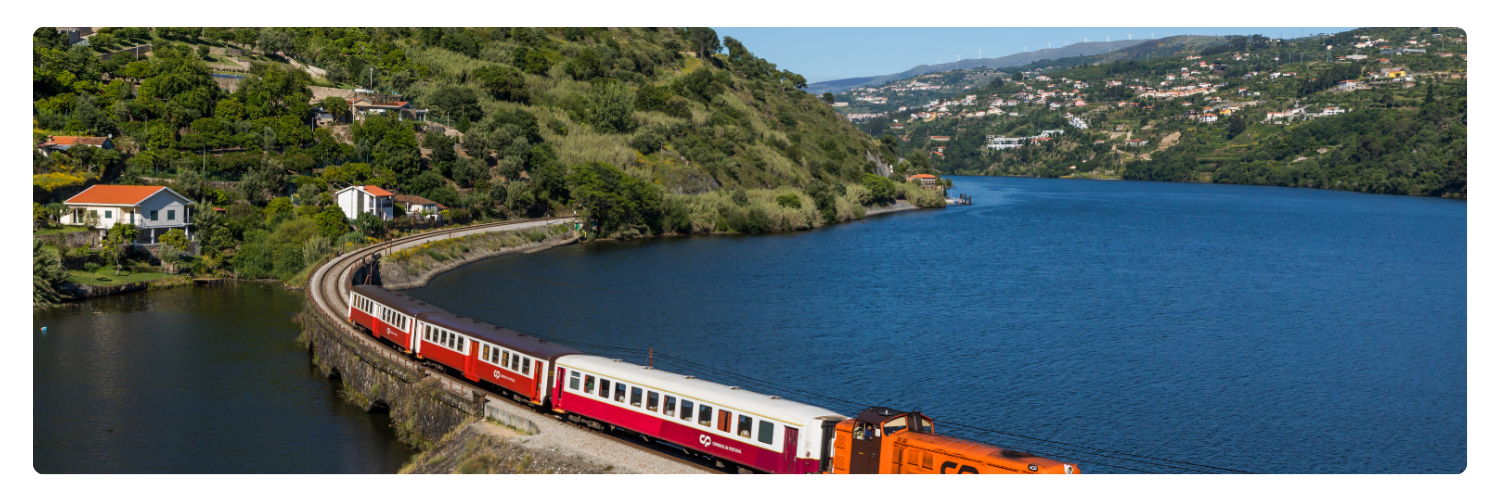
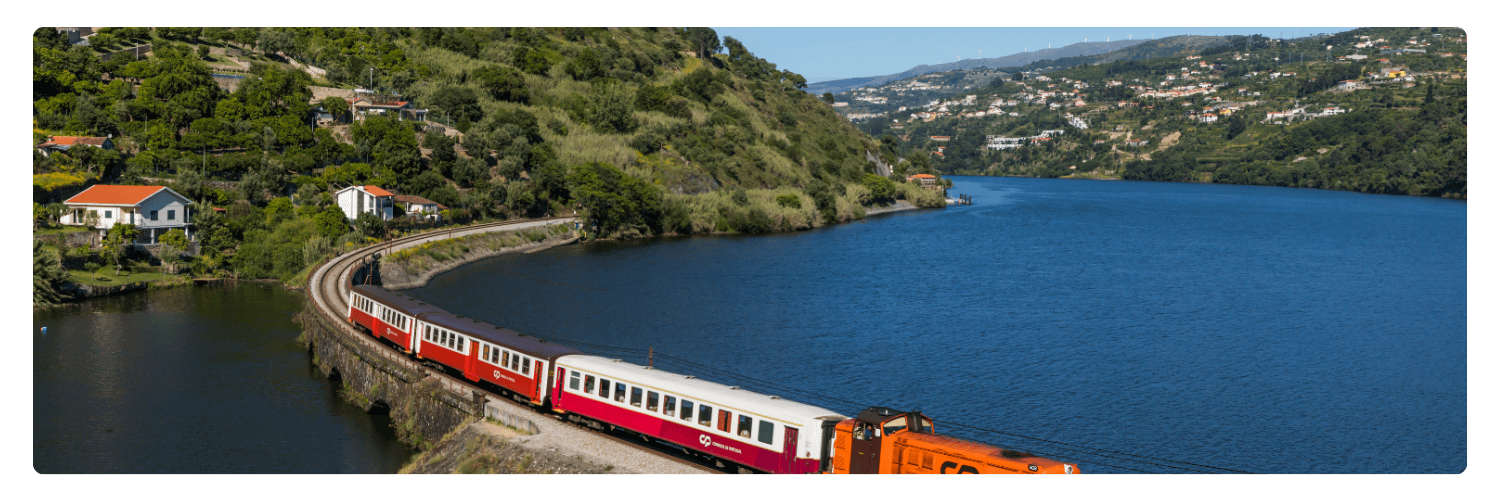
The most celebrated rail journey in wine country. The train leaves Porto's São Bento station, follows the Douro River east into terraced Port country, and ends three hours later at Pocinho near the Spanish border. The river-hugging section between Régua and Pinhão is often called one of the most beautiful train rides in Europe — and not by tourism boards. By people who travel a lot.
Get off at Pinhão, where the azulejo-tiled station shows scenes of the vindima (grape harvest). Stay one or two nights and visit local quintas by car or boat — many estates pour Port and unfortified Douro reds side by side. Notable quintas to visit include A&D Wines - Quinta de Santa Teresa and Quinta do Tedo, offering intimate tours and tastings. The September harvest, which still includes traditional foot-treading at some quintas, is the unforgettable time to visit.
2. Mosel Valley — Koblenz to Trier, Germany
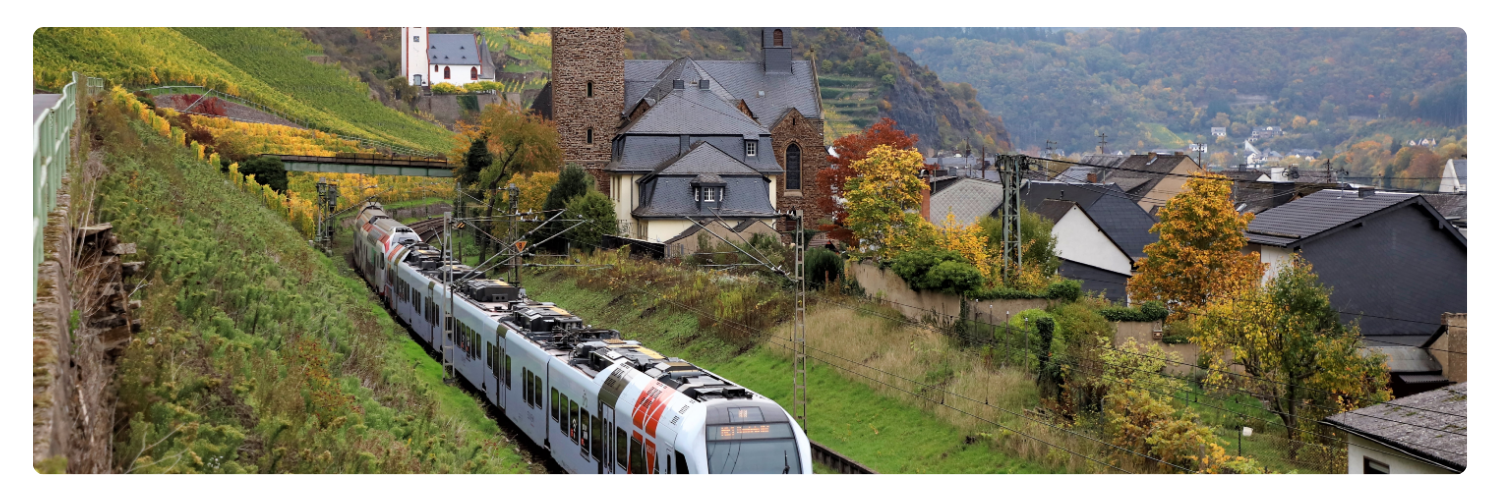
The Moselbahn winds along the Mosel river for roughly 200 kilometers between Koblenz and Trier, through some of the world's most dramatic Riesling vineyards. The slopes are so steep that grapes must be harvested by hand. The villages are storybook half-timbered. The wine is bright, slate-driven, and far drier in modern interpretations than the sweet stereotype suggests.
Base in Bernkastel-Kues for the medieval core and easy access to producers, or in Trier — Germany's oldest city, with Roman ruins to walk between tastings. Recommended stops include Weingut Kerpen and Weingut Markus Molitor, both renowned for their exceptional Rieslings. Time a visit for August's Bernkasteler Weinfest or the broader Mosel wine festival circuit running through late summer.
3. Wachau railway — Vienna to Krems, Austria
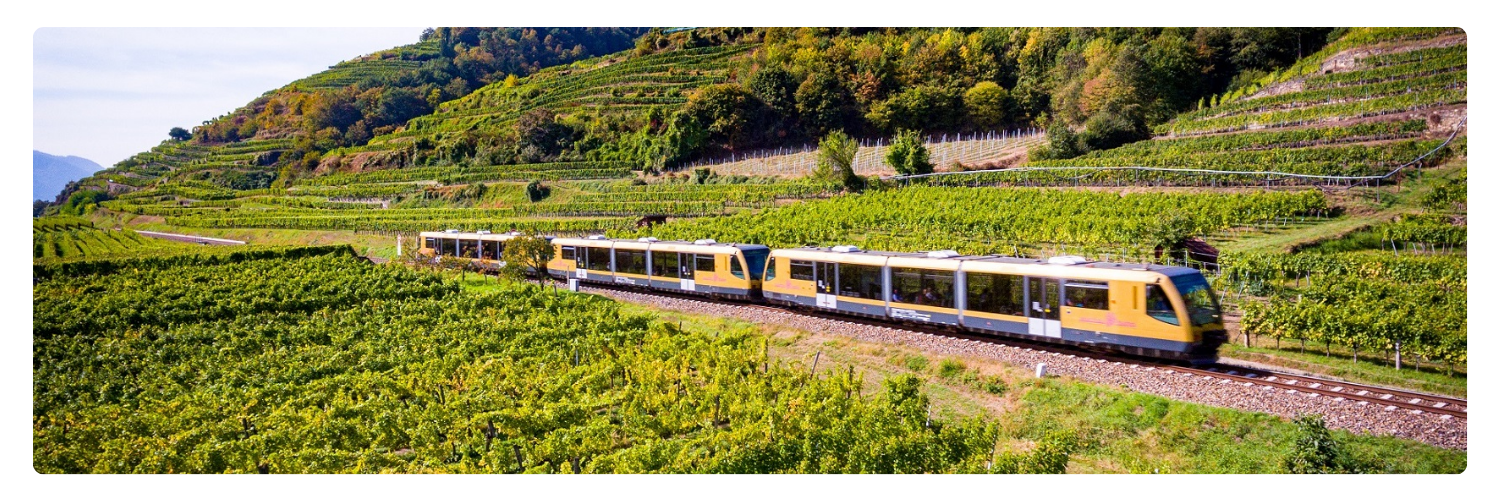
The S-Bahn from Vienna reaches Krems in under an hour. From Krems, the regional Wachaubahn continues along the Danube through the UNESCO-listed Wachau valley, past terraced vineyards growing some of the world's best Grüner Veltliner and Riesling. The villages of Dürnstein, Weissenkirchen, and Spitz are each a fifteen-minute walk from their stations and a full afternoon's worth of small producers.
In Dürnstein, visit Domäne Wachau for their acclaimed Grüner Veltliner, and in Spitz, Weingut Lagler is a must for Riesling lovers. The Wachau pairs well with Vienna — three nights in the capital and two in the valley makes a complete trip. Time for the Wachau apricot festival in July, or harvest in mid-September if you want the vineyards in their final color.
4. Bordeaux to Saint-Émilion, France
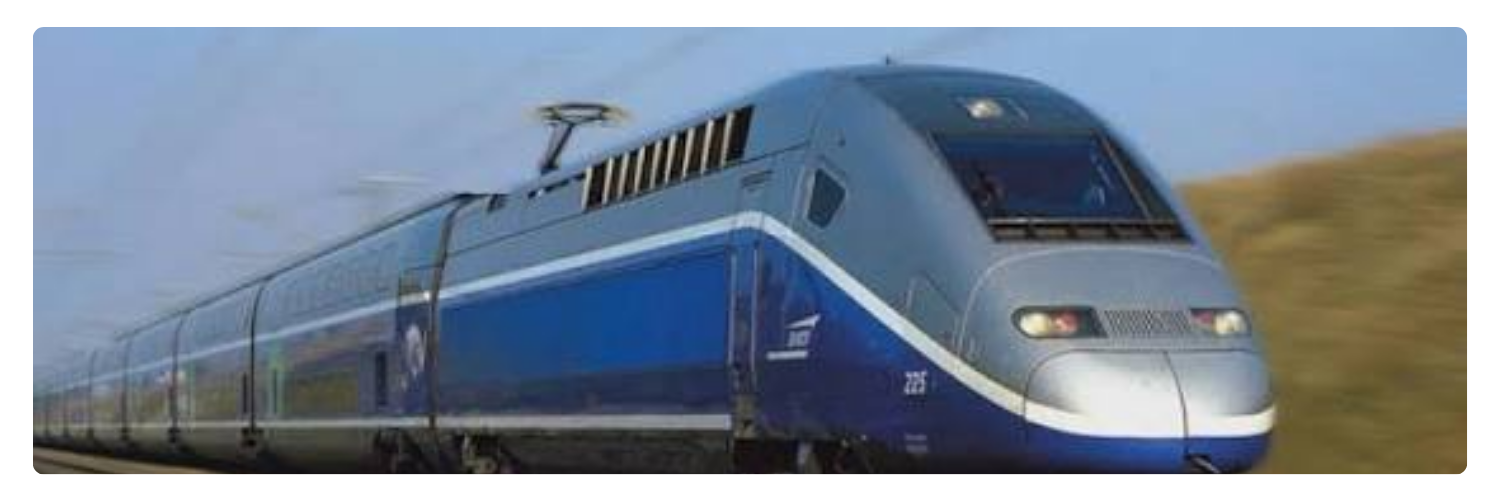
The most underrated wine train ride in Europe — because it's so short. A direct train leaves Bordeaux Saint-Jean station and reaches Saint-Émilion in about 35 minutes. You step off in the middle of one of the world's great Merlot-based wine regions, and you walk through the medieval village to your first tasting.
WineTourism.com lists several bookable estates within taxi or walking range of Saint-Émilion station:
- Château Coutet — a Grand Cru Classé estate owned by the same family for over 400 years, working organically long before it was fashionable. The Tradition Tour walks visitors through the cellars and history, finishing with two wines.
- Château La Croizille + Château Tour Baladoz — a combined visit to two Saint-Émilion Grand Cru Classé estates with contrasting modern and traditional cellars, concluding with a terrace pairing of tapas and reds.
- Château Balestard La Tonnelle — a Grand Cru Classé with a 15th-century watchtower at its heart, mentioned in a François Villon poem, and a rooftop terrace tasting with sweeping vineyard views.
- Château Brûlesécaille — family-led tastings of three labels including the renowned Château Yon Saint-Christophe.
Time a visit for the La Jurade ceremonies — the Fête de Printemps in June or the Ban des Vendanges in September, when the medieval brotherhood overseeing Saint-Émilion's wine quality since 1199 processes through the town in red robes.
5. Tuscan regional rail — Florence, Siena, Pisa
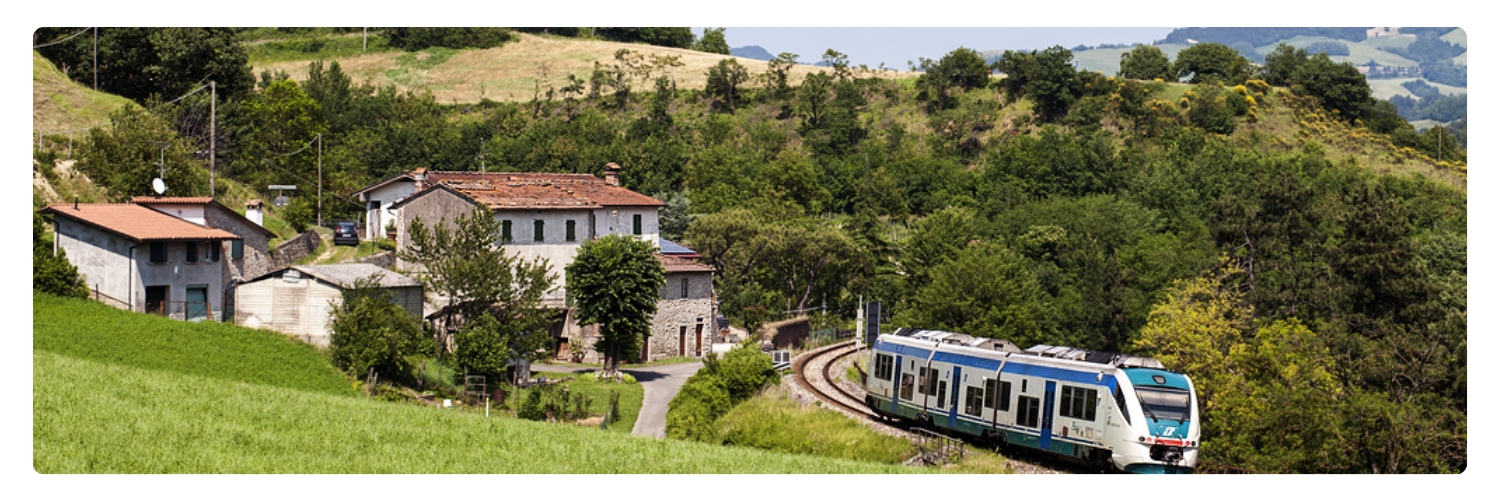
Italy's regional trains in Tuscany aren't celebrated the way the Douro is, but they should be. Florence to Siena takes about 90 minutes through Chianti hills you'll wish you could photograph at every curve. Florence to Pisa runs along plains and rivers and gets you within an hour of Bolgheri and the coast.
The trick is to base in one of these towns and day-trip outward. In Chianti, Fattoria La Castellina and Castello di Meleto offer immersive experiences. Tuscan harvest festivals (sagre) crowd the calendar from September through October — pick a village, arrive on the festival weekend, and the choice of what to do is made for you.
6. Lavaux line — Lake Geneva, Switzerland
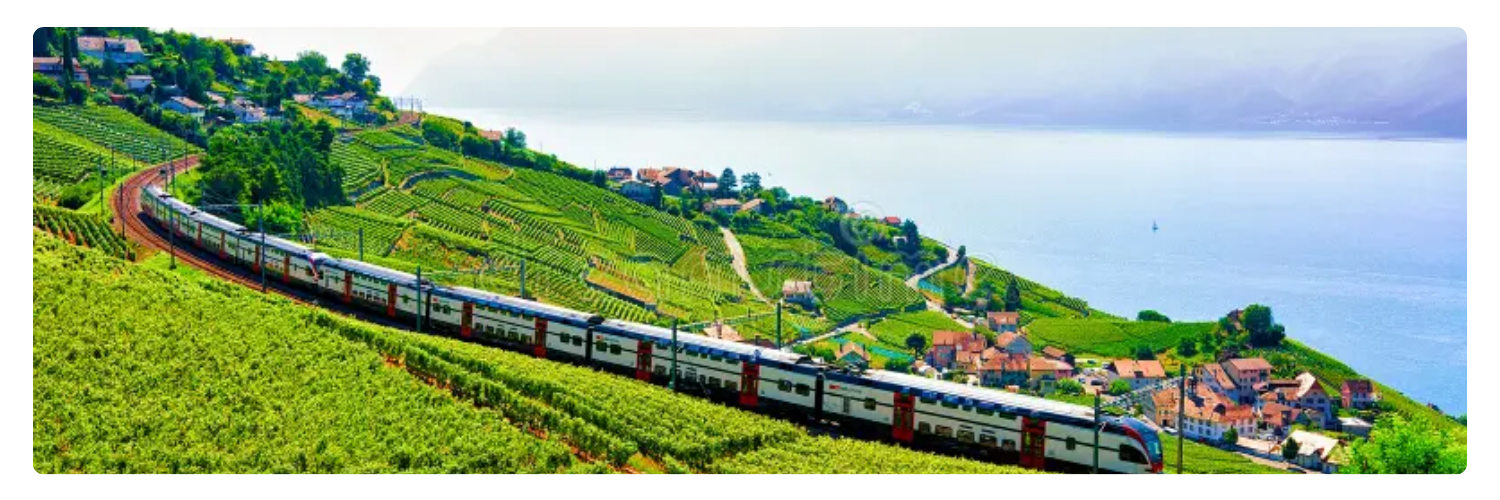
Between Lausanne and Montreux, the Swiss regional train follows the shoreline of Lake Geneva past the Lavaux UNESCO-listed terraced vineyards — 30 kilometers of stone walls and Chasselas vines climbing from the lake nearly to the horizon. The villages of Cully, Rivaz, and Saint-Saphorin each have stations and small wineries within walking distance. Recommended visits include Domaine Croix Duplex in Grandvaux and Domaine De La Crausaz in Chexbres. Switzerland exports very little wine, which means almost everything here is drunk locally and almost everything is excellent.
Seasonal events worth timing for
Wine train trips reward timing:
- Late May to early June — Saint-Émilion's Fête de Printemps; the Wachau in full green
- June — São João do Douro festival; Lavaux Vinorama events
- August — Mosel wine festivals begin; Bernkasteler Weinfest at the end of the month
- Mid-September to mid-October — harvest across all six regions; Saint-Émilion's Ban des Vendanges; Douro's vindima
- November — Beaujolais Nouveau (third Thursday); end-of-harvest meals across most regions
Avoid August on Iberian and Mediterranean lines (heat and crowds) and December on most northern routes (most estates close).
Practical tips for planning a wine train trip
Book a flexible point-to-point rail pass rather than individual tickets. Reserve tastings at least two weeks in advance through platforms like WineTourism.com — these estates are small and have limited daily capacity.
Pack light — you'll be moving stations every day or two. Bring a small soft cooler with ice packs; you'll want to take a few bottles home, and rail luggage limits make this easier than flying. Leave at least one full day in each base village unplanned.
Why slow trains belong on your wine map
A wine train trip isn't a compromise. It's a different shape of the same idea. You see the country in the right order — geography first, village second, glass third — and you arrive at each estate knowing why the wine tastes the way it does. The Douro doesn't make sense until you've watched the river bend a hundred times. The Mosel doesn't make sense until you've seen what 60 degrees of slate slope looks like. The train is how you see them. The wine is how you taste what you've seen.