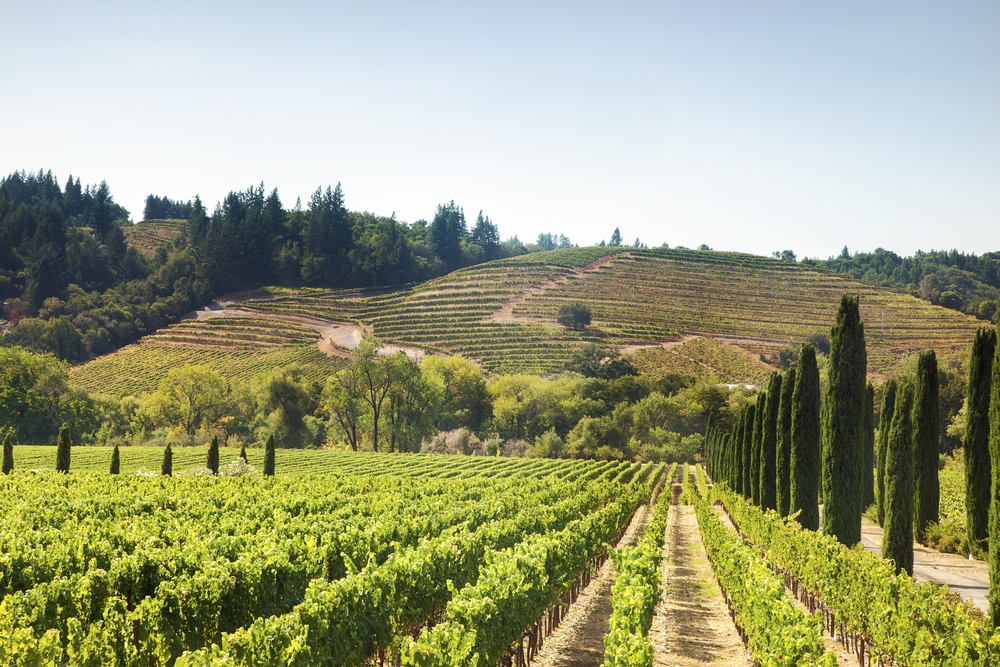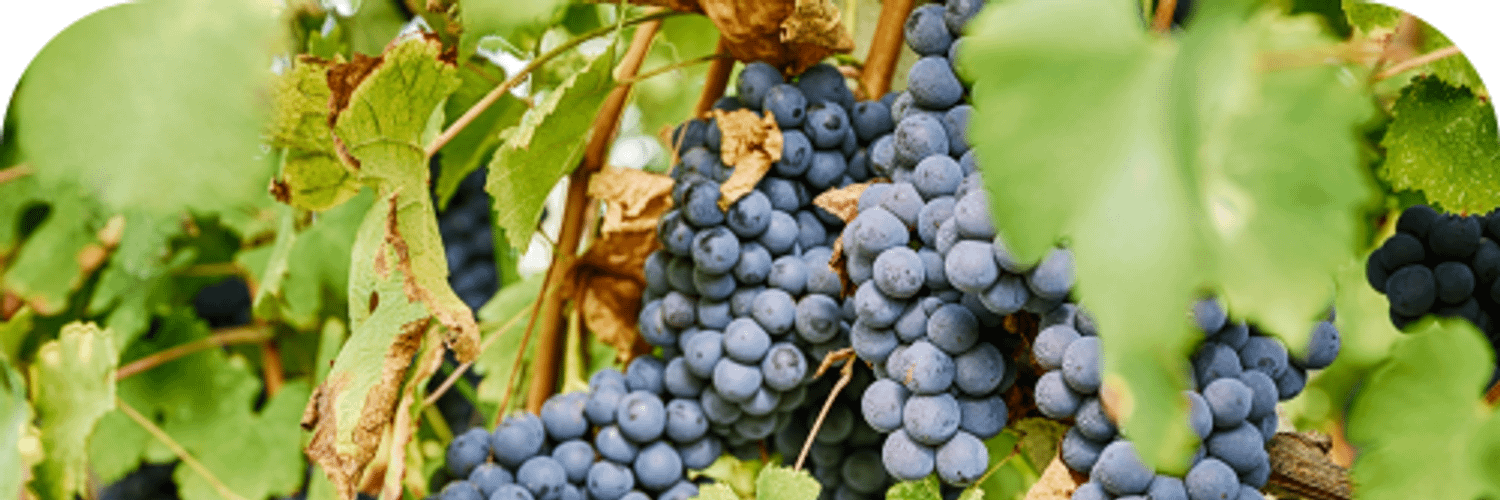

Barbera grapes, renowned for their vibrant character, thrive in the rolling vineyards of Italy. Originating in the Piedmont region, these grapes yield wines cherished for their lively acidity, deep color, and approachable nature. The Barbera varietal is often celebrated for its versatility, ranging from fresh and fruit-forward expressions to well-structured, age-worthy wines. With a history dating back centuries, Barbera has become a staple in Italian winemaking, producing red wines that showcase cherry and berry flavors complemented by hints of spice and a touch of earthiness. Whether enjoyed as a young and vibrant companion or a mature and complex delight, Barbera wines consistently embody the essence of Italian viticulture and offer a delightful journey through this iconic grape's evolving legacy.

Where is Barbera from?
Barbera is an Italian grape variety that originates from the Piedmont region in northern Italy. It is one of Italy's most widely planted red grape varieties and has been cultivated in the region for centuries. The grape is particularly associated with the areas of Asti and Alba in Piedmont.
While Barbera's origins are in Italy, it has gained recognition and popularity beyond its home country. Over the years, the cultivation of Barbera grapes has spread to other wine regions around the world. Barbera is grown in several regions within California, especially in areas like the Sierra Foothills, Napa Valley, and Sonoma County. It has also gained popularity in some Australian wine regions, such as the Adelaide Hills and McLaren Vale, which have also embraced Barbera cultivation and winemaking. The Barbera grape has found a home in Argentina's wine regions, where it's often used in blends or produced as a single varietal wine.
Additionally, small plantings of Barbera can be found in countries like Chile, Canada, South Africa, and New Zealand.

Barbera: The Acidic Ally
One of the intriguing characteristics of Barbera grapes is their naturally high acidity. While acidity might not sound like the most exciting trait, it's this very quality that makes Barbera wines remarkably food-friendly and versatile. The grapes' acidity adds a refreshing zing to the wines, making them a delightful companion to a wide range of dishes. In fact, Barbera's acidity can stand up to rich and hearty foods, acting as a palate cleanser and enhancing the overall dining experience. Whether it's a pizza night, a barbecue, or a gourmet meal, Barbera wines have earned their reputation as the "go-to" choice for those seeking a lively and food-enhancing wine. So, next time you're enjoying a glass of Barbera, remember that its zesty acidity is the secret ingredient that keeps your taste buds dancing with joy!
Terroir for Barbera
The terroir for Barbera wines plays a significant role in shaping the characteristics and flavors of the grapes, ultimately influencing the style of the wines produced. While Barbera grapes are adaptable and can thrive in various terroirs, specific regions have become known for producing distinctive Barbera wines.
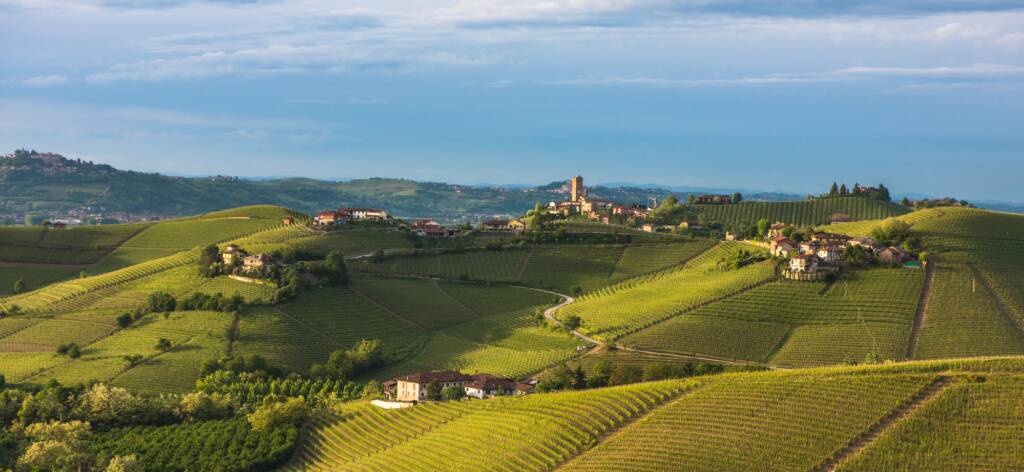
Barbera's birthplace, Piedmont, is characterized by its hilly landscapes and diverse microclimates. The region's mix of altitudes, soils, and exposures contributes to the wide range of Barbera wines. Areas like Asti and Alba have limestone-rich soils, resulting in Barbera wines with bright acidity and red fruit flavors.
The type of soil affects how Barbera grapes develop. Calcareous soils, prevalent in parts of Piedmont, provide excellent drainage and contribute to the grape's acidity. In other regions, soils may range from clay to sand, each influencing the grape's growth and character. Barbera thrives in regions with warm to hot climates. Warmth helps the grapes ripen fully, but temperature fluctuations between day and night are essential for preserving acidity. The sunny days in many Barbera-growing regions promote sugar development, while cool nights maintain acidity. Outside of Italy, Barbera's terroir characteristics adapt to the specific regions. For example, California's warm climate often leads to riper fruit flavors, while other regions may emphasize the grape's acidity and freshness.
Barbera Wines Characteristics
Barbera is a versatile grape variety that produces a range of wines with diverse characteristics. The style of Barbera wines can vary based on factors such as the region where they are grown, the winemaking techniques used, and the age of the vines. Barbera d'Alba and Barbera d'Asti are two of the most famous DOC designations for Barbera wines in Piedmont, Italy. Barbera d'Alba wines are often richer and more structured, while Barbera d'Asti wines tend to be more approachable and fruit-driven. Young Barbera wines are often fresh, vibrant, and fruit-forward.
They are known for their bright acidity and flavors of red fruits such as cherries, raspberries, and strawberries. These wines are typically easy-drinking and can be enjoyed on their own or paired with a variety of foods. Barbera wines that undergo oak aging and have a longer time in the bottle can develop more complex flavors and textures. They may showcase secondary characteristics like dried fruit, tobacco, leather, and even some earthy or herbal notes. Aged Barbera wines tend to have smoother tannins and a rounder mouthfeel.
What to Pair with Barbera
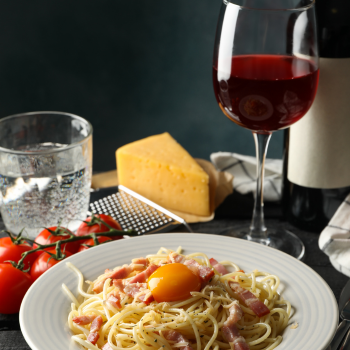
The lively acidity and versatile flavors of Barbera wines make them perfect companions for tomato-based Italian cuisine, including pasta marinara, pizza, and meatball.
Barbera's acidity cuts through grilled meats, enhancing barbecue flavors and complementing charred textures. Roasted or grilled poultry, along with mushroom-based dishes, showcase the wine's earthy notes. It's a delightful partner for hard cheeses like aged cheddar and Parmesan. The wine's vibrancy also handles the spice of dishes like Mexican and Indian cuisine. Overall, Barbera's acidity and diverse profile make it an excellent choice for enhancing the flavors of a wide array of foods.
Where to find the best Barbera
61f3d89b62dca.png)
Piedmont
Here are some wineries in Piedmont where you can taste the best Barbera:
California
Here are some wineries in California where you can taste the best Barbera: