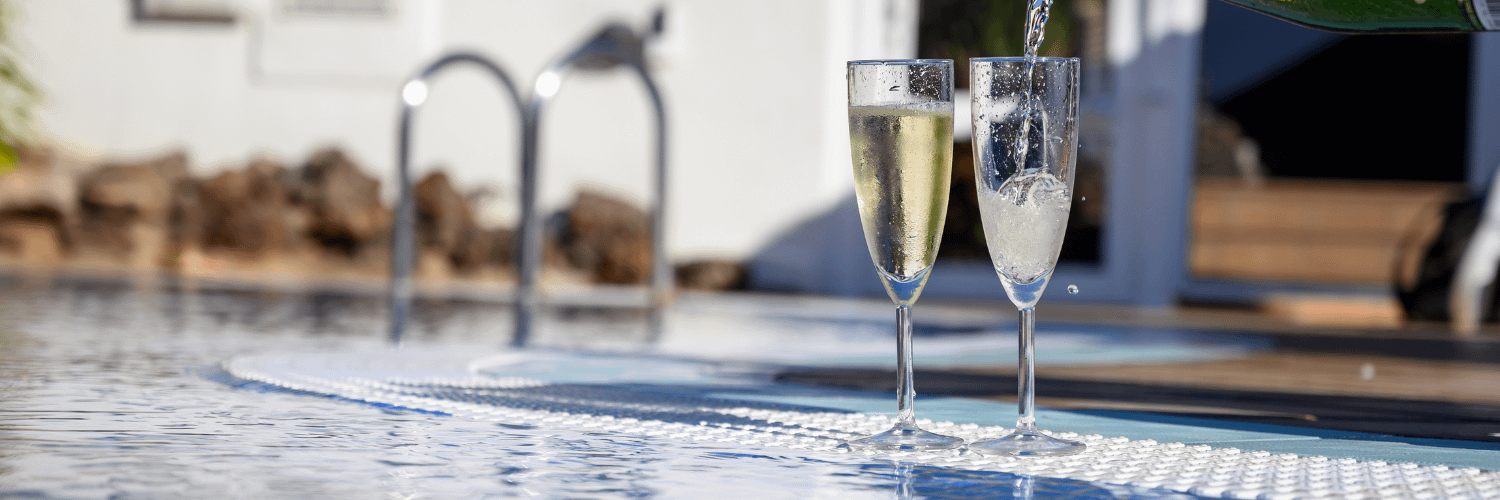

DO Cava: Unveiling the Sparkling Gem of Spanish Winemaking
Buena comida + buen vino + buena compañía = grandes momentos
Cava is more than just a sparkling wine; it's a ticket to Spain itself, where you can imagine soaking up the sun, strolling along beautiful beaches, savoring delicious tapas and paella, and indulging in the famous jamón. It's a chance to feel the vibrant energy of Spain and be transported to a world of Gaudi's magnificent architecture and Dalí's surreal art. With every sip of Cava, you can experience a taste of the charm and allure of Spain.
In this article, we will explore the origins, production process, distinct features, and food pairings of Cava wine, providing you with a comprehensive guide to this exquisite Spanish gem.
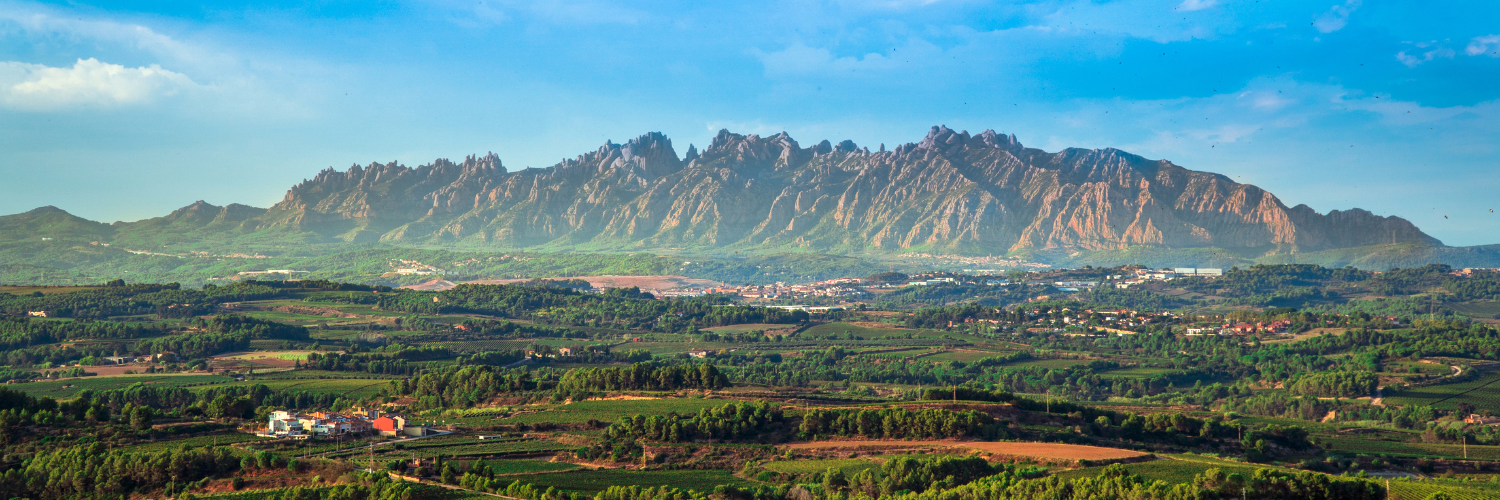
What is Cava?
Cava is a sparkling wine that originates from the Catalonia region in Spain. It is produced using the traditional method, similar to Champagne, where the secondary fermentation occurs in the bottle, resulting in its characteristic effervescence. Cava is made from a variety of grapes, including Macabeo, Parellada, and Xarel·lo, among others. It is known for its crisp and refreshing taste, often with notes of citrus, green apple, and brioche. Cava is a popular choice for celebrations and is enjoyed as an aperitif or paired with a wide range of dishes.
A Journey into Cava's Origins
In the late 19th century, Josep Raventós, the father of cava, set out to create a Spanish sparkling wine in the Penedès region that could rival the esteemed Champagne of France. Inspired by the success of French counterparts, he sought to bring the art of sparkling winemaking to his own land.
Later other pioneering winemakers of the region would support Josep Raventós idea. They carefully selected their vineyards, embracing the unique terroir of Catalonia. They discovered that the combination of different soils, ample sunshine, and the Mediterranean climate provided the perfect conditions for cultivating grapes with exceptional character and flavor. With passion and dedication, these winemakers employed the méthode champenoise, the traditional method of Champagne production, to create Cava.
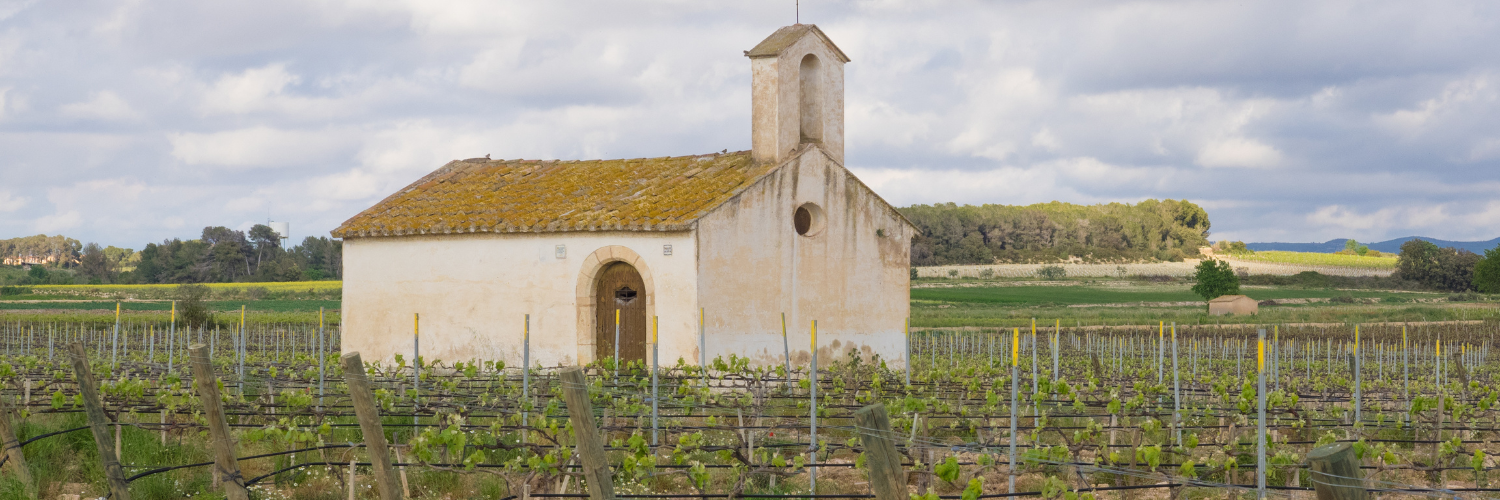

Sant Sadurní d'Anoia, The Capital of Cava
Today, Sant Sadurní d'Anoia is widely known as the Cava capital of Penedès, where the majority of cava is produced. This enchanting destination is a must-visit for architecture and wine enthusiasts alike, offering a delightful blend of captivating structures and exquisite vineyards.
Cava can also be made in certain other towns and regions of DO Cava that lie in the Catalonia region. This territory includes 69 municipalities in different regions such as Alt Penedès, Alt Camp, Alt Empordà, Baix Penedès, Anoia, Bages, Baix Llobregat, Conca de Barberà, Garraf, Maresme, La Selva, and Tarragonès. Outside of Catalonia, Cava comprises 23 municipalities, including in La Rioja, two in Aragon, one in Valencia, and one in Extremadura.
The name "Cava" itself reflects the unique nature of this sparkling wine. In Catalan, "Cava" translates to "cellar" or "cave," denoting the underground cellars where Cava wines are carefully aged and matured to perfection.
Crafting Cava: The Art of Bubbles
Crafting Cava is a careful and precise process that requires patience and knowledge about the grapes. The grapes are handpicked between August and October. After picking, they are gently pressed to extract the juice, which is then fermented to create a still wine. The real magic happens during the secondary fermentation.
The traditional method, called método tradicional, is used to make Cava. The fermented wine is transferred to bottles and sugar is added for a second fermentation. The bottles are then rested horizontally for at least 9 months, allowing sediment to form. To remove the sediment, the bottles are turned a quarter turn twice a day. Finally, they are sealed with their distinctive cork.
When it comes to aging, there are three main categories of Cavas: Cava (minimum 9 months), Cava Reserva (minimum 15 months), and Cava Gran Reserva, which spends a minimum of 30 months in the bottle, aging gracefully in the cellar. These Gran Reserva Cavas undergo rigorous testing to ensure quality, and you'll find the vintage mentioned on the label, showing their dedication to excellence.

What grapes can be used for Cava?
Cava showcases a blend of indigenous grape varieties that contribute to its unique taste profile. While Macabeo, Parellada, and Xarel·lo are the traditional trio, other authorized grapes such as Chardonnay, Subirat Parent (Malvasia), Garnacha Tinta, Trepat, Pinot Noir, and Monastrell can also be used. The last mentioned 4 red varieties are used to make the rosé style of cava. This diverse selection of grapes allows for a wide range of flavors and expressions in cava.
The Xarel·lo gives the wine a flowery and elegant taste and adds the right amount of acidity. Parellada makes the wine fresh providing green apple and citrus notes, while Macabeo gives it structure.
Distinctive Tasting Notes of Cava Wine
Cava bursts with vibrant citrus flavors, like zingy lemon, refreshing lime, and juicy grapefruit. These lively notes bring a tangy character to the wine. Delicate floral aromas - such as white flowers and blossoms - grace Cava, enhancing the sensory experience with elegance and finesse. Additionally, you'll discover the delightful presence of luscious apple and ripe pear, adding a touch of sweetness and juicy pleasure to the wine. Last but not least, Cava's well-balanced acidity delivers freshness and liveliness, harmonizing all the flavors and creating a truly delightful taste sensation.
Cava events in DO Cava that gives an unforgettable experience
DO Cava offers exciting events for cava enthusiasts, such as the Cavatast exhibition and Setmana del Cava celebration held in Sant Sadurní d'Anoia, the capital of cava. The Setmana del Cava features an international cava congress, a popular lunch, and the election of the Queen of Cava. Visitors can also take the Cava Train from Barcelona to Sant Sadurní de Anoia and enjoy open tastings at local wineries. Many Catalan cava wineries are open for tours, which often include an explanation of the cava making process and tastings of their products.
What are the types of Cava?
There are also different types of Cava, depending on the amount of sugar that is added to the wine during its production process.
- Brut Nature: can contain up to 3 grams of sugar per liter. This sugar is produced naturally during fermentation and no extra sugar is added to it.
- Extra Brut: It has a little more sugar, up to 6 grams per liter.
- Brut: up to 12 grams of sugar per liter
- Extra Dry: from 12 to 17 grams per liter.
- Dry: between 17 and 32 grams per liter.
- Semi-dry: between 32 and 50 grams per liter.
- Sweet: more than 50 grams of sugar per liter
Food pairings with Cava wine
Cava is a versatile wine that can be a perfect match for various recipes. It has a lower alcohol content and fewer bubbles compared to other sparkling drinks, making it an ideal choice. You can select different types of Cava depending on your dish, considering whether you prefer a sweeter or drier option.
If you're having a salad with balsamic vinegar, a Cava Brut is the way to go. It complements the freshness of the salad perfectly. It also pairs well with rice dishes or paellas, as well as lamb meat, stews, or barbecues. When it comes to fish and seafood, a Cava Brut Nature or Reserve is a great choice. The bubbles in the Cava help cut through the richness of the fish.
You can never go wrong with classic options like pairing Cava with cheeses or some delicious Iberian ham. If you add some bread rolls with tomato, it's a combination that always hits the spot. So, whether you're enjoying a salad, a hearty meal, or some tasty appetizers, there's a Cava that will enhance your dining experience.
Top wineries to taste best Cava wine

Celler Jordi Lluch - Winery
Indulge yourself in a memorable wine tasting experience of the Jordi Lluch winery and taste some of the exclusive wines of the Penedes region. including Cava wine.
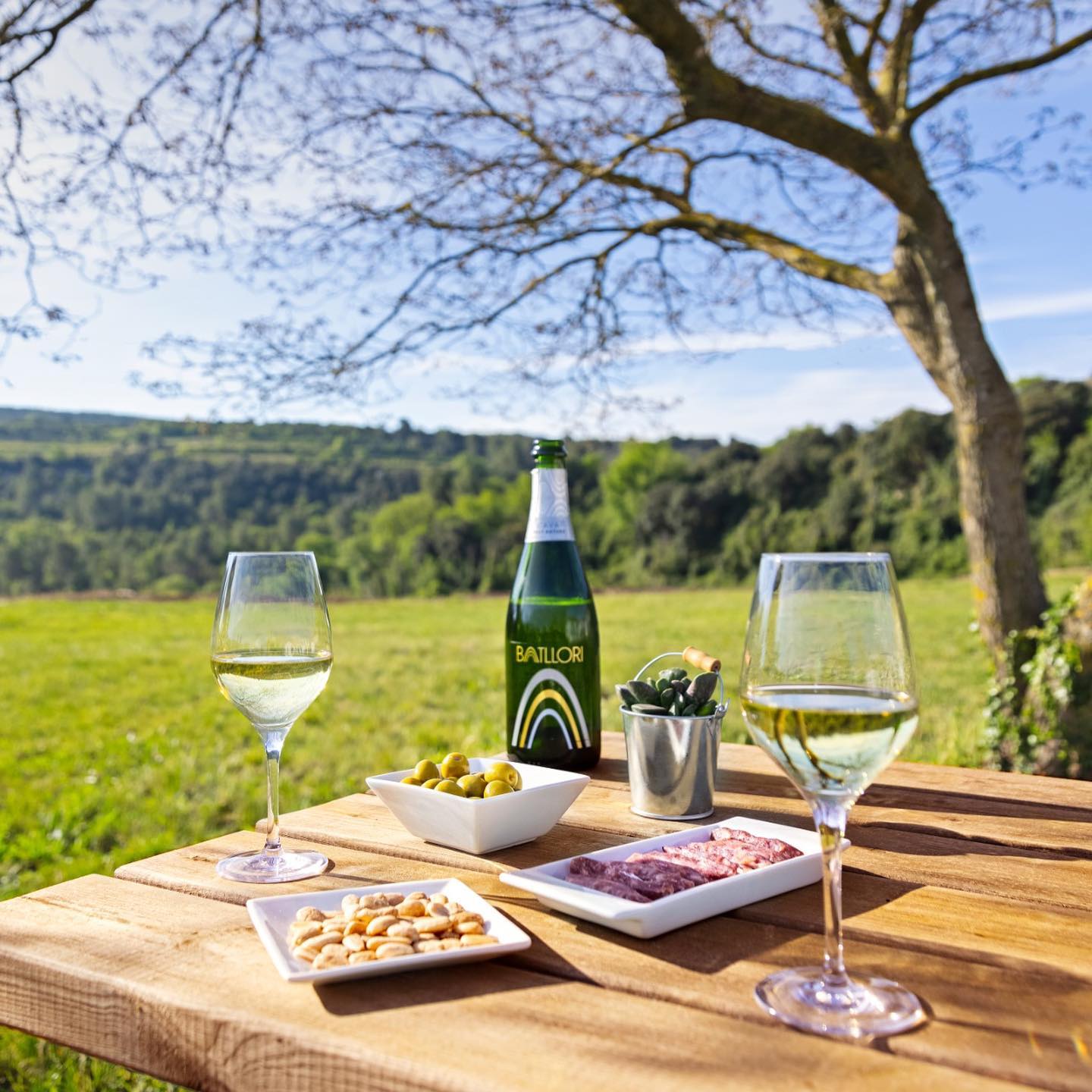
Finca Batllori - Exquisite Cava Wine
Taste different varieties of wines and cavas in the beautiful scenery of Catalonia. You can also witness the winemaking process and get more information aboujt grape varieties.
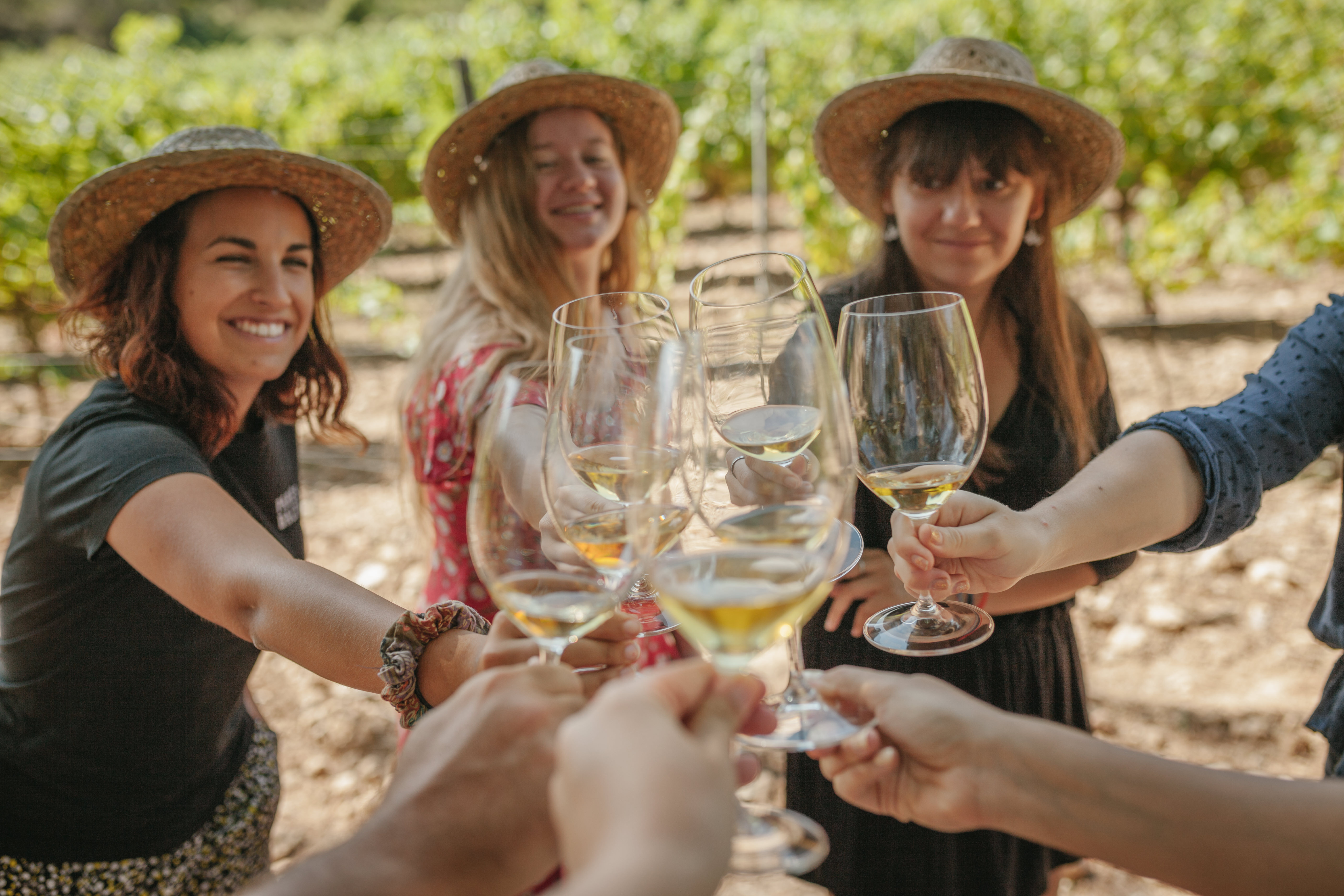
Parés Baltà - Cavas from Penedes
Explore a wide range of flavors and aromas through the tasting of organic and biodynamic wines and cavas. The tasting is served with a snack of fuet, manchego cheese, ham and extra virgin olive oil.

Cava Oriol Rossell
Discover the estate of Cal Cassanyes, the XVII century country house, the surrounding vineyards and the modernist cellar. Taste local cavas accompanied by an aperitif with potatoes, olives, secallona and sheep cheese.


