
How Often Do You Think About the Roman Empire While Sipping Wine?
Exploring the Ancient Legacy on Remarkable Wine Regions
In the world of wine, history and tradition often play a significant role in shaping the flavours and characteristics of the wines produced in various regions. One of the most enduring historical influences in the realm of wine is undoubtedly the Roman Empire.
The Romans not only had an incredible impact on the development of viticulture and winemaking but also left behind a legacy of wine-producing regions that thrive to this day. In this article, we will embark on a journey through five remarkable wine regions that owe much of their viticultural heritage to the Romans. From Italy to Spain, France to Germany, and beyond, the Roman Empire's enduring influence on wine is a testament to their sophisticated appreciation for this ancient elixir.
follow the steps of Ancient Romans and discover the top 5 wine regions carrying the legacy of the Roman Empire.
1. Tuscany, Italy: The Heart of Roman Viticulture
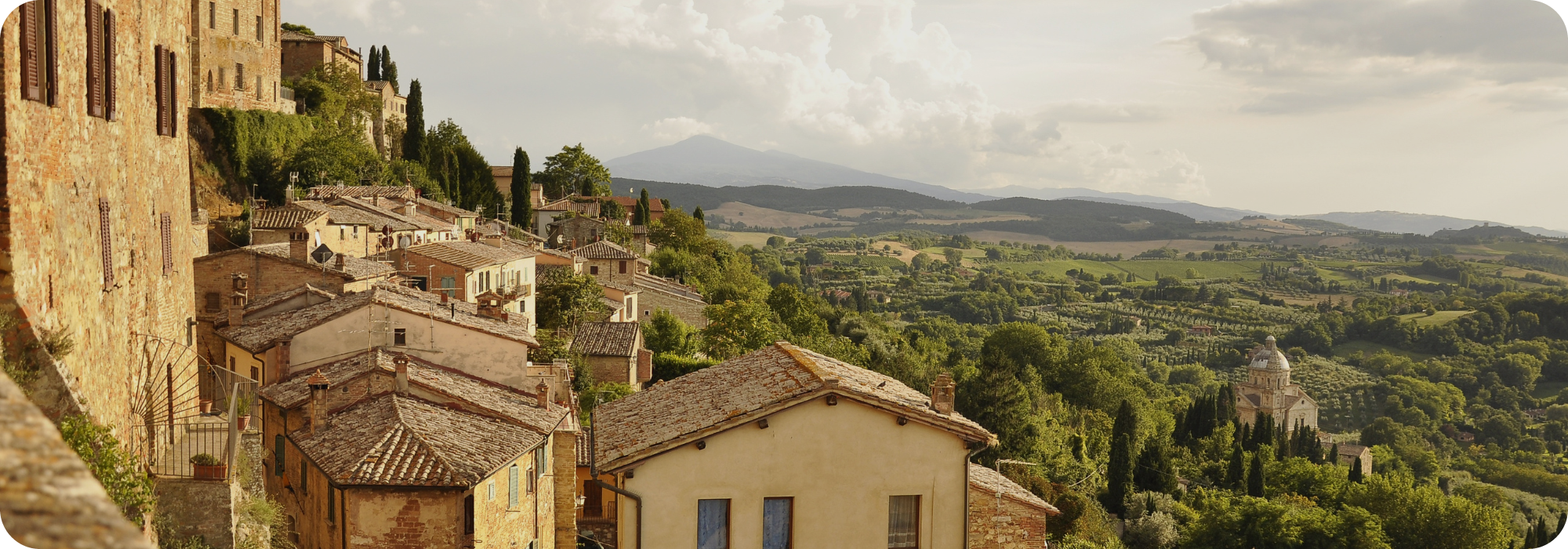
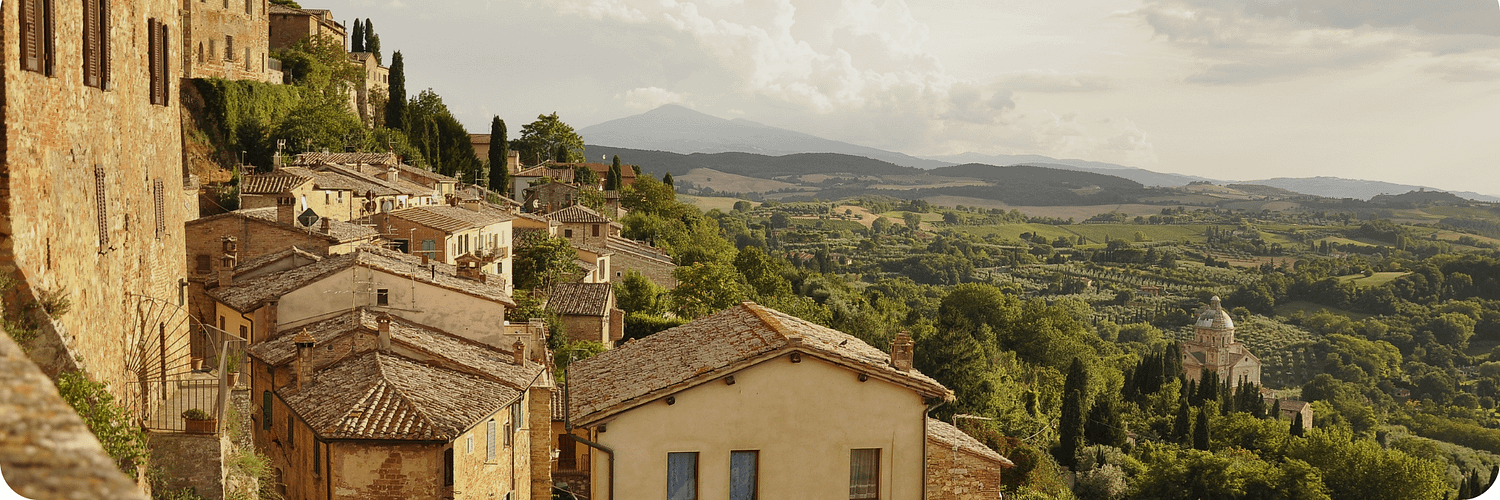
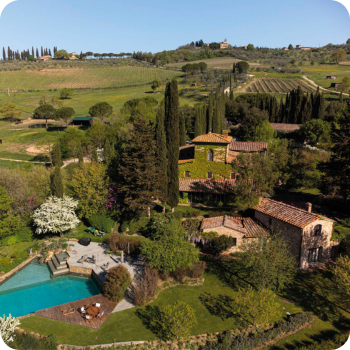
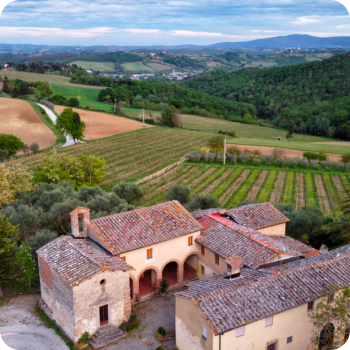
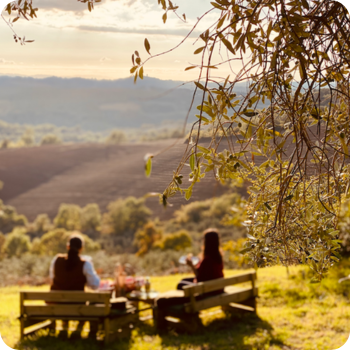
When one thinks of the Roman Empire and wine, Tuscany immediately comes to mind. The Romans cherished the fertile lands of Tuscany and recognized their potential for grape cultivation. Tuscany's rolling hills, mild climate, and diverse soils made it a prime region for vineyards. The legacy of the Roman Empire in Tuscany's wine industry is visible in the traditional winemaking techniques, grape varieties, and even the architecture of wine estates.
One of the most iconic Roman-influenced wine regions in Tuscany is Chianti. The Chianti Classico subregion, in particular, is renowned for its Sangiovese-based wines. The Romans were among the first to cultivate Sangiovese grapes, which they called "Sanguis Jovis" or "the blood of Jove." The name Chianti itself is derived from the Latin term "Clante," which refers to the area's Etruscan inhabitants. Today, Chianti Classico continues to produce some of Italy's most celebrated wines.
Discover some of the ancient wineries to visit in Tuscany
2. Priorat, Spain: A Roman Rediscovery

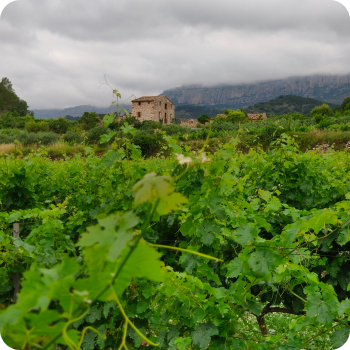
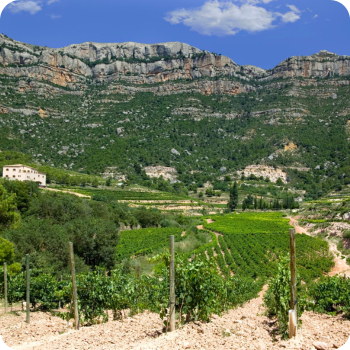
While Spain is famous for its wine regions, the Roman influence on viticulture in the region is often overlooked. In the northeastern region of Catalonia lies Priorat, a wine region with a rich history dating back to Roman times. The Romans planted vineyards in Priorat, recognizing the potential of its unique terroir.
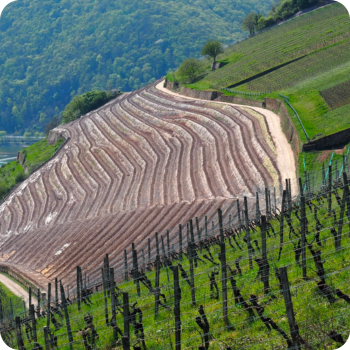
One of the remarkable aspects of Priorat's Roman legacy is the terraced vineyards that dot the landscape. The Romans were pioneers in terrace farming techniques, which allowed them to cultivate vines on steep slopes. These terraces not only provided stability to the soil but also ensured optimal sun exposure for the vines. Today, Priorat's vineyards continue to follow this ancient tradition, producing bold and expressive wines, primarily from Garnacha and Carignan grapes.
Discover some of the best wineries to visit in Priorat
3. Bordeaux, France: Where the Romans Paved the Way

Bordeaux is undoubtedly one of the most famous wine regions globally, known for its exceptional wines and historical significance. The Romans were instrumental in shaping Bordeaux's wine culture. They introduced viticulture to the region, recognizing its potential for producing fine wines.
The Roman influence is still evident in Bordeaux's winemaking traditions, with some vineyards boasting a history that stretches back to Roman times. The classic Bordeaux grape varieties, such as Cabernet Sauvignon, Merlot, and Cabernet Franc, have deep roots in Roman viticulture. The Romans even established the first wine trade routes from Bordeaux to Rome, laying the foundation for Bordeaux's reputation as a wine trading hub.
4. Rheingau, Germany: The Romans on the Rhine
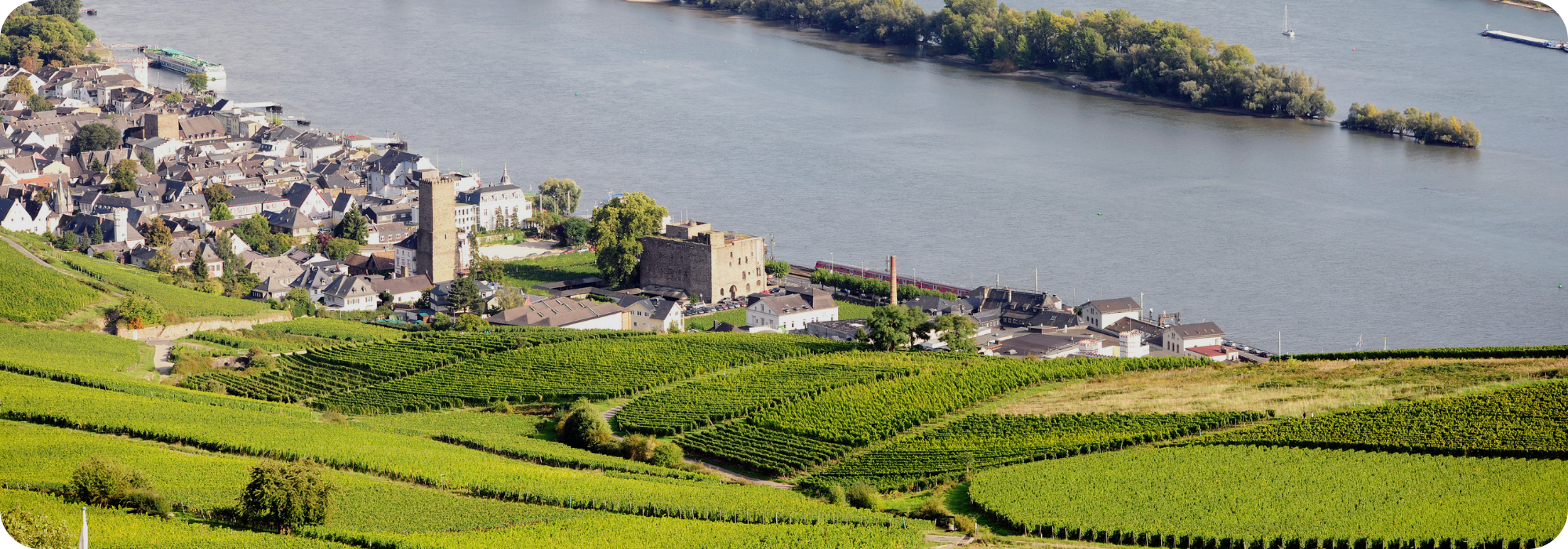
Germany may not be the first country that comes to mind when thinking about the Roman Empire and wine, but the Romans did indeed have a presence in the region. In the Rheingau, along the banks of the Rhine River, the Romans planted vineyards and cultivated grapes for winemaking.
The Rheingau's proximity to the Rhine River provided a favourable microclimate for grape cultivation. The Romans recognized this and began producing wine in the region as early as the 1st century AD. While German winemaking has evolved significantly since Roman times, the legacy of the Romans is still evident in the Rheingau vineyards.
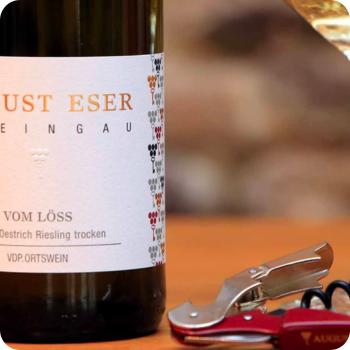
One of the most famous grape varieties associated with the Rheingau is Riesling, a grape that the Romans cultivated for its sweet and aromatic qualities. Riesling has become synonymous with German wine, and its presence in the region can be traced back to the Roman Empire's influence on viticulture.
Visit Top Wineries in Rheingau
5. Dalmatian Coast, Croatia: An Adriatic Legacy
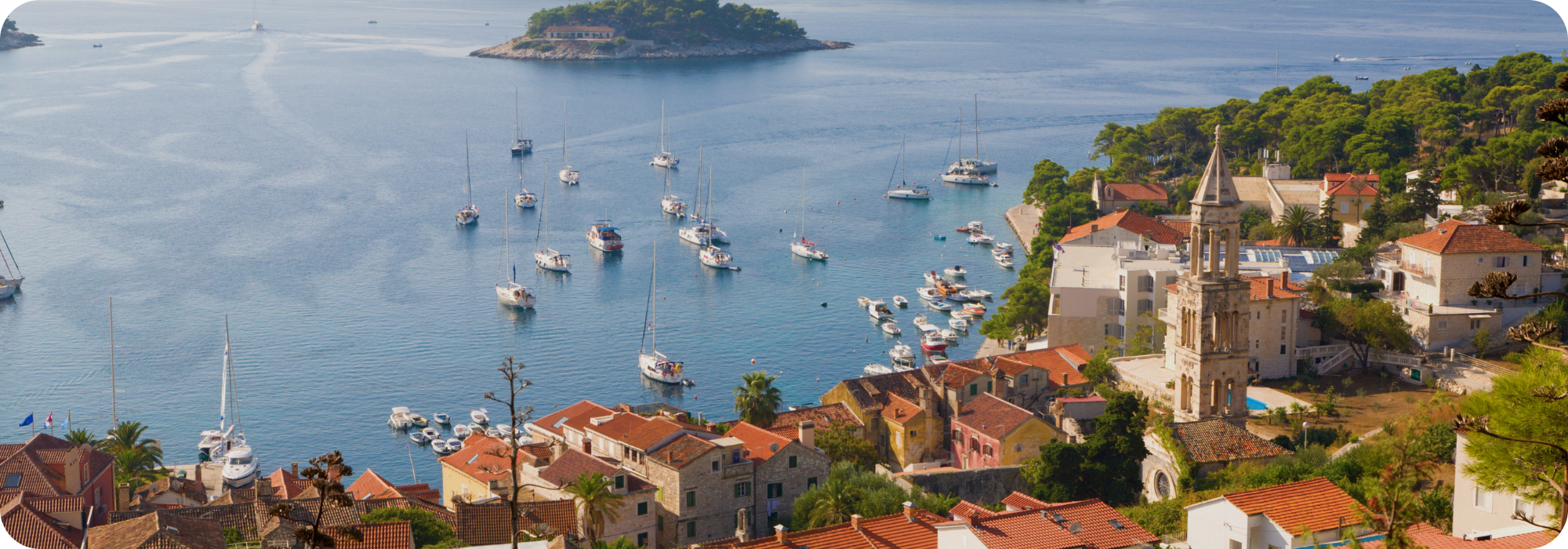
The Roman Empire extended its influence far beyond its borders, and one such region that benefited from Roman viticulture is the Dalmatian Coast in present-day Croatia. The Romans recognized the potential of the Dalmatian Coast's sunny climate and limestone-rich soils for growing grapes and producing wine.
The city of Split, which was known as Spalatum in Roman times, was a hub of winemaking and trade. The Romans introduced a variety of grape varieties to the region, including the indigenous Plavac Mali, which is believed to be a descendant of the ancient Roman grape, Tribidrag (better known as Zinfandel in the United States). The legacy of Roman winemaking is still celebrated in the Dalmatian Coast's vineyards, producing wines that capture the essence of the Mediterranean.
Discover Dalmatian Coast Wineries
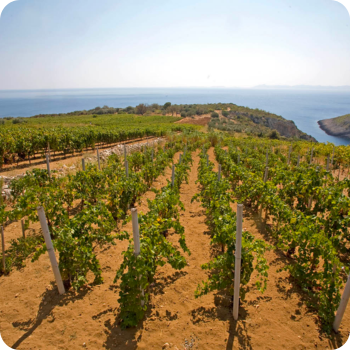
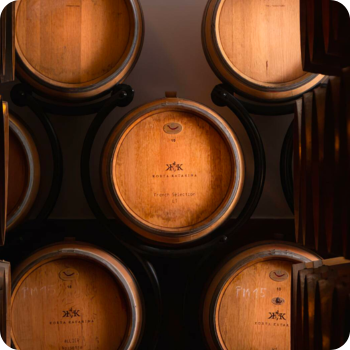
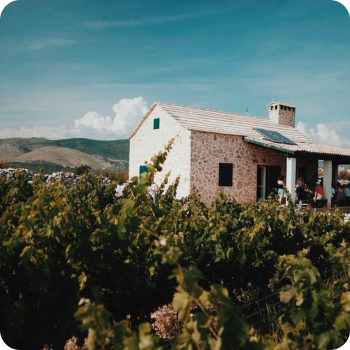
The Roman Empire's influence on the world of wine is undeniable, and the five wine regions mentioned in this article are just a small glimpse into the lasting impact of Roman viticulture. From Tuscany's Chianti Classico to Priorat's terraced vineyards, Bordeaux's historic estates, the Rheingau's Riesling vineyards, and the Dalmatian Coast's sunny slopes, the Romans played a pivotal role in shaping these wine regions.
Interesting Facts about Romans Fascination With Wine
How Often Did Romans Drink Wine?
The frequency of wine consumption among Romans varied depending on one's social status and personal preferences. Generally, wine was a common beverage in ancient Rome and was consumed daily by many people. It was a staple at meals and played a significant role in their culture, both as a drink and a symbol of social status. Wealthier Romans typically had access to better-quality wines and could afford to drink them more often, while the lower classes might have consumed wine less frequently or diluted it with water to make it last longer. So, the frequency of wine consumption among Romans varied widely across different social classes and individuals.
What Was The Best Wine in Roman Empire?
The Roman Empire had a penchant for various wines, with some regions renowned for their quality. Falernian wine from Campania, Chian wine from Chios, and Sicilian wines were among the most esteemed. Thasian and Cretan wines were also well-regarded. Opimian wine, named after consul Lucius Opimius, was celebrated as a special vintage. It's important to note that the notion of the "best" wine was subjective, influenced by personal preferences and trends. Moreover, wines were often diluted with water, altering their taste and strength, making the definition of the "best" wine a matter of individual choice.
Why Did Romans Like Wine?
Romans cherished wine for the pleasure it provided, indulging in its diverse flavors and aromas. It served as a means of relaxation, allowing them to unwind and escape the stresses of daily life. Wine was an integral part of their social and religious rituals, enhancing celebrations and fostering a sense of community. Whether enjoyed in the convivial atmosphere of a banquet, the solemnity of a religious ceremony, or the simple pleasure of a quiet evening, wine offered Romans a gateway to joy, relaxation, and a deeper connection to their cultural traditions.


