

Dry January - The Alcohol-Free Month

The month of January is known across the world for its extremes. Besides being the coldest month on average, at least in the northern hemisphere, it also often feels like the longest despite having the same 31 days as others. A few researchers (Zhenguang, Whitmore 2018) have been investigating the reasoning behind these so-called “January Blues” and theorized several factors in play, such as a combination of sunlight levels and oxytocin drop due to the previous packed and festive month of December.
What Is Dry January?
“Dry January” is another trend that has been on the rise since 2013, regarding the first month of the year. We’re on the 10th anniversary of the campaign already! This monthly challenge involves cutting away all alcoholic drinks and beverages, including wines, beers and spirits, for the entire month of January.
How many are participating in Dry January?
Spreading faster than an arrow thanks to word of mouth, it became increasingly popular over the past years, especially among the Millennial generation, who have been spearheading the trend and represented over 27% of the participants in January 2022, from a much lower 16% in the previous year. (Morning Consult Polls, January 2022)
Regardless of their age group though, 1 in 5 U.S. participants reported the decision to take part in the Dry January challenge. These numbers are expected to be on the rise still in the present month and for the years to come.
The reasons supporting this widespread participation are many and varied and Europe does not lag far behind its overseas cousins. Alcohol Change UK, the original owner of the “Dry January” registered trademark, reports how 86% of participants save money when choosing to complete the challenge, 70% experience better sleep and 66% report having more energy over the course of the month. The German Dry January partners provide equally interesting data, showing how 72% of the participants end up consuming less alcohol in the long term, leading to a healthier lifestyle in general.
Dry January - All or Nothing?
Not all participants are adopting a black and white view on the matter though. A good percentage shows interest in the Dry January trend but expresses the desire to reduce or control the amount of alcohol consumed during the month, often following the excesses of December holidays, without eliminating it completely. This moderate approach could greatly benefit both consumers and alcoholic beverages brands and producers, who already discourage the excessive consumption of alcohol through several national health campaigns.
Dry January - Old And New
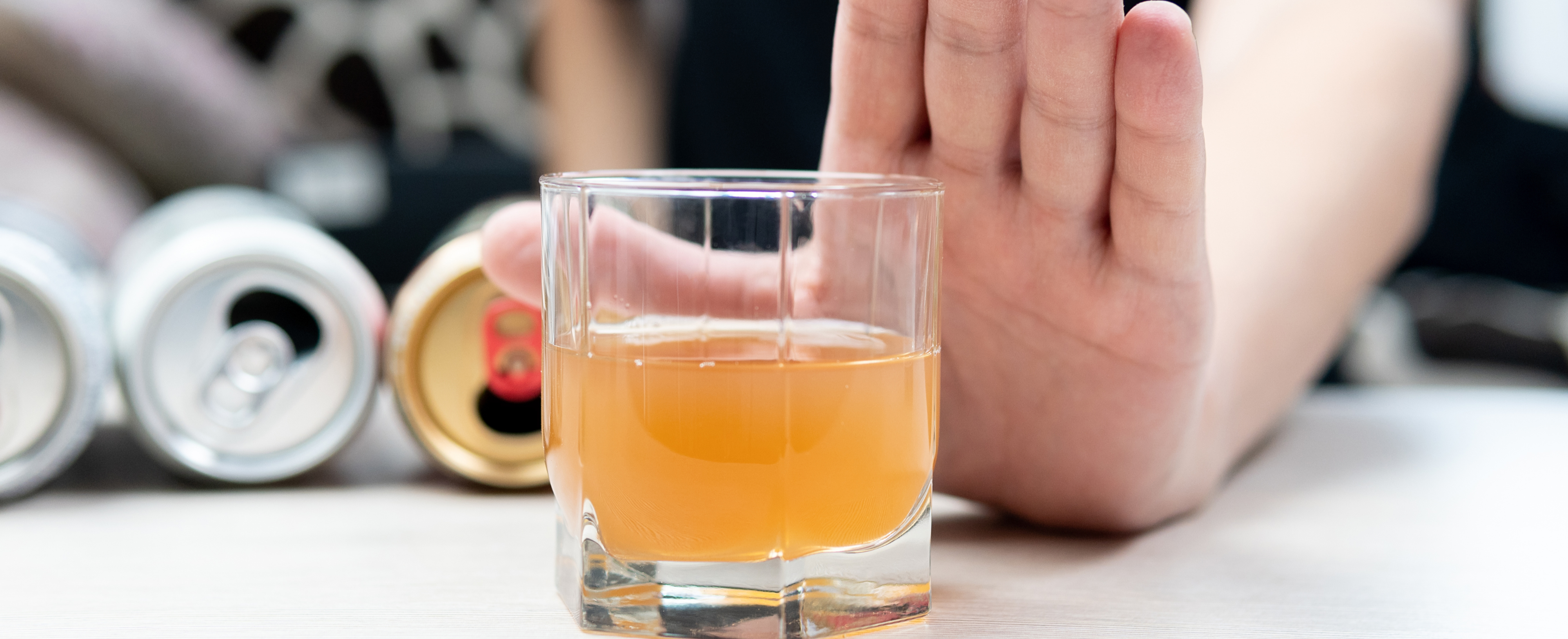
Alcohol moderation campaigns are nothing new to the 21st century in fact. Back in 1942, as part of the war efforts in maintaining the army and improving military spendings, the Finnish Government had issued a campaign called: “Sober January”. Ever since then, similar experiments have been reproduced all over the world, although for different reasons and under more peaceful circumstances. Talk about history repeating itself!
Modern technology however, as with many other things, can greatly help in monitoring and going through with the challenge. There are several apps present, some of which officially supported by the organization behind Dry January, which can help keep track of successful days and even allow the chance to win prizes or get in touch with fellow participants. We can expect things to get more interesting as time goes by!
Dry January - Alcohol-Free Wines
The big question is, of course, where does wine feature in Dry January? If you’re going for a purist approach, taking a full month break from alcohol includes saying no to that glass of cool wine while watching TV series and resting from your workday. Skipping your weekly aperitivo with friends and having no cheat days.
Though this might seem like a daunting task for many of those who enjoy a pleasant wine routine, technology and modern wine-making techniques can come to the rescue and allow for a lovely wine evening, completely alcohol free.
When considering alcohol-free wines for Dry January or any other month, it is very important to make a distinction regarding their composition and production methods. Depending on where you live, the market is often still rife with grape juices and similar beverages, marketed and commercialized as alcohol-free wine, when in reality they are not even wines to begin with. They did not undergo any vinification process involving yeast or fermentation.
True alcohol-free wines, on the other hand, are wines by right, having been infused with yeast, fermented and aged and only at the very end subjected to a dealcoholization procedure. This process removes the alcohol and allows the wine to don the alcohol free caption on its label.
How Do You Make Non-Alcoholic Wines?
There are two main ways to remove the alcohol component from a wine. The first one is vacuum distillation and it is by far the most common and efficient of the two. By carefully heating up the wine to the lowest possible temperature (around 30-35°) the ethanol is allowed to evaporate and the alcohol component can be removed without severely impacting the quality and taste of the wine. This method requires skill and modern up to date machinery, as too high of a temperature can cook the wine and result in a spoiled final product.
The second method involves the process of reverse osmosis. Wine is passed through a very tight filter which captures most elements such as colour and tannin, letting through only the smallest molecules, water and ethanol. The ethanol is then separated and tannins and flavours are later on added back to the water, resulting in an alcohol-free wine. While effective and proven, this method is not particularly efficient and has a wasteful impact on the environment, due to the high water requirements it entails.
These processes are utilized not only in the wine-making industry to produce alcohol-free wines, but beers and lately spirits as well!
Regardless of the main process involved, modern techniques are much more advanced than what they used to be and allow to retain much of the flavours and tannins the wine originally possessed, getting closer and closer to a similar taste experience, even with alcohol-free wine.
Dry January - Our Recommended Wineries
In the spirit of Dry January we have collected a few Wineries who have invested in the production and making of non-alcoholic alternatives for wines and spirits alike. These alternatives retain very good flavours and can accompany you on some beautiful tasting days where you will support local wineries and explore the territory. The idea behind Dry January includes a more mindful and sensible approach to health and well-being, it would be the perfect occasion to enjoy the nature and peace that wineries can offer.
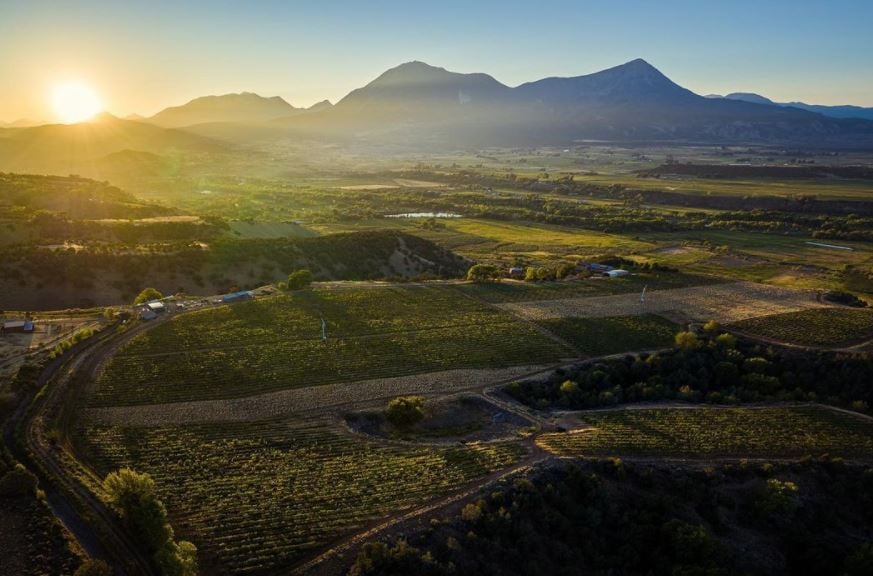
The Storm Cellar - Colorado, USA
Enjoy a complete non-alcoholic experience with meal paired alcohol-free cocktails, and the inclusive treatment of a welcoming and warm Winery.
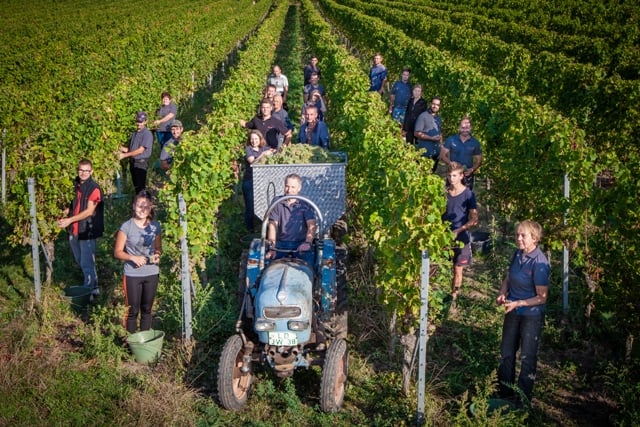
Wein- Und Sektgut Wilhelmshof - Germany
Located in the evocative Pfalz region, their Wilhelmshof Traubensecco and Verjus Drinks are waiting for you. Wilhelmshof Winery is looking ahead and is planning to produce for the coming spring dehalcolized wine and sparkling.
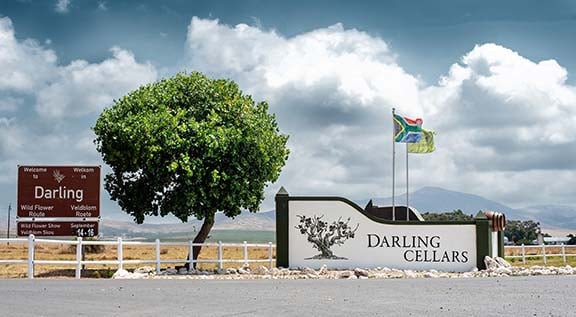
Darling Cellars - South Africa
The charming town of Darling hosts this lush winery. Ask for a taste of their non-alcoholic wines, such as their de-alcoholised Sauvignon Blanc and Sparkling Rosé
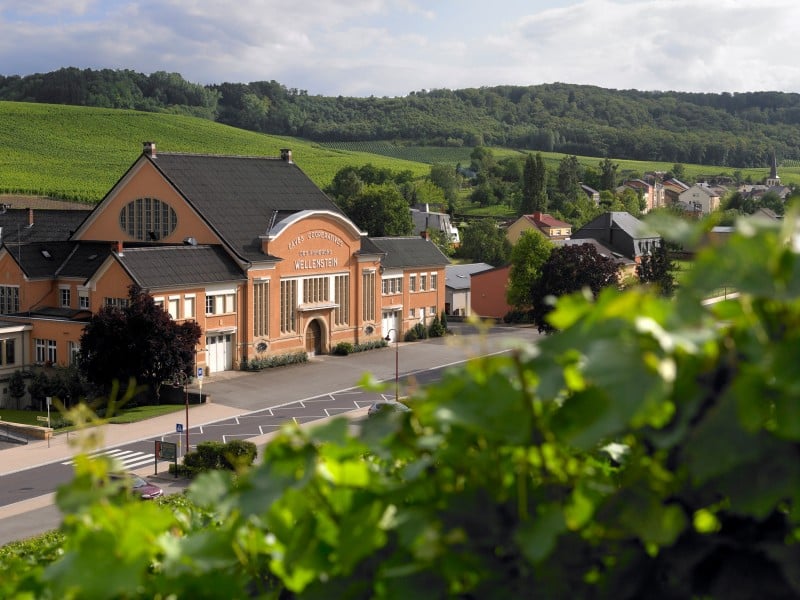
Domaines Vinsmoselle - Caves de Wellenstein - Luxembourg
The Moselle Valley is theater to the exquisite production of this unique Luxembourg Winery. Experience their non-alcoholic options in a tasting to remember.
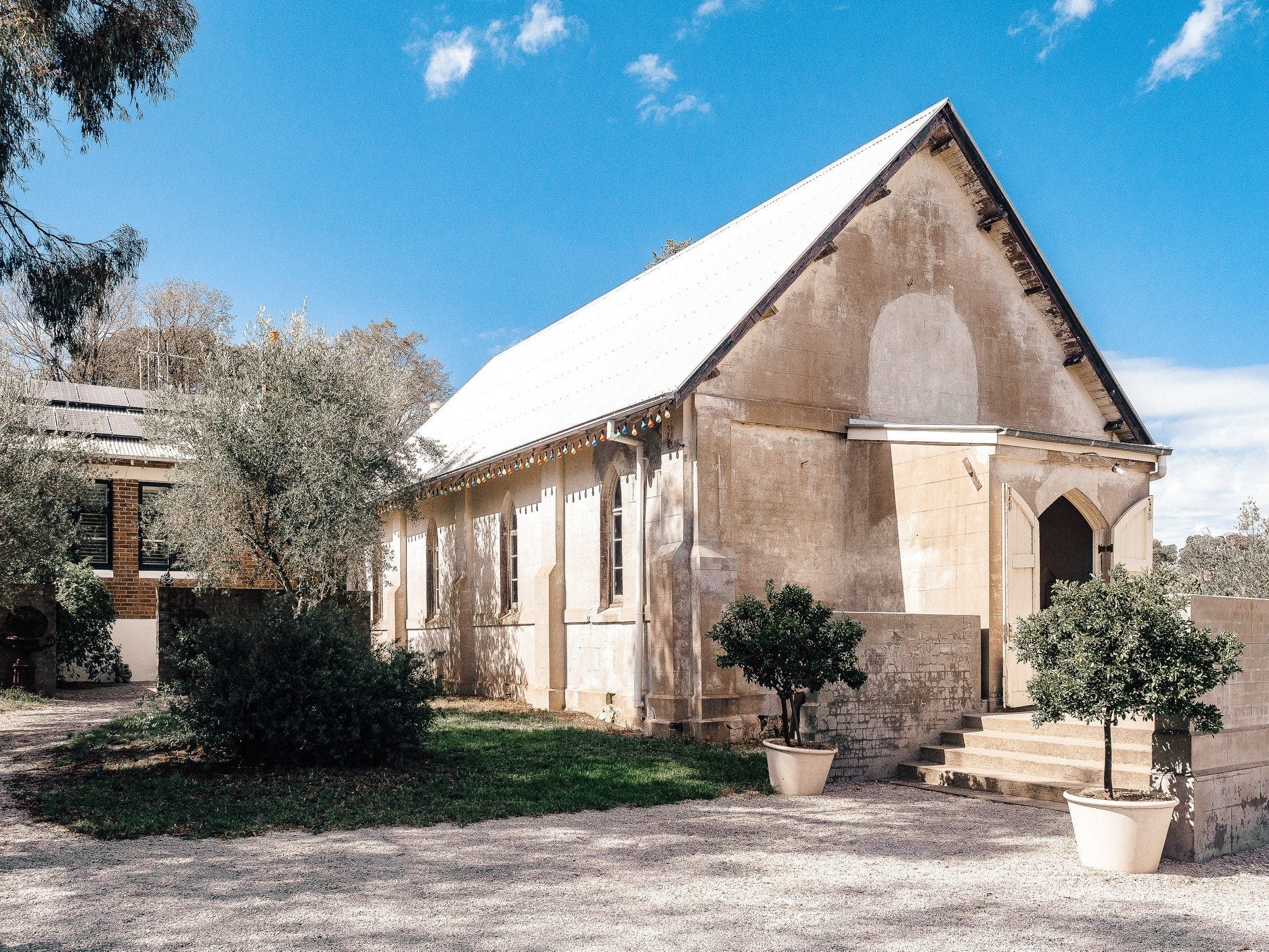
Small Acres Cyder - Australia
Being welcoming to families and kids and providing delicious alcohol-free alternatives from their wide range of ciders is one of the main goals in the spirit of this succesful Orange Region Cider Producer.
Dry January - A Final Note
It’s important to remember that besides being able to still enjoy the taste of wine thanks to its alcohol-free versions, Dry January is intended to be a month of self improvement and motivation. It could be the perfect time to finally join that yoga class, hit the gym or simply start paying more attention to how we feel, eat and drink, especially after the December holiday splurgings. By focusing on health and well-being, we can defeat the January Blues and kickstart our year in the best possible way. And you? Have you joined Dry January already?


