
If there’s a bucket list with destinations that a wine enthusiast should visit at least one in a lifetime, Bordeaux wine region will for sure be one on top. We know how difficult it can be to decide which are the best wineries in Bordeaux to visit for your next wine tour, that’s why we’re here to help.
Since we don’t want you to have just any wine tasting experience when visiting the Bordeaux wine region, we selected for you the best châteaux in Bordeaux, where you will get to taste very elegant wine and spend a day in an enchanted world.
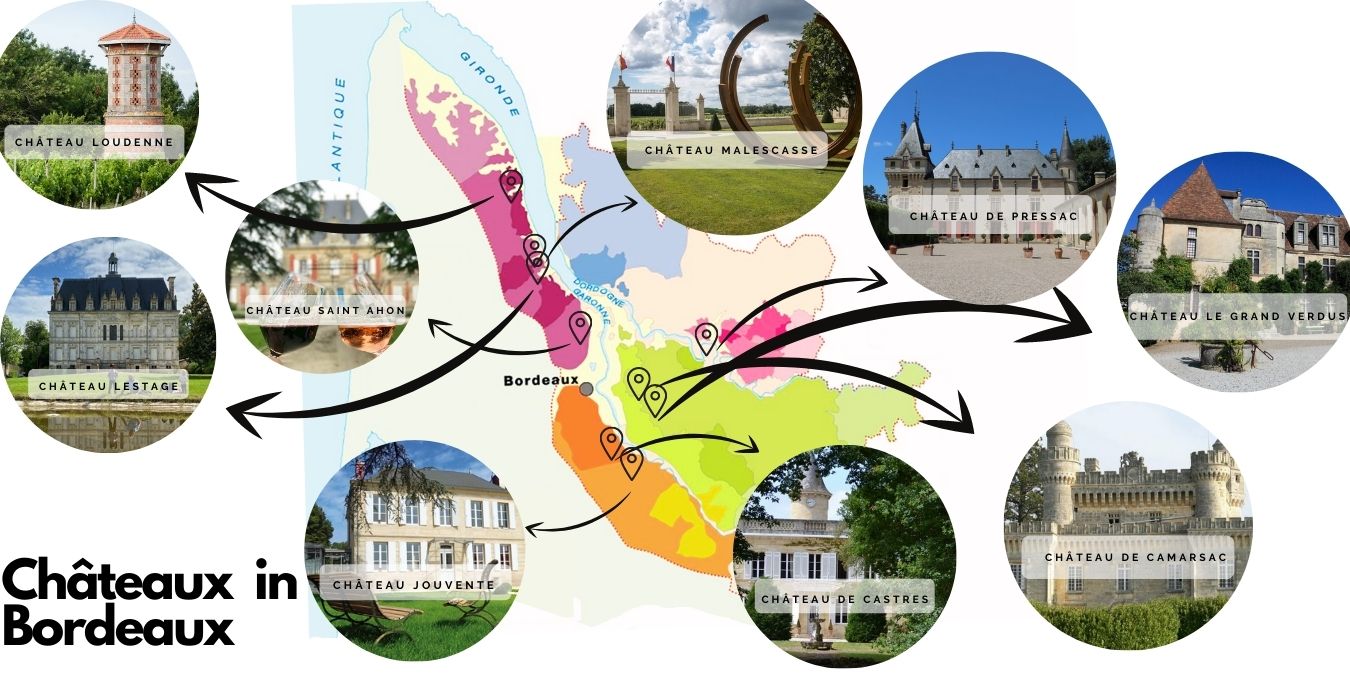
Imagine yourself driving along the Gironde river to find the best châteaux in Bordeaux and discovering all the different appellations that make this renowned wine region even more unique. Scroll down to find out where the best châteaux in Bordeaux are located, depending on the appellation you want to visit.
The Map of The Best Châteaux in Bordeaux
Châteaux to visit in Entre-Deux-Mers
Located between the two rivers – the Garonne and the Dordogne, Entre-Deux-Mers is a beautiful subregion and appellation of the Bordeaux wine region. The name ‘’Entre-Deux-Mers’’ in English means ‘’between two seas’’, which in reality expresses the territory between two rivers. Offering a great variety of wines, the region of Entre-Deux-Mers is home to beautiful green vineyards and historical monuments.
Browse through our list of wineries in Entre-Deux-Mers.
Château de Camarsac
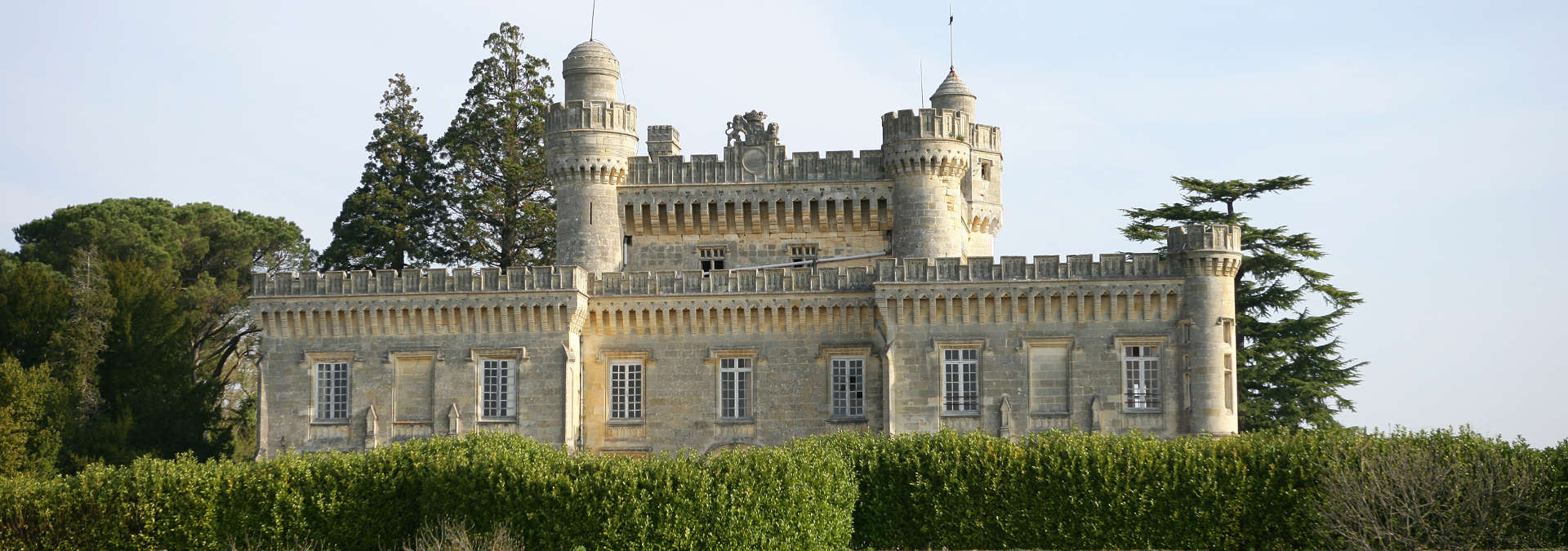
If you’re really looking for an enchanted castle where to experience a fantastic Bordeaux tasting, then Château de Camarsac is the place to be. The estate dates back to the 14th century and today, Thierry Lurton and his excellent team run the winery combining their knowledge, traditions, and modern techniques. Transparency in production, a welcoming spirit, and longevity in their vision are the three main pillars of Château de Camarsac.
Château Le Grand Verdus
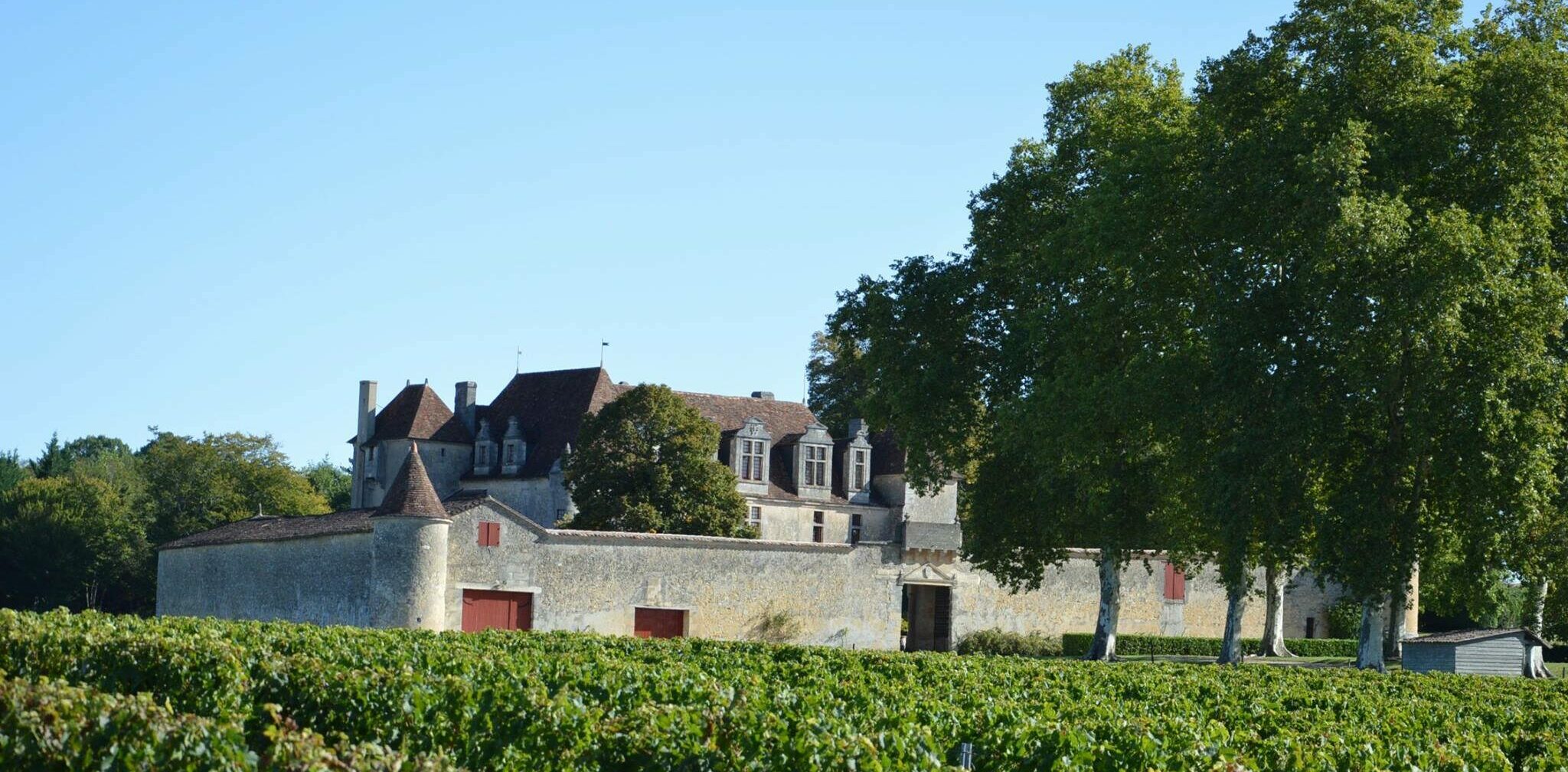
The 16th-century Château Le Grand Verdus was first acquired by the Le Grix de la Salle family in 1846. The family started developing the estate after the Second World War and turned it into a well-respected wine estate. Throughout the years, a proper balance between traditional methods and modern innovative techniques has allowed them to produce some of the best wines in the Entre-Deux-Mers wine region.
Châteaux to visit in Médoc
Located between the Atlantic coastline and the broad Gironde estuary, Médoc is home to numerous popular wines. Since the 18th Century, the Médoc appellation has become one of the most beloved wine districts in France. The appellation is famous for four of the most prestigious wine-producing villages in the world: Margaux, Pauillac, Saint-Julien, and Saint-Estèphe.
Want to taste more? Check our page with all the wineries in Médoc.
Château Loudenne
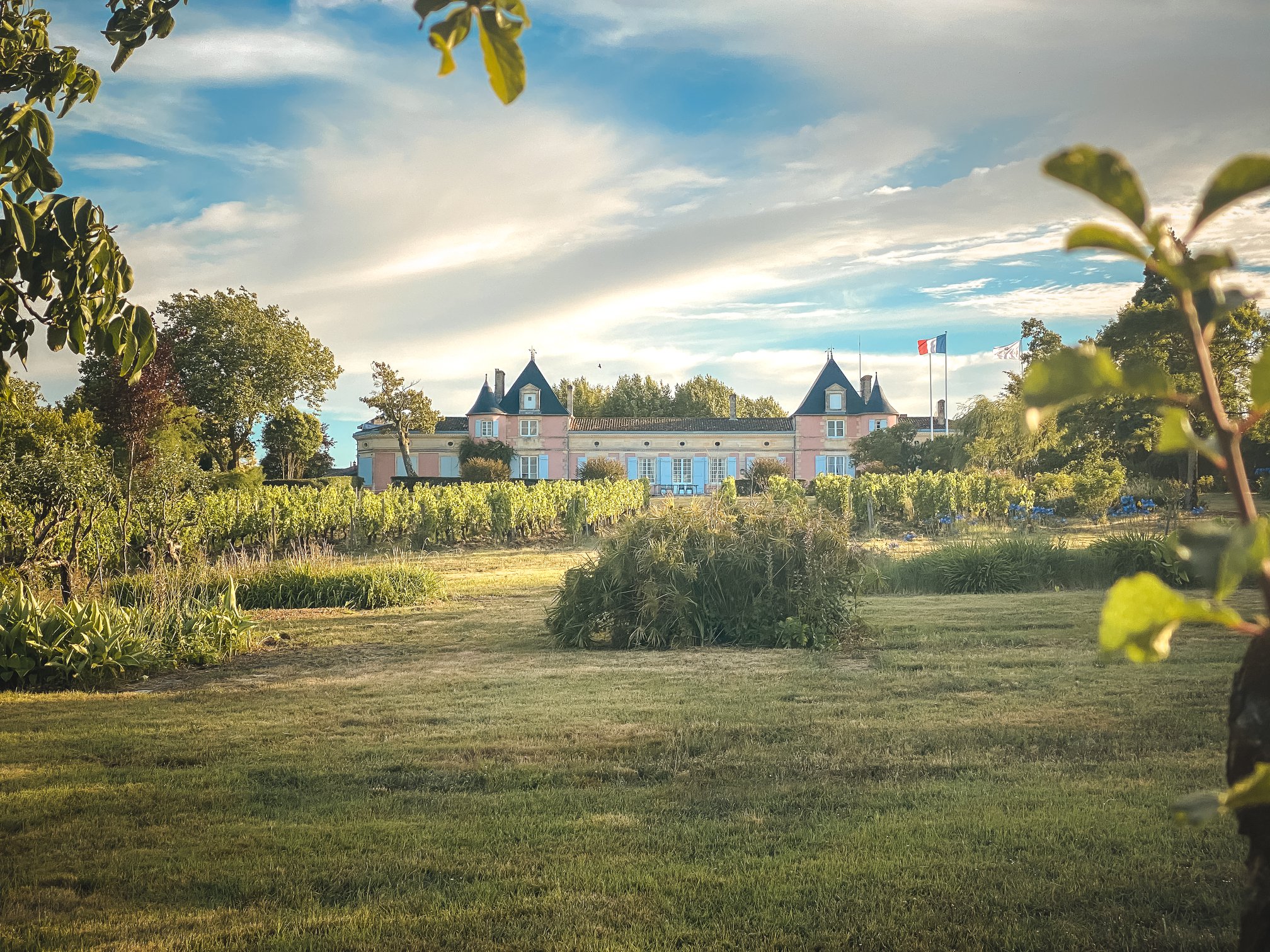
Château Loudenne is a very famous château in the Médoc appellation. It is indeed named “the Pink Château” for its colour and it also takes advantage of a very special location, right on the left bank of the Gironde River. Château Loudenne became very popular during the 1920s for hosting very fashionable and exclusive parties. Who wouldn’t have a part in a Victorian-style wine cellar located in a beautiful garden with stunning views of the Gironde estuary?
Château Malescasse
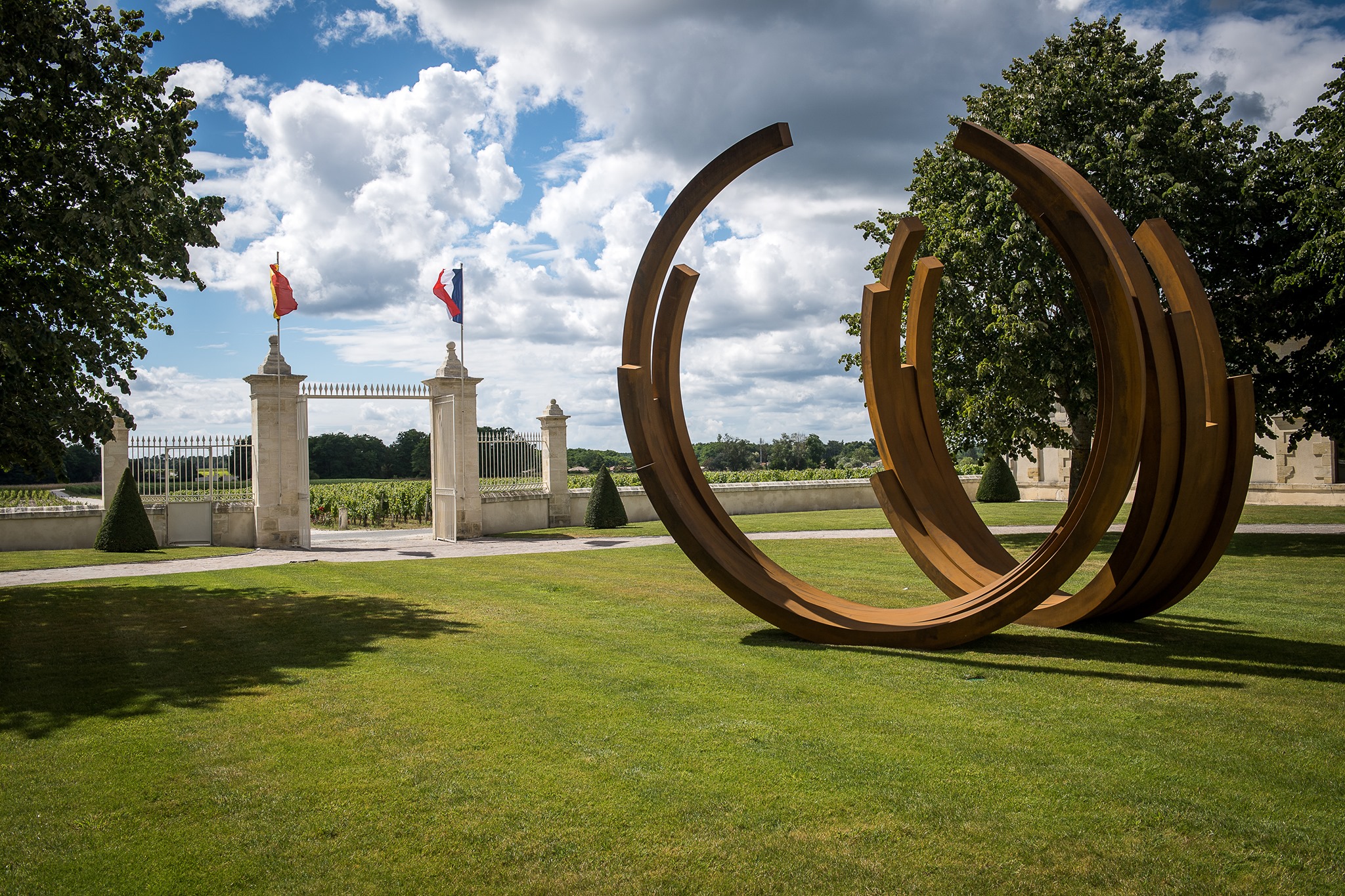
Château Malescasse, located in the Haut-Médoc appellation, is a charming place where a 19th-century castle, exceptional winemaking, and contemporary art installations meet. Château Malescasse has obtained the Cru Bourgeois Exceptionnel reward for the quality of their production process and for having scored really high at the blind tasting the judged did. Check our website to book an unforgettable wine tasting at Château Malescasse.
Château Saint Ahon
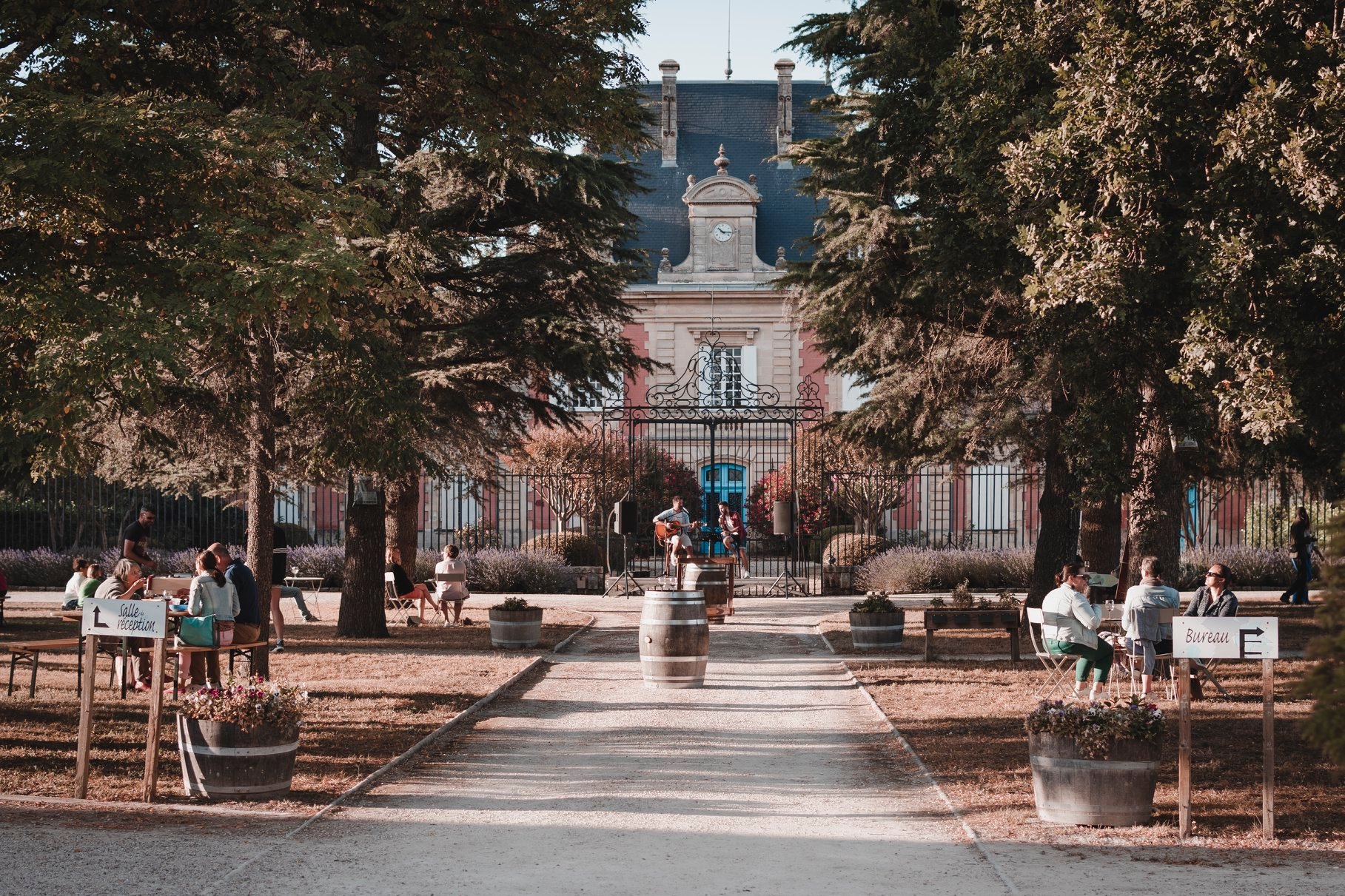
Located in the Haut-Médoc appellation, Château Saint Ahon was built in the 14th century, changed its owner to Charles de Montesquieu in the 18th century, and acquired the Cru Bourgeois in 1985 by the Count and Countess Bernard de Colbert that was managing the estate at that time. Today, the new generation of winemakers is working to have a very low impact on the environment, and their sustainable efforts earned them a Level 3 High Environmental value certification.
Château Lestage

The Chanfreau Family has been managing Château Lestage for over 50 years now after the estate was bought by Marcel Chanfreau in the 1960s. The castle was built during the 19th century and today it is kept alive by the grand-children of Marcel Chanfreau. Vineyards belonging to the château are on the highest point of the Médoc appellation. The presence of marl, clay-limestone, and Pyrenean gravel provides the perfect conditions for growing fruity grapes for making delicious wine.
Châteaux to visit in Saint-Émilion
Perched on one of the many hills that form the Bordeaux wine-growing area, the Saint-Émilion appellation needs no introduction. Its wine-producing territory was the first in the world to be listed as a UNESCO World Heritage Site. With many renowned vineyards and exceptional wines, Saint-Émilion is the main wine town in the Libournais district of Bordeaux.
Visit more wineries in the iconic Saint-Émilion appellation.
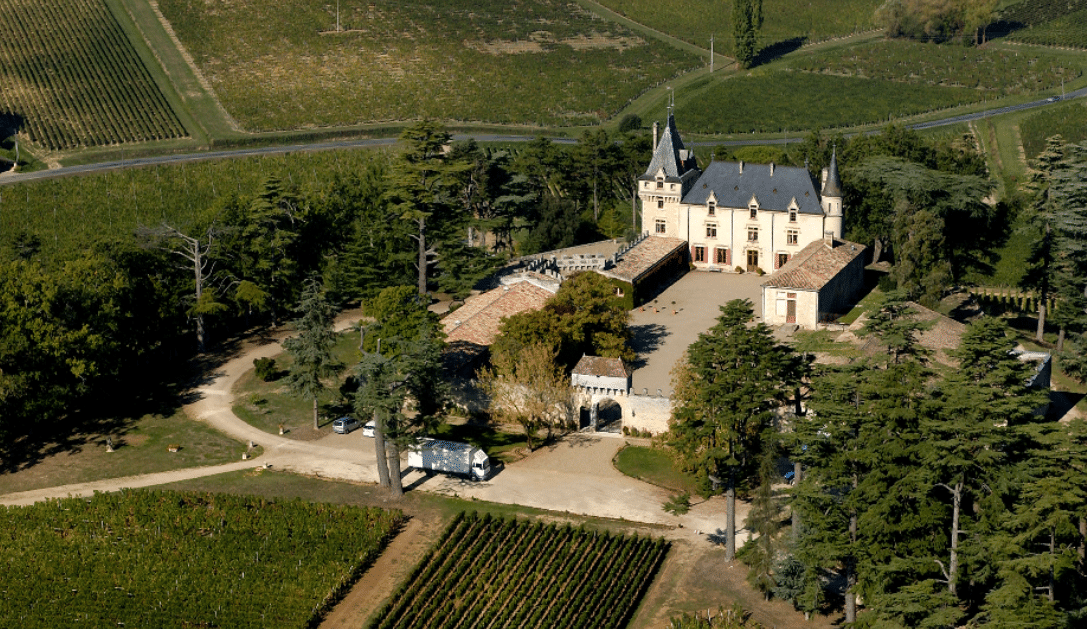
Château de Pressac
The history of Château de Pressac dates back to the Medieval period. In 1737, the owner of the estate started planting a popular grape called Auxerrois and in 1997, Jean Francois Quentin replanted the majority of the vineyard and modernized the winery. Château de Pressac is literally a paradise for wine lovers, first because thanks to the terroir, all the wines produced here are excellent; and second, because the atmosphere of the château and its gardens are perfect for a weekend getaway.
Châteaux to visit in Graves
Located on the left bank of the Bordeaux wine region in France, Graves is a naturally warm climate appellation. Beautiful vineyards, attractive wineries, and nature are essential parts of Graves. This ancient wine-producing region is famous for its elegant red and white wines.
Curious to see more? Browse through our list of wineries in Graves.
Château de Castres
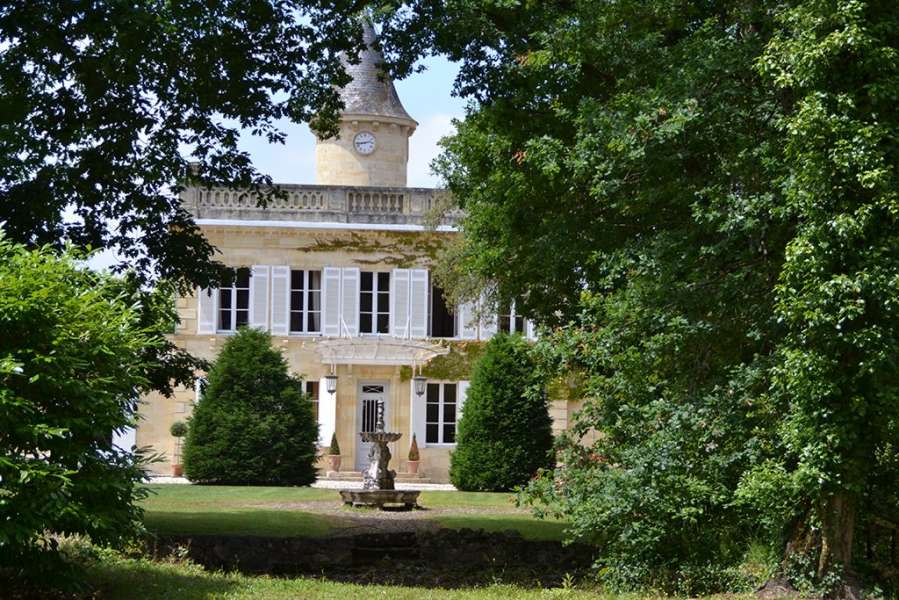
Château de Castres is a beautiful old property surrounded by gorgeous vineyards, where grape varieties such as Cabernet Sauvignon, Cabernet Franc, and Merlot are grown in an area of approximately 40 hectares. Château de Castres produces delightful and notable red wines characterised by a unique softness and finesse. Château de Castres also has guest rooms if you want to stay for the night and get the full experience of living for a day in a French castle.
Château Jouvente
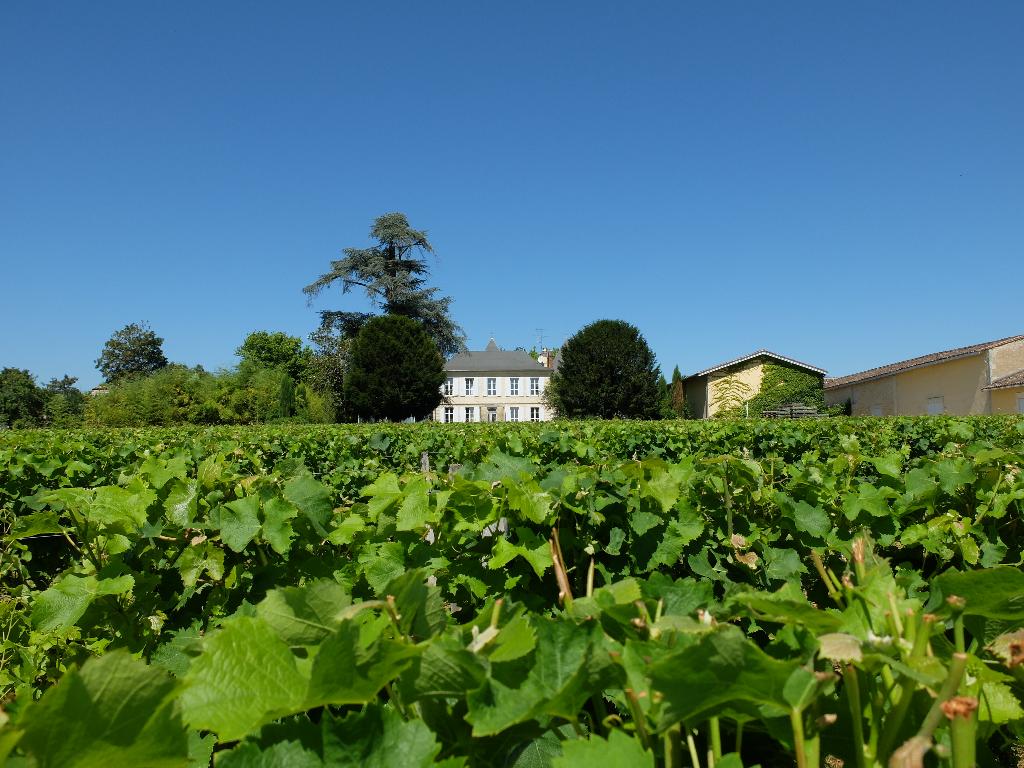
David and Benjamin Gutmann always wanted to have their own winery and this came to be when they purchased Château Jouvente in 2016. The winery is located in the heart of Illats, a town in the Graves appellation. The vineyard is scattered across an area of 8.7 hectares, where 6.7 hectares are covered by red vines and 2 hectares are dedicated to white grapes. Château Jouvente welcomes you to learn about their winemaking processes and taste their exquisite red wines.
FAQ about Bordeaux wine region
How many chateaux in Bordeaux?
Where to stay in the Bordeaux wine region?
Château Saint Ahon
Château Giscours
Château de la Grave
How many wine producing regions are in Bordeaux?
Can you visit wineries in Bordeaux?
Browse our selection of wineries in Bordeaux to find the best one for your next wine experience.
What is the difference between right and left bank in Bordeaux?
The Left and Right banks of the Bordeaux wine region have significantly different terroirs, which makes it possible for winemakers on both sides to produce very different styles of Bordeaux wine.
On the left side the soil is rockier, packed with gravel and deep deposits of limestone. The more the vine struggles to find nutrients, the more it develops character, that is then reflected in the high quality of the wine. This is why Bordeaux wines of the Left Bank are considered prime candidates for ageing, while Right Bank Bordeaux are generally thought to be smoother and lighter wines.