

Adelaide Hills WIne Region Guide
Discover what makes wines from Adelaide Hills in South Australia, Australia unbelievable
- Wineries
- 8 Wineries
- Experiences
- 11 Experiences
- Local Guides
- 1 Local Guides
About Adelaide Hills
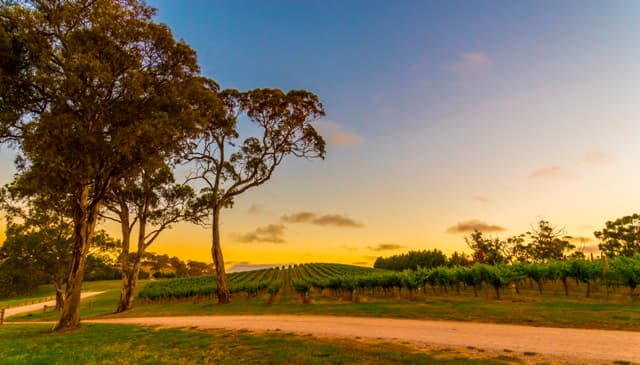
Adelaide Hills is one of the coolest wine appellations situated in the Mount Lofty Ranges of Adelaide, the capital city of South Australia. The region plays a vital role in the evolution of the Australian wine industry. Its climate, soil, and topography create an ideal maritime environment for viticulture and therefore offers a great variety of different wines. Let yourself be lost in a lush and delicious Adelaide Hills wine tour and unearth the tourist attractions. Relish sumptuous cuisine paired with premium Australian wines at some of the best Adelaide Hills wineries, surrounded by vineyards and breathtaking landscapes.
Find out more about the best Wine Tasting and Tours in Adelaide Hills!
Where is the Adelaide Hills wine region located?
Encircled by the stunning Barossa Valley and Eden Valley to the north and Langhorne Creek and McLaren Vale to the south, Adelaide Hills wine subregion is located in the South Australia region. Australia is a great wine country, and the diversity of its regions and subregions only proves its eminence in the wine industry. Looking at the Adelaide Hills wine region map, we will see that it is divided into two sub-appellations, Lenswood and Piccadilly Valley. Adelaide Hills vineyards stretch 3,957 hectares, and there are approximately 50 Adelaide hills cellar doors in the area.
Check out the best wineries near Adelaide wine city.
The history of Adelaide Hills wine region
The Adelaide Hills is one of the oldest wine-growing regions in Australia, with a considerable amount of vines planted since the 19th century. It saw another healthy period of growth in the 1970s and 1980s. Its proximity to the city of Adelaide and the booming tourism industry due to its attractive architecture and beautiful landscapes have helped the wine industry in this region grow. Finally, the appellation was established under Adelaide Hill's name as an Australian AGI in 1998.
Adelaide Hills wine appellation terroir
The vines of Adelaide Hills express the frigidity of the territory they are grown in. Although viticulture started in the region in the 1830s, the rebirth of grape farming was witnessed in 1970. Predominantly, the soils here are grey with brown loamy sand particles and some patches of sandy soil. The region's terroir is perfect for growing Sauvignon Blanc, Pinot Noir, and Chardonnay. Moreover, some experimental vine varieties, such as Shiraz and Riesling, contribute to Australia's evolving wine industry by producing sparkling and table wines. The peak vineyards sit between 500 and 600 meters above sea level, spread in narrow belts across Carey Gully, Summertown, Crafers, and Piccadilly. The climate is comparatively colder than the rest of Australia, stipulated by high altitude and proximity to the mountains. Throughout the Adelaide Hills region, the grapes ripen at a slower pace. It happens because of the colder temperatures and dry summers in Adelaide Hills Australia. The result is a richer flavour and more concentrated wines.
Adelaide Hills wine characteristics
Adelaide Hills natural wines are produced from various grapes, and their quality is notable and well-known worldwide. The principal varieties accepted for red wines are Pinot Noir, also used in Adelaide Hills sparkling wine production, Pinot Gris and Shiraz. The red wines are medium-bodied, moderately tannins and of silky texture with yummy flavours of red fruits like cherries and strawberries. The white wines represent the majority of Adelaide Hills wines, and the primary grapes used are Sauvignon Blanc, Chardonnay, and Sémillon. They are relatively acidic, fresh and crispy, with notes of tropical fruits and herbaceous aromas. Adelaide Hills Chardonnay makes elegant sparkling wine, which is the best in Australia.
Food to pair with Adelaide Hills wine
Pie Floater
A pie floater is an Australian dish that originated in the region of Adelaide and is most commonly consumed in Adelaide and Sydney. A traditional Australian dish, a pie floater, typically consists of a meat pie steeped in green pea soup. This dish traditionally has at least one of the following: tomato, mint or Worcestershire sauce, or malt vinegar. This flavourful and hearty dish pairs very well with Adelaide Hills wine.
Coffin Bay King Oysters
Coffin Bay King oysters are a species of oyster native to Coffin Bay, South Australia. They are the only oyster species native to that area and were a popular food source for the Aboriginal people. Being ten times bigger and meatier than regular oysters, Coffin Bay King oysters have a tender but firm meat with a juicy texture. The flavour has sweet and salty notes and an enjoyable oceanic finish that lingers on the palate. Oysters are an integral part of Australian cuisine, and this discovery has led to new food tourism opportunities in the region. They are also perfect to be enjoyed with a glass of local white wine, for example, Adelaide Hills Sauvignon Blanc.
Goat on a Hot Tin Roof
Goat on a Hot Tin Roof is a South Australian cheese. It is made from pasteurized goat's milk and has a soft and creamy texture, with flavours that can be spicy and herbaceous because it's infused with pepper berries, red paprika and Tanami apples. Therefore, it is an excellent accompaniment for structured white or red wine and an unmissable ingredient on a traditional appetizer plate.
Places to visit in Adelaide Hills wine region
Biodynamic farm of Jurilique
Biodynamic farm of Jurilique is a farm producing the highest-quality ingredients for personal care and organic cosmetics in Adelaide's Hills for over three decades. You can learn more about Jurlique's connection to nature with a farm tour and learn how they cultivate the products. You will be amazed how seeds and plants can be converted into products we need for our skin and hair while enjoying the exquisite landscapes of the farm.
Mount Barker Summit
Take a walk 500 metres above the town of Mount Barker to discover the best panoramic views surrounded by mountains. Immerse yourself fully in this walking or hiking experience to feel the region's beauty, and only a 40 minutes drive away from Adelaide Hills.
Town of Stirling
Stirling is a small and beautiful town in South Australia, located about 20 km from Adelaide Hills. This cosy, leafy and picturesque town, with its numerous boutique shops of local products and brunch cafés, is truly worth visiting. The town has been named after the Scottish city of Stirling because, like the city, it sits on top of a hill.
Explore the best Wineries in Adelaide Hills!
Frequently Asked Questions about the Adelaide Hills wine region
Adelaide Hill subregion is most well-known for its fruity red from Pinot Noir and Shiraz and crispy white from Sauvignon Blanc and Chardonnay, which is also used to make high-quality sparkling wine.
The centre of Adelaide city is 30 kilometres away from Adelaide Hills wine region, which takes less than 40 minutes to drive to arrive.
The Adelaide Hills is known for producing elegant, cool-climate wines. The region is particularly celebrated for its vibrant, aromatic white wines like Sauvignon Blanc, Chardonnay, and Riesling. Additionally, the Adelaide Hills produces excellent cool-climate expressions of Pinot Noir and Shiraz, which showcase refined structure and delicate flavors.
Adelaide Hills wines pair well with a variety of dishes. The vibrant Sauvignon Blanc complements fresh seafood, salads, and goat cheese. Chardonnay pairs beautifully with poultry, creamy pasta dishes, and roasted vegetables. Pinot Noir is an excellent match for roasted chicken, duck, or earthy mushroom dishes. For red meat lovers, the region's Shiraz and Cabernet Sauvignon wines are great choices to accompany grilled steaks or lamb.
Adelaide Hills wine region covers an area extending along the ridges of Mount Lofty from Mount Pleasant in the north to Mount Compass in the south. The term "Adelaide Hills" was registered as AGI on 9 February 1998.
Plan your visit in Adelaide Hills


Best Wineries in Adelaide Hills



Best Wine Tastings in Adelaide Hills




Tailor-Made For You
Your perfect wine trip, planned for you
Tell us what you're dreaming of and a local wine expert will build a personalized itinerary — no obligation, no service fee.
Cities around Adelaide Hills
Top Rated Local Guides in Adelaide Hills

Frequently Asked Questions
This is test one
This is test one
This is test two
This is test two
Join our newsletter now to receive our free guide on how to plan the perfect wine tour.