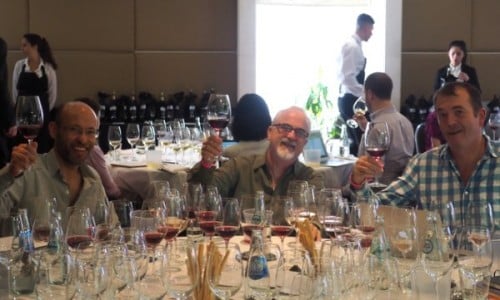
Vendimia de Cafayate is one of the wine festivals that anchors the Salta calendar, drawing both local visitors and international wine travellers each year. It is held at Plaza Principal in Cafayate, in the heart of one of Argentina's most distinctive wine areas. It is an annual event with an established local audience and a consistent place in the regional calendar.
The Cafayate Vendimia celebrates the harvest in Argentina's highest-altitude wine region. Producers from across the Calchaquí Valleys including Bodega Colomé, El Esteco, Yacochuya and Domingo Hermanos pour their Torrontés, Malbec and high-altitude reds in the central plaza. The programme combines tastings with traditional northern Argentine folk music (zamba, chacarera), regional gastronomy including empanadas salteñas, and the symbolic crowning of the Reina de la Vendimia. Harvest and grape festivals — fiestas de la vendimia, festas das vindimas, weinlesefeste — are some of the longest-running celebrations in their regions, with many running uninterrupted for a century or more. Programmes typically combine grape-stomping demonstrations, traditional music, parades of allegorical floats, food stalls offering regional specialities, and tastings of the area's wines. The events have strong local character and are often as much community celebrations as wine programmes, with town councils, parish committees and local producer associations sharing the organisational load. Many festivals incorporate religious elements — blessings of the harvest, processions to the parish church — that connect the wine calendar to the liturgical year. The event is organised by Municipality of Cafayate, which sets the tone and direction of the programme each year.
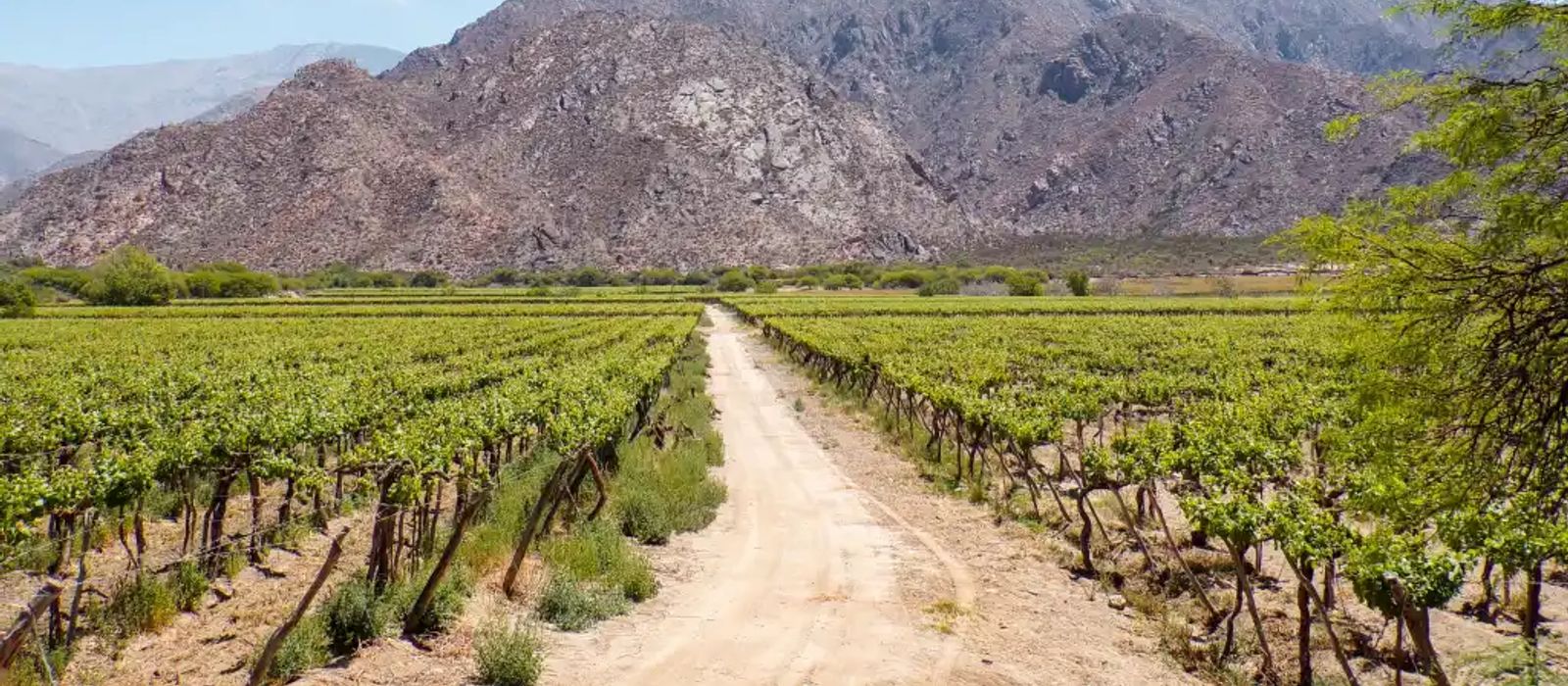
Salta in northwestern Argentina, particularly the Calchaquí Valleys, is home to the world's highest commercial vineyards — Cafayate sits at 1,700m, with Bodega Colomé's Altura Maxima vineyard at 3,111m holding the global altitude record. The extreme altitude, intense sunlight and dry desert conditions produce wines of remarkable concentration. Torrontés is the regional flagship white grape, producing the floral, aromatic dry whites that are Argentina's signature white style. High-altitude Malbec, Cabernet Sauvignon and Tannat round out the regional offering. Producers like Colomé, El Esteco, Yacochuya, Domingo Hermanos and Susana Balbo's Calchaquí venture lead the regional quality.
The 2026 edition is scheduled for February-March 2026. Entry is free, with optional paid tasting passes or guided sessions available on site. Full programme, ticketing and updated information are published on the official site at https://cafayate.gob.ar/. Visitors are advised to check directly with the organiser for the latest schedule, as festival programmes are sometimes updated close to the event date.
Salta is reached via Salta airport (SLA), with daily flights from Buenos Aires (2 hours). Salta city is a UNESCO-listed colonial centre, with Cafayate (the heart of the Calchaquí wine zone) 3 hours south by car along the spectacular Quebrada de las Conchas canyon route. Northern Argentine cuisine pairs the wines with empanadas salteñas (some of Argentina's most-respected), humita en chala (corn parcels), tamales, locro, and the strong Andean food traditions including llama, quinoa and the area's farmhouse cheeses. The northern Andean cultural circuit — Humahuaca canyon (UNESCO-listed), Purmamarca's Cerro de los Siete Colores, the Salinas Grandes salt flats — adds significantly to the regional travel offer.