Plavac Mali Festival (Pelješac) is one of the wine festivals that anchors the Dalmatia calendar, drawing both local visitors and international wine travellers each year. It is held at Pelješac Peninsula (Potomje in Trpanj), in the heart of one of Croatia's most distinctive wine areas. It is an annual event with an established local audience and a consistent place in the regional calendar.
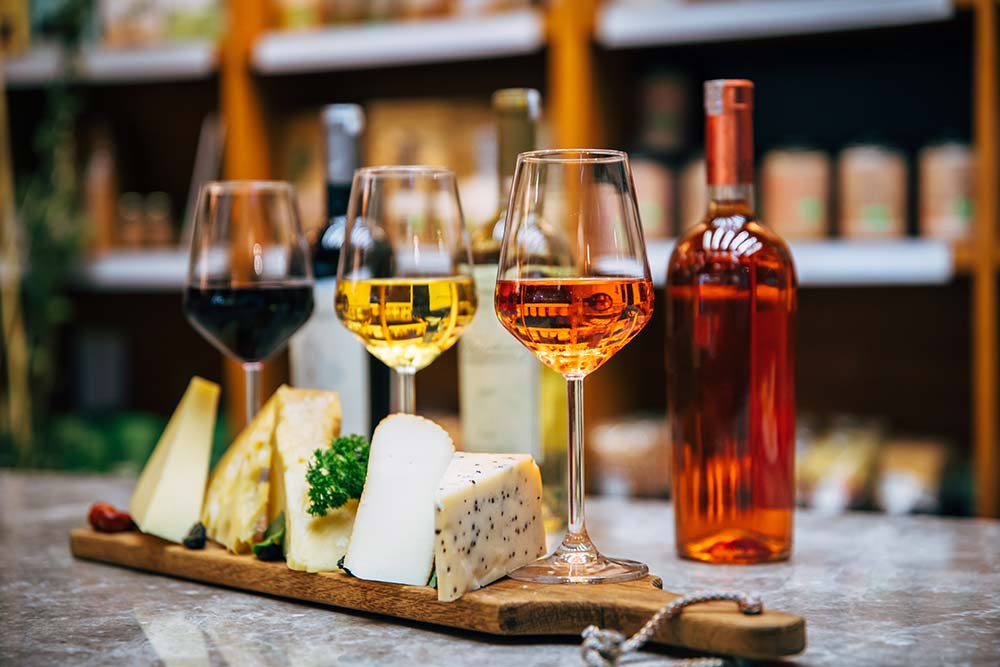
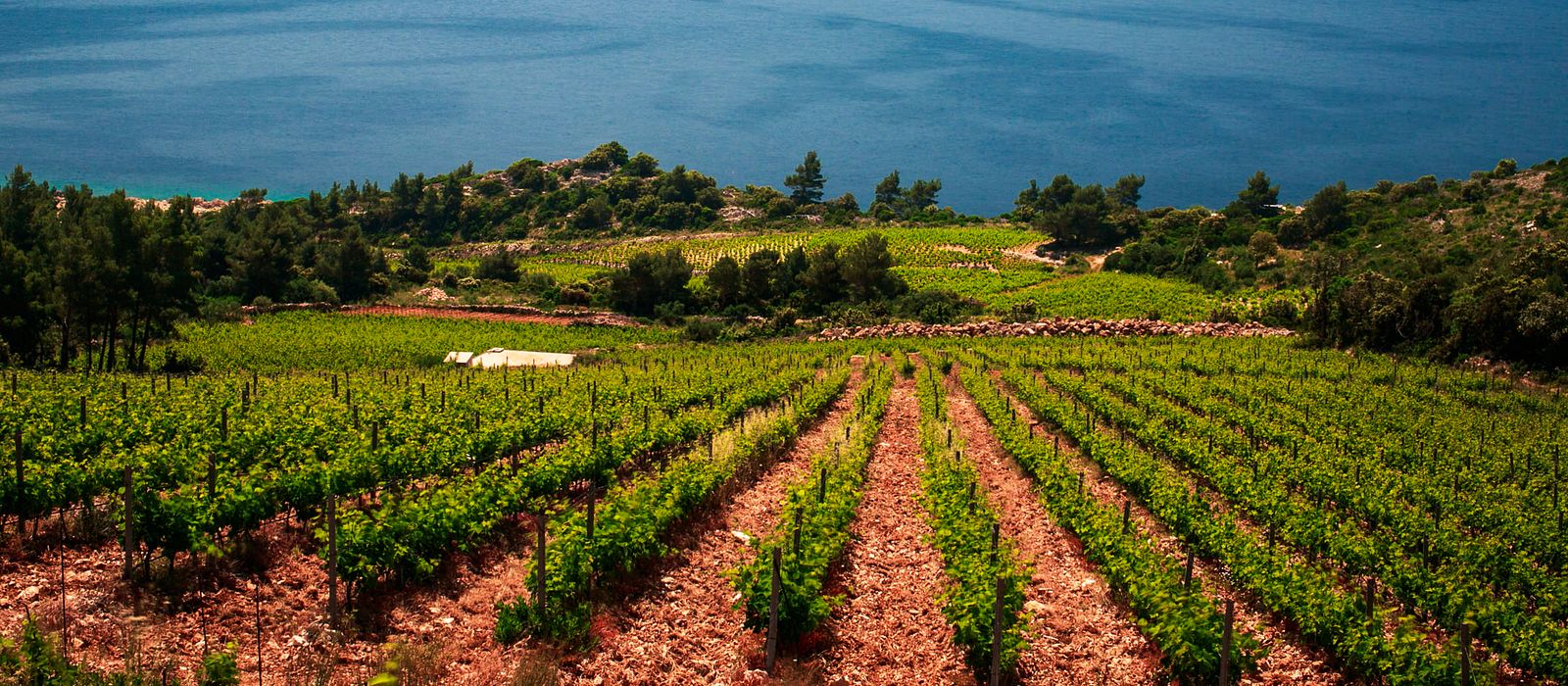
The Plavac Mali Festival celebrates Dalmatia's signature red grape on the Pelješac Peninsula, home to the Dingač and Postup PDO zones. Producers including Saints Hills, Bartulović, Marlais and Korta Katarina open their cellars across the weekend, with tastings of Plavac Mali, Pošip from neighbouring Korčula, vineyard walks on the dramatically steep coastal slopes, and food pairings with Dalmatian seafood and lamb. Wine festivals across Europe typically combine producer tastings with food pairings, live music, and a strong sense of place. Visitors can expect access to wines from a range of producers in the appellation, alongside food stalls offering regional specialities, masterclasses or vineyard walks for those who want to learn more, and an opportunity to buy directly from producers at cellar prices. Many events run across multiple days or weekends, allowing visitors to sample different parts of the programme according to interest, and combine well with the area's wider tourism offer. The event is organised by Pelješac Wine Producers Association, which sets the tone and direction of the programme each year.
The Dalmatian coast and islands produce some of Croatia's most distinctive wines on dramatically steep slopes between sea and mountain. Plavac Mali — the indigenous red that is the offspring of Tribidrag (Zinfandel/Crljenak Kaštelanski) and Dobričić — produces full-bodied, structured reds, with the Dingač and Postup zones on the Pelješac Peninsula recognised as Croatia's first protected designations of origin (1961 and 1967). Pošip from Korčula, Grk from Lumbarda, and Vugava from Vis are highly distinctive island whites. Stari Grad Plain on Hvar, with vineyards continuously cultivated since the 4th century BC, is a UNESCO World Heritage site. Producers like Bibich, Testament, Saints Hills, Korta Katarina and Stina lead the region's modern quality movement.
The 2026 edition is scheduled for August 2026. Cost details: Glass pass and tasting tickets. Full programme, ticketing and updated information are published on the official site at https://www.peljesac.hr/. Visitors are advised to check directly with the organiser for the latest schedule, as festival programmes are sometimes updated close to the event date.
The Dalmatian coast is reached most easily via Split (SPU), Dubrovnik (DBV), or Zadar (ZAD) airports. Split is the natural base for the Pelješac Peninsula (3 hours by car), Hvar and Brač (ferry connections from the Split harbour). Dubrovnik provides the southern access point, with Pelješac just 90 minutes north. The Adriatic island-hopping circuit combines naturally with wine visits. Dalmatian cuisine pairs the wines with fresh fish (fish baked in salt is traditional), pašticada slow-cooked beef, soparnik (Dalmatian flatbread with chard), peka (lamb or octopus cooked under a metal dome on coals), the area's famous prosciutto (pršut) and sheep's-milk cheeses including the Pag Island paški sir.