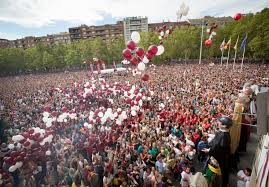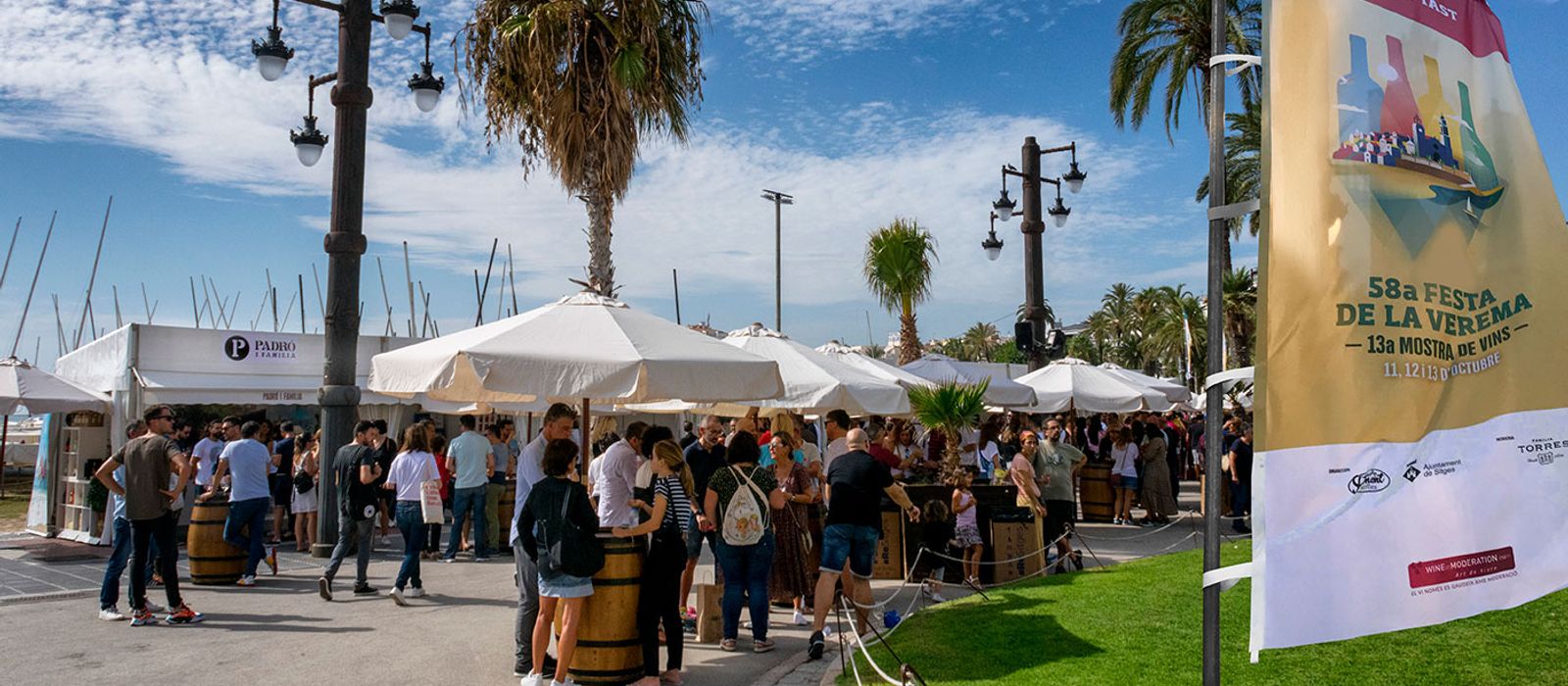
Festa de la Verema (Sitges Grape Harvest Festival) is one of the wine festivals that anchors the Catalonia calendar, drawing both local visitors and international wine travellers each year. It is held at Plaça de l'Ajuntament in Sitges, in the heart of one of Spain's most distinctive wine areas. It has been running since 1949, with a long unbroken local tradition behind it.
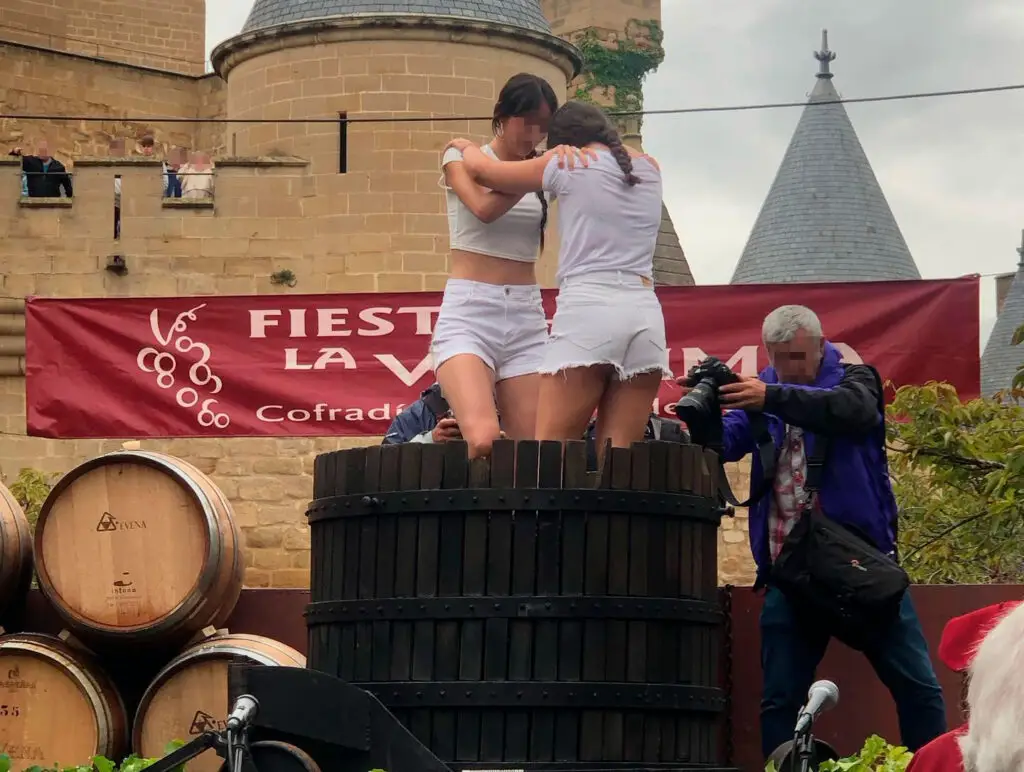
Sitges' annual harvest festival is one of the longest-running grape festivals in Catalonia. The programme combines a ceremonial first-pressing of grapes (pisada del raïm) in the town square at sunset, parades of allegorical floats from the town's local groups, traditional Catalan dance performances (sardanes, ball de bastons), concerts in the parish church courtyard, food stalls, and tastings of local Penedes wines. Sitges sits 35 km south of Barcelona on the Mediterranean coast and combines wine tourism with the town's beach and cultural calendar (Sitges International Film Festival, also in October). Harvest and grape festivals — fiestas de la vendimia, festas das vindimas, weinlesefeste — are some of the longest-running celebrations in their regions, with many running uninterrupted for a century or more. Programmes typically combine grape-stomping demonstrations, traditional music, parades of allegorical floats, food stalls offering regional specialities, and tastings of the area's wines. The events have strong local character and are often as much community celebrations as wine programmes, with town councils, parish committees and local producer associations sharing the organisational load. Many festivals incorporate religious elements — blessings of the harvest, processions to the parish church — that connect the wine calendar to the liturgical year. The event is organised by Ajuntament de Sitges, which sets the tone and direction of the programme each year.
Catalonia is the wine region surrounding Barcelona in the northeast of Spain, encompassing some of the country's most distinctive appellations. Penedes is the heart of Cava production (around 95% of all Spanish Cava is made here), while Priorat is the second of Spain's two DOCa regions, producing concentrated reds from old-vine Garnacha and Cariñena on slate soils. Other Catalan zones include Conca de Barbera, Costers del Segre, Emporda and Montsant. The region has been at the forefront of Spanish wine modernisation since the 1960s under producers like Torres and Raventos i Blanc.
The 2026 edition is scheduled for September 11-14, 2026. Entry is free, with optional paid tasting passes or guided sessions available on site. Full programme, ticketing and updated information are published on the official site at https://www.sitges.cat. Visitors are advised to check directly with the organiser for the latest schedule, as festival programmes are sometimes updated close to the event date.
Catalonia is reached via Barcelona (El Prat airport, AVE rail to Madrid and Paris) or Girona. Penedes sits 30-45 minutes south of Barcelona by car or train, with Vilafranca del Penedès and Sant Sadurní d'Anoia (the Cava capital) as the main bases. Priorat sits further south near Tarragona, around 2 hours from Barcelona by car, with Falset and Gratallops as the main wine-tourism villages. Catalan cuisine pairs the wines with pa amb tomaquet, calçots (charred green onions), botifarra sausage, fideua and crema catalana.