
Basque Food & Wine - A Taste of Basque Country

Straddling the border between Spain and France, the unofficially recognized Basque Country enjoys a unique microclimate thanks to the spectacular Pyrenees mountains and its proximity to the ocean. Its unique features contributed over the centuries to the development of a rich wine and food culture. Nowadays Basque food and wine are renowned and appreciated by locals and travellers alike. Come along today on a flavourful trip and discover the beauty of Basque gastronomy, naturally paired with a glass of premium Basque wine.
The abundance of land and sea is the secret behind Basque cuisine and the region has always been quick in absorbing traditions and ingredients from all over the world into its tradition. Basque food follows a few tenets of locally sourced quality and a savant mix of modern and old styles. But don’t let the simplicity of its essential ingredients fool you! The city of San Sebastián, located in the Basque Autonomous Community, is second only to Kyoto in number of Michelin Stars per square kilometre in the world!
Basque Garlic Soup - Hearty Basque Food

Basque garlic soup, or "Sopa de Ajo," stands as the beloved dish that embodies the essence of Basque gastronomy. The uniqueness behind this Basque food is the ability to combine humble but hearty ingredients into the perfect recipe for cold winter days.
The most typical ingredients of the Basque garlic soup include chicken broth, finely chopped garlic heads, Pimentón de la Vera (Spanish smoked paprika), eggs and seasonings such as vinegar, salt and olive oil. Basque garlic soup is often served with a dark toasted bread, almost burned, called Zopako.
One of the defining features of Basque garlic soup is the addition of poached eggs. These eggs are added to the simmering soup and poached until the whites are set and the yolks remain runny. The eggs provide a luxurious creaminess to the dish, and when broken into the soup, they create a delicious and satisfying blend.
To finish the soup, a sprinkle of fresh parsley adds a touch of brightness and freshness, enhancing the overall flavour. Each spoonful of Basque garlic soup promises a delightful combination of garlic's pungency, the hearty warmth of the broth, the crunchiness of the bread, and the richness of the eggs.
Basque Garlic Soup - Recommended Wine Pairing
Our choice of wine for the perfect pairing with this hearty traditional meal falls on a fresh glass of Chablis. One of the key reasons why Chablis works well with a Basque garlic soup is its high acidity. The bright acidity in Chablis cuts through the richness and creaminess often found in soups, providing a refreshing and cleansing effect on the palate. It also helps to balance flavours and can prevent the soup from feeling too heavy or overwhelming.

A Unique Language
The Basque language, also known as Euskara, is a unique and ancient language spoken in the Basque Country. It is considered a language isolate, meaning it is not related to any other known language in the world. Despite its limited number of speakers, Basque is fiercely protected and celebrated, serving as a symbol of heritage and unity for the Basque people.
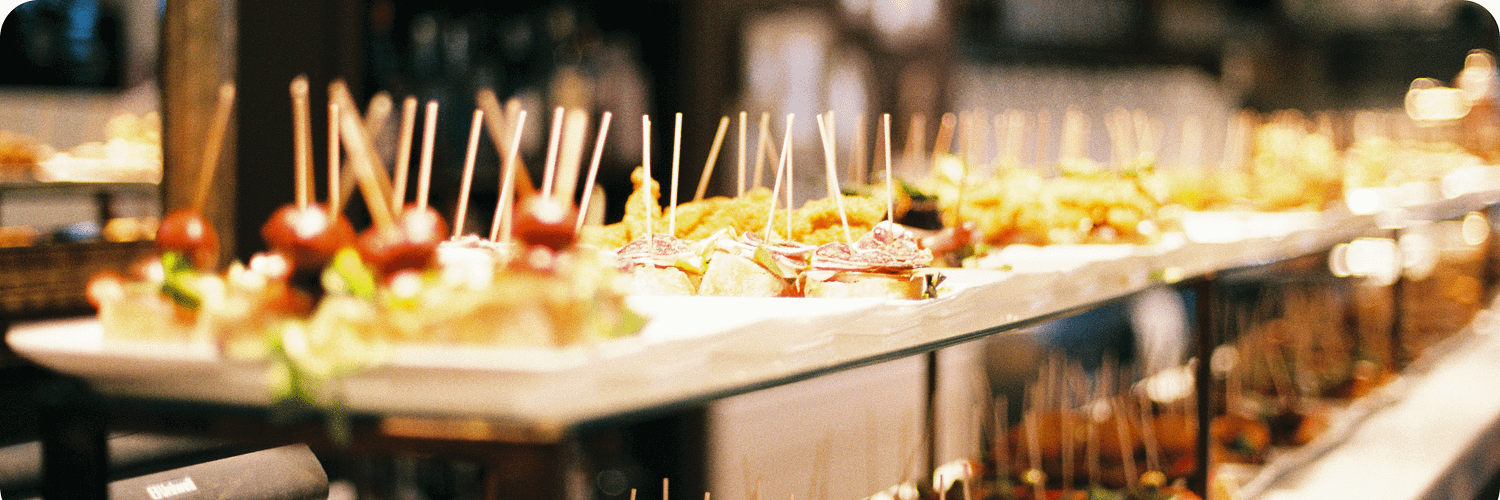
Basque Pintxos - Perfect Basque Aperitif

Basque gastronomy would not be complete without this iconic and varied snack. Pintxos form the backbone of local food culture and open the taster to the infinite possibilities of its countless variations.
The name Pintxos means “spikes” and derives from the traditional way these snacks are served, on skewers and sticks to hold them in place.
The beauty of Pintxos is their ability to introduce whoever tries them for the first time to flavours very different from each other, arranged and mixed in new and changing combinations. Basque pintxos, like actors in a play, work together to create the perfect and most unique experience.
Here are some of the most common types of Pintxos:
Gilda: The most famous and classic Basque Pintxo consisting of a skewer with olives, anchovies, and spicy peppers.
Pintxo de Marisco: Seafood pintxos, such as grilled prawns or mussels, are often served with a drizzle of garlic or spicy sauce.
Pintxo de Bacalao: Cod pintxos, usually prepared by lightly frying or grilling salted cod and serving it on a slice of bread.
Pintxo de Queso: Cheese pintxos, featuring a variety of local Basque cheeses, sometimes accompanied by membrillo (quince paste).
Basque Pintxos - Recommended Wine Pairing
When it comes to pairing wine with pintxos, it's important to consider the diverse flavors and ingredients found in these small Basque-style tapas. Since pintxos can vary greatly in taste and composition, there isn't a single "best" wine for pintxos. As a general guideline, however, a light and adaptable wine could prove perfect for the occasion. In this guide, we will recommend a great Rosè produce in Spain, the Marbella Rosé. Allow its fragrant flavour to accompany your Basque Pintxos and be ready for a unique taste experience.
Basque Cheesecake - Delicious Basque Dessert
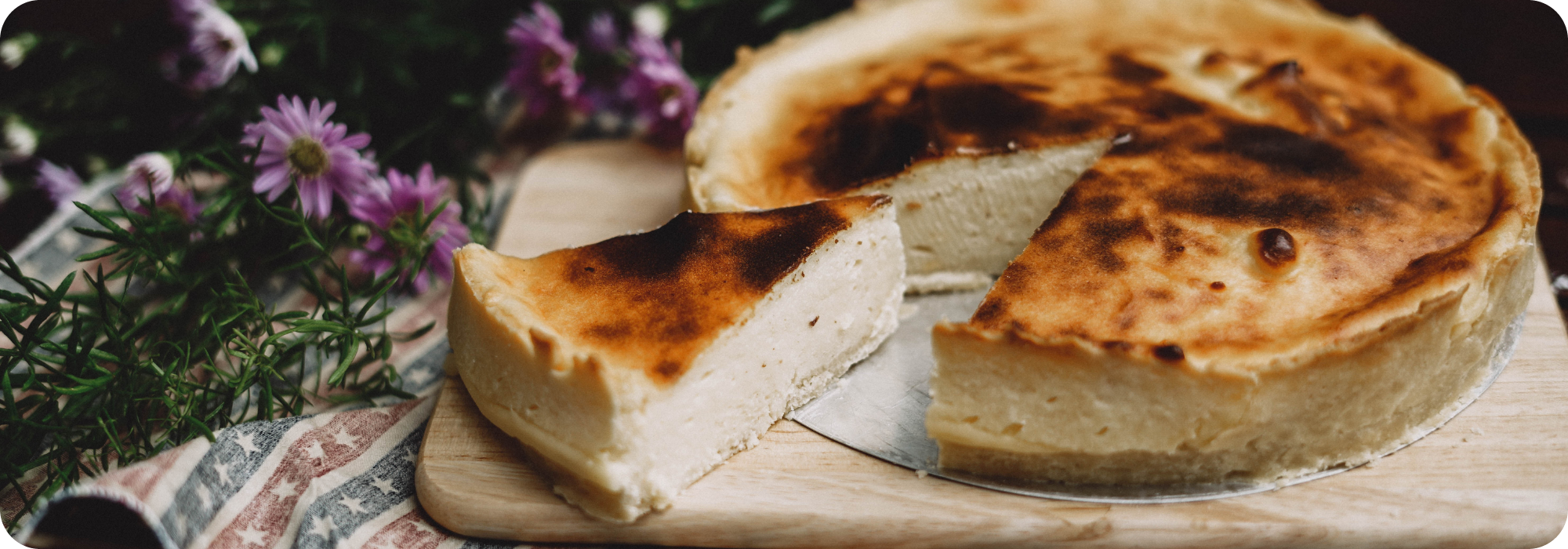
Basque Cheesecake, a simple yet extraordinary dessert that wins the hearts and palates of locals and tourists thanks to its creamy consistency paired with a crunchy and caramelized exterior. Differently from its overseas counterpart, the American cheesecake, Basque Cheesecake is indeed crustless, allowing for the rich cheesy filling to become the main character of this unforgettable dessert.
Basque Cheesecake is made with a blend of cream cheese, sugar, eggs, and heavy cream. The simplicity of these components allows the flavours to harmonize perfectly, creating a truly delicious and special experience. The secret to achieving the distinct caramelized top is in baking the Basque cheesecake at a relatively high temperature. This high-heat baking technique gives the cake a beautifully browned exterior while leaving the centre wonderfully soft and creamy
Basque Cheesecake can be served at room temperature, but many indulge in this dessert when chilled. Variations are common and include the addition of a careful hint of lemon zest, conferring that extra citrusy flavour to counterbalance the cream cheese richness. Others experiment with the inclusion of home-made compost, jam or caramel sauce, for a perfect final touch to a complete dessert.
Basque Cheesecake - Recommended Wine Pairing
Pairing a Saussignac with a slice of Basque cheesecake is a match made in heaven. The contrasting flavors of these two delicacies create a harmonious taste on the palate. The Saussignac sweet wine, known for its rich and honeyed notes, complements the creamy and slightly tangy Basque cheesecake perfectly. With each sip of the wine, the apricot, and tropical fruit flavors mix elegantly with the delicate cheesecake, enhancing its smoothness.

Land of the Giants
Legends talk of the Basque Country as a land of the gaints. Many traditional stories talk of the Jentillak, a race of Basque giants living in the Pyrenees until the arrival of Christianity, after which they fled. No one knows where they disappeared, but some of them allegedly still roam the country and they even have their own version of Santa Claus, the "Olentzero"!
Basque Codfish - Bacalao al Pil-Pil

Bacalao al Pil-Pil is yet another extremely traditional Basque gastronomy dish and often considered the most popular Basque food. The peculiar name, Pil-Pil, apparently derives from the sound emitted by the boiling of the Codfish in the pan, marking the readiness of the meal.
As with plenty other Basque recipes, the hidden beauty behind this Basque food is its extreme simplicity combined with rustic real flavours of earth and sea. The ingredients are only few: Codfish, Olive Oil, Garlic, a few chili peppers and some parsley or dried oregano.
Bacalao al Pil-Pil is extremely quick to prepare and the most important thing to ensure when preparing this Basque food is to utilize the simplest Codfish. If only salted Codfish is available, it is recommended to freshen it up by washing it for at least 24-48 hrs before the preparation, otherwise too much salt will interfere with the recipe. If Codfish is not available, similar white fish types may be used as substitutes, provided they are not too salty or intense.
Basque gastronomy is truly represented in this dish and it shows the importance of simple, local ingredients, artfully mixed and prepared to ensure a hearty result, as close to a home-made meal as possible.
Basque Codfish - Recommended Wine Pairing
Lighter wines are winners in any pairing involving white fish such as Codfish. Our selection for this Basque food and wine pairing today is Loin de l'Oeil, from Domaine Gayrard. Its natural lightness of body, combined with fine notes of pear, fruits and undernotes make it a great companion for such a staple dish in Basque Gastronomy. Let the yellow-golden reflection entice you to a unique Basque meal.
Experience Basque Food and Wine

Wine Tasting and Tour at Rezabal
📍Guipukoa, Spain
Taste the distinctive flavours of the Basque wine region accompanied by a serving of hot and cold local pintxos.

Wine Tasting and Tour at Sidras Bereziartua
📍Gipuzkoa, Spain
Local cider served directly from the barrel and a tasting paired with regional cuisine and dishes.

Crusoe Treasure Boat Excursion at Bodega Crusoe Treasure
📍Bizkaia, Spain
Experience the finest wine the Basque land can offer paired with a delicious Basque Pintxos degustation. Discover the world of underwater wines and the beauty of the sea.

Wine Tasting and Tour at Hiruzta Bodega
📍Gipuzkoa, Spain
You will be offered a unique tour and wine tasting of premium Txacoli wines as well as the chance to discover the production processes of their native Hondarrabi Zuri. Stop by the restaurant for a taste of local cuisine.
Basque Food and Wine - FAQ's
What are traditional Basque foods?
Pintxos: These are bite-sized snacks or appetizers often served on a skewer or toothpick. They come in a wide range of variations, such as pintxos de tortilla (potato omelet), pintxos de bacalao (salt cod), or pintxos de jamón (ham).
Bacalao a la Vizcaína: This is a classic Basque dish made with salted codfish, cooked in a sauce made from onions, peppers, tomatoes, garlic, and olive oil. It is typically served with a side of creamy mashed potatoes.
Marmitako: A hearty fisherman's stew made with tuna, potatoes, onions, peppers, and tomatoes. It is seasoned with herbs and often cooked in a traditional Basque pot called a marmita.
Txuleta: Basque cuisine is renowned for its exceptional grilled meats, and txuleta is a prime example. It is a thick, bone-in ribeye steak, typically cooked to perfection over an open fire and served with simple accompaniments like roasted peppers and potatoes.
What is a typical Basque wine?
What is the most famous Basque dish?
What do you drink with Basque food?
Txakoli: As mentioned earlier, this Basque white wine pairs well with many traditional Basque dishes due to its acidity and freshness.
Basque Cider: Basque Country is also known for its cider production. This tart and effervescent beverage can complement dishes like bacalao a la Vizcaína or grilled meats.
Red Rioja: While not exclusively Basque, the neighboring region of La Rioja produces excellent red wines. These wines, made primarily from Tempranillo grapes, can be a great choice for heartier Basque dishes like stews or grilled meats.


