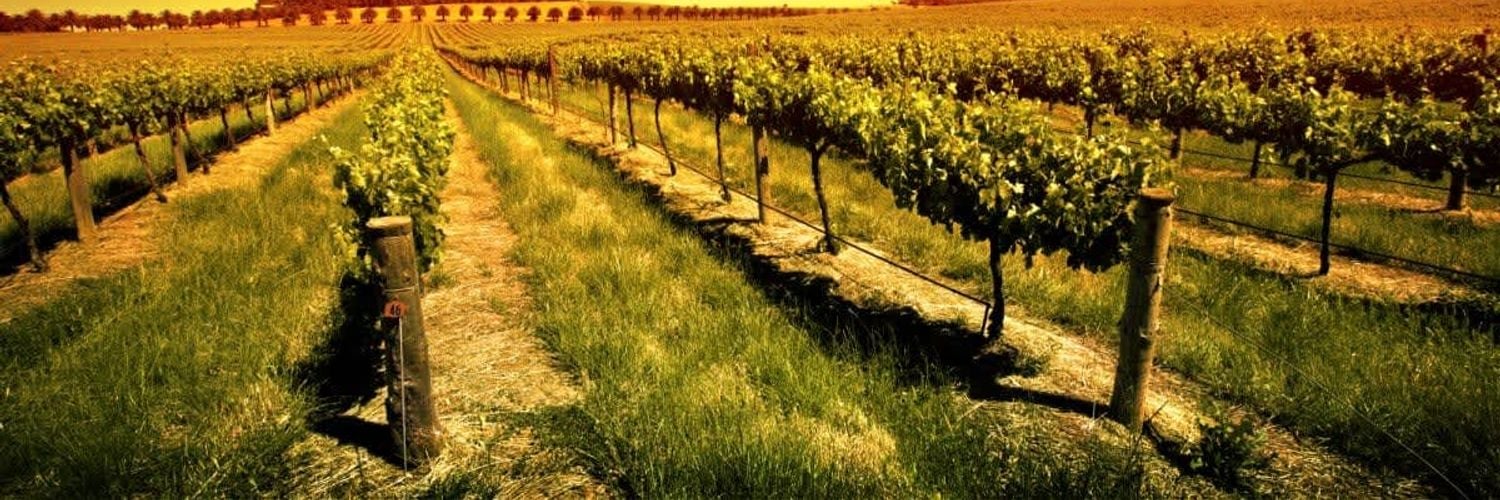
Découvrez le meilleur de l'œnotourisme à Sud-Ouest de la France
Le Sud-Ouest de la France invite les amateurs de vin à explorer la diversité de ses paysages et la richesse de son patrimoine culturel à travers une expérience œnotouristique unique. Des Malbecs charpentés de Cahors aux élégants blancs de Jurançon, cette région offre une palette de cépages autochtones. Découvrez les collines vallonnées de Madiran, la douceur onctueuse des vins de dessert de Gaillac et les rouges puissants de Fronton. Chaque visite de domaine est une histoire à savourer, une invitation à découvrir l'essence même de ce terroir exceptionnel.
Les meilleures villes à visiter en Sud-Ouest de la France, France

Vierge, a lighthouse located on a rocky outcrop, and enjoy panoramic views of the coast. Anglet is also known for its golf courses, with several options available for golf enthusiasts. And of course, don't miss out on the delicious seafood and local cuisine that Anglet has to offer.
Bergerac
Bergerac is a charming town located on the banks of the Dordogne River. It is known for its medieval architecture, picturesque streets, and of course, its wines.
Take a stroll through the old town and admire the half-timbered houses and narrow alleyways. Visit the Maison des Vins de Bergerac to learn more about the wines of the region and taste some of the local varieties. And if you have time, explore the surrounding vineyards and wineries for a true wine experience.
Cahors
Cahors is a historic town located on the banks of the Lot River. It is known for its medieval architecture, including the famous Pont Valentré, a fortified bridge with three towers.
Explore the old town and visit the Cahors Cathedral, a stunning example of Gothic architecture. And of course, don't miss out on tasting the famous Cahors wines, known for their deep, dark color and rich flavors.
Madiran
Madiran is a small village located in the heart of the Madiran wine region. It is known for its vineyards and wineries, producing some of the finest red wines in the region.
Visit the local wineries and taste the famous Madiran wines, made primarily from the Tannat grape. Take a walk through the vineyards and enjoy the beautiful countryside scenery. And if you're a food lover, don't miss out on trying the local cuisine, which pairs perfectly with the wines of the region.
Rocamadour
Rocamadour is a stunning cliffside village located in the Lot department of the South West France wine region. It is known for its medieval architecture and its religious significance as a pilgrimage site.
Visit the famous Notre-Dame de Rocamadour, a sanctuary perched on the edge of a cliff, and explore the narrow streets and charming shops of the village. And don't forget to try the local goat cheese, a specialty of the region.
Sarlat-la-Canéda
Sarlat-la-Canéda is a beautiful medieval town located in the Dordogne department of the South West France wine region. It is known for its well-preserved historic center and its rich gastronomy.
Take a walk through the narrow streets of the old town and admire the stunning architecture, including the famous Maison de la Boétie. Visit the local markets and try the delicious local specialties, such as foie gras, truffles, and walnut products. And if you're a film lover, don't miss the Sarlat Film Festival, held annually in November.
Toulouse
Toulouse is the capital city of the Occitanie region and a vibrant cultural and economic hub. It is known for its pink brick architecture, lively atmosphere, and rich history.
Explore the historic center of Toulouse and visit the iconic Basilica of Saint-Sernin, a UNESCO World Heritage site. Take a stroll along the Garonne River and enjoy the beautiful views. And don't miss out on trying the local specialty, cassoulet, a hearty dish made with white beans, sausage, and meat.
Uzès
Uzès is a charming town located in the Gard department of the South West France wine region. It is known for its well-preserved medieval architecture and its famous Saturday market.
Visit the Duchy of Uzès, a medieval castle that is now a private residence, and explore the narrow streets of the old town. Don't miss out on the Saturday market, where you can find a wide variety of local products, including fruits, vegetables, cheese, and wine.
The Cuisine of South West France Wine Region
The South West France wine region is not only known for its wines but also for its delicious cuisine. The region offers a wide variety of dishes, each with its own unique flavors and ingredients.
Here are some of the traditional dishes you must try:
- Cassoulet: A hearty dish made with white beans, sausage, and meat.
- Magret de Canard: Duck breast cooked to perfection, often served with a rich sauce.
- Foie Gras: A delicacy made from the liver of a duck or goose, often served with toast or brioche.
- Confit de Canard: Duck leg slow-cooked in its own fat until tender and crispy.
- Truffles: The region is known for its black truffles, which are often used to flavor dishes such as omelettes and pasta.
- Walnut Cake: A delicious dessert made with local walnuts.
And of course, don't forget to pair your meal with a glass of local wine from the South West France wine region for the perfect dining experience.
Conclusion
The South West France wine region is a hidden gem waiting to be discovered. With its diverse terroirs, unique grape varieties, and rich history, it offers a truly unique wine experience. Whether you're a wine enthusiast or simply looking to explore the beauty of the region, the South West France wine region has something for everyone.
So pack your bags, grab a glass of wine, and get ready to embark on a journey through the South West France wine region.
References:
- https://www.winetourism.com/fr/pays-viticole/france/
- https://www.winetourism.com/fr/region-viticole/bordeaux/
- https://www.winetourism.com/fr/region-viticole/languedoc-roussillon/
- https://www.winetourism.com/fr/pays-viticole/espagne/
- https://www.winetourism.com/fr/appellations-viticole/vallee-de-napa/
- https://www.winetourism.com/fr/region-viticole/bourgogne/
- https://www.winetourism.com/fr/visites-et-degustation-de-vin-en-sud-ouest-de-la-france/
Discover South West France Wine Region
Ready to explore the South West France wine region? Check out our Wine Tastings and Tours in South West France and start planning your wine adventure today!
Discover South West France wine region through our travel guide:
Terroirs and wines of South West France
Wineries to visit for the wine experiences

The History of South West France relates to Bordeaux
The history of the development of the South West region is about complicated relationships as well as its topography. Before Bordeaux was cut off from the South West region, merchants from Gaillac, Buzet, Cahors, and Bergerac moved their wines through routes marked by the local rivers right to Bordeaux.
To protect their regional product and profit margins, between the 13th and 14th centuries, merchants from Bordeaux took measures that led to the currently known regions.
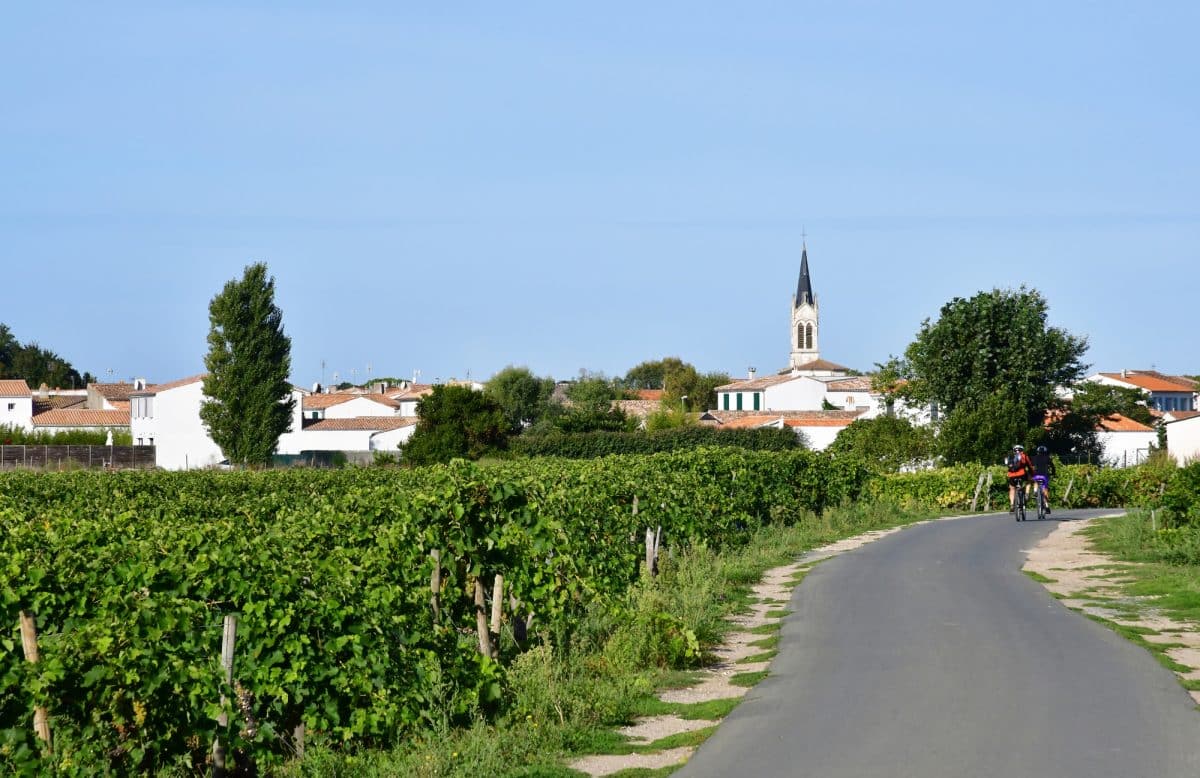
Although the wine region of South West France has been overshadowed by Bordeaux, it still boasts its traditional grape varietals that differentiate its wines from those of its counterpart.
Currently, the most widely known grapes are Merlot, Sauvignon Blanc and Cabernet Sauvignon, thanks to Bordeaux. The South West wine region, however, still gives us its traditional grape varietals of Tannat, Fer Servadou and Len de l'El.
South West France Wine Region Map

The land of Various Climate, Soil, and Wine
The region is a mix of several terroirs and different appellations.
The South West region has four appellations: Lot River, Tarn-et-Garonne, Bergerac & Dordogne River and Pyrénées. These regions carry different types of climatic conditions, characteristics as well as varietals. Thanks to the wide variances in soil, climate, and topography, the South West wine region boasts a wide portfolio of wines.
Climate:
Some of the sub-regions in South West enjoy the maritime climate courtesy of the Atlantic Ocean. Indeed, on the inland side of the region, the continental climate produces a different variety of wines.
Soils:
The soils range from sand, clay, and gravel in most parts of the region. The stone type of soil, is however, found in the plateau areas and on base areas of Pyrenees.
Wines:
All these factors have led to a wide range of wines from this region; sweet, sparkling, dry white and full-bodied wines.
The red Tannat grape(the national grape in Uruguay), found in Madiran and Jurançon is a more known varietal and is comparable to Malbec.
The South West France Sub-Regions
Southern France, often referred to as the cradle of French viticulture, is a diverse and expansive wine region, featuring areas like the historical Provence, which boasts over 2,600 years of winemaking heritage. Known primarily for its emblematic rosé wines, Provence represents just a fraction of the Southern France wine landscape. Other noteworthy regions include the sun-drenched Languedoc-Roussillon, famous for its reds, and the Rhone Valley, a dynamic area that stretches from its southern end right up to Provence. With each region in Southern France offering a unique blend of tradition and innovation, the area is a veritable tapestry of winemaking practices and styles
The variety of climates and soil allow the South West France wine region to boast many unique terroirs and produce a large variety of native grapes.
Tarn-et-Garonne
Deriving its name from the two rivers in the region, Tarn and Garonne, it has two climatic conditions- the Mediterranean and Atlantic climate. Their grapes include Bergerac, Dordogne, Pinot Noir and Rousselou as well as indigenous grapes such as Mouyssagués, Négrette, and Tennat among others.
Bergerac & Dordogne
This region borders the famous Bordeaux region. It has two rivers running through it, the Bergerac and the Dordogne. Enjoying a maritime climatic while being inland, it is usually warmer than Bordeaux.
Lot River
The wines of this region have a taste of green apple, plum and tobacco.
Known as the original home of the Malbec grape, the Lot River regions enjoy a coastal climate. The exotic tastes of these wines make them famous and for centuries, have been loved by royals of Russia and England.
Among Malbec, varietals include Merlot, Fer Servadou, Cabernet Franc and Cabernet Sauvignon.
Pyrénées
Most of the wines from this region are red.
The Pyrenees is home of the indigenous grape, Tannat, which produces rusty-tasting wines. The region enjoys a highland climate, due to its proximity to the mountain range that separates itself from Spain. In fact, the region is named after these mountain ranges.
IGP- Côte de Gascogne
In this region, the laws are a bit relaxed, which allows wineries to experiment with their wines. It shares the same production zone with the Armagnac region and produces red, white and rosé wines. 75% of these are exported.

Wineries to Visit in the South West France wine region
The best way to taste wines from indigenous grape varieties is to visit Wineries in South West France wine region.
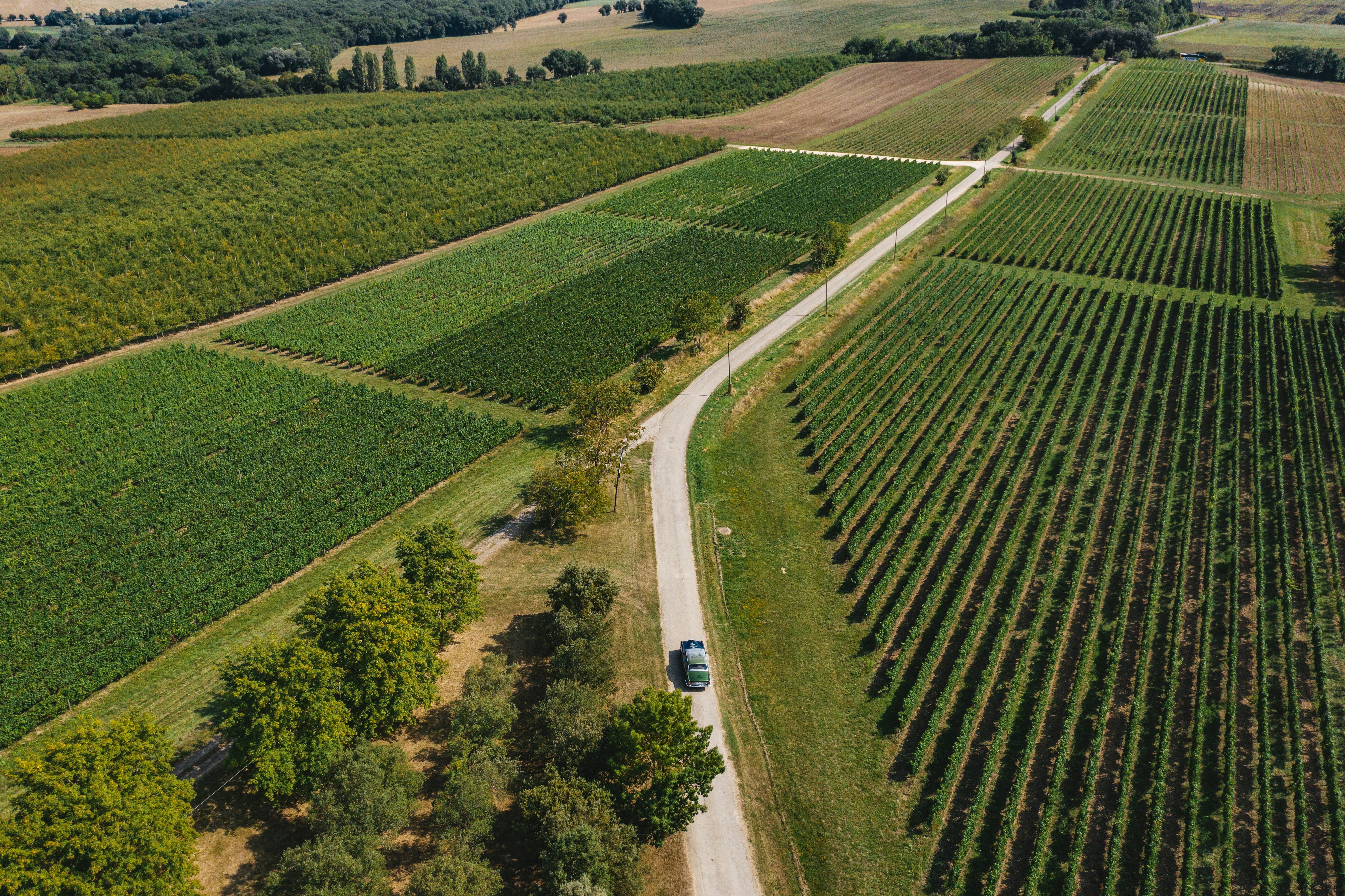
Château de Gensac is located in Armagnac, South West France wine region, about halfway between Bordeaux and Toulouse. The vineyard of the estate stretches across 300 hectares of land and features a beautiful castle from the 13th century.
Plan a visit to Château de Gensac, where the team of the estate will welcome and guide you through the cellars and vineyards. You will also get to taste their fantastic wines and of course, their traditional Armagnac.
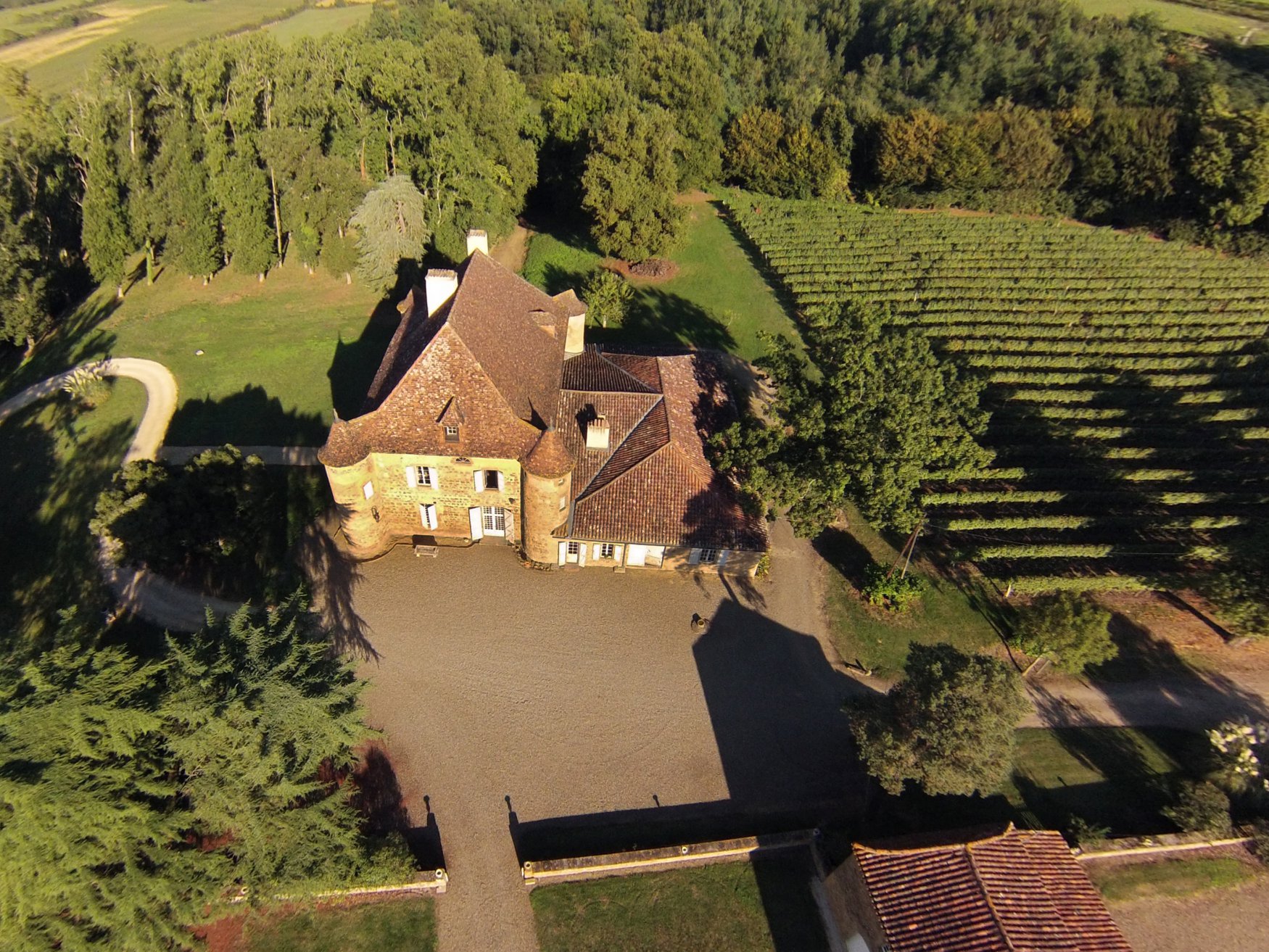
Domaine Plaimont has been considered one of the most beautiful wine estates and castles in the South West France wine region. The winery property extends from the foothills of the Pyrenees until the rolling hills of Gascony in the heart of the region.
The winery produces red, white, as well as rosé wines from the grape varieties of Tannat, Pinenc, Cabernet Sauvignon, Cabernet Franc, Gros Manseng, etc. Visit the estate to learn more about their wines and passion of winemaking.

The Château de Gaudou located in the historic South West France wine region traces its history to the middle ages with the massive beige walls, towers and large windows of the estate. The winery puts great emphasis on tradition, innovation, terroir, and love in wine production.
Visit the winery and taste rich blend of history, innovation and finnes in every sip of wine you take.
The South West France Wine Region has More to Offer
Apart from the large tracts of vineyards from different wineries in the region, the South West France wine region offers many more activities. From rich architectural old school villages to mountainous areas and sandy beaches, you will not run out of places to be awed by.
Discover South West France Through its Towns
Bayonne
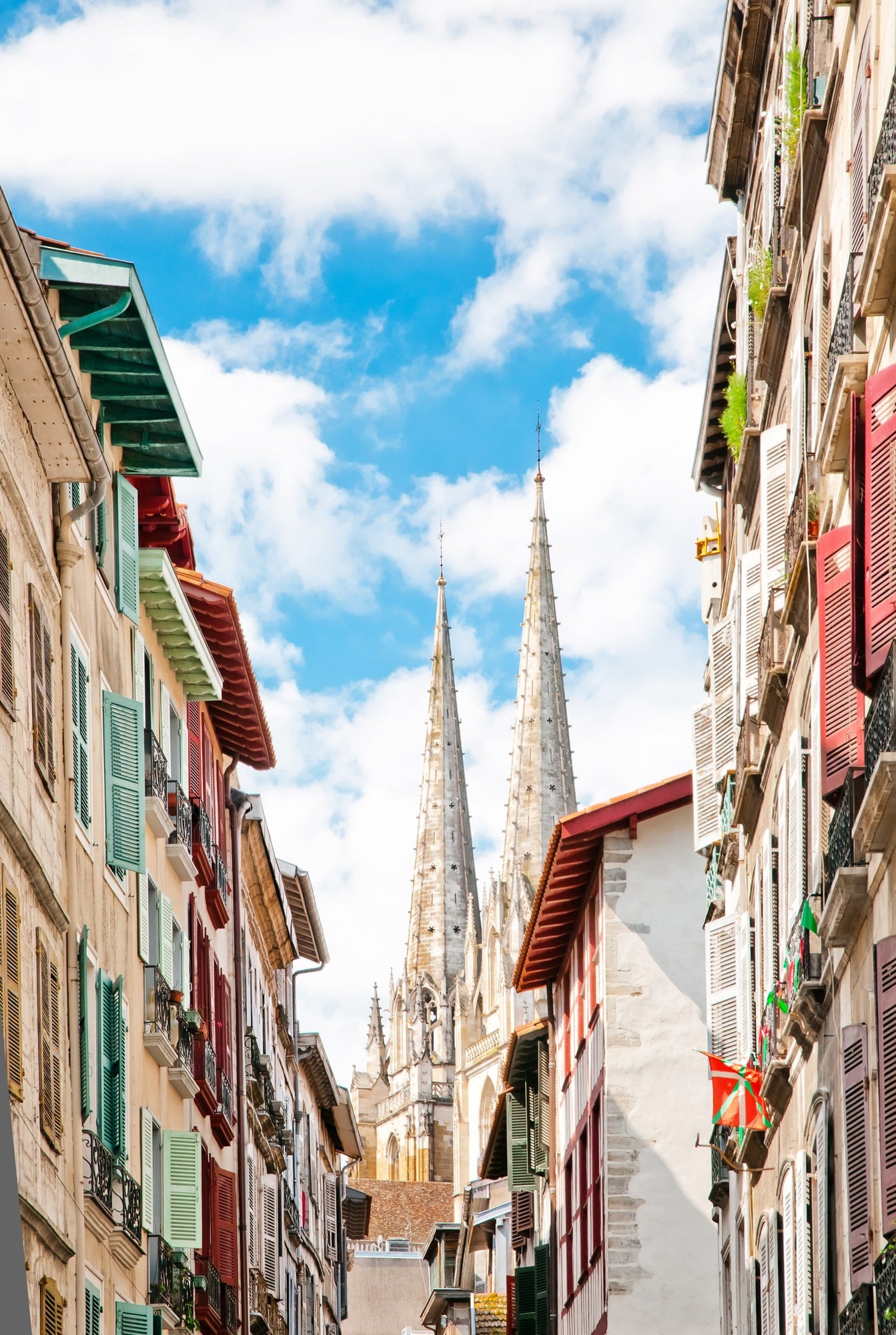
Bayonne is one of the prettiest towns of the South-West France wine region. It is a waterside town stretching along the rivers of Adour and Nive.
For a chance to see South West France Wine Region's longstanding architecture and history, Bayonne is one of the places to be. This town is where Nive and Adour come together. Bayonne is home to the famous 13th-century St. Mary de Bayonne, the gothic-styled cathedral. The streets of Bayonne, which are made of cobblestone offer you a shopping experience only comparable to Paris, with locally made cheeses and handmade linens.
Agen
With 33 protected historical monuments, Agen offers a rich experience of history and architecture.
Places to visit in Agen:
- Notre Dame des Jacobins in the centre of Agen's old town is one of the oldest buildings still standing in France. It was built in 1249 using the Old Dominican architecture.
- The Agen Bridge that stretches up to 539 meters with 23 arches, treats you to one of the most beautiful sights of the Southwest. It is also the second-longest water bridge in France.
Other places to visit in this city include the Madailan Castle, Gavaudun Fortress and Lectoure among others.
Anglet
Here, you will find surfing, golfing, and seaside cuisines to savour!
With a coastline that stretches up to 5 kilometres, Anglet welcomes you to its beautiful sandy beaches and a wide range of activities.
Take a visit to Rocher de la Vierge, a lighthouse located on a rocky outcrop, and enjoy panoramic views of the coast. Anglet is also known for its golf courses, with several options available for golf enthusiasts. And of course, don't miss out on the delicious seafood and local cuisine that Anglet has to offer.
Bergerac
Bergerac is a charming town located on the banks of the Dordogne River. It is known for its medieval architecture, picturesque streets, and of course, its wines.
Take a stroll through the old town and admire the half-timbered houses and narrow alleyways. Visit the Maison des Vins de Bergerac to learn more about the wines of the region and taste some of the local varieties. And if you have time, explore the surrounding vineyards and wineries for a true wine experience.
Cahors
Cahors is a historic town located on the banks of the Lot River. It is known for its medieval architecture, including the famous Pont Valentré, a fortified bridge with three towers.
Explore the old town and visit the Cahors Cathedral, a stunning example of Gothic architecture. And of course, don't miss out on tasting the famous Cahors wines, known for their deep, dark color and rich flavors.
Madiran
Madiran is a small village located in the heart of the Madiran wine region. It is known for its vineyards and wineries, producing some of the finest red wines in the region.
Visit the local wineries and taste the famous Madiran wines, made primarily from the Tannat grape. Take a walk through the vineyards and enjoy the beautiful countryside scenery. And if you're a food lover, don't miss out on trying the local cuisine, which pairs perfectly with the wines of the region.
Rocamadour
Rocamadour is a stunning cliffside village located in the Lot department of the South West France wine region. It is known for its medieval architecture and its religious significance as a pilgrimage site.
Visit the famous Notre-Dame de Rocamadour, a sanctuary perched on the edge of a cliff, and explore the narrow streets and charming shops of the village. And don't forget to try the local goat cheese, a specialty of the region.
Sarlat-la-Canéda
Sarlat-la-Canéda is a beautiful medieval town located in the Dordogne department of the South West France wine region. It is known for its well-preserved historic center and its rich gastronomy.
Take a walk through the narrow streets of the old town and admire the stunning architecture, including the famous Maison de la Boétie. Visit the local markets and try the delicious local specialties, such as foie gras, truffles, and walnut products. And if you're a film lover, don't miss the Sarlat Film Festival, held annually in November.
Toulouse
Toulouse is the capital city of the Occitanie region and a vibrant cultural and economic hub. It is known for its pink brick architecture, lively atmosphere, and rich history.
Explore the historic center of Toulouse and visit the iconic Basilica of Saint-Sernin, a UNESCO World Heritage site. Take a stroll along the Garonne River and enjoy the beautiful views. And don't miss out on trying the local specialty, cassoulet, a hearty dish made with white beans, sausage, and meat.
Uzès
Uzès is a charming town located in the Gard department of the South West France wine region. It is known for its well-preserved medieval architecture and its famous Saturday market.
Visit the Duchy of Uzès, a medieval castle that is now a private residence, and explore the narrow streets of the old town. Don't miss out on the Saturday market, where you can find a wide variety of local products, including fruits, vegetables, cheese, and wine.
The Cuisine of South West France Wine Region
The South West France wine region is not only known for its wines but also for its delicious cuisine. The region offers a wide variety of dishes, each with its own unique flavors and ingredients.
Here are some of the traditional dishes you must try:
- Cassoulet: A hearty dish made with white beans, sausage, and meat.
- Magret de Canard: Duck breast cooked to perfection, often served with a rich sauce.
- Foie Gras: A delicacy made from the liver of a duck or goose, often served with toast or brioche.
- Confit de Canard: Duck leg slow-cooked in its own fat until tender and crispy.
- Truffles: The region is known for its black truffles, which are often used to flavor dishes such as omelettes and pasta.
- Walnut Cake: A delicious dessert made with local walnuts.
And of course, don't forget to pair your meal with a glass of local wine from the South West France wine region for the perfect dining
Vierge et ayez la chance de voir la formation rocheuse avec une statue de la Vierge Marie. D'autres endroits à visiter à Anglet incluent le parc écologique Izadia et les jardins d'Anglet.
Foix
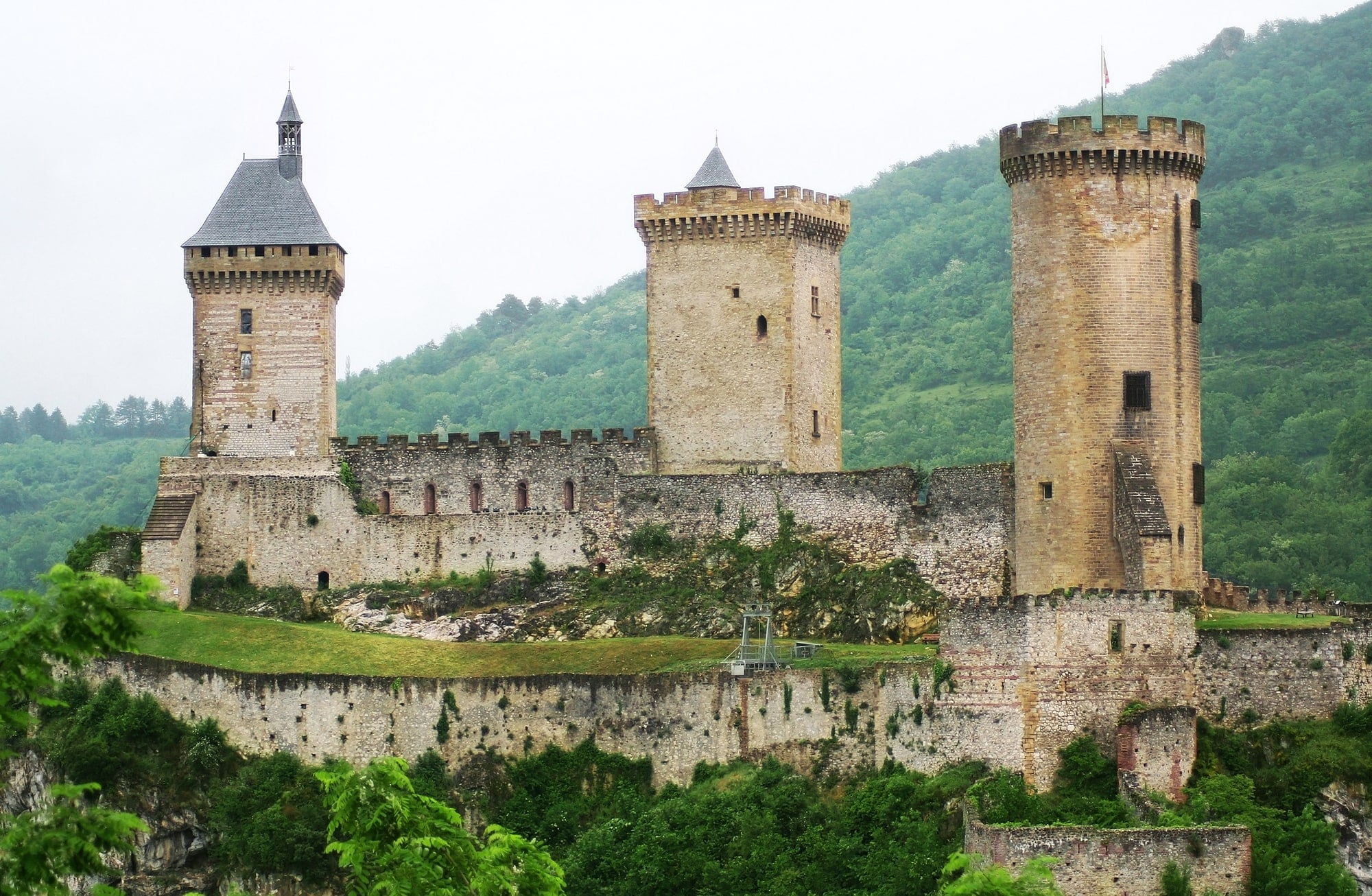
Foix est la préfecture du département de l'Ariège, dans le sud-ouest de la France, au pied des montagnes des Pyrénées.
Les Forges de Pyrène vous feront découvrir une riche histoire des outils anciens qui sont encore utilisés aujourd'hui. Cet endroit s'étend sur 5 hectares de terrain et abrite une collection de 6 500 outils.
En visitant Foix, ne manquez pas le Château de Foix, classé monument historique en 1840.
La cuisine de la région viticole du sud-ouest de la France
La région viticole du sud-ouest de la France est un paradis pour tous les amateurs de cuisine aventureux. Essayez d'associer des fruits de mer frais de l'Atlantique avec de nouveaux vins à chaque repas.
Foie Gras
Avant que cette cuisine ne trouve son chemin jusqu'en France, les anciens Égyptiens utilisaient la méthode du gavage pour engraisser leurs oies domestiques. Cette pratique s'est répandue dans toute la région méditerranéenne et a trouvé son chemin jusqu'aux Grecs et aux Romains, qui ont perfectionné cet art. En fait, c'est l'une des cuisines protégées par la loi du patrimoine de la France.

Le foie gras désigne le foie gras d'une oie ou d'un canard. Pour lui donner sa texture soyeuse, lisse et son goût exotique, il est assaisonné de poivre, de vin blanc doux et de fleur de sel.
Accord vin : Optez pour un vin doux, en particulier celui qui a été utilisé dans la préparation.
Homard Persillé
Cette délicatesse de fruits de mer est un homard préparé avec du beurre et du persil. Vous trouverez cela dans la plupart des restaurants de la région viticole du sud-ouest de la France. Pour un goût exquis, le corail est mélangé avec du beurre, cuit au four et assaisonné de persil lors de la dégustation.
Confit de Canard
Bien que ce soit une cuisine de Gascogne, le Confit de Canard est actuellement l'un des meilleurs plats de la région viticole du sud-ouest de la France.
Le Confit de Canard est un plat de canard conservé dans de la graisse d'oie.
Accord vin : Accompagnez-le d'un rouge moyen riche en fruits ou d'un blanc aromatique demi-sec.
Cassoulet
Cette cuisine est originaire du sud de la France. Il s'agit d'une combinaison de haricots blancs, de viande et de peau de porc. Elle est préparée à l'aide du Cassole, un récipient traditionnel rond et profond en terre cuite.
Découvrez-en plus sur la région viticole du sud-ouest de la France :
Questions fréquemment posées sur la région viticole du sud-ouest de la France
1. Où se trouve la région viticole du sud-ouest de la France située ?
La région viticole du sud-ouest de la France se trouve dans le sud de la région viticole de Bordeaux, de l'Aquitaine à une partie de Midi-Pyrénées. La région couvre environ 16 mille hectares de vignobles.
2. Quelles sont les sous-régions et appellations les plus célèbres du sud-ouest de la France ?
La région viticole du sud-ouest de la France compte cinq sous-régions, à savoir Dordogne/Bergerac, Garonne, Gascony, Béarn et Pays Basque.
Dans ces régions, il existe une multitude d'appellations, telles que les AOC Bergerac, Côtes de Duras, Côtes du Marmandais, Fronton, Madiran, Pacherenc du Vic-Bilh, Béarn et Irouléguy.
3. Quels sont les principaux cépages du sud-ouest de la France ?
Cabernet Sauvignon, Cabernet Franc, Malbec, Merlot, Muscadelle, Négrette, Sauvignon blanc, Sémillon, Tannat et Ugni blanc sont quelques-uns des cépages cultivés dans le sud-ouest de la France.
4. Quel est le meilleur vin à essayer dans le sud-ouest de la France ?
Vous ne serez pas déçu en dégustant les bouteilles classiques de Cabernet Sauvignon du sud-ouest de la France. Avec Merlot, Cabernet Franc et d'autres, les cépages mondiaux de la région garantissent un bon vin.
5. Pour quoi le sud-ouest de la France est-il célèbre?
Outre la production de vins fantastiques, le sud-ouest de la France est célèbre pour ses anciennes ou ses bastides médiévales et aussi pour les montagnes des Pyrénées qui bordent l'Espagne.
Carte des vignobles de Sud-Ouest de la France
Découvrez les emplacements des domaines viticoles à Sud-Ouest de la France
Questions fréquemment posées
1. Où se trouve la région viticole du sud-ouest de la France située ?
La région viticole du sud-ouest de la France se trouve dans le sud de la région viticole de Bordeaux, de l'Aquitaine à une partie de Midi-Pyrénées. La région couvre environ 16 mille hectares de vignobles.
2. Quelles sont les sous-régions et appellations les plus célèbres du sud-ouest de la France ?
La région viticole du sud-ouest de la France compte cinq sous-régions, à savoir Dordogne/Bergerac, Garonne, Gascony, Béarn, et Pays Basque.
Dans ces régions, il existe une multitude d'appellations, telles que les AOC Bergerac, Côtes de Duras, Côtes du Marmandais, Fronton, Madiran, Pacherenc du Vic-Bilh, Béarn et Irouléguy.
3. Quels sont les principaux cépages du sud-ouest de la France ?
Cabernet Sauvignon, Cabernet Franc, Malbec, Merlot, Muscadelle, Négrette, Sauvignon blanc, Sémillon, Tannat et Ugni blanc sont quelques-uns des cépages cultivés dans le sud-ouest de la France.
4. Quel est le meilleur vin à essayer dans le sud-ouest de la France ?
Vous ne serez pas déçu en dégustant les bouteilles classiques de Cabernet Sauvignon du sud-ouest de la France. Avec Merlot, Cabernet Franc, et d'autres, les cépages mondiaux de la région garantissent un bon vin.
5. Pour quoi le sud-ouest de la France est-il célèbre ?
Outre la production de vins fantastiques, le sud-ouest de la France est célèbre pour ses anciennes ou ses bastides médiévales et aussi pour les montagnes des Pyrénées qui bordent l'Espagne.
Recevez votre dose mensuelle d'inspiration viticole
Rejoignez notre newsletter dès maintenant et recevez gratuitement notre guide pour organiser la visite de vignoble parfaite.
Nous nous soucions de vos données dans notre politique de confidentialité .