Gratuit
·
4.9
·
29 avis
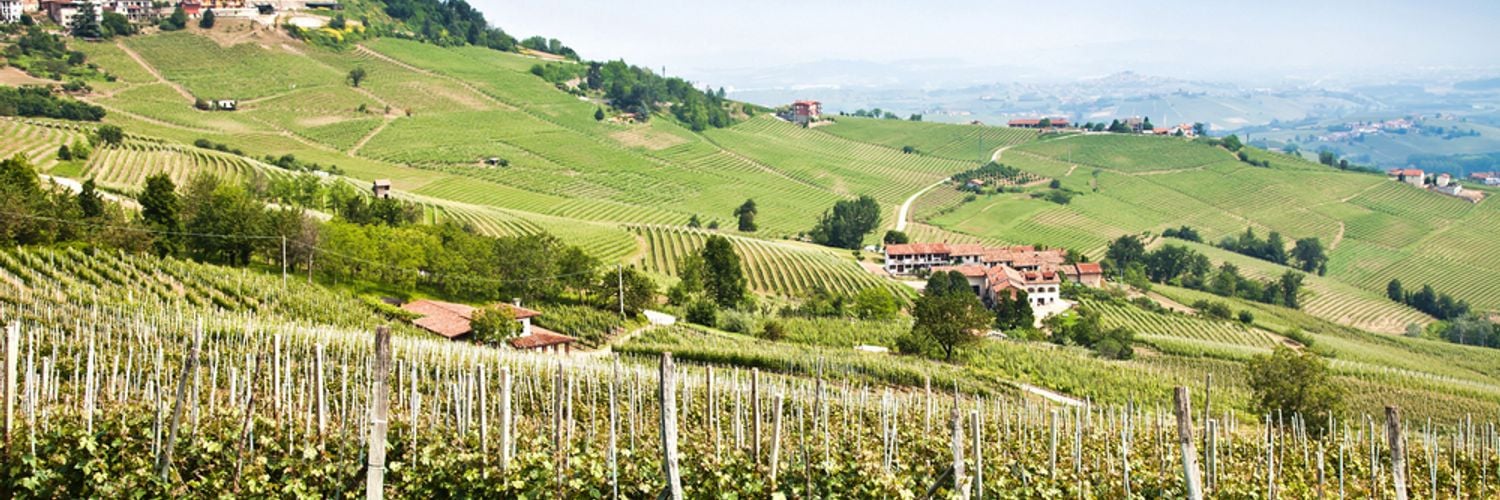
Barolo, situé au cœur du Piémont, est un haut lieu de l'œnotourisme, réputé pour ses vins Nebbiolo puissants et ses paysages à couper le souffle. Cette charmante région abrite des villages pittoresques comme La Morra, Barolo et Serralunga d'Alba, offrant chacun des expériences de dégustation uniques et un riche patrimoine culturel. Les visiteurs peuvent explorer des domaines viticoles familiaux, savourer d'exquis assemblages de Barolo et de Barbaresco et se délecter des délices gastronomiques de la région, faisant de Barolo une destination incontournable pour les amateurs de vin.
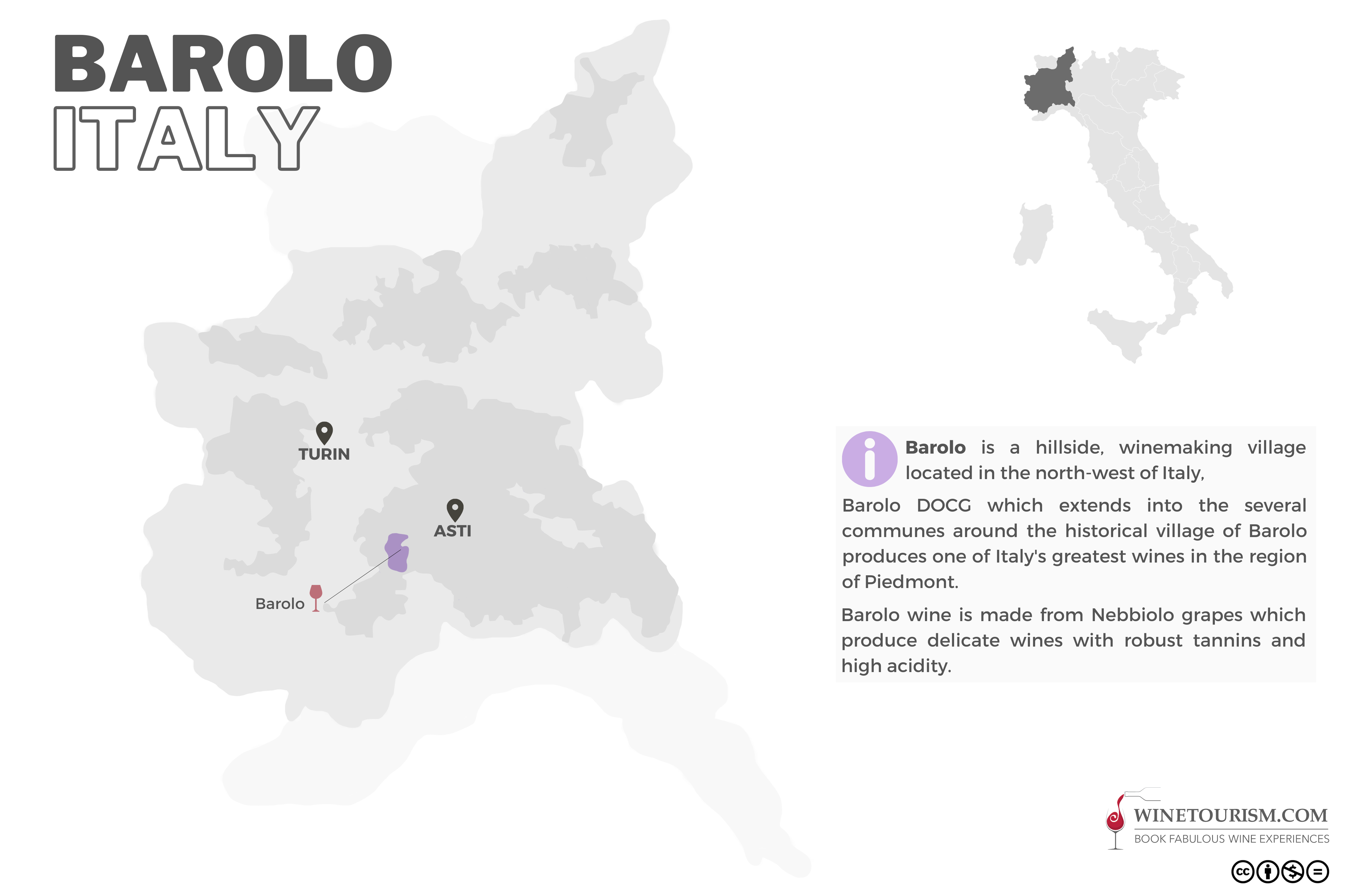
Barolo, often referred to as the “King of Wines” and the “Wine of Kings,” is one of Italy’s most esteemed wine regions, known for producing elegant and complex wines that have garnered international acclaim. Situated in the Langhe hills of Piedmont in northwest Italy, this picturesque area combines rich history, breathtaking landscapes, and a heritage of winemaking that dates back to the Roman era. Barolo wines made predominantly from the Nebbiolo grape, offer an extraordinary tasting experience marked by their deep, layered flavors, unique aromas, and impressive aging potential. For wine connoisseurs and casual enthusiasts alike, Barolo is a must-visit destination that offers more than just remarkable wines—it’s a journey through time, culture, and tradition.
At the heart of every bottle of Barolo is the Nebbiolo grape, a variety that is both challenging and rewarding to cultivate. Nebbiolo is known for its powerful tannins, high acidity, and complex bouquet of aromas, which can range from floral and fruity to earthy and savory. These grapes thrive in the Langhe region's varied terroir—characterized by its hilly terrain, rich clay-limestone soils, and ideal microclimate—which provides the perfect conditions for Nebbiolo to flourish.
Nebbiolo is a late-ripening grape that requires a long growing season, and the high altitudes of Barolo's vineyards, along with the dramatic day-night temperature fluctuations, allow the grapes to develop their characteristic balance of acidity, tannins, and fruitiness. The result is a wine that is as powerful as it is elegant, with flavors that evolve beautifully over time.
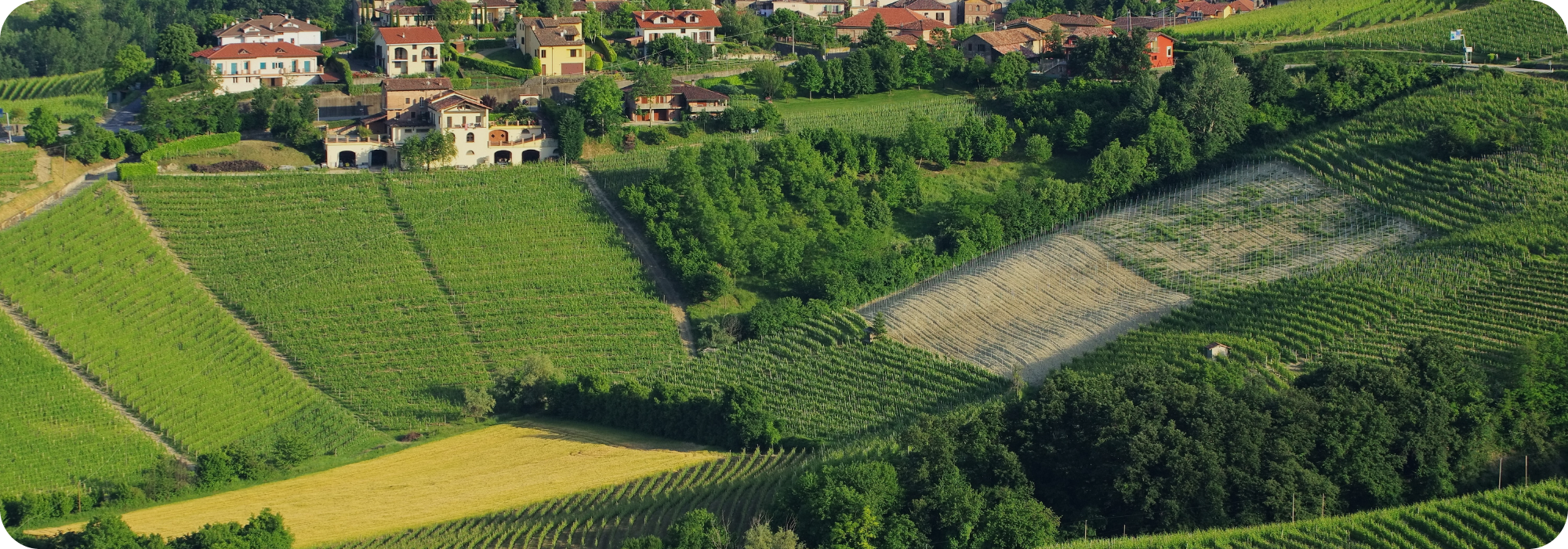
Barolo’s terroir is a key factor in the exceptional quality of its wines. The region is divided into several subzones, each with its own distinct characteristics due to variations in soil composition, elevation, and exposure to sunlight. The Barolo wine region is made up of 11 communes, with the town of Barolo itself being the focal point. These communes—such as La Morra, Serralunga d'Alba, and Monforte d'Alba—have their own unique contributions to the final wine’s flavor profile, allowing for a wide range of styles within the Barolo category.
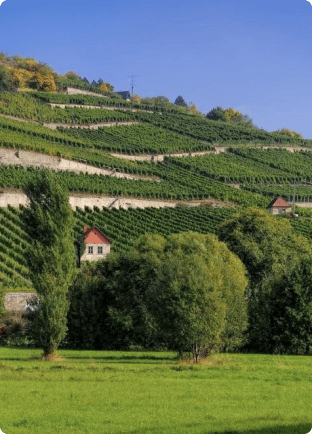
The region’s vineyards are planted on steep, south-facing slopes, ensuring optimal exposure to sunlight, which helps the grapes ripen fully. The soils are primarily clay and limestone, with some areas featuring sandier soils, which contribute to the complexity and minerality of the wine. The dramatic landscape, with its terraced vineyards and lush green hills, creates a stunning visual backdrop for the wine-producing regions and enhances the overall experience of visiting Barolo.
Barolo’s reputation as a world-class wine is deeply rooted in its history. The first evidence of winemaking in the area dates back to Roman times, but it wasn’t until the 19th century that Barolo truly began to earn its legendary status. The region’s rise to fame can be attributed to the efforts of key historical figures, including the influential figures of the House of Savoy, who were instrumental in establishing Barolo as a noble wine fit for royalty.
One of the most significant figures in the history of Barolo was the Marchesa di Barolo, a noblewoman who played a pivotal role in refining winemaking techniques in the region. The Marchesa’s efforts led to Barolo being considered the “wine of kings” during the 19th century, further cementing its prestigious reputation.
Barolo was officially granted Denominazione di Origine Controllata e Garantita (DOCG) status in 1980, a designation reserved for Italy’s finest wines. This certification ensures that Barolo wines adhere to strict production standards, including rigorous rules about grape varieties, vineyard yields, and aging requirements. According to the DOCG regulations, Barolo must be made from 100% Nebbiolo grapes, and the wine must be aged for a minimum of 38 months, with at least 18 months spent in wooden barrels.
The DOCG status guarantees that every bottle of Barolo meets the highest standards of quality, making it a wine that is both revered and highly sought after by collectors and enthusiasts alike.
A visit to the Barolo wine region is an unforgettable experience for wine lovers and travelers alike. The charming town of Barolo, with its cobblestone streets, historic buildings, and vibrant local culture, is the perfect base for exploring the area. The town is home to several renowned wineries, many of which offer guided tours and tastings. A visit to the Barolo Wine Museum, housed in the beautiful Castello Falletti, provides insight into the region’s rich history and the evolution of its winemaking practices.
The surrounding villages, such as La Morra, Serralunga d'Alba, and Monforte d'Alba, are also worth exploring, each offering its own unique perspective on Barolo. These villages are perched atop hills, offering sweeping views of the vineyards below. The serene atmosphere and spectacular views make Barolo an ideal destination for those looking to immerse themselves in the beauty of the Langhe region.
No trip to Barolo would be complete without indulging in a wine tasting experience. The region’s wineries are known for their hospitality, and many offer intimate, private tours where visitors can taste different vintages of Barolo, from young and fruit-forward expressions to older, more complex bottles that showcase the aging potential of the wine.
Barolo wines vary in style depending on the vineyard and winemaker, but they all share a characteristic depth and richness. Tasting Barolo is a multi-sensory experience, with aromas ranging from rose petals and red fruit to earthy notes of truffle, tobacco, and leather. On the palate, Barolo’s tannins are firm yet smooth, and its acidity provides balance to the wine’s fruitiness. As Barolo ages, it develops even more complex flavors, making it a wine that improves over time.
For those looking to fully immerse themselves in the Barolo experience, staying in an agriturismo or a vineyard hotel offers the best of both worlds. Agriturismos are working farms that offer cozy accommodations amid the vineyards, giving guests a true taste of rural life in Piedmont. These accommodations are often family-run, providing a personal touch and an authentic Italian experience.
For those seeking luxury, Barolo also boasts several high-end hotels and boutique lodges that offer stunning views of the vineyards, top-tier amenities, and exceptional service. Many of these establishments also feature gourmet restaurants where guests can savor traditional Piedmontese cuisine paired with exceptional Barolo wines.
Due to the hilly and winding roads of the Langhe region, renting a car is the most convenient way to explore Barolo and its surrounding villages. The roads offer spectacular views of the vineyards and hills, making for an enjoyable and scenic drive. However, for those who prefer not to drive, many local wineries offer guided tours that include transportation, allowing visitors to relax and fully enjoy the experience without the stress of navigating the winding roads.
Barolo is more than just a wine; it’s a symbol of Italian craftsmanship, tradition, and history. From the steep vineyards to the charming villages, every corner of the Barolo wine region tells a story of passion, heritage, and dedication to producing wines of exceptional quality. Whether you are a wine aficionado or a traveler seeking to discover the beauty of Piedmont, Barolo offers an unforgettable experience that combines exquisite wine, rich history, and stunning landscapes. A visit to Barolo is an invitation to explore one of the finest wine regions in the world and to indulge in some of the most revered wines that Italy has to offer.
Vous débutez tout juste votre aventure viticole ou vous vous y remettez ?
Découvrez notre collection de grands domaines viticoles
Affichage de 1 à 10 des 42 établissements vinicoles


Vous débutez tout juste votre aventure viticole ou vous vous y remettez ?
Découvrez notre collection de grands domaines viticoles


Découvrez les emplacements des domaines viticoles à Barolo
Il y a une heure précise en octobre où le Nebbiolo a tout son sens. C'est l'aube, ou juste avant. Vous êtes quelque part dans les collines des Langhe — Barolo, ou Barbaresco, ou Roero — et les vallées en contrebas se sont remplies pendant la nuit d'un épais brouillard blanc qui atteint presque...
2026/08/19
Rejoignez notre newsletter dès maintenant et recevez gratuitement notre guide pour organiser la visite de vignoble parfaite.