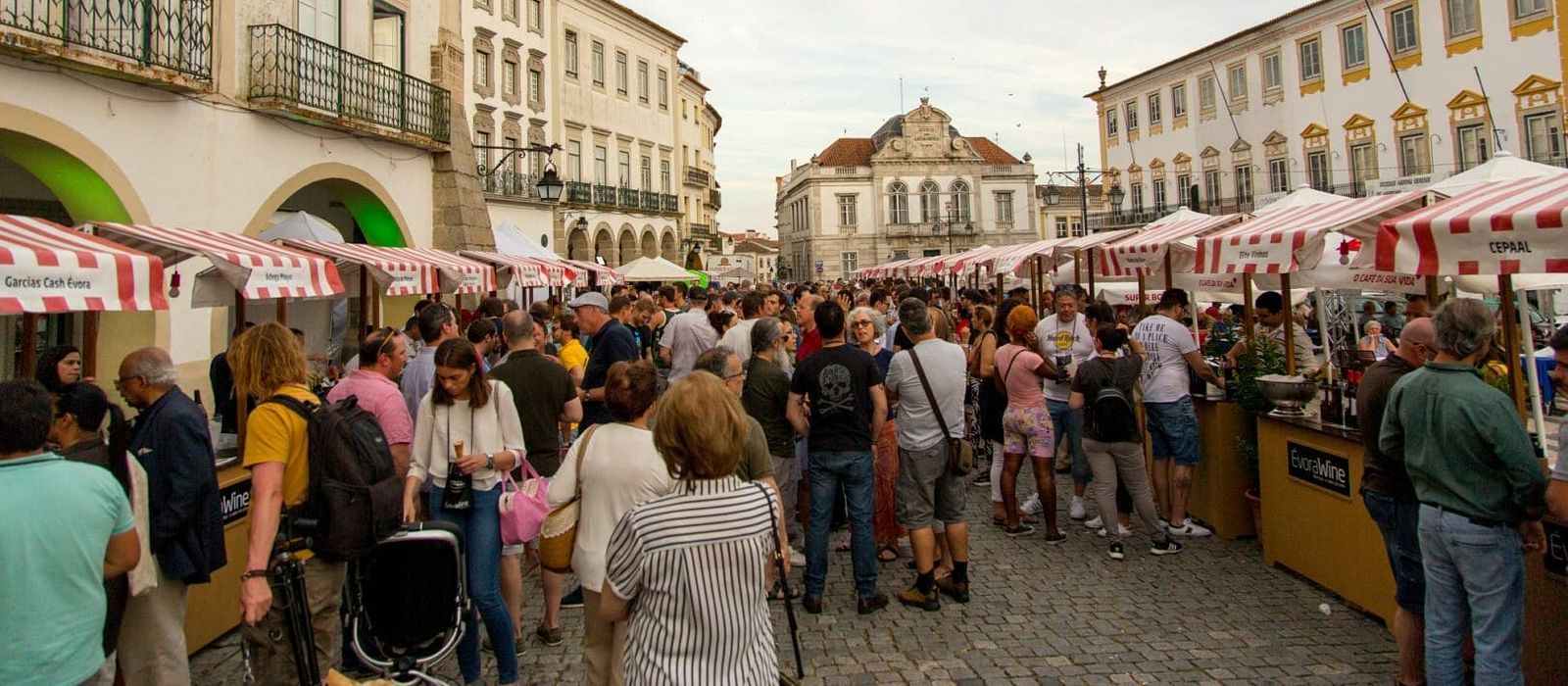
ÉvoraWine is one of the wine festivals that anchors the Alentejo calendar, drawing both local visitors and international wine travellers each year. It is held at Praça do Giraldo in Évora, in the heart of one of Portugal's most distinctive wine areas. It is an annual event with an established local audience and a consistent place in the regional calendar.
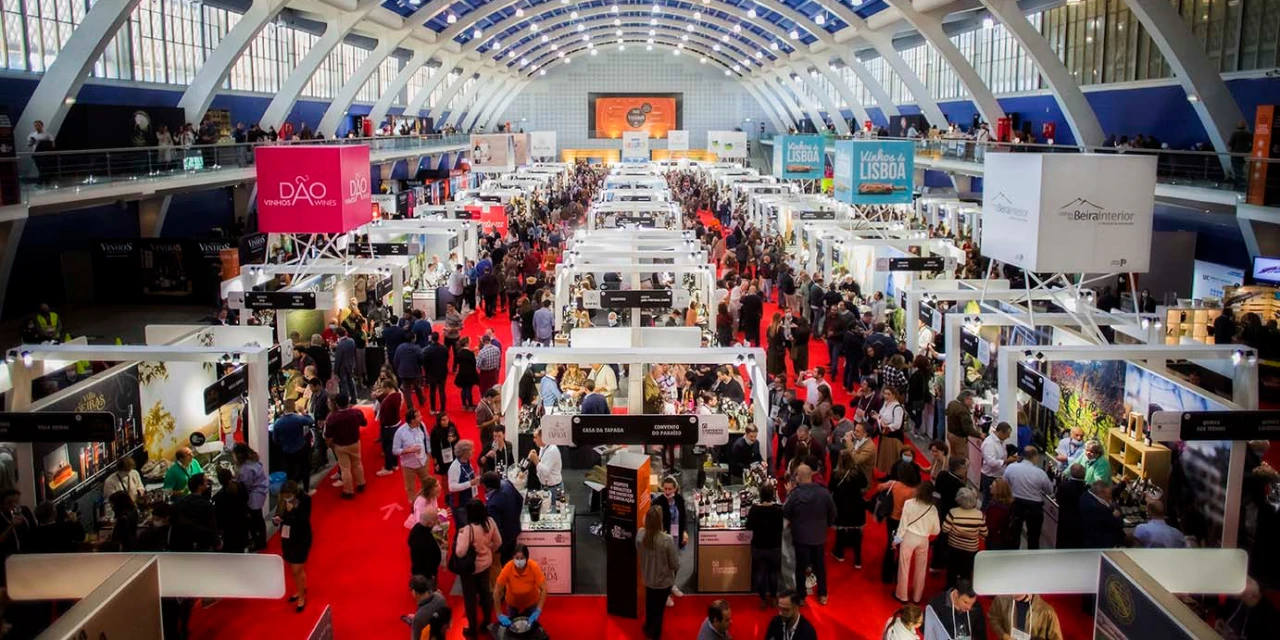
Alentejo's largest wine festival. 50+ producers, 300+ wines. Set in UNESCO World Heritage square. Entry via purchase of event glass. Tastings, cooking demos, live music. Wine festivals across Europe typically combine producer tastings with food pairings, live music, and a strong sense of place. Visitors can expect access to wines from a range of producers in the appellation, alongside food stalls offering regional specialities, masterclasses or vineyard walks for those who want to learn more, and an opportunity to buy directly from producers at cellar prices. Many events run across multiple days or weekends, allowing visitors to sample different parts of the programme according to interest, and combine well with the area's wider tourism offer. The event is organised by Alentejo wine associations / Municipality of Évora, which sets the tone and direction of the programme each year.
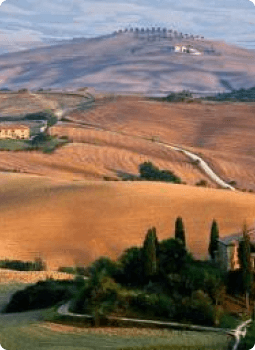
Alentejo covers nearly a third of Portugal's land area, stretching from the Tagus river south to the Algarve. The wine region produces full-bodied reds from Aragonez (Tempranillo), Trincadeira, Alicante Bouschet, Castelao, Alfrocheiro and Touriga Nacional, alongside increasingly serious whites from Antão Vaz, Arinto and Roupeiro. The DOC Alentejo subdivides into eight zones: Portalegre, Borba, Redondo, Reguengos, Vidigueira, Granja-Amareleja, Moura and Évora. The region is also home to the rare Vinho de Talha tradition, in which wine is fermented and aged in large clay amphoras using a method continuous from Roman times — a UNESCO Intangible Cultural Heritage candidate.
The 2026 edition is scheduled for 22-23 May 2026. Cost details are best confirmed directly with the organiser ahead of travel. Full programme, ticketing and updated information are published on the official site at evorawine.pt. Visitors are advised to check directly with the organiser for the latest schedule, as festival programmes are sometimes updated close to the event date.
Alentejo is reached most easily by car from Lisbon (around 90 minutes east to Évora) or Faro (Algarve), with Évora as the historic capital and main wine-tourism hub. Other significant towns include Estremoz (the marble town), Borba, Redondo, Vila Viçosa (the ducal palace), Beja and Elvas (UNESCO-listed border fortifications). Alentejan cuisine is some of Portugal's most distinctive: porco preto Iberico pork, açorda alentejana (bread soup), migas alentejanas, sopa de cação (dogfish soup), the region's wide range of farmhouse cheeses (Serpa, Évora, Nisa) and the famous black-pig presunto cured ham.