Madeira Wine Festival (Festa do Vinho da Madeira) is one of the wine festivals that anchors the Madeira calendar, drawing both local visitors and international wine travellers each year. It is held at Various locations across Madeira Island (centered in Funchal and Estreito de Câmara de Lobos) in Portugal, in the heart of one of Portugal's most distinctive wine areas. It is an annual event with an established local audience and a consistent place in the regional calendar.
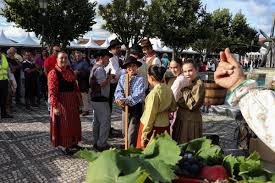
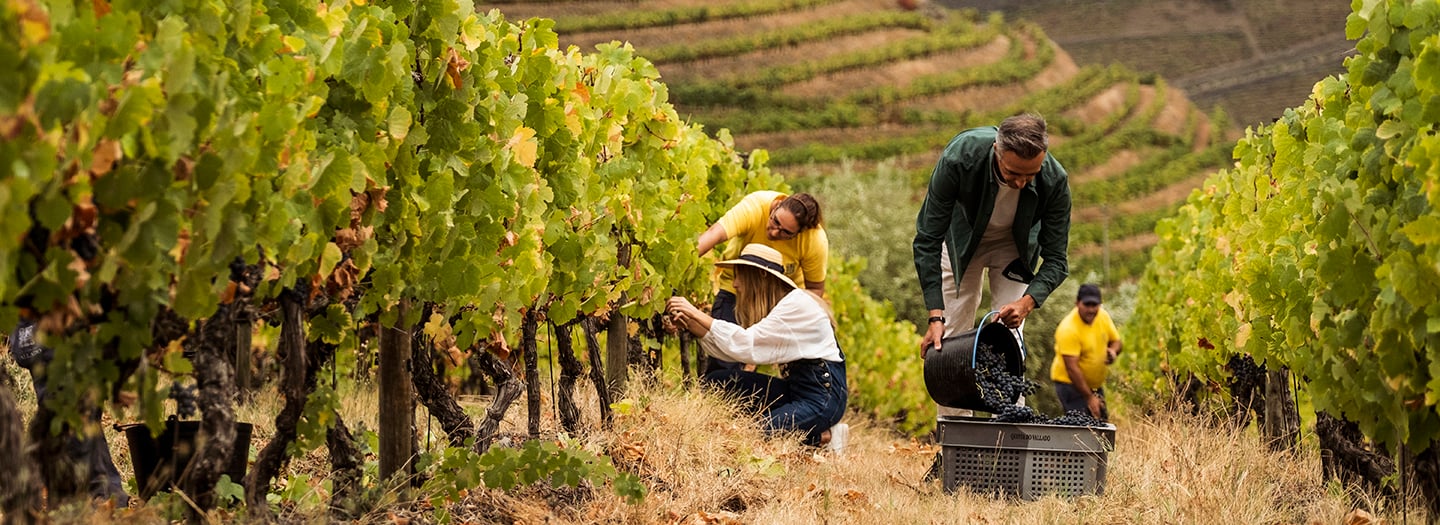
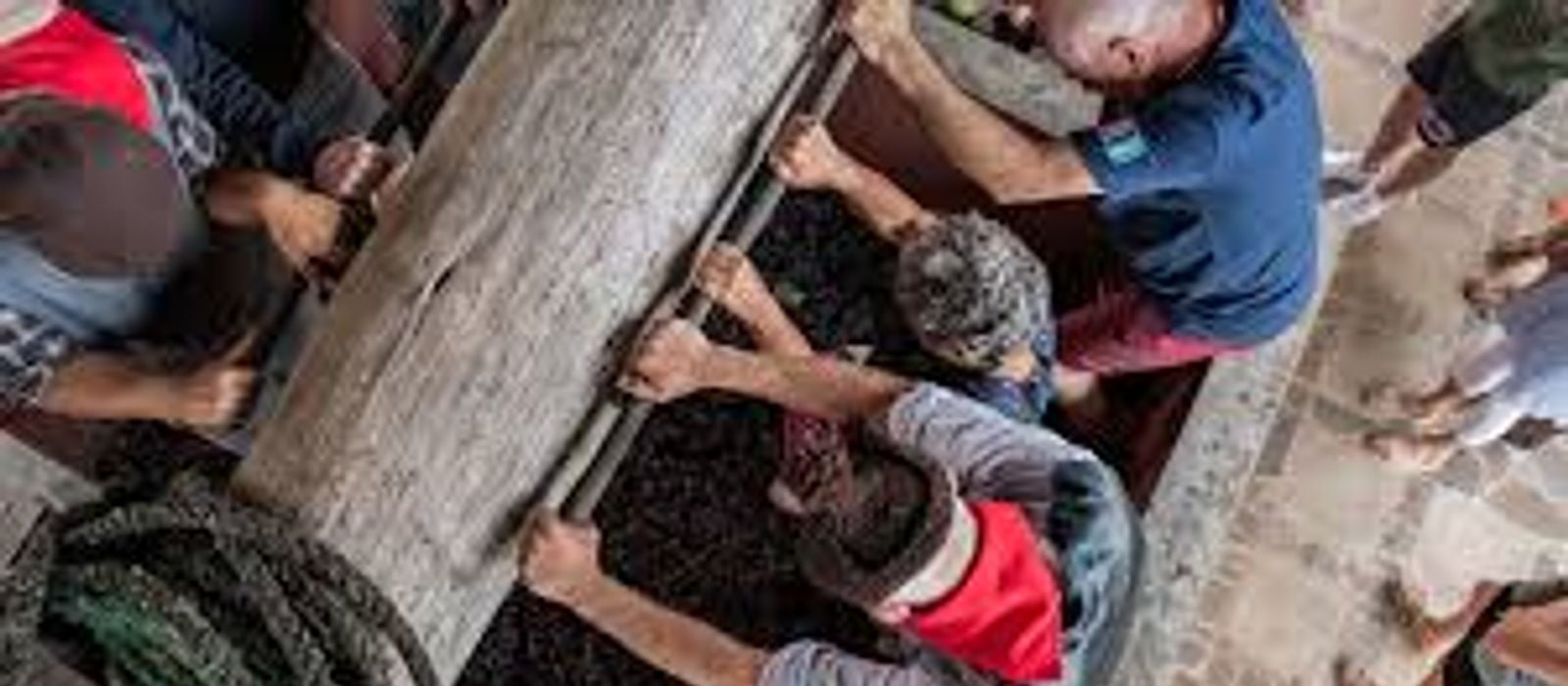
Held during traditional grape harvest. Grape stomping in Estreito de Câmara de Lobos. Wine Lounge in Funchal for tastings. Vineyard concerts, folklore, gastronomy. ~3 weeks. Harvest and grape festivals — fiestas de la vendimia, festas das vindimas, weinlesefeste — are some of the longest-running celebrations in their regions, with many running uninterrupted for a century or more. Programmes typically combine grape-stomping demonstrations, traditional music, parades of allegorical floats, food stalls offering regional specialities, and tastings of the area's wines. The events have strong local character and are often as much community celebrations as wine programmes, with town councils, parish committees and local producer associations sharing the organisational load. Many festivals incorporate religious elements — blessings of the harvest, processions to the parish church — that connect the wine calendar to the liturgical year. The event is organised by Secretaria Regional de Turismo e Cultura / Visit Madeira, which sets the tone and direction of the programme each year.
The volcanic island of Madeira, 600 km off the Moroccan coast, produces the world's longest-living wine — Madeira fortified wines age for decades and frequently outlive their original collectors. The four classic Madeira styles, ranging dry to sweet, are Sercial, Verdelho, Bual and Malvasia (Malmsey), with Tinta Negra Mole accounting for most of the production. The wines are aged using either the rapid estufagem heating method or the slow canteiro method (the latter for the highest-quality bottlings). Madeira survived the phylloxera era because of its remote location and produces some of the world's most prized historic wines, with vintages from the 18th century still drinkable today.
The 2026 edition is scheduled for 23 August - 13 September 2026. Cost details are best confirmed directly with the organiser ahead of travel. Full programme, ticketing and updated information are published on the official site at visitmadeira.com. Visitors are advised to check directly with the organiser for the latest schedule, as festival programmes are sometimes updated close to the event date.
Madeira island is reached via Funchal airport (FNC) with regular flights from Lisbon, Porto and major European cities. Funchal is the capital and home to the historic wine lodges including Blandy's, Henriques & Henriques, Justino's and Pereira d'Oliveira. The cooler north coast around São Vicente, the Câmara de Lobos coast and the inland plateau of Estreito de Câmara de Lobos are the main vineyard areas, often planted on tiny terraces called poios. Madeiran cuisine pairs the wines with espada com banana (scabbard fish with banana), bolo do caco (sweet potato flatbread), espetada (skewered beef) and the area's famous embroidery and basket-weaving traditions.