Bordeaux Left Bank vs Right Bank: Wine Styles and Where to Visit
When people talk about Bordeaux, they often divide it into two worlds: the Left Bank and the Right Bank. Separated by the Gironde Estuary and the Dordogne River, these neighboring regions produce some of the world's most celebrated wines — yet they couldn't be more different in personality.
From powerful Cabernet Sauvignon-driven blends to silky Merlot masterpieces, understanding the difference between Bordeaux's two banks can help you choose the wines you love and plan a more rewarding wine tourism experience.
So, which side is right for you?
Understanding Bordeaux's Two Banks
The distinction is geographical but also deeply connected to soil, grape varieties, winemaking traditions, and even the atmosphere visitors encounter.
The Left Bank lies west of the Gironde and Garonne rivers and includes famous appellations such as Médoc, Margaux, Pauillac, Saint-Julien, and Graves.
The Right Bank, located east of the Dordogne River, is home to prestigious regions including Saint-Émilion and Pomerol.
While both produce exceptional wines, the differences begin beneath the vines.
The Left Bank: Power, Structure, and Prestige
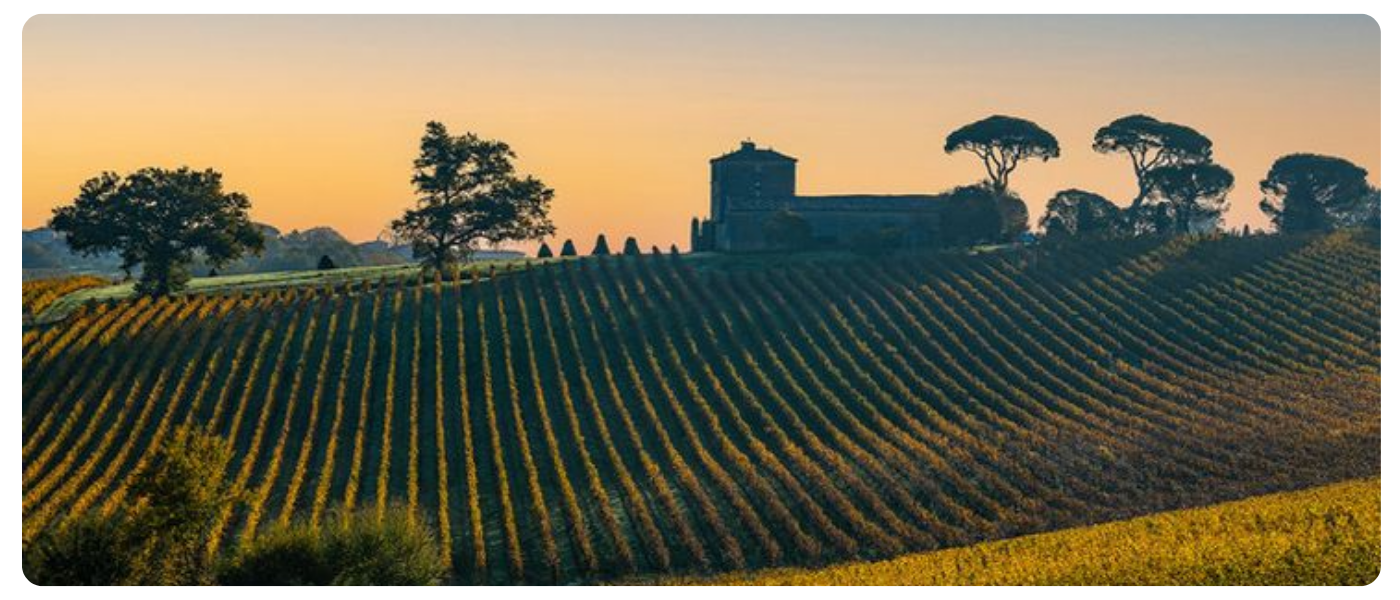
The Left Bank's gravel-rich soils are ideal for Cabernet Sauvignon, which thrives in well-drained conditions. As a result, Cabernet typically dominates the blends, supported by Merlot, Cabernet Franc, Petit Verdot, and other traditional Bordeaux varieties.
What Left Bank Wines Taste Like
Expect wines with:
- Firm tannins
- Blackcurrant and blackberry flavors
- Cedar, tobacco, and graphite notes
- Excellent aging potential
- Structured, powerful character
Many of Bordeaux's most famous classified growths are found here, particularly in the Médoc.
Best Places to Visit on the Left Bank
Château Giscours
Located in Margaux, Château Giscours combines historic château elegance with vineyard experiences, tastings, and even accommodation. It is an excellent introduction to the refined Cabernet-driven wines that have made the Left Bank famous.
Château Boyd-Cantenac
This Margaux Grand Cru Classé estate offers personalized tasting experiences and an opportunity to discover the elegance and finesse that characterize the appellation.
For visitors wanting to explore more Left Bank wineries, Margaux offers several WineTourism-listed estates including Château Ferrière and Château Kirwan, making it one of Bordeaux's most accessible wine tourism destinations.
Who Will Love the Left Bank?
The Left Bank is perfect for travelers who enjoy:
- Bold, age-worthy wines
- Historic wine estates
- Grand château architecture
- Classic Bordeaux prestige
The Right Bank: Elegance, Charm, and Merlot
On the opposite side of the river, the Right Bank offers a softer, more approachable expression of Bordeaux.
Clay and limestone soils favor Merlot and Cabernet Franc, creating wines that are often rounder, richer, and more accessible in their youth.
What Right Bank Wines Taste Like
Typical characteristics include:
- Plush texture
- Ripe plum and dark cherry flavors
- Velvety tannins
- Floral and spice notes
- Earlier drinking appeal
While many Right Bank wines can age beautifully, they often reveal their charm sooner than their Left Bank counterparts.
Best Places to Visit on the Right Bank
Vignobles Bardet
Located south of Saint-Émilion along the Dordogne River, this family-owned estate combines sustainable viticulture, innovative winemaking, and extensive tastings that showcase the diversity of Right Bank Bordeaux.
Vignobles Carles
Operating vineyards in both Saint-Émilion and Pomerol, Vignobles Carles is known for biodynamic farming and organic wines. It offers visitors an authentic look at the Merlot-focused side of Bordeaux.
Château Destieux Experiences
Wine travelers can enjoy vineyard tours, cellar visits, and barrel tastings while exploring the prestigious Saint-Émilion Grand Cru appellation.
Who Will Love the Right Bank?
The Right Bank is ideal for travelers who enjoy:
- Softer, fruit-forward wines
- Charming villages and local culture
- Scenic vineyard landscapes
- More intimate wine experiences
Left Bank vs Right Bank: Which Wine Style Is Right for You?
If you prefer powerful reds with structure and long aging potential, the Left Bank will likely be your favorite.
If you enjoy smoother, more approachable wines with rich fruit character, the Right Bank may feel more appealing.
Of course, many wine lovers discover that the true magic of Bordeaux lies in experiencing both.

Can You Visit Both in One Trip?
Absolutely.
Bordeaux's compact geography makes it easy to explore both sides during a single visit. Many travelers spend a few days based in Bordeaux city before taking day trips to different wine regions.
A balanced itinerary might include:
- One day exploring Médoc and the Left Bank
- One day discovering Saint-Émilion and the Right Bank
- Additional time for Bordeaux city, local gastronomy, and wine bars
This approach provides a complete picture of what makes Bordeaux one of the world's greatest wine destinations.
Final Thoughts
The debate between Bordeaux's Left Bank and Right Bank has existed for generations, but there is no winner. Each side tells a different story through its vineyards, landscapes, and wines.
The Left Bank showcases power, structure, and historic prestige. The Right Bank offers elegance, charm, and accessibility. Together, they form the heart of Bordeaux's global reputation.
For wine travelers, the best answer isn't choosing one side over the other—it's experiencing both and discovering which style speaks to your palate.