
Taste of Etna: Climbing Volcanic Slopes for Unique Sicilian Wines
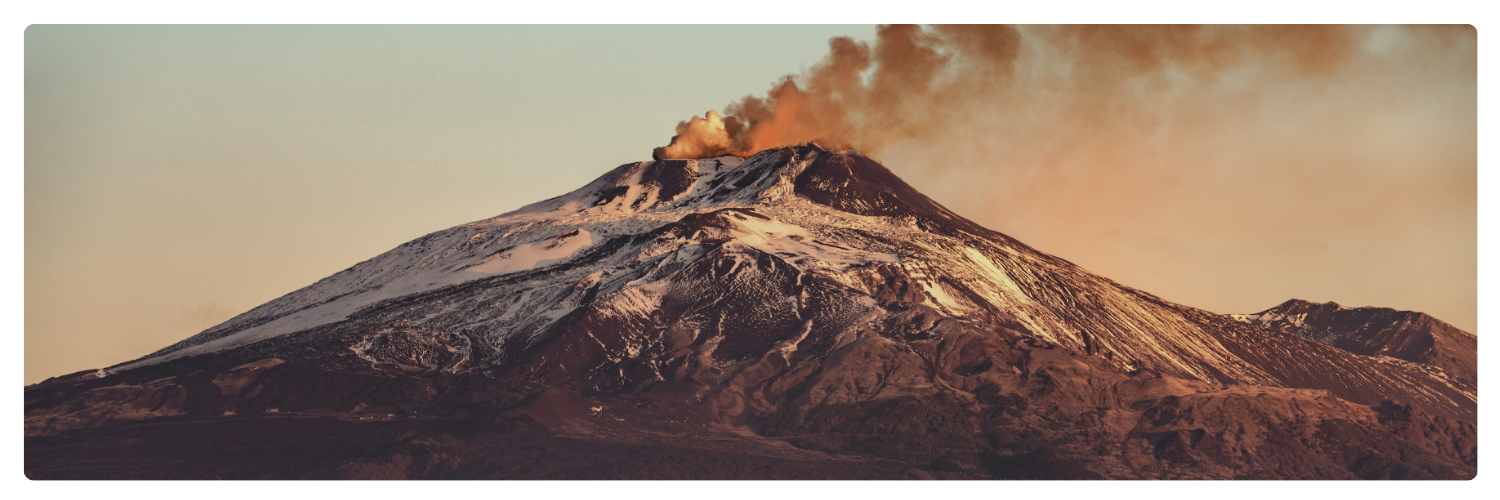
The road from Catania climbs north through orchards of lemon and prickly pear, then through old farmhouse villages, and then — somewhere above the town of Linguaglossa — it changes color. The fields turn black. The soil here is volcanic ash and crushed lava, and the vines growing out of it are gnarled, bush-trained, often older than the cars driving past them. Above you, Mount Etna stretches into the cloud line at 3,300 meters. Below you, the Ionian Sea catches the light. Between the two, a generation of winemakers is doing something no other wine region in Europe can do.
Etna wine has spent the last fifteen years moving from curiosity to consensus pick. Wine writers used to call it "the next Sicily story." They've stopped, because it isn't a future story anymore. A visit is one of the most rewarding wine trips in the Mediterranean — provided you treat it as the destination, not a side trip from a beach holiday.
At a glance: Etna wine
Etna wine is produced on the slopes of Mount Etna, Europe's largest active volcano, in eastern Sicily. The Etna DOC was established in 1968 — the first in Sicily — and covers vineyards from roughly 400 to over 1,000 meters in altitude, planted on lava-derived soils that are mineral-rich and free of phylloxera. The signature red is Nerello Mascalese, a thin-skinned indigenous grape often compared to Burgundy's Pinot Noir and Piedmont's Nebbiolo for its elegance and aging potential. The white star is Carricante, a high-acid, mineral grape capable of producing long-lived bottles. The villages of Randazzo, Solicchiata, and Linguaglossa form the heart of the region.
Why does Etna wine taste unlike anywhere else?
Three forces work together, and they don't combine quite this way anywhere else in Europe.
The first is altitude. Etna's vineyards run from 400 meters to well above 1,000 meters — among the highest in Europe. The day-night temperature swings are dramatic, even in Sicily's summer, producing wines with high acidity and aromatic delicacy that's closer to a cool-climate region than a Mediterranean one.
The second is volcanic soil. Lava, pumice, and ash — porous, mineral-rich, sharply draining. Etna's soils have also kept phylloxera, the louse that devastated nearly every other European vineyard in the late 1800s, almost entirely at bay. Many vines here are still on their original ungrafted roots. Some are over a hundred years old.
The third is the grapes themselves. Nerello Mascalese, the red star, is grown almost nowhere else in serious quantity. Nerello Cappuccio is its softer blending partner. Carricante, the white grape, makes wines with structure and tension you find in a handful of other places in the world. These are wines that taste like the place — they cannot be imitated elsewhere because the grapes themselves don't exist elsewhere at this quality.
The four slopes of Etna
Etna's wine character changes dramatically by slope, which is unusual enough to be worth knowing before you book a visit.
The north slope — running through Randazzo, Solicchiata, and Castiglione di Sicilia — is the most celebrated and the heart of serious Etna Rosso. Most of the region's acclaimed producers are here, on contrade with names that wine geeks now memorize like Burgundy climats.
The east slope, facing the Ionian Sea, is the highest and coolest, best suited to whites. Carricante from this side, especially Etna Bianco Superiore (which requires vineyards above 450 meters near Milo), is some of the most age-worthy white wine in Italy.
The south slope is warmer and gives ripe-fruited reds. The west slope is the quietest and least explored, with quality rising fast.
The wines themselves
Etna Rosso is the headline. Nerello Mascalese-led, often with a small percentage of Nerello Cappuccio. The wines are pale, perfumed, and structured — think dried cherry, rose petal, smoke, and a savory volcanic edge. The best examples age twenty years and reward patience. Pair with grilled lamb, pasta alla Norma, or Sicilian sausage.
Etna Bianco is Carricante-based, sometimes blended with Catarratto. The wines are taut, mineral, citrus-driven, with a salty edge from the volcanic soils. Top examples — particularly from the Bianco Superiore designation — age beautifully for a decade. Pair with raw seafood, involtini di pesce spada, or aged sheep's-milk cheese.
Etna Spumante and Etna Rosato complete the picture. The sparkling wines (often metodo classico from Nerello Mascalese) are excellent and still under the radar. The rosés are dry and built for a long Sicilian lunch.
Five Etna wine experiences worth booking on WineTourism.com
Tenuta di Aglaea (north slope). A focused Nerello Mascalese estate where winery manager Federico walks visitors through the production area, then leads a tasting of three signature wines paired with bread and the estate's own extra virgin olive oil. Small, personal, and exactly the kind of unhurried visit that helps you understand why this slope is the region's heart. Best for travelers who want depth over breadth.
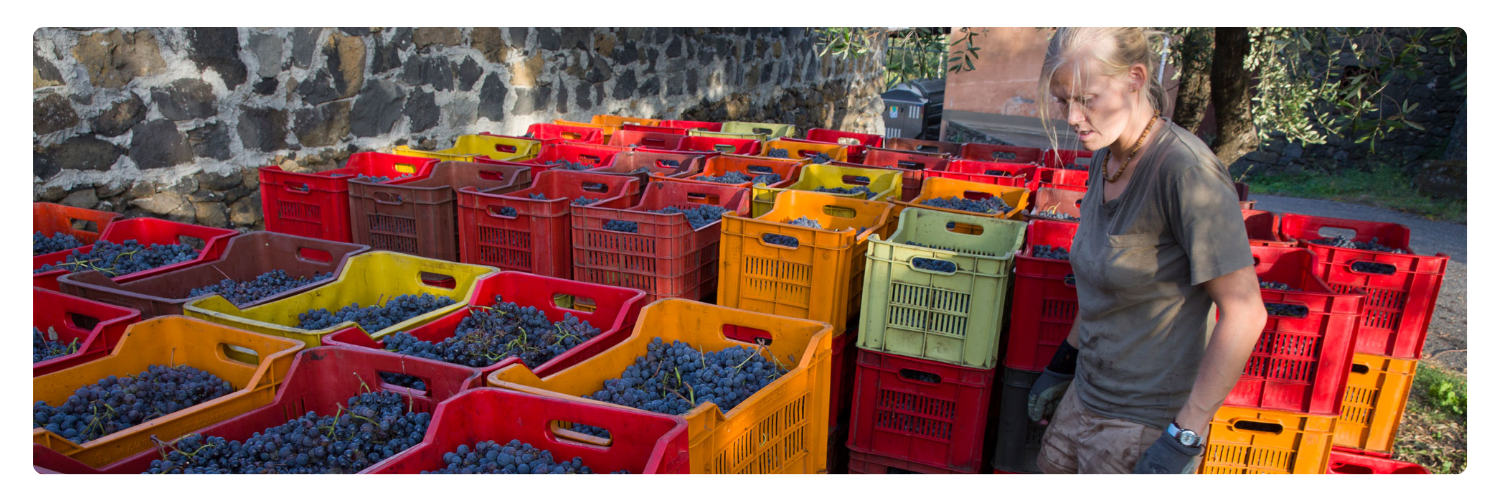
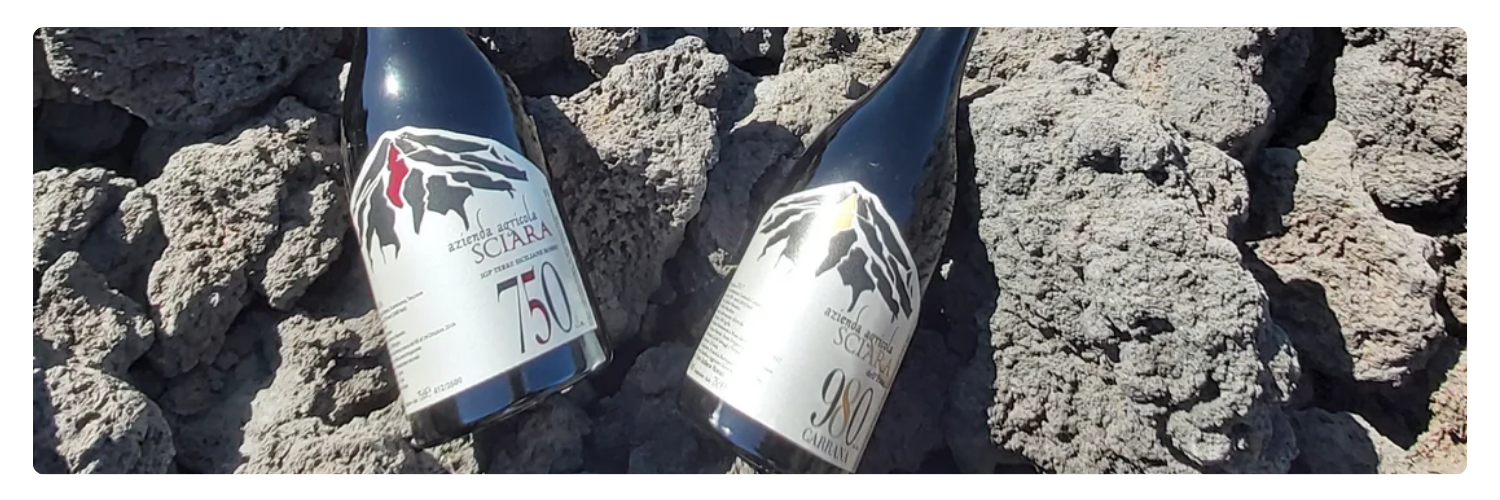
Azienda Agricola Sciara. A guided volcano-vineyard tour with mountain views. The tasting walks through the estate's reds and whites, the hosts are warm and knowledgeable, and an on-site B&B lets you turn the visit into an overnight. Best for travelers who want their Etna day to bleed into Etna evening.
Sciaranuova Etna Winery. A more elaborate experience — scenic vineyard walk, guided tasting of five wines paired with a light lunch built around local gastronomy, plus a technical tasting of three premium olive oils. Hosted by sommelier Miriam and chef Loredana, both of whom past visitors single out by name. Best for travelers willing to anchor a full afternoon around one estate.
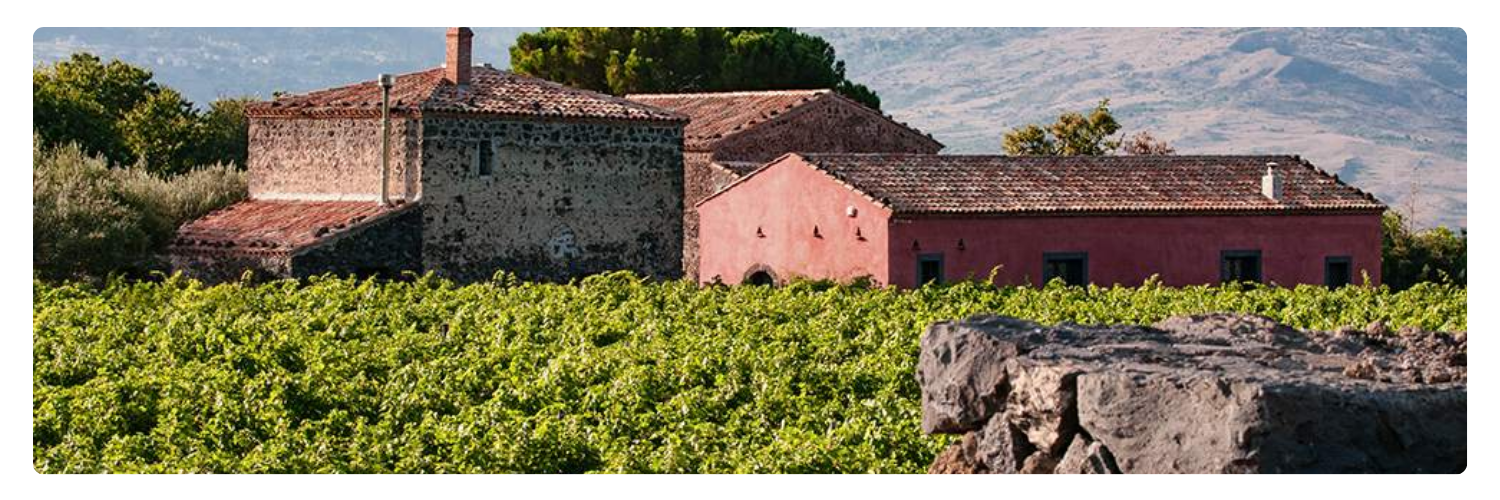
Cantina del Malandrino. A natural-wine producer working out of a late nineteenth-century palmento (the traditional stone pressing house), hosted by Diego and Cinzia. The wines include a distinctive orange wine that past guests describe in superlatives. Best for travelers drawn to natural wine and to hosts who treat you as part of the day.
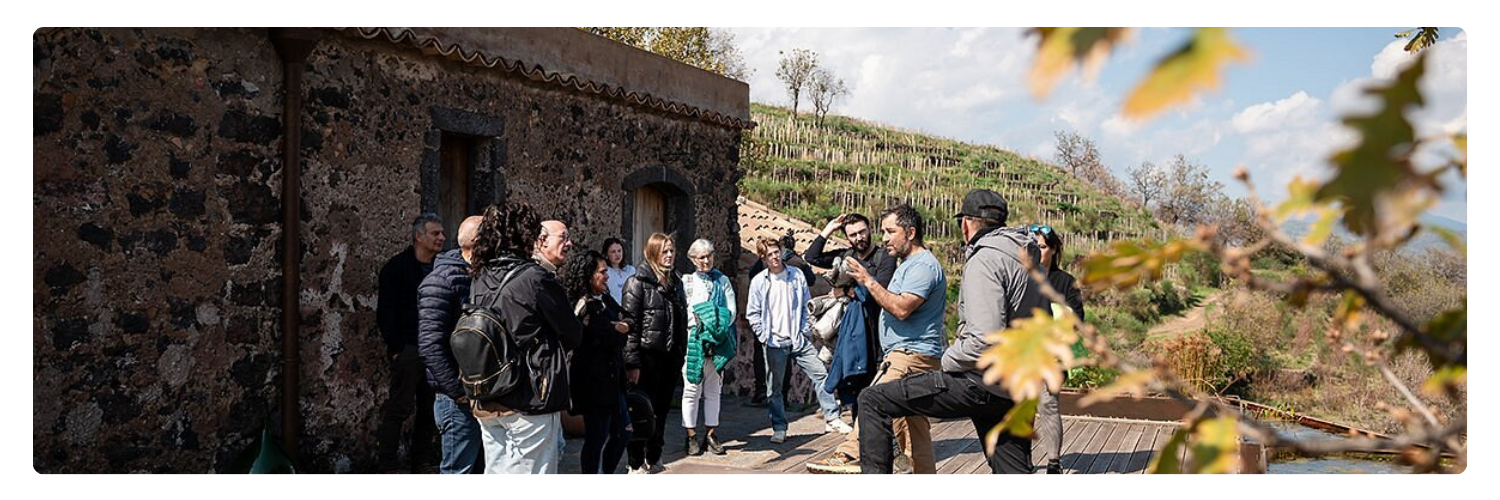
Podere Dell'Etna Segreta. The Grasso family runs a hotel, restaurant, and winery on the slopes of Etna, with a panoramic terrace overlooking the valley. The tasting experience pulls from the estate's own bottles and pairs them with the restaurant's cooking. Best as a stay-overnight anchor for a longer Etna trip.
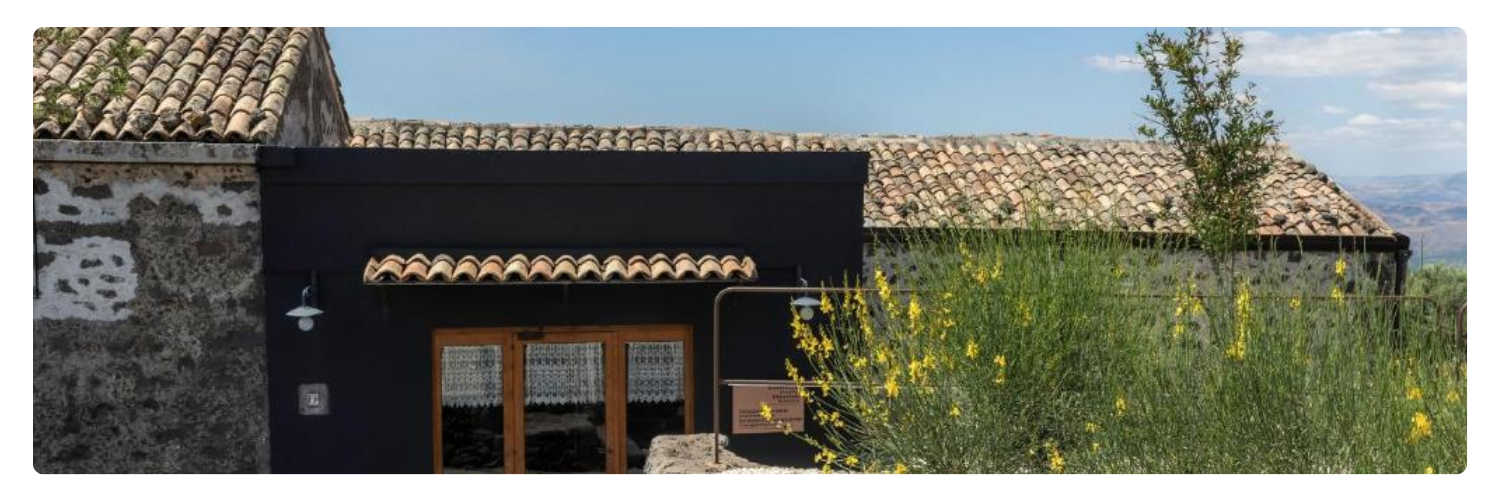
For travelers focused on Etna sparkling: Società Agricola Destro runs a tasting in an 1897 palmento that includes Etna Red, White, Rosé, and a traditional-method Spumante — one of the cleanest ways to see all four DOC styles in a single visit.
A sample 3-day Etna wine itinerary
Day 1. Fly into Catania mid-morning. Drive an hour up the north slope to Randazzo or Linguaglossa. Settle into your accommodation (Sciara's B&B or Podere Dell'Etna Segreta work). Walk the town in the late afternoon. Easy dinner.
Day 2. One serious north-slope morning visit (Tenuta di Aglaea or a comparable producer), then lunch at the estate. Afternoon visit to a smaller producer — Cantina del Malandrino is a natural-wine pivot. Quiet dinner at your accommodation.
Day 3. Morning visit to an east-slope white-wine focused estate or a Sciaranuova-style longer tasting. Optional afternoon: a guided Etna crater visit by 4x4 or a hike on the lower slopes. Drive back to Catania for the final evening.
Budget: Around €350–€500 per couple per day all-in.
When is the best time to visit Etna?
Late spring (May and early June) and September through mid-October are the best windows. The weather is reliable and the vineyards are full. Harvest on Etna is unusually late for southern Italy — often running into late October at higher altitudes — because the altitude delays ripening. Avoid August (heat, crowds, and peak accommodation rates). Winter visits are quiet and atmospheric, with snow on Etna's summit and producers more available to talk.