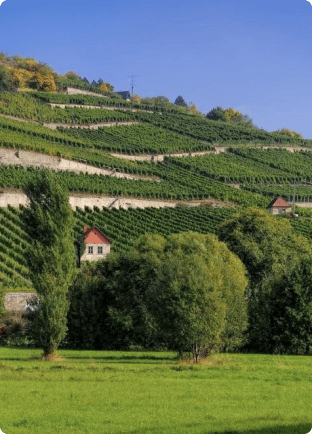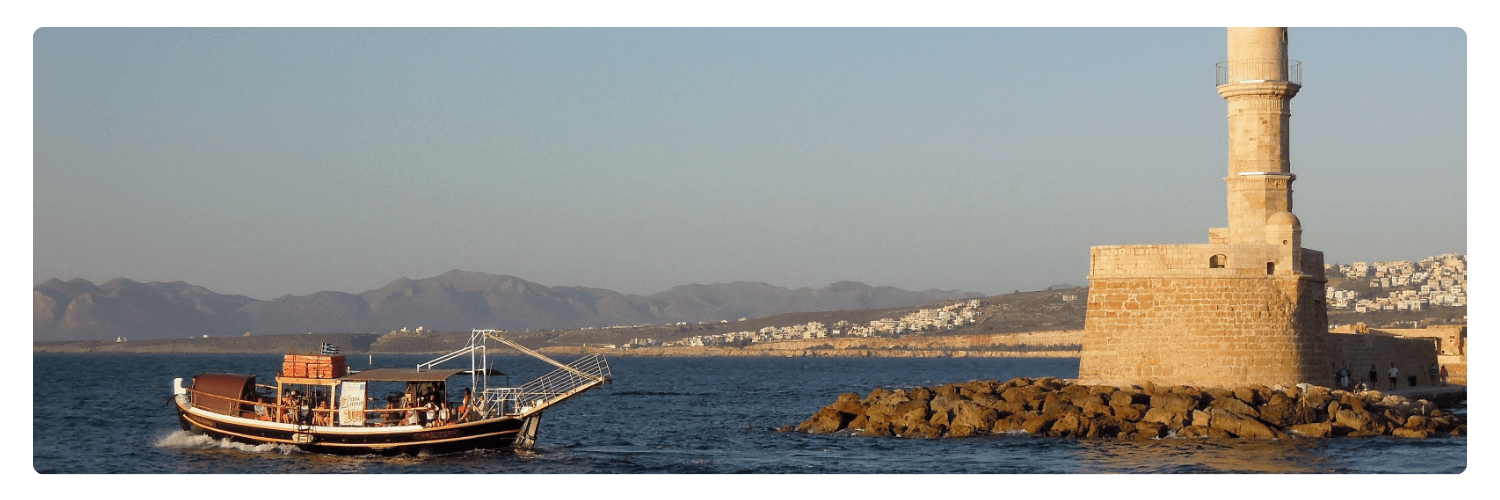

Greek Island Wines: Santorini's Assyrtiko and Beyond
On Santorini, vines don't stand. They sit — coiled low into woven baskets called kouloura, hugging the volcanic earth and bracing against the meltemi winds that scour these black slopes. From that hard discipline comes one of the most distinctive whites in the world: an Assyrtiko so taut and mineral and alive you remember exactly where you were when you first tasted it.
Greece is, by most measures, the oldest continuously winemaking country in Europe. Its islands hold that history in their soil, their grapes, and the small estates still pouring at the same tables their grandparents did. Most travelers come to Santorini for the caldera at sunset. The ones who linger leave talking about the wines.
This is a guide to the Greek island wines worth flying for — starting with Santorini, then opening to Crete, Rhodes, and the islands beyond.
At a glance: Greek island wines
Greek island wines are some of the most distinctive whites and ancient reds in Europe, built around grapes that grow almost nowhere else. Santorini's Assyrtiko, raised on volcanic soils in low basket-trained vines, makes mineral, citrus-driven whites of extraordinary structure and decades-long ageability. Crete — Europe's oldest continuously farmed wine region, with roots in 5,000 BCE — turns indigenous grapes like Vidiano, Vilana, Kotsifali, and Mandilari into wines deeply tied to its terroir. Rhodes produces sparkling whites from Athiri and structured reds from Mandilaria. Together with Samos and smaller islands like Patmos, the Aegean is one of the most rewarding wine regions in the world right now.
What makes Santorini's Assyrtiko unlike anything else?
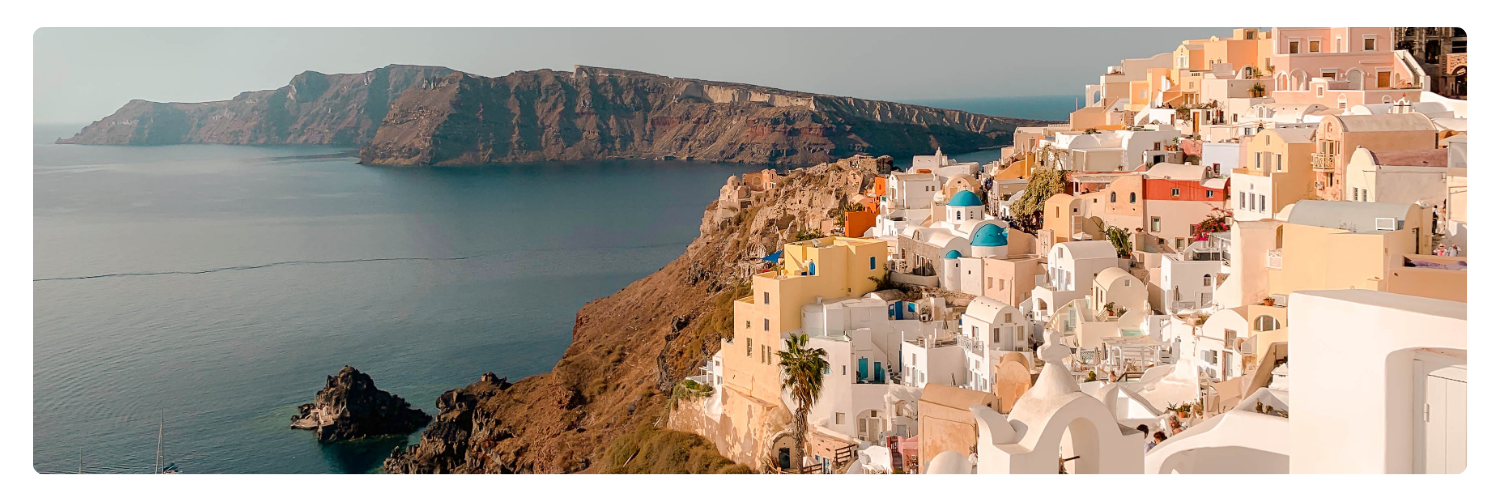
Santorini's signature is the product of a brutal combination of forces. The island is geologically an active volcano — the eruption that shaped its current crescent occurred roughly 3,600 years ago and likely ended Minoan civilization just to the south. The soil that remains is volcanic ash and pumice, completely free of phylloxera. Many vines here are 50, 100, even 200 years old, ungrafted, on their original roots — a rarity in modern Europe.
From this dry, mineral-rich ground grows Assyrtiko, the island's defining grape. The wines it makes are bone-dry, high-acid, with a citrus-meets-salt-meets-flint character that has no obvious comparison anywhere else. The best examples — from estates like Sigalas, Hatzidakis, and Argyros — age for decades. They taste like the volcanic earth they came from.
The other names to know on Santorini are Aidani, a softer white companion grape often blended with Assyrtiko, and Vinsanto, the island's amber sweet wine made from sun-dried grapes. Vinsanto is older than the modern wine industry by centuries — it was shipped across Europe by Venetian merchants in the Middle Ages.
Several WineTourism.com experiences capture this character. Venetsanos Winery — the island's first industrial winery, perched directly on the caldera — pairs five wines with Greek mezze and one of the best sunset views on the island. Artemis Karamolegos runs an extended food-and-wine pairing built around Santorini, Vinsanto, and the island's signature fava and marinated anchovies. For deeper learning, Anhydrous Winery offers an Assyrtiko masterclass through six vintages — the clearest way to understand how this wine evolves in bottle.
Crete: where Greek winemaking began
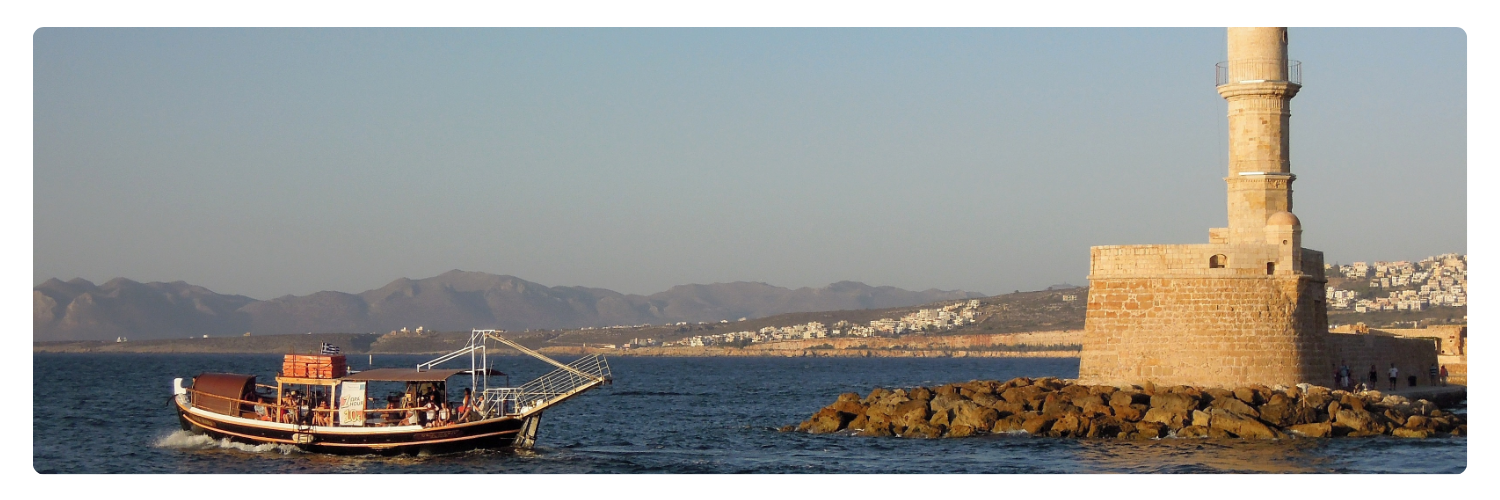
Cretan wine doesn't have Santorini's photogenic punch. Its drama is older and quieter. Archaeologists at Knossos and other Minoan sites have found wine-pressing infrastructure dating back roughly 5,000 years — making Crete one of the first places on earth where wine was made systematically. In the Middle Ages, the island's sweet Malvasia wines reached every important court in Europe.
That history runs into the present. The island's indigenous grapes — Vidiano and Vilana for whites, Kotsifali, Mandilari, and Liatiko for reds — produce wines you simply cannot taste outside Greece. Vidiano in particular has emerged as Crete's exciting modern white: textured, faintly tropical, surprisingly complex. The Peza and Sitia appellations are the regions to know.
A few standout Cretan experiences on WineTourism.com: Daf Wines, a family-run winery in Dafnes near Heraklion where unhurried tastings move through Vidiano, the local Moscato-blended Tierra Blanca, and reds, all explained by the family. Domaine Paterianakis, the woman-run estate in Crete's interior, makes certified-organic and biodynamic wines and preserves rare native varieties, pairing tastings with local dishes and the estate's own olive oil. Klados Winery in Rethymno walks visitors through six wines with a focus on the link between indigenous grapes and place. For travelers wanting a single concentrated lesson, Fragospito Winery runs an "Indigenous Varieties" tour featuring Vilana, Assyrtiko, Vidiano, Kotsifali, and Mandilari side by side.
This is the closest thing in the Mediterranean to walking through a living wine museum.
Rhodes and the wider Aegean: sparkling whites and ancient surprises
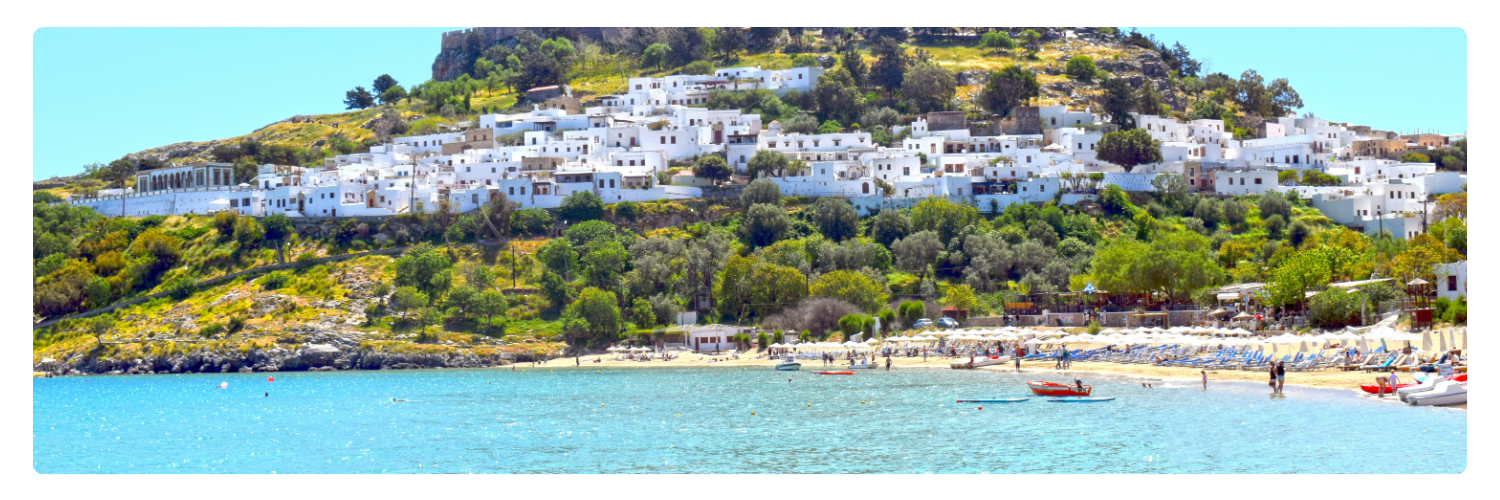
Rhodes is the island most overlooked by serious wine travelers. It produces some of Greece's most underrated sparkling whites from the indigenous Athiri grape, alongside structured reds from Mandilaria. The island's wine villages — Embonas chief among them, on the slopes of Mount Attavyros — sit far from the cruise-ship crowds in the medieval old town.
One especially memorable WineTourism.com experience pairs a tasting tour with sunset at Monolithos castle, a stone fortress 240 meters above the sea on the southwest coast. The tour stops in the small mountain village of Sianna for its locally famous honey and souma (the local distillate).
Beyond Rhodes, the Aegean keeps revealing itself. Samos has been famous since antiquity for its sweet, fortified Muscat — referenced in Byron's poetry and still made by the island's century-old cooperative. Patmos produces genuinely interesting biodynamic wines, including unusual orange wines at Patoinos – Terre de l'Apocalypse, run by hosts Yorgos and Frederic. Limnos in the north makes Muscat of Alexandria and the indigenous red Limnio. Each island has held onto something other regions long forgot.
Food pairings that make the wines make sense
Greek island wines were built for Greek island tables.
Assyrtiko's high acid and mineral edge demand the local fava (yellow split-pea purée), grilled octopus, sea urchin, and Santorini's sun-dried tomatokeftedes (tomato fritters). Vinsanto works as a dessert wine but also astonishingly well with hard aged cheeses like Cretan graviera and dark chocolate.
In Crete, Vidiano stands up beautifully to dakos (the island's rusk-and-tomato salad), grilled fish, and the mountain cheeses. Kotsifali reds suit lamb cooked slowly with herbs — the dish antikristo, lamb roasted in front of an open fire, is the classic pairing in the mountains.
On Rhodes, Athiri's sparkling versions go with anything from the sea. The reds want roasted vegetables, wild greens, and grilled meats. The principle, across all the islands, is the same: drink what the people who live here drink, with the food they grew up eating. The pairings have been worked out across centuries.
When to visit Greek island wineries
May and September through early October are the sweet spots, in that order. The weather is warm but not punishing, the vineyards are full, the sea is swimmable, and the cruise crowds have thinned. Harvest on Santorini begins unusually early — late July through August — because the climate is so hot and dry; harvest in Crete and Rhodes runs September. Avoid July and August unless you're also there for beach time, and reserve all winery visits in advance. Most estates run on small staff and limited daily slots.
Travel between islands is easy in season. Ferries connect Athens, Santorini, Crete, and Rhodes regularly through summer. Most island wineries are best reached by car or with a local guide — public transport is limited outside the main towns.
Featured WineTourism.com experiences
Wineries you can visit on your next trip to Greek Islands
Venetsanos Winery, Santorini
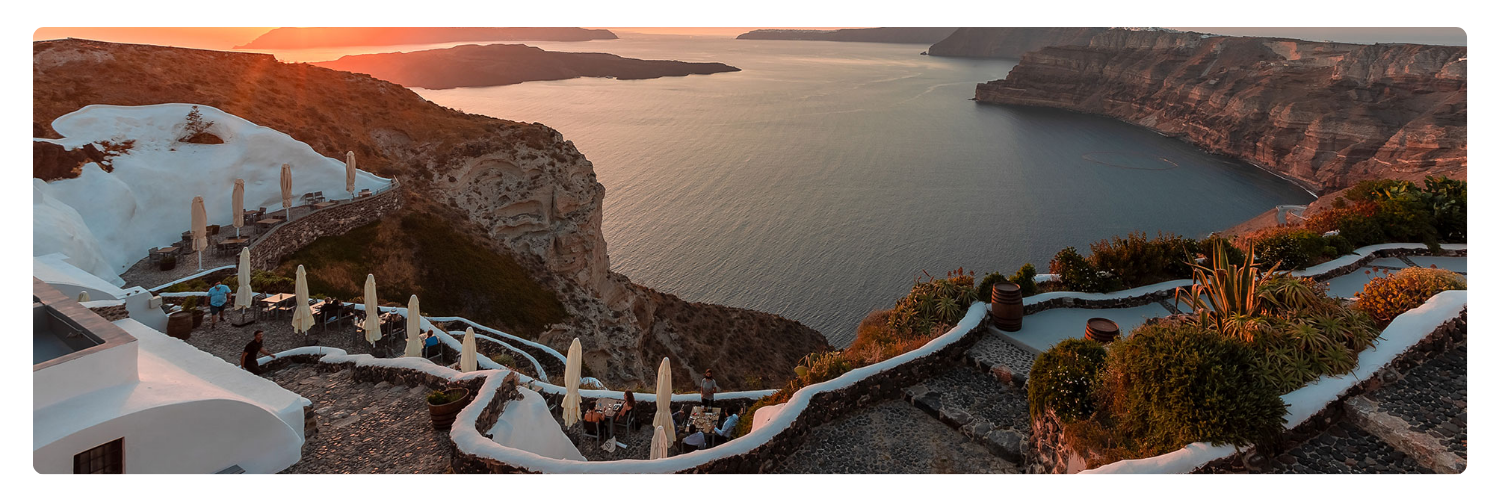
Artemis Karamolegos, Santorini
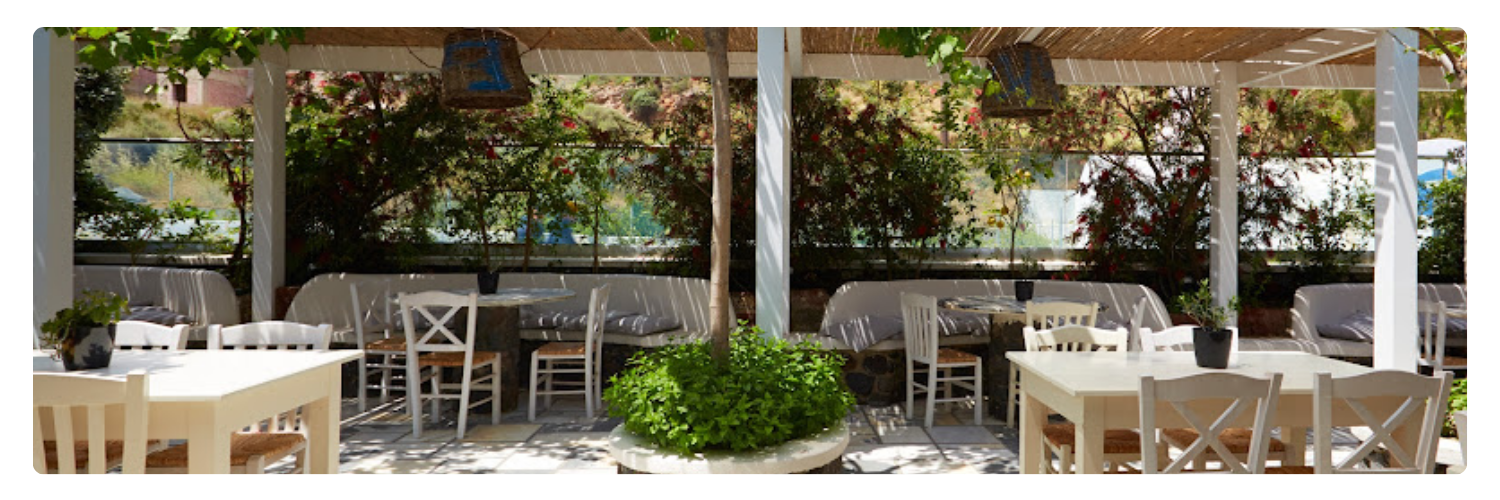
Anhydrous Winery, Santorini
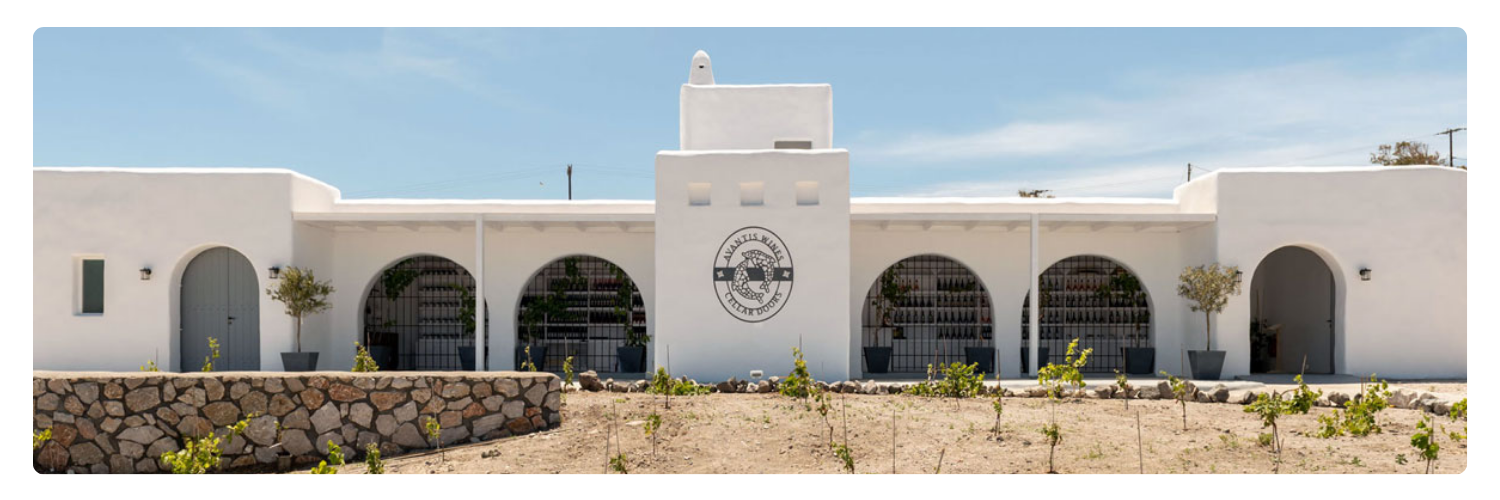
Daf Wines, Crete
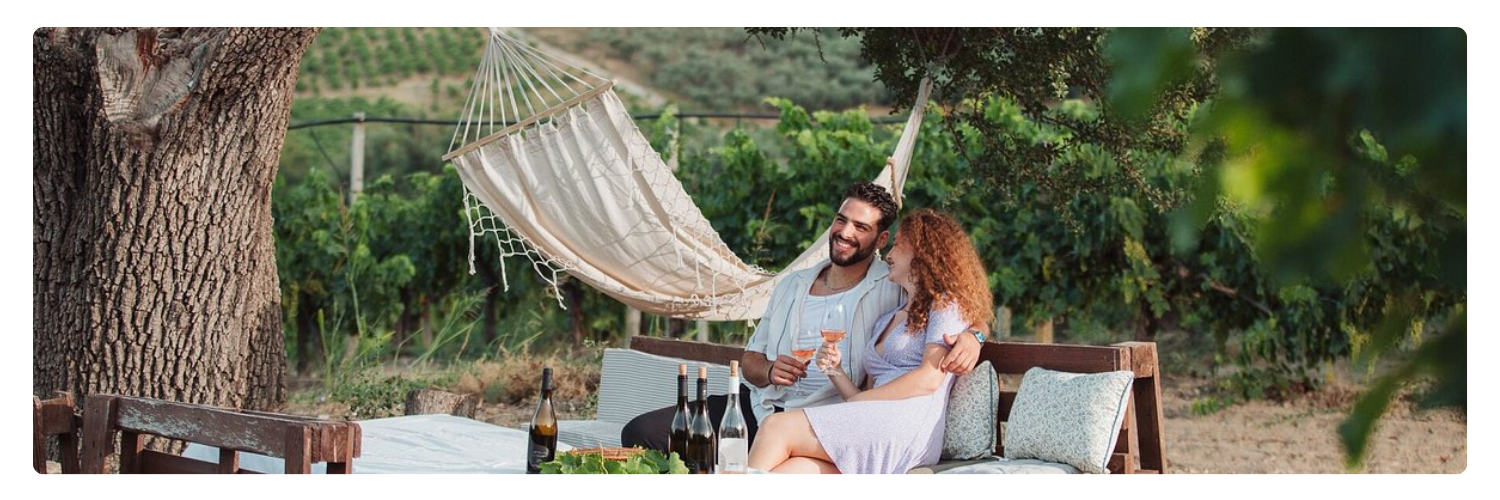
Klados Winery, Crete
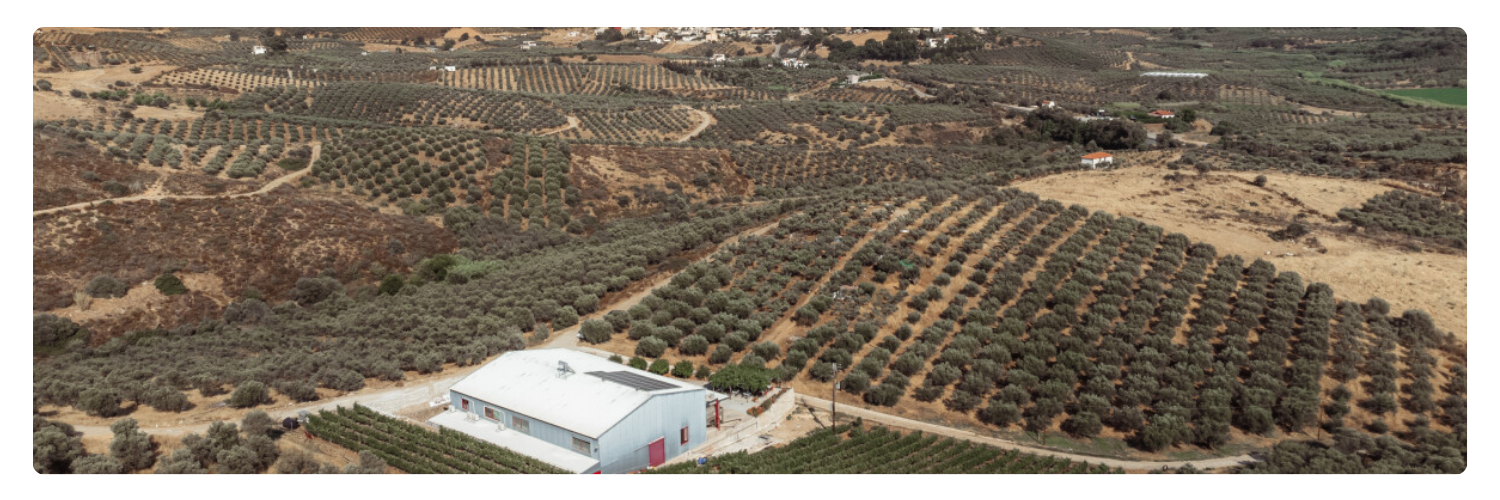
Fragospito Winery, Crete
Monolithos Castle sunset tour, Rhodes

Why the Greek islands belong on your wine map
The Greek islands aren't an emerging wine region. They are a region the rest of the wine world is finally catching up to. The grapes have been here for millennia, the vines for centuries, the families running the cellars for generations. What's new is the quality of what's being made — and that you can now book a tasting with the people doing it directly, on platforms like WineTourism.com.
Start with Santorini. Stay for Crete. Find your way, eventually, to Rhodes and Patmos. The pour is waiting.