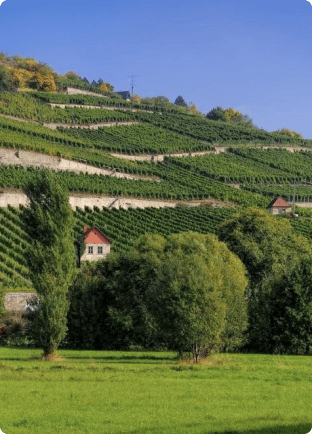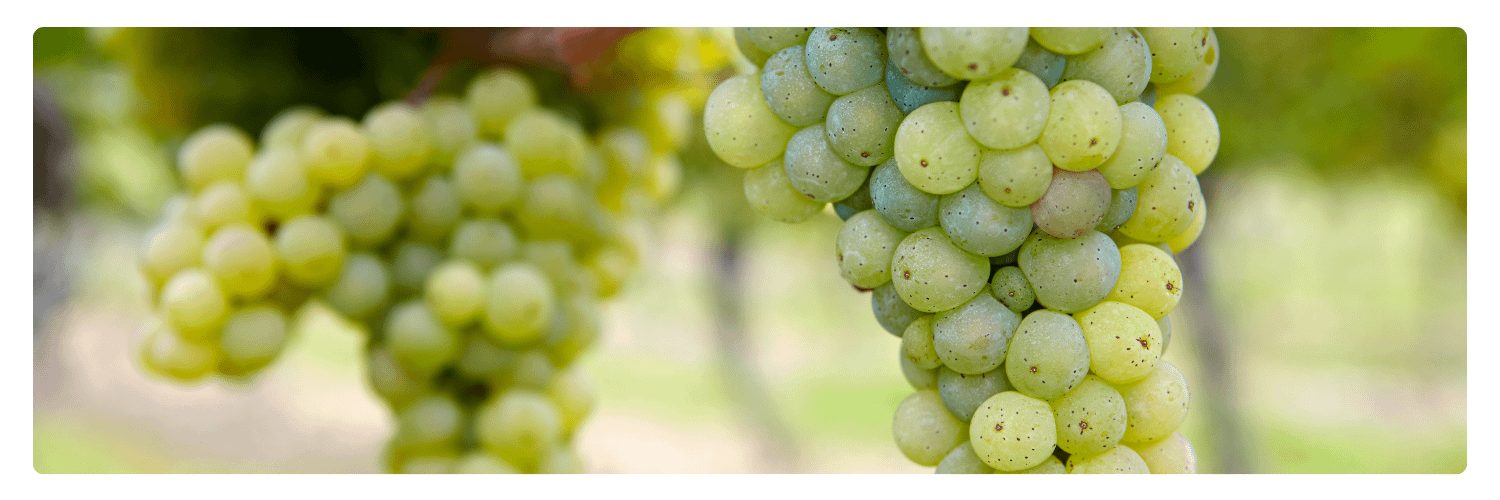

You are standing on a slate slope above a river in August. The vineyard runs almost vertical. The Mosel curves below like a green ribbon. It is 22°C, there is a breeze coming off the water, and someone has poured you a glass of Riesling that is 10.5% alcohol and tastes like citrus zest, wet stone, and lime. Right now in Tuscany it is 38°C, the piazzas are empty, and everyone is inside pretending it will pass. It won't. You are in the right place.
Cool-climate Riesling is one of the great secrets of European summer travel. The regions that grow this grape well — Germany's Mosel and Rheingau, France's Alsace, Austria's Wachau, Australia's Clare Valley, and New York's Finger Lakes — are all river-cooled, high-altitude, or lake-moderated. They stay pleasant when Mediterranean wine country turns brutal. The wine itself is bright, low in alcohol, and one of the few whites in the world that actually improves when you drink it under 25°C.
This is a guide to the six regions worth flying for this August, the estates to book at each, and why cool climate Riesling might be the most refreshing wine trip you'll take this year.
At a glance: cool climate Riesling regions
Cool climate Riesling regions are the world's premium homes for the grape — steep river valleys, high-altitude terraces, and lake-moderated slopes where cool nights preserve the acid that defines the wine. The six standouts: Germany's Mosel (blue-slate slopes, mineral Riesling of unmatched precision) and Rheingau (south-facing Rhine slopes, richer style, monastic heritage); France's Alsace (Vosges rain shadow, sunny yet cool, rounder texture); Austria's Wachau (high-altitude Danube terraces, some of the world's most age-worthy dry Riesling); Australia's Clare Valley (a cool pocket in warm South Australia, bone-dry lime-and-toast character); and New York's Finger Lakes (glacial lakes moderating temperatures, dramatic slopes). All are summer-friendly.
Why cool climate Riesling matters — and why it's mostly dry now
Riesling gets an unfair reputation. Most travelers still think of it as sweet because that's what the German exports of the 1970s and 1980s were. Modern Riesling — especially from the regions covered here — is overwhelmingly dry. Look for the German words trocken on Rheingau and Mosel labels, GG (Grosses Gewächs) for the top dry tier, or simply the styles from Alsace, Wachau, Clare Valley, and Finger Lakes, which default to dry.
The reason cool climates matter is chemistry. Riesling in warm places loses its structure. Cool nights preserve natural acidity and the mineral character that make the wine distinctive. It also keeps alcohol low — often 8–12%, sometimes lower — which means you can drink it in summer heat without feeling flattened by the second glass. That is what makes cool climate Riesling regions a summer traveler's specific answer to Mediterranean August.
Six cool climate Riesling corners for the August heat
1. Mosel, Germany
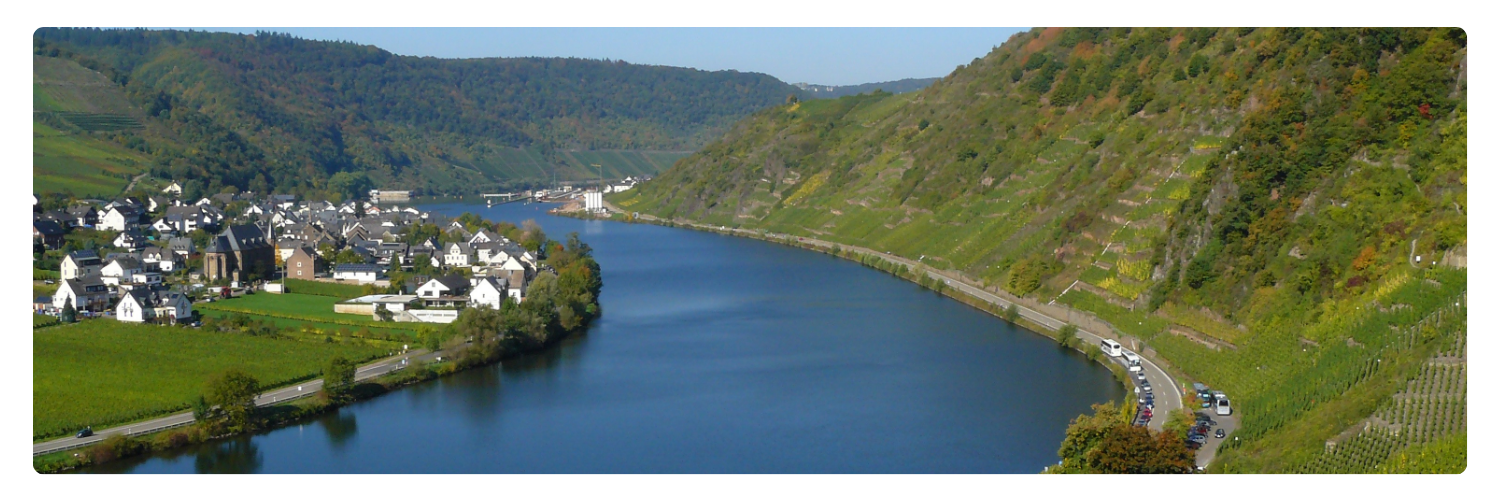
The Mosel winds for roughly 200 kilometers through Germany's most dramatic Riesling country between Trier and Koblenz. The blue and grey slate slopes are so steep — sometimes 60 degrees — that the grapes must be harvested by hand. The result is Riesling of remarkable precision: mineral, low-alcohol, and utterly refreshing. The villages of Bernkastel-Kues, Piesport, and Ürzig produce some of the most celebrated bottlings.
To book: Weingut Mönchhof near Bernkastel offers guided tastings from the celebrated Ürziger Würzgarten, Erdener Treppchen, and Erdener Prälat single-vineyards. In summer, tastings move to the Mediterranean garden — up to eight wines paired with the estate's own stories.
2. Rheingau, Germany
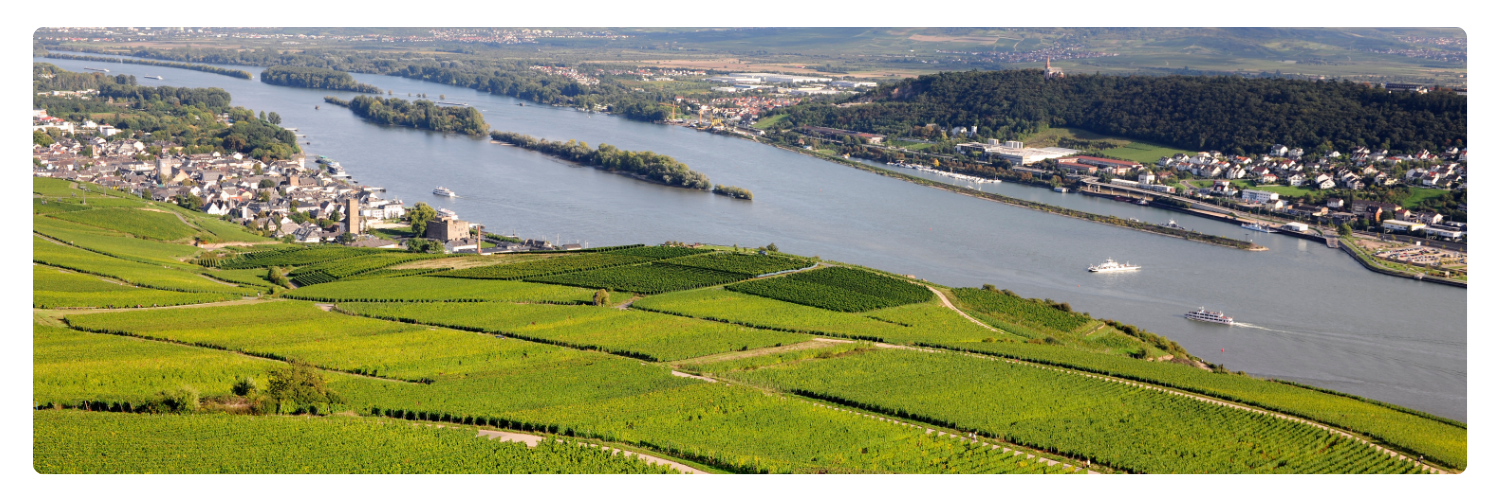
Just south of Wiesbaden, the Rheingau is Riesling's monastic heart. Schloss Johannisberg, founded by Benedictine monks in the 12th century, was one of the first estates to plant Riesling as a monoculture. The south-facing slopes along a rare east-west bend of the Rhine make wines with more body and richness than the Mosel — powerful Kabinett, Spätlese, and GG Rieslings that age for decades.
To book: Weingut Dr. Nägler in Rüdesheim has been made by the same family since 1826. Owner Tilbert Nägler, sixth generation, pours estate Rieslings from the steep quartz-and-slate Rüdesheimer Berg. Rüdesheim itself is a picturesque wine town with easy river-boat access.
3. Alsace, France
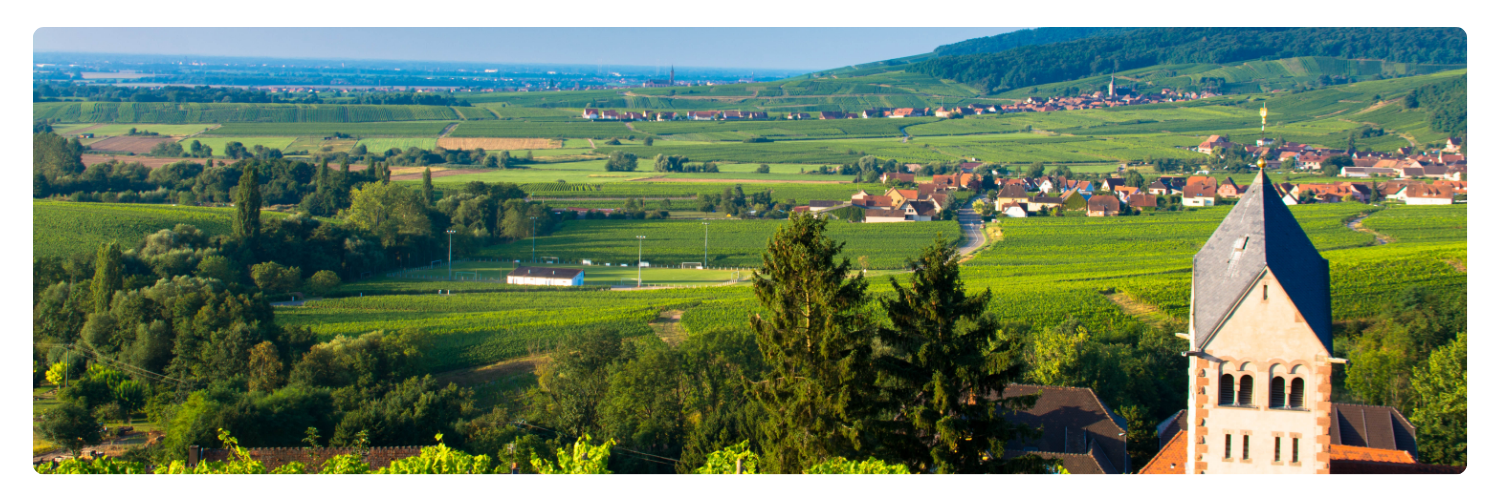
Across the Rhine from the Rheingau, Alsace has the highest sunshine hours in France thanks to the Vosges mountains — which cast a rain shadow that keeps this east-facing corridor dry, protected, and unexpectedly warm by day. Nights stay cool, though, and the Rieslings are rounder and more textural than their German cousins, with a slightly higher alcohol and a distinctive dry finish. The Alsace Wine Route runs 170 kilometers past medieval villages including Ribeauvillé, Riquewihr, and Kaysersberg.
To book: Domaine Bott-Geyl near Beblenheim, biodynamic since 2002, pours Riesling alongside Muscat, Pinot Gris, and Gewurztraminer. Small groups get complimentary tastings; the estate speaks fluent English and the cellar tour is exceptional.
4. Wachau, Austria
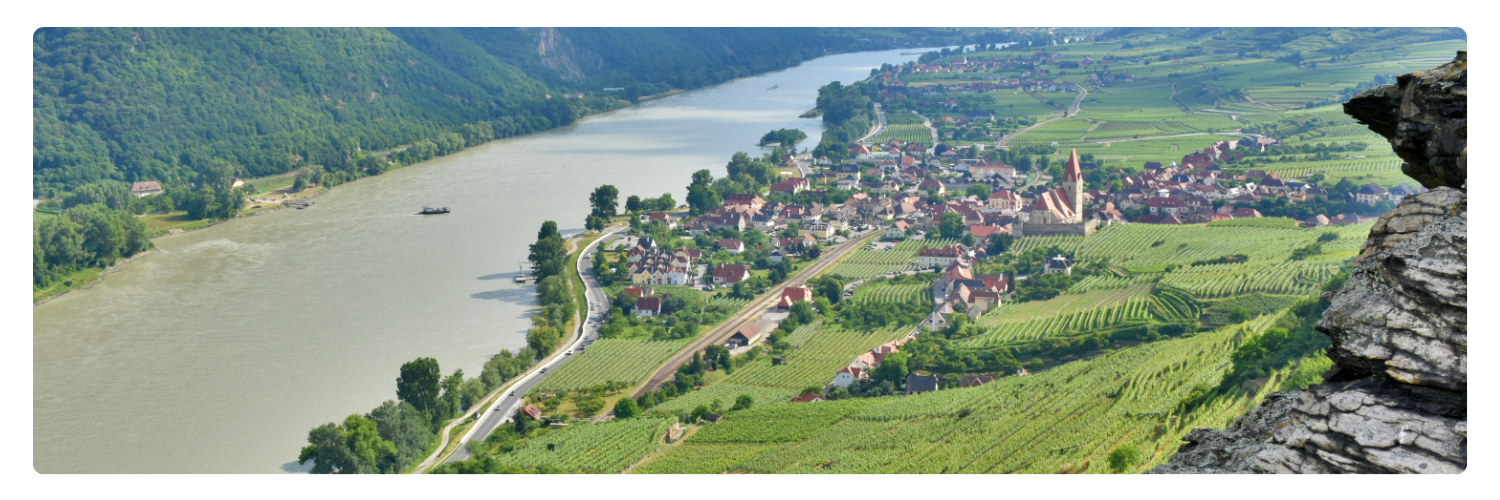
The Wachau is Riesling's most dramatic setting — a 30-kilometer stretch of the Danube where terraced vineyards climb almost from the river to the sky. Along with Grüner Veltliner, Wachau Riesling is among the world's most age-worthy dry white wine. The classification system (Steinfeder, Federspiel, and the concentrated Smaragd) tells you exactly what to expect.
To book: Weingut Simon Gattinger in Krems offers a modern, chic tasting with the young winemaker himself walking guests through Riesling and Grüner Veltliner. For summer, the Private Wachau Valley Kayak & Wine Tour takes travelers down the Danube from Melk to Spitz with tastings at village producers — one of the most memorable summer wine experiences in Europe.
5. Clare Valley, Australia
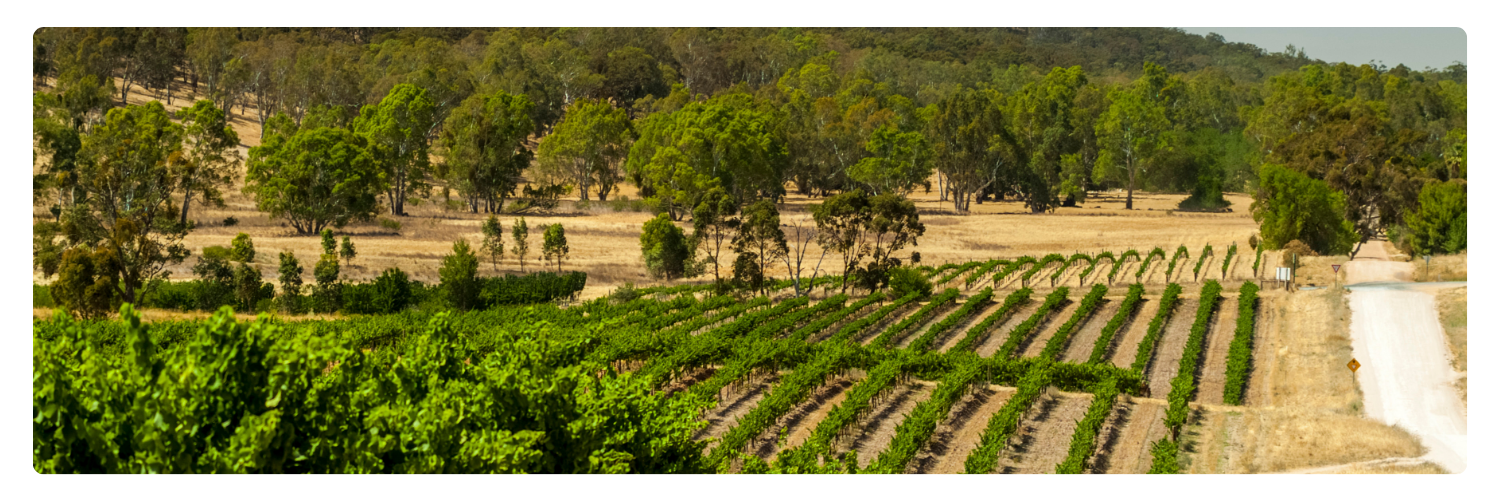
Clare Valley sits about 130 kilometers north of Adelaide, in the middle of otherwise-warm South Australia. What makes it work: cool nights and elevation. The days are hot but dry; the nights preserve acid; the Rieslings emerge bone-dry, high in acid, with lime, lemon, and toast notes that age gracefully. Watervale and Polish Hill River are the two sub-regions to know.
To book: Knappstein Wines in the historic Enterprise Brewery building has been making site-specific Clare Valley Rieslings since 1974. Cellar door tastings are relaxed and affordable. Note: Clare Valley's peak season is the Southern Hemisphere summer (December to February) — but the region also opens for shoulder tastings from October onward, and its Rieslings ship worldwide.
6. Finger Lakes, USA
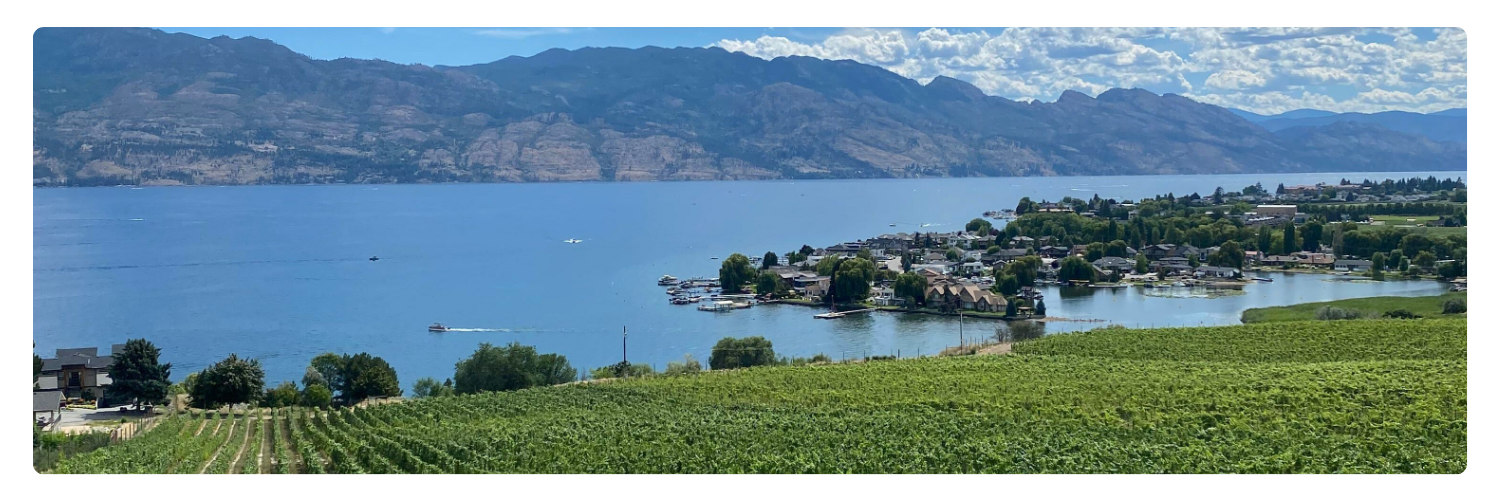
The Finger Lakes region in upstate New York has become the American cool-climate Riesling story. Eleven long, deep glacial lakes — Seneca, Cayuga, and Keuka are the biggest — moderate temperatures year-round, keeping vineyards cool in summer and mild in winter. Over 100 wineries now cluster along the lakes, producing Riesling that increasingly rivals the German benchmarks at a fraction of the price.
To book: Aquila's Nest Vineyards offers a Finger Lakes Riesling tasting alongside Cayuga White and Traminette — under $20 per person, a striking value for the quality on offer. The Finger Lakes are four to five hours from New York City by car.
A sample cool climate Riesling week — Germany + Alsace
Days 1–2: Fly into Frankfurt. Drive 45 minutes to Rüdesheim. Two Rheingau tastings, walk the Niederwald monument for the panoramic view of the Rhine bend.
Days 3–4: Drive west via Koblenz into the Mosel Valley. Base in Bernkastel-Kues for its medieval old town. Two Mosel producers, ideally one classical (Riesling Kabinett focus) and one biodynamic.
Days 5–6: Cross into Alsace via Strasbourg. Base in Colmar or the smaller Riquewihr for storybook-village atmosphere. Two Alsace producers.
Day 7: Return via Strasbourg.
Budget: €250–€400 per couple per day all-in.
When to visit for the temperature contrast
August is the surprise pick. Mediterranean wine country (Tuscany, southern France, Sicily, mainland Greece) hits its heat peak; cool climate Riesling regions stay in the low-to-mid twenties Celsius. Late spring (May and early June) and September are also excellent — May brings the celebrated Wachauer Weinfrühling ("Wachau Wine Spring") festival, when about 100 estates open together. Harvest in cool-climate regions runs later than most of Europe — often into late October, with late-harvest Rieslings picked into November. Winter is quiet; many small estates close between January and March.
The cool corner is the smart corner
Cool climate Riesling isn't niche. It's the world's most versatile white in some of the world's most beautiful summer destinations — the Mosel, the Rhine, the Danube, the Vosges. It's dry now, mostly. It's low in alcohol. It pairs with everything from raw seafood to Alsatian tarte flambée. And when everyone else is stuck in a Tuscan air-conditioned bar in August, you can be standing on a slate slope with the river below you, wondering why you didn't book this trip years ago.
Frequently Asked Questions
What is cool climate Riesling?
Where is Riesling grown in the world?
Is all Riesling sweet?
What's the difference between Mosel and Rheingau Riesling?
When is the best time to visit German wine regions?
Which Riesling region is best for a first-time visitor?
Can you visit multiple Riesling regions in one trip?
Featured WineTourism.com cool climate Riesling experiences
Bookable experiences referenced in this guide:
- Weingut Mönchhof, Mosel (Germany) — https://www.winetourism.com/experience/visit-wine-tasting-weingut-monchhof/
- Weingut Dr. Nägler, Rheingau (Germany) — https://www.winetourism.com/experience/wine-tasting-and-tour-at-weingut-dr-naegler/
- Domaine Bott-Geyl, Alsace (France) — https://www.winetourism.com/winery/domaine-bott-geyl/
- Weingut Simon Gattinger, Wachau (Austria) — https://www.winetourism.com/winery/weingut-gattinger/
- Private Wachau Valley Kayak & Wine Tour — https://www.winetourism.com/book-a-local-wine-guide/james/private-wachau-valley-kayak-wine-tour/
- Knappstein Wines, Clare Valley (Australia) — https://www.winetourism.com/winery/knappstein-wines/
- Aquila's Nest Vineyards, Finger Lakes (USA) — https://www.winetourism.com/winery/aquila-s-nest-vineyards/