
Walk into a wine shop in Greve, and the black rooster stares back at you from a hundred labels. Walk into a wine shop in Rufina, forty minutes northeast, and you'll see almost none. Same country, same grape, same broad name — but two different wines with two very different stories, told by families who have been telling them for centuries.
The confusion between Chianti and Chianti Classico is one of the most persistent in Italian wine. Bottles that look nearly identical on the shelf can come from vineyards eighty kilometers apart, be built to different rules, and land in your glass tasting like relatives rather than the same wine. Understanding the distinction is the difference between a trip that hits the right hills and one that just checks the box marked "Tuscany."
This guide is for the traveler who wants to walk the difference, taste it, and book the estates that will teach it best.
At a glance: Chianti vs Chianti Classico
Chianti and Chianti Classico are two different DOCG designations covering wines from Tuscany, both built around the Sangiovese grape. Chianti Classico is the historic heart — the smaller, higher-quality zone between Florence and Siena, defined by Cosimo III de' Medici in 1716 and marked by the black rooster (Gallo Nero) seal. It requires a minimum 80% Sangiovese, no white grapes, and longer aging. Chianti is the broader appellation surrounding it, split into seven sub-zones (Rufina, Colli Fiorentini, Colli Senesi, and others), with more permissive rules and greater variety. Both can be excellent. They are not the same wine.
What's the difference between Chianti and Chianti Classico?
The distinction starts with geography and hardens into law. The original Chianti was a small zone defined by a Medici decree in 1716 — one of the earliest legally protected wine denominations in the world. That original area is what became Chianti Classico. Over the following centuries, especially after the "Iron Baron" Bettino Ricasoli codified the modern Chianti recipe in 1872, producers outside the historic zone began labeling their wines Chianti too. By the twentieth century, the two had legally split. Chianti Classico became its own DOCG in 1996.
Today the rules are meaningfully different. Chianti Classico requires a minimum of 80% Sangiovese (the rest from a short approved list, no white grapes since 2006), lower yields per hectare, and longer minimum aging — 12 months for the base Annata, 24 months for Riserva, 30 months for the top Gran Selezione tier introduced in 2013. Chianti DOCG requires only 70% Sangiovese, permits white grapes, and demands as little as three months of aging.
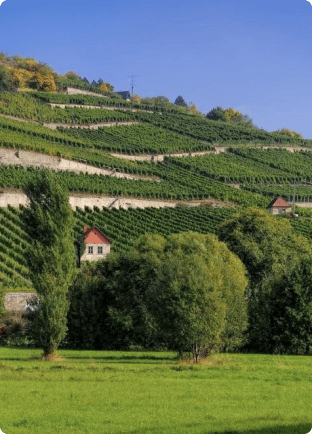
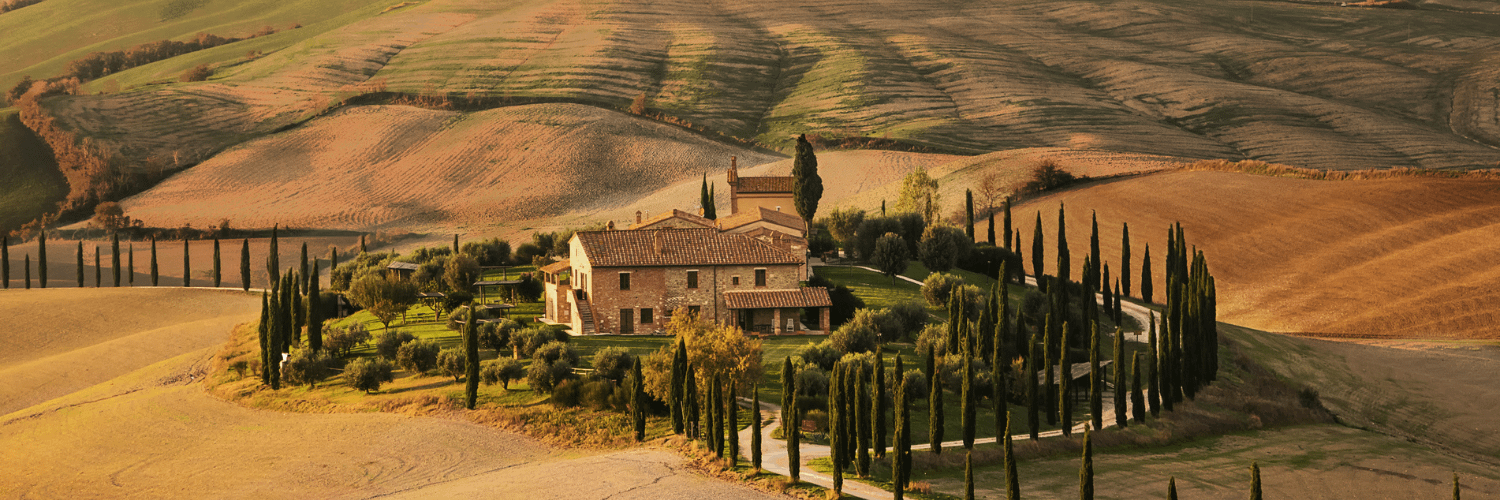
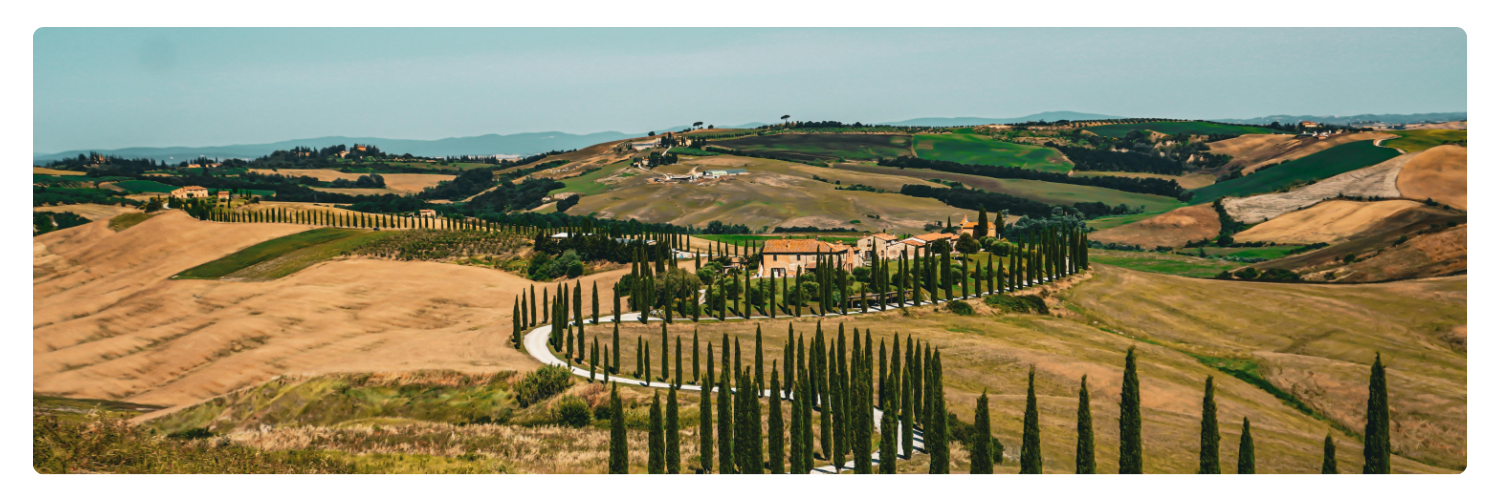
Terroir differs too. Chianti Classico sits at 200 to 700 meters of altitude on the galestro (marl) and alberese (limestone) hills between Florence and Siena. Chianti's sub-zones stretch across a broader, more varied landscape — some low-lying, some (like Rufina) as high or higher than Chianti Classico. Both make serious wines. Chianti Classico is the more consistent premium tier; the best Chianti sub-zones are more variable but can hit remarkable heights.
The Chianti Classico villages
The Chianti Classico zone is compact, walkable in the best sense, and organized around five villages worth knowing.
Greve in Chianti is the market town and the region's most accessible base. Piazza Matteotti — the sloping medieval square with a statue of Giovanni da Verrazzano at its center — is where locals eat, drink, and buy the region's famous finocchiona salami from the 500-year-old Antica Macelleria Falorni.
Radda in Chianti is the medieval hilltop that was once the seat of the Lega del Chianti, the medieval federation from which the wine took its name. Its stone streets and Consorzio history make it the spiritual center of Chianti Classico. Radda's cooler, higher position also produces some of the region's most elegant wines.
Gaiole in Chianti stretches into rugged country toward the Chianti Mountains. It's the home of the Castello di Brolio, Ricasoli's original estate and the birthplace of the modern Chianti recipe.
Castellina in Chianti sits at the west end of the zone, with Etruscan tombs on its edges and views toward Siena.
Panzano in Chianti, between Greve and Castellina, gives you the Conca d'Oro — the "golden shell" of vineyards — and Dario Cecchini's legendary butcher shop, worth the visit for the meat as much as the wine.
The Chianti sub-zones you should know
Chianti's seven sub-zones cover a much larger swath of Tuscany. The two most respected are:
Chianti Rufina — a tiny appellation northeast of Florence, at higher altitude than most of Chianti Classico. Cooler nights preserve acidity; the wines are tense, elegant, long-lived. This is the sub-zone serious drinkers cite as Chianti Classico's most credible rival.
Chianti Colli Fiorentini — the hills immediately surrounding Florence, historically the wine that supplied the city's tables. Softer and more approachable than Rufina, often excellent value.
The other sub-zones — Colli Senesi (around Siena), Colli Aretini (around Arezzo), Colline Pisane (near Pisa), Montalbano (west of Florence), and Montespertoli — vary more widely, but reward the traveler willing to look.
Best Chianti Classico wineries to visit on WineTourism.com
Two verified WineTourism.com estates deep in the Chianti Classico zone are especially worth booking.
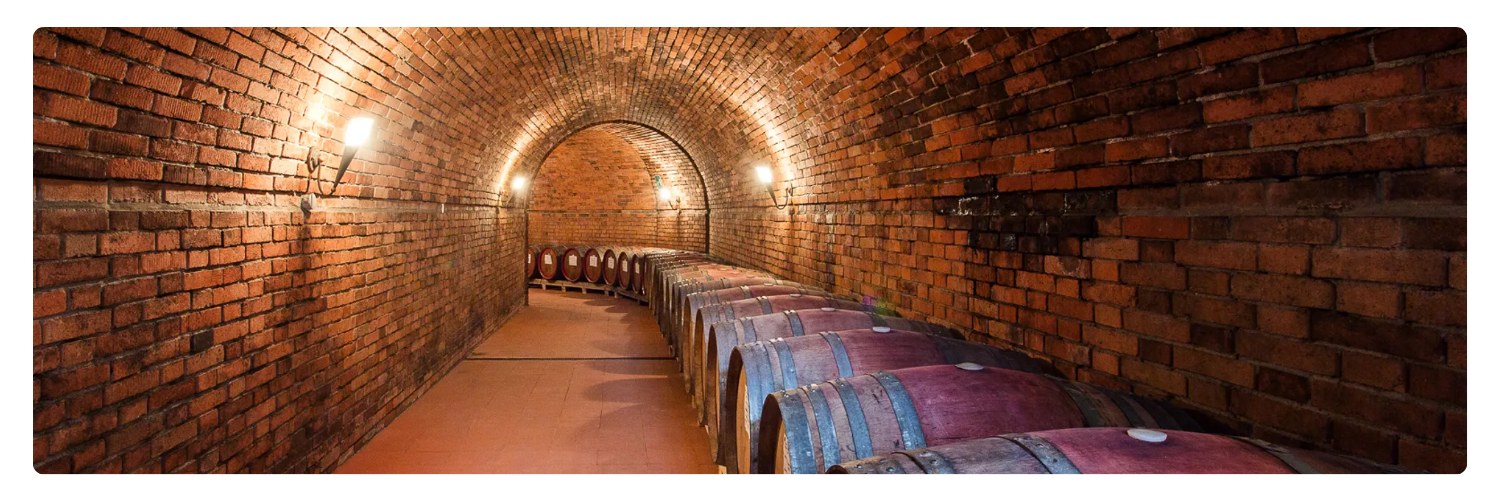
Castello Monterinaldi (Radda in Chianti). An organic Chianti Classico producer between Panzano and Radda, sitting on an ancient Etruscan road with 18 individual vineyards across 50 hectares. The Tuscan Wine & Olive Oil Tour walks you through the fermentation and storage area, then finishes with a tasting of three wines paired with the estate's own extra virgin olive oil. Past visitors particularly single out the lunch option — appetizer, main course, dessert, and four wines including a reserve — as one of the best-value experiences in the region.
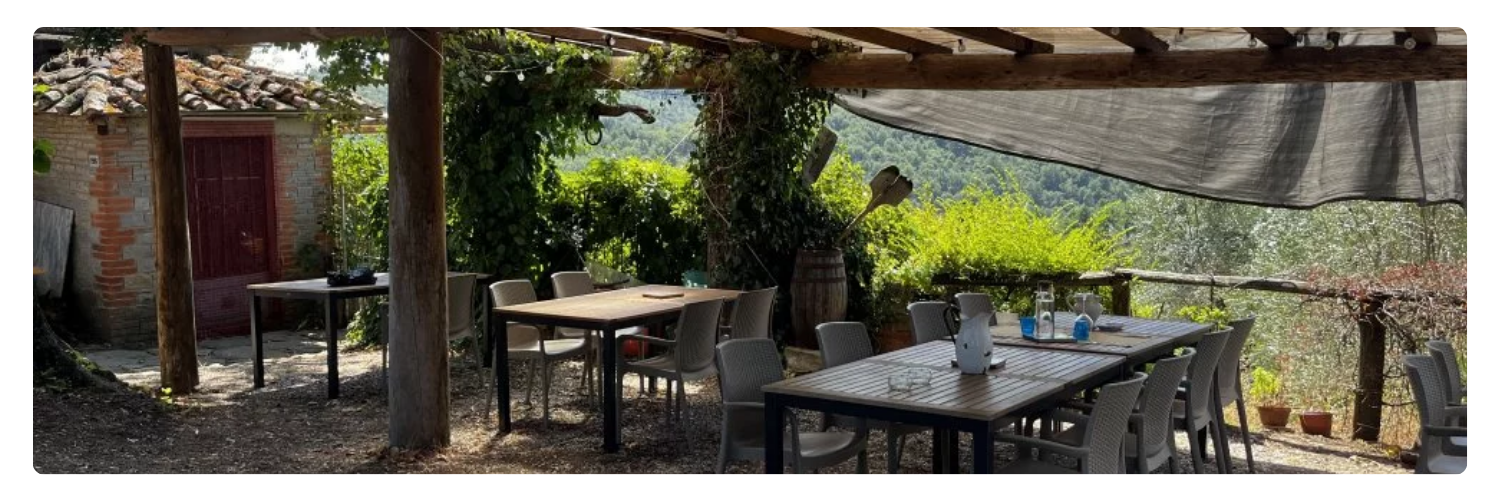
Poggi del Chianti Monnanni (between Cavriglia and Gaiole in Chianti). A small family-run organic estate tucked among four hills in the Monti del Chianti, run by proprietor Mirko. Hand-harvested Sangiovese, traditional methods, and reviews that repeat the same word — "intimate." Mirko personally greets guests, pours generously, and pairs tastings with cold cuts, cheeses, and the estate's own olive oil. On-site accommodation available for travelers who want to sleep among the vines.
Best Chianti (broader) wineries to visit on WineTourism.com
For travelers wanting to understand Chianti beyond the Classico zone — especially Rufina, its most respected sub-appellation — these three bookable estates deliver.
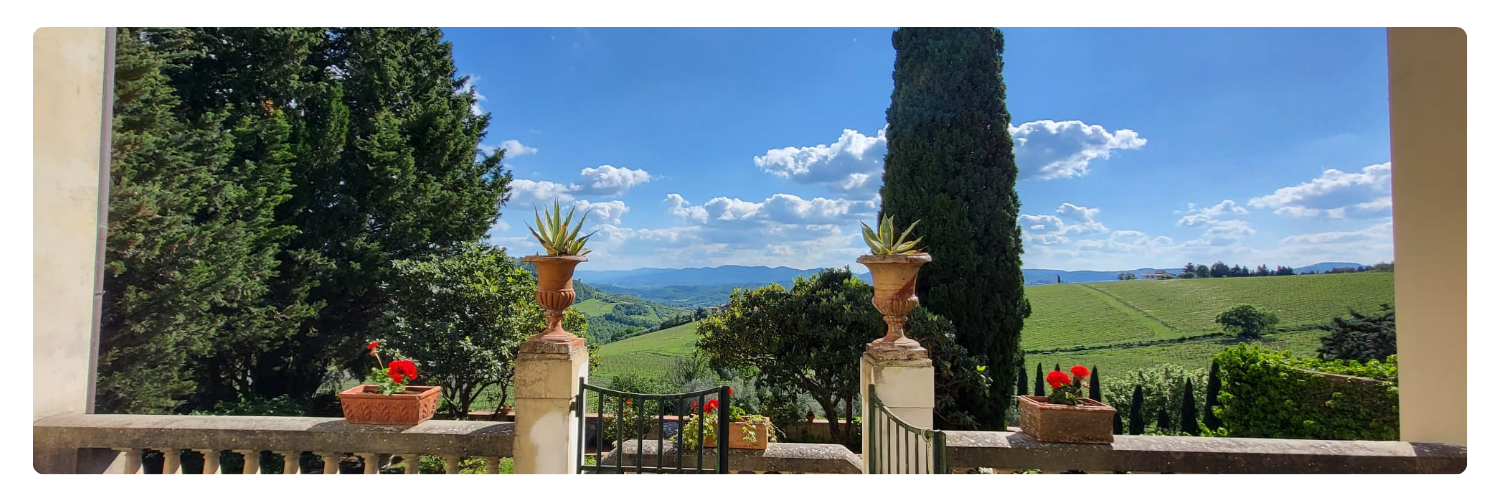
Villa Travignoli (Chianti Rufina). A working estate with origins going back to 1080 and continuous ownership by the Busi family since the late 1800s, located about 25 kilometers east of Florence at the confluence of the Arno and Sieve rivers. The Chianti Rufina Experience includes a guided tour of the private courtyards, gardens, and 16th-century vaulted cellars, then a tasting of five wines — including the estate's celebrated Vin Santo D.O.C. — with a light lunch. Sara, the host guests repeatedly name, has become part of the reason people rebook.
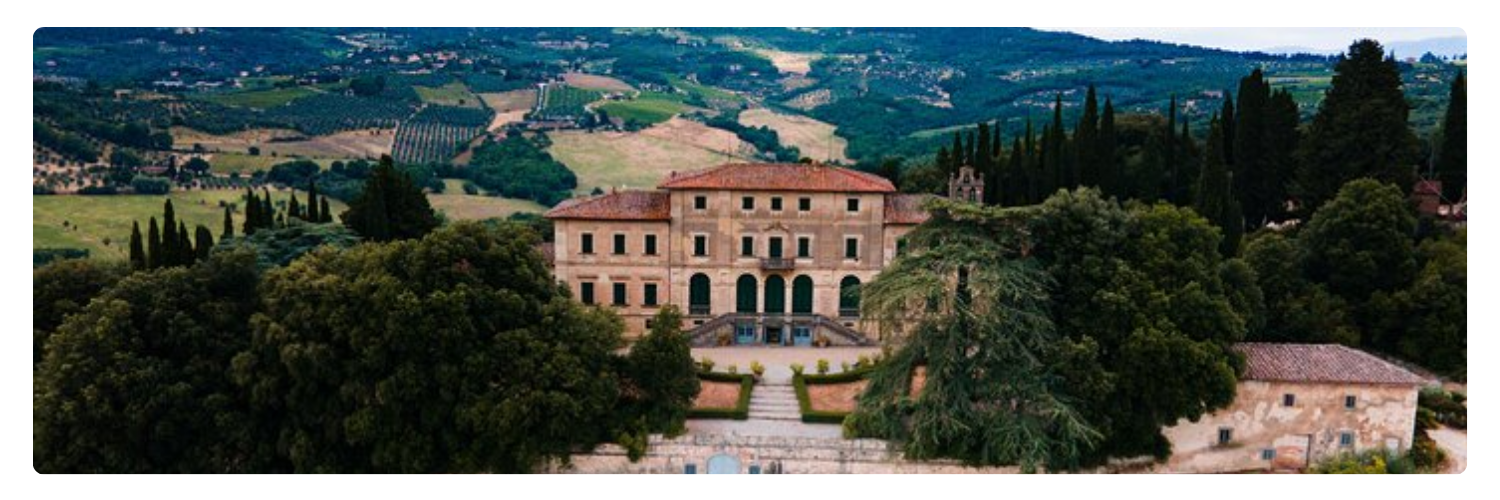
Marchesi Gondi — Tenuta di Bossi (Chianti Rufina). The Gondi family's Florentine legacy stretches back to the 1500s, and Tenuta di Bossi has been in the family for generations. The "Five Shades of Chianti Rufina" experience takes visitors into the secret cellar beneath the Villa for a tasting of five wines — including the estate's Poggio Diamante, Mazzaferrata, and Vin Santo — hosted by Giacomo and Gerardo. Past guests particularly note the view: hilltop, olive-groves, the whole Rufina Valley.
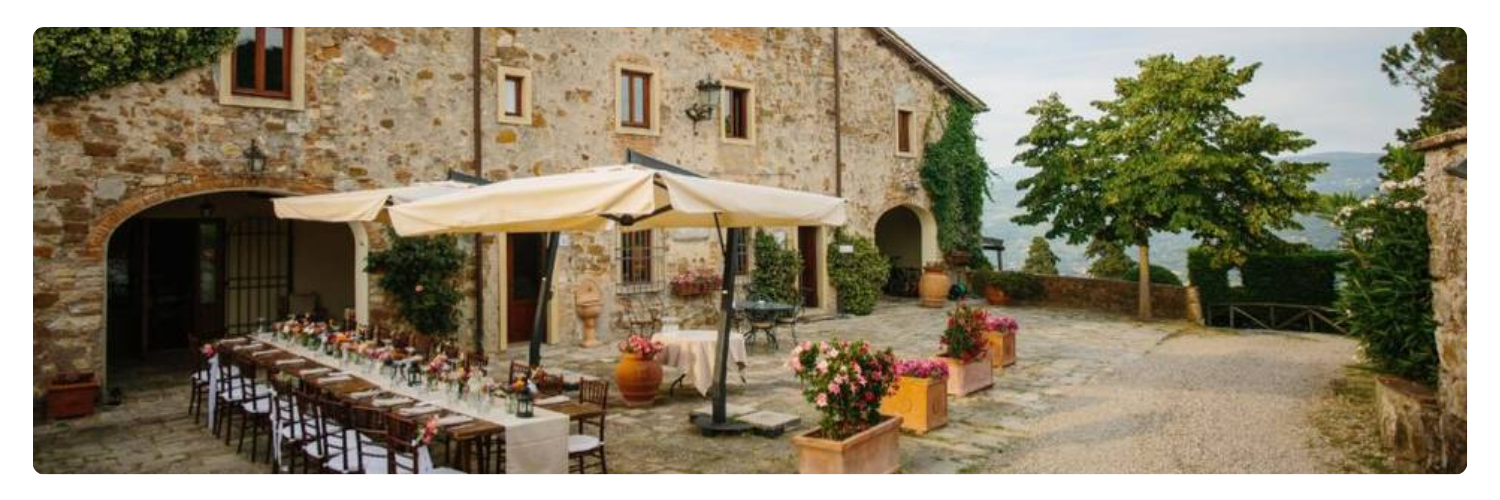
Fattoria Lavacchio (Chianti Rufina). An organic estate with a "widespread" set-up — cellar, agri-resort, shop, restaurant, and B&B — committed to preserving artisanal peasant viticulture in the Chianti Rufina area. The winery tour, cooking classes, and vineyard walks are all hosted by Tatsu, a Japanese-Italian guide guests describe as the reason for the visit. Great for travelers wanting an overnight stay woven into the tasting.
How to plan a Chianti vs Chianti Classico tasting trip
Base for three nights in the heart of Chianti Classico — Greve, Panzano, or Radda — and use the days to visit two Chianti Classico estates like Castello Monterinaldi and one small producer like Poggi del Chianti Monnanni. Include long lunches at the wineries themselves; skip the drive-and-tasting rhythm.
For the fourth and fifth days, drive northeast to Chianti Rufina. It's about ninety minutes from Radda. Stay overnight at Fattoria Lavacchio's B&B or book into Florence and day-trip out to Villa Travignoli and Marchesi Gondi — Tenuta di Bossi. You'll leave with a physical sense of the difference between the two zones. The Rufina wines will feel tighter and more mineral in your mouth. The Classico wines will feel richer and rounder. The next time you see a bottle of either on a shelf, you'll know which one you want.
Budget: Around €300–€450 per couple per day all-in.
Two wines, one name, two trips
The trick with Chianti and Chianti Classico is that you don't have to pick sides. Both zones reward attention. Chianti Classico gives you the black rooster and the historic hillsides; Chianti gives you Rufina's elegance, Colli Fiorentini's approachability, and a countryside less crowded with tour buses. Book estates in both, taste them next to each other, and the conversation about "which is better" becomes what it should be — a conversation about what you like, not what you're told to like.