
Barcelona greets every visitor with the scent of olive oil, grilled seafood and freshly baked bread. The city’s rhythm moves through its kitchens, restaurants, taverns and markets, where traditional Catalan cuisine meets modern culinary ideas. Food here is an expression of everyday joy. Travelers from around the world come to explore the city’s rich flavors through Barcelona food tours and to taste this true gastronomic paradise.
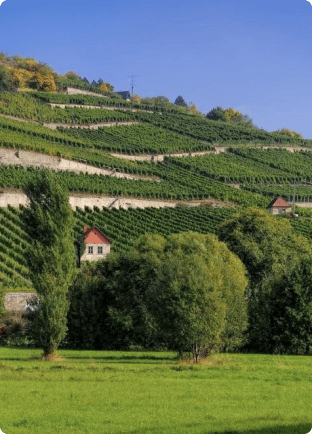
Wine flows through the same story. Local winemakers combine old methods with bold experimentation, giving Catalonia a reputation for world-class wines. The nearby hills of Penedès shine with sparkling Cava, while the rugged slopes of Priorat produce reds full of character. Empordà, closer to the sea, adds its own bright notes. Together, they shape a wine culture with a clear Catalan spirit and worldwide recognition, inviting travelers to enjoy a Barcelona wine tasting that connects them to the region’s soul.
This guide brings together things to do in Barcelona for food and wine lovers: authentic dishes, local markets, nearby wine regions and Michelin-starred dining worth discovering. Along the way, you’ll also find ideas for immersive food and wine tours that open doors to Catalonia’s flavors in their most genuine form.

Dive into Catalan Cuisine
Catalan cuisine is built on the spirit of the Mediterranean – simple ingredients, honest flavors and a focus on seasonality. Every dish begins with what the region offers in abundance: olive oil pressed from local groves, seafood brought straight from the coast, ripe tomatoes, fresh herbs or the unmistakable aroma of Iberian ham. The result is a kitchen that feels both rustic and refined.
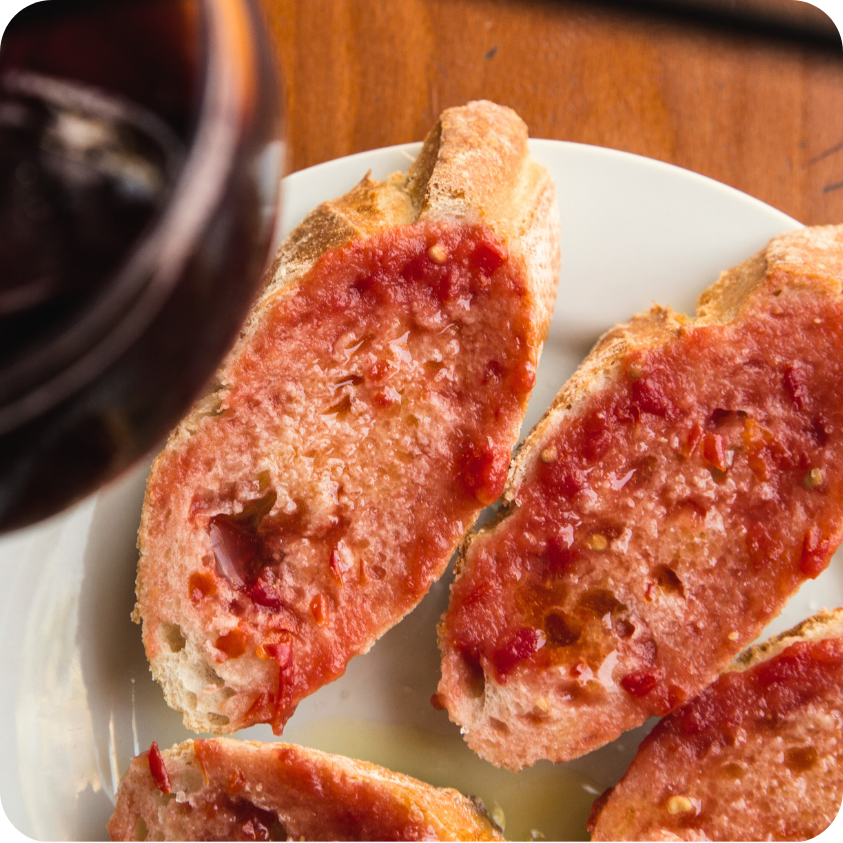
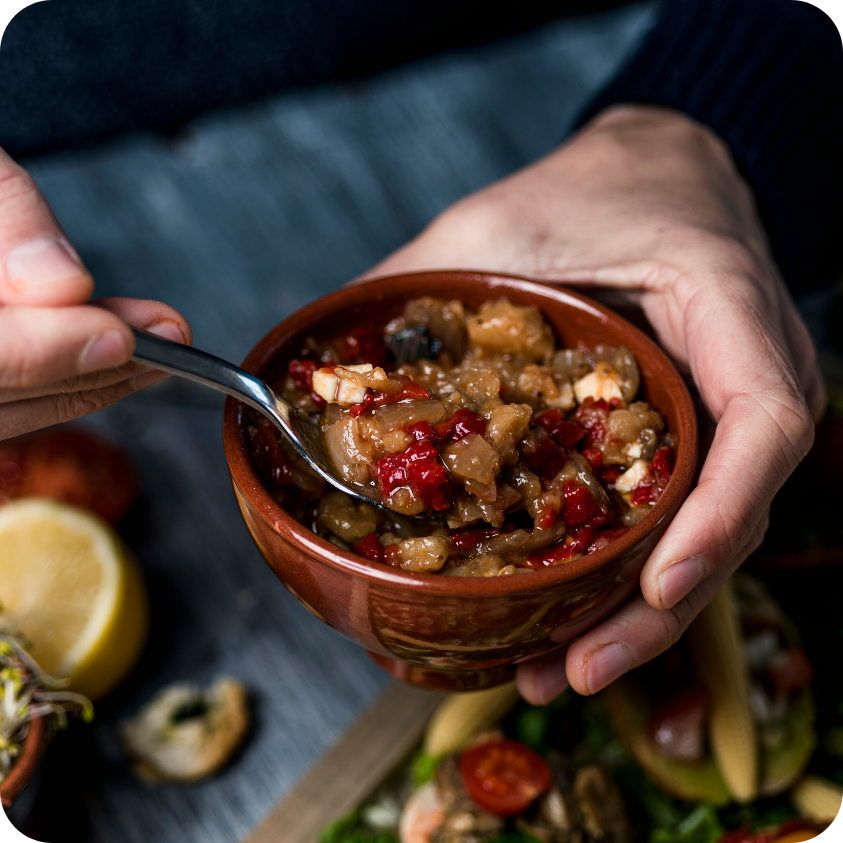
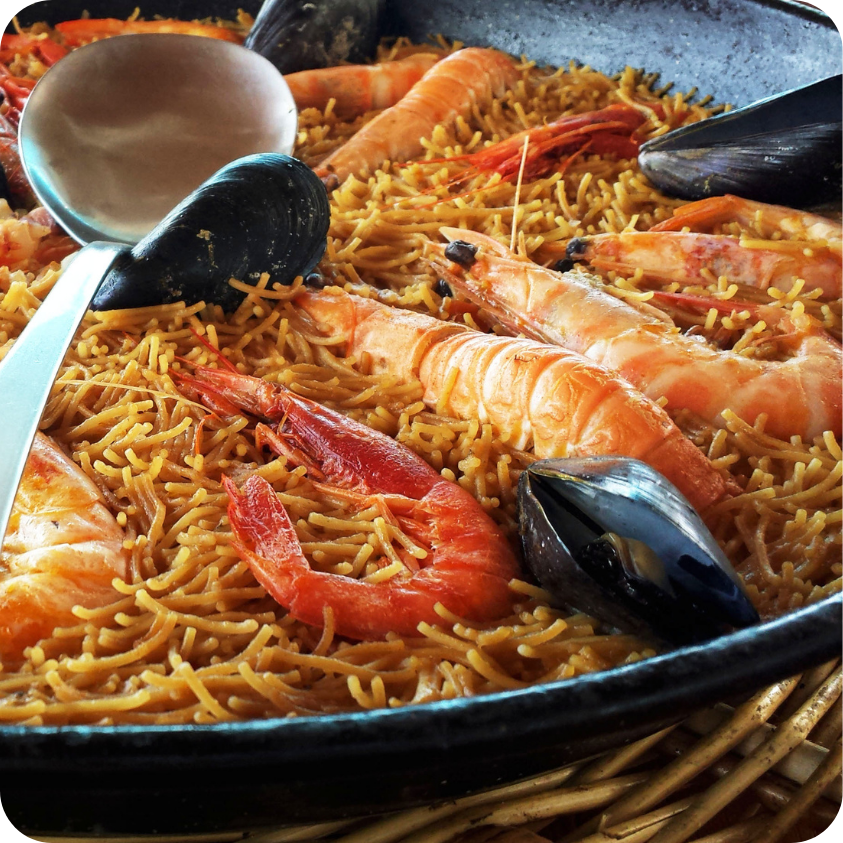
What makes this cuisine so special is its balance. Traditional recipes have been passed down for generations, and yet they keep evolving through modern interpretations. The most beloved dishes remain part of everyday life. Start with pa amb tomàquet – a simple bread rubbed with tomato, drizzled with olive oil, and sprinkled with salt. It appears on almost every table, from casual breakfasts to fine dining menus. Escalivada – a colorful mix of roasted peppers, eggplant and onions. It shows how vegetables can take center stage. For seafood lovers, fideuà – a seafood dish cooked with short noodles in a rich broth, offers an alternative to paella.
No traditional meal feels complete without botifarra amb mongetes – grilled sausage served with creamy white beans, a perfect comfort dish in colder months. And when it’s time for dessert, crema Catalana adds a sweet note with its silky custard and caramelized sugar top, the local answer to crème brûlée.
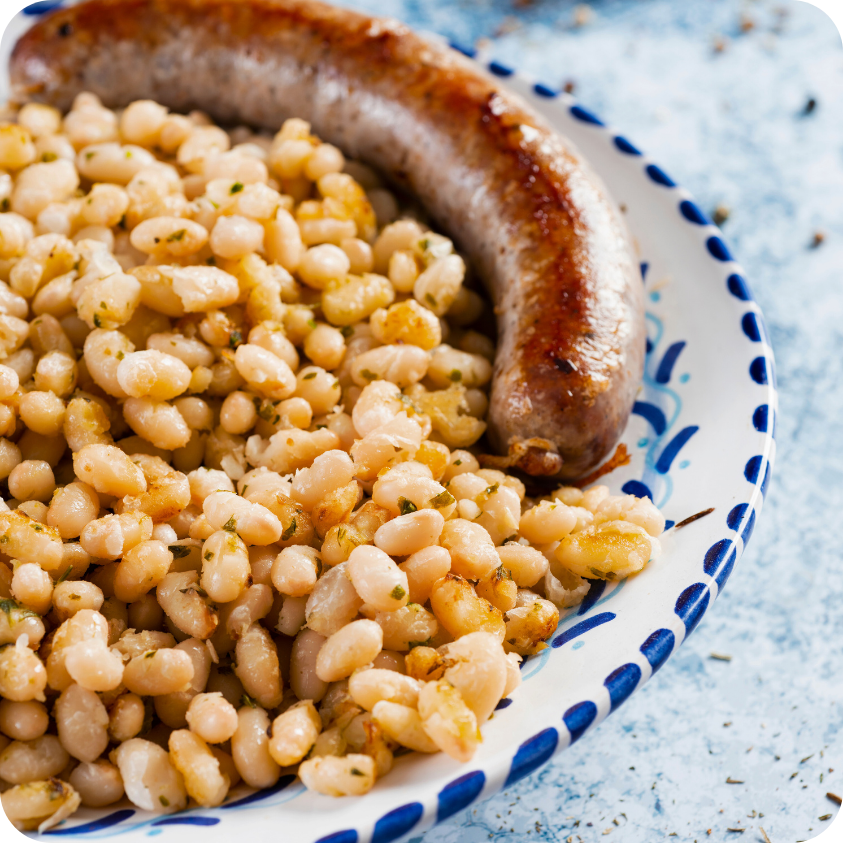
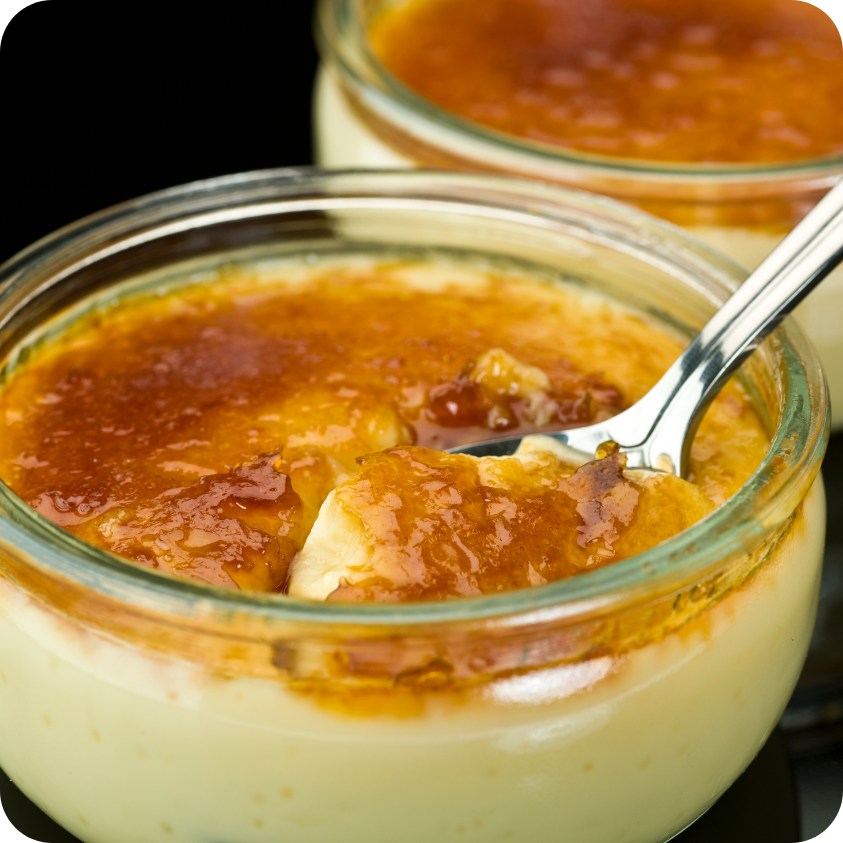
To experience these flavors in their true form, skip the touristy spots and follow where locals eat. Head to Can Culleretes, the oldest restaurant in Barcelona, for a taste of heritage dishes, or to El Glop in the Gràcia district for hearty, home-style cooking. For a modern take on Catalan classics, Bormuth in El Born district combines tapas culture with the city’s love for vermouth.
Tapas and Market Adventures
Tapas in Barcelona are a ritual of sharing food that starts conversations and keeps them going. After work, friends meet for a few plates and a drink. Families stop for a quick bite before lunch. Tapas culture in Barcelona celebrates company over formality, filling the city’s bars and counters with laughter, clinking glasses and the smell of something sizzling on the grill.
A great way to start exploring tapas is to wander through the city’s markets. Mercat de la Boqueria on La Rambla is the most famous one, a vibrant maze of colors and aromas where locals and travelers gather over freshly squeezed juices, seafood and jamón. For something more local, Mercat de Sant Antoni offers a neighborhood atmosphere and fewer crowds, perfect for tasting traditional cured meats or grabbing a small cup of marinated olives among regulars. Mercat de la Concepció, with its elegant iron architecture and flower stalls, is loved by those looking for gourmet products, which makes it the ideal spot to pick up cheeses, olives or a bottle of Catalan wine for later.
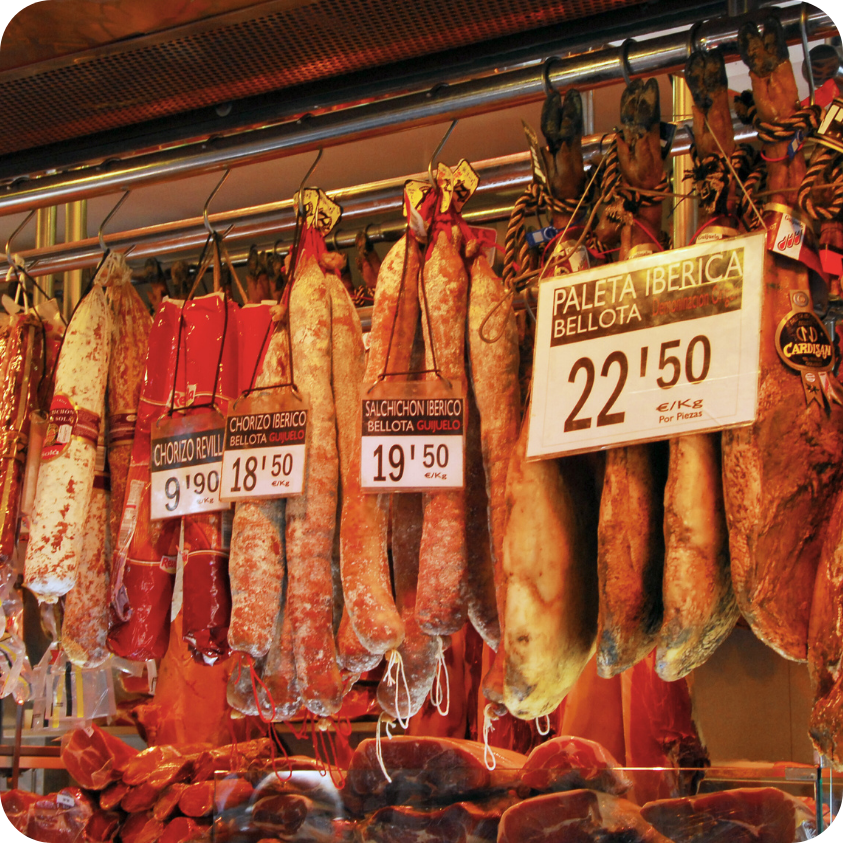
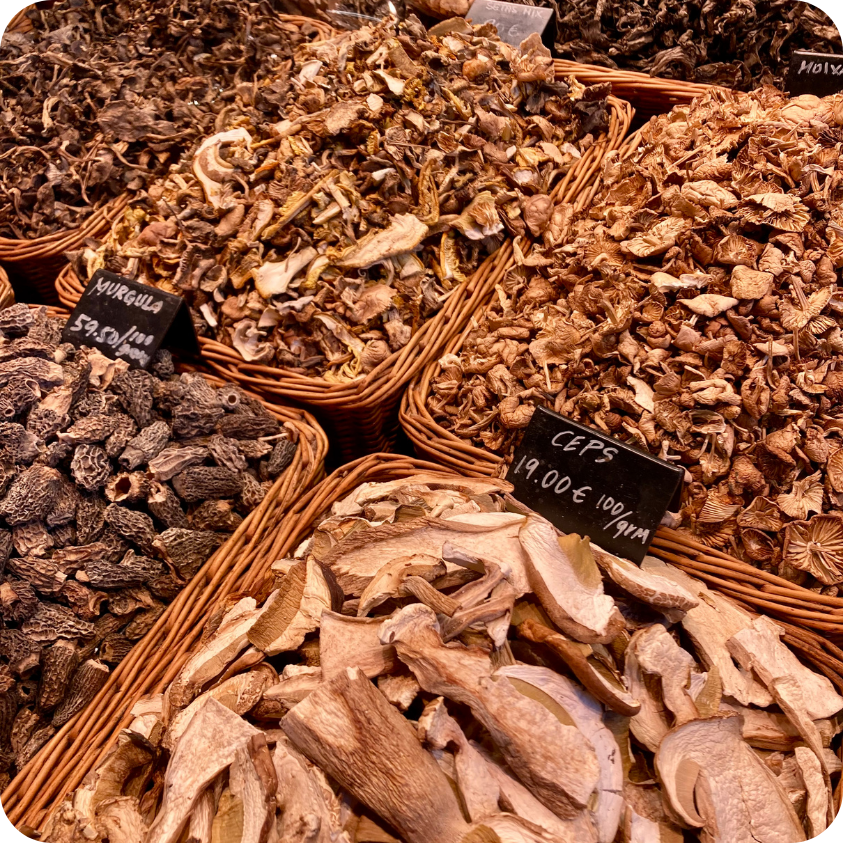
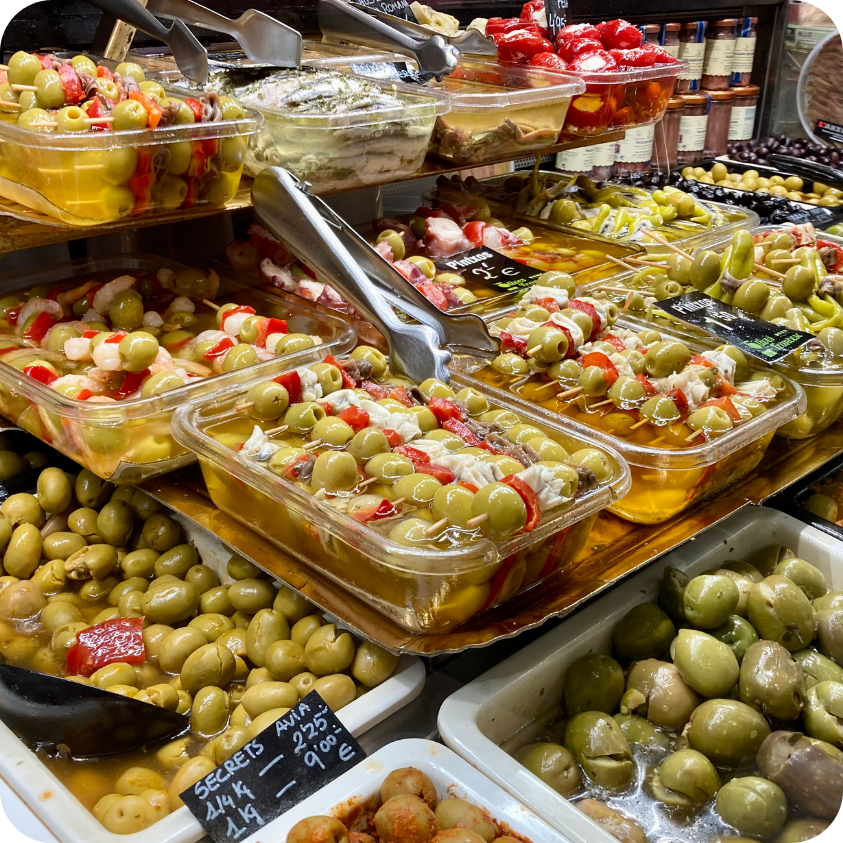
If you’re looking for inspiration, here is a short Barcelona tapas guide to help you shape your own self-guided tapas trail. You can begin right next to the Gothic Quarter at Bar Cañete on Carrer de la Unió, where you can try classics like the famous Barceloneta bomba or their cod fritter, especially with a glass of vermouth. From there, take a short stroll toward El Born and stop at Bar del Pla on Carrer de Montcada for their croquettes and patatas bravas, both excellent with a glass of Xarel·lo. Continue deeper into the same neighborhood until you reach El Xampanyet, a beloved bodega known for its house sparkling wine and a counter full of salty snacks. Their marinated anchovies, tortilla slices and simple but irresistible cheese plates make it an ideal final stop before the evening unfolds.
Barcelona’s Wine Scene
Wine holds the same place in Catalan life as food does, woven into everyday moments rather than reserved for special occasions. Winemaking here is rooted in long-standing traditions, yet many producers explore organic and biodynamic methods, reviving old practices and native grape varieties in fresh ways. The landscape adds to this diversity: the scenery shifts from coastal hills to quiet inland valleys and rocky mountain slopes, creating countless microclimates. As a result, Catalan wines range from bright, mineral whites to powerful reds, lively rosés and the sparkling bottles the region is known for.
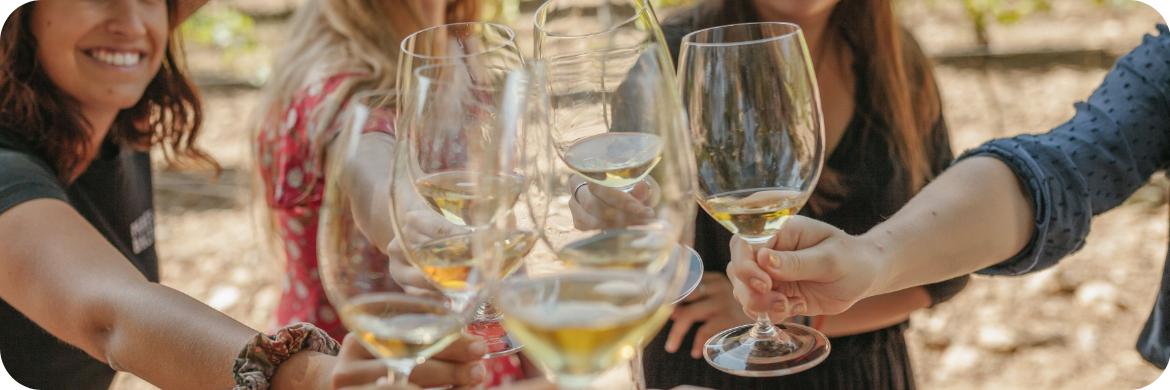
Parés Baltà Winery in Penedès
Key wine regions near Barcelona
Each region brings something different:
- Penedès stretches across gentle hills not far from the sea, with warm days, cool nights and a mix of limestone and clay soils. These conditions suit native white grapes like Xarel·lo, Macabeu and Parellada, which give wines with bright acidity and clean, citrus-driven flavors. This is also the heart of Cava, where sparkling wines tend to feel crisp and refreshing.
- Priorat lies deeper inland and feels completely different. Its vineyards climb steep, dark slate soils that hold the heat and create concentrated, bold reds. Garnatxa and Carinyena dominate here, producing wines with rich fruit, spice and a distinct mineral edge that comes directly from the rocky soil.
- Empordà, closer to the northern coast, balances sunshine with steady winds from the Mediterranean. Sandy and granite soils help produce lighter reds, fresh whites and expressive rosés. Native grapes like Garnatxa Roja and Carinyena Blanca thrive in this climate, giving wines that feel lively, aromatic and slightly saline, shaped by sea breezes.
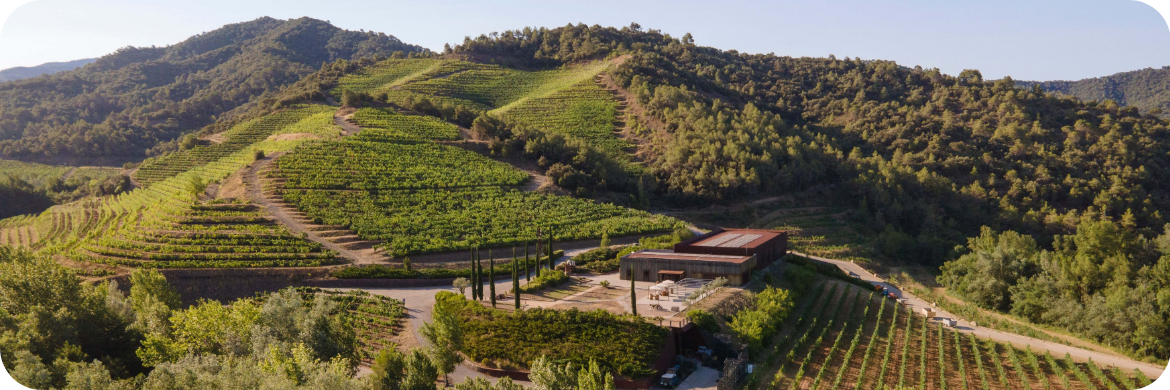
Perinet Winery in Priorat
A day spent visiting vineyards is one of the most rewarding ways to experience Catalonia’s wine culture. Many vineyards are close enough: a Penedès wine tour becomes the most convenient option, lying just 40-50 minutes from Barcelona, while Priorat and Empordà are about 1 hour 30 minutes away and offer a journey that’s slightly farther but equally rewarding. You can reach them by car, train or bus, and many organized tours include transport if you prefer not to plan the route yourself. A typical visit starts with a walk through the vines, followed by a guided look at the cellars and a tasting that often comes with local cheeses, olives or simple tapas. Some wineries let visitors sample different styles side by side or try limited bottles not sold outside the estate. It’s a slow, unhurried experience that takes you to where the wines are made, among the people who shape them.
For those who’d rather stay in the city, Barcelona has plenty of wine bars where you can explore local styles without leaving town. Most of these wine bars are clustered around El Born, making it easy to try more than one in an evening. El Diset offers a strong selection of Catalan wines by the glass. Bar Brutal focuses on natural wines and has one of the city’s most interesting lists. These bars are easy places to spend an evening, try something new and get a sense of how wine fits into everyday life here.
Wine Tours Near Barcelona Worth Discovering
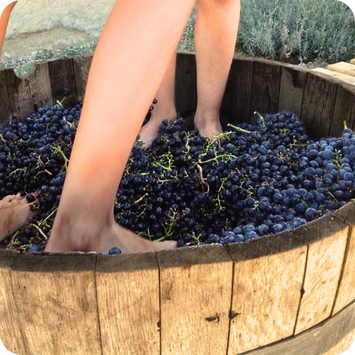
Experience the full harvest day – grape picking, traditional stomping and a guided tasting in Penedès.
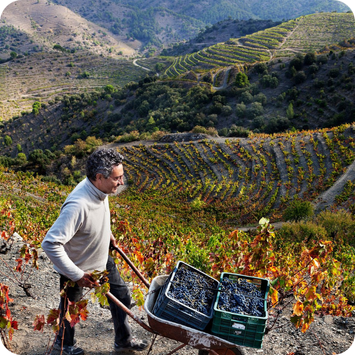
Discover the impressive slopes of Priorat – mountain vineyards, village walks and tastings at boutique wineries.
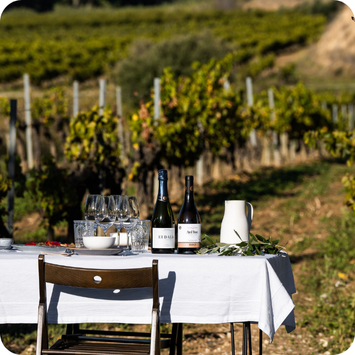
Enjoy a slow morning in Penedès – a private organic vineyard tour, premium tasting and a countryside brunch.
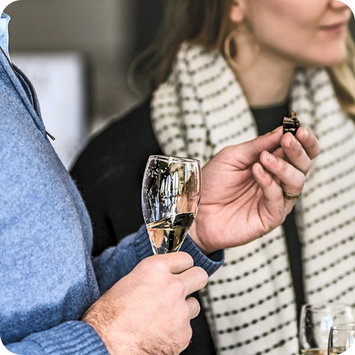
Indulge in the region's sweetest pairing – sparkling Nadal wines matched with artisan chocolate in a historic cellar.
Iconic Dining Experiences
Barcelona’s dining scene is known for its range: from simple neighborhood bars to some of the best restaurants in Barcelona. For travelers looking to explore the city through its most refined tables, several Michelin-starred restaurants in the Eixample district stand out. Lasarte offers precise, elegant cooking built on seasonal produce. Moments, led by chef Carme Ruscalleda and her son Raül Balam, is known for dishes that play with Catalan flavors in thoughtful, modern ways. Disfrutar, one of the city’s most talked-about restaurants, is famous for its creative tasting menus that feel surprising.
Not every memorable meal has to be formal. Neighborhoods like Gràcia and El Born are filled with busy, welcoming eateries where the focus is on good food and a relaxed atmosphere. For example, in Gràcia, La Pubilla stands out for its seasonal cooking and warm local vibe. In El Born, Cal Pep brings a livelier energy with a fast-paced counter, fresh seafood cooked to order and small plates served with a spontaneity that suits the area.
For something more old-school, Barcelona’s bodegas and vermuterías offer a look at the city’s older dining traditions. A good example is the tiny tavern-style bar La Vermu in Gràcia, which thrives on vermouth served with classic snacks and the genuine atmosphere. Bodega Quimet in the same district keeps things simple: a small room lined with old barrels, a house vermouth poured without fuss and a few straightforward snacks that feel exactly right for the place.
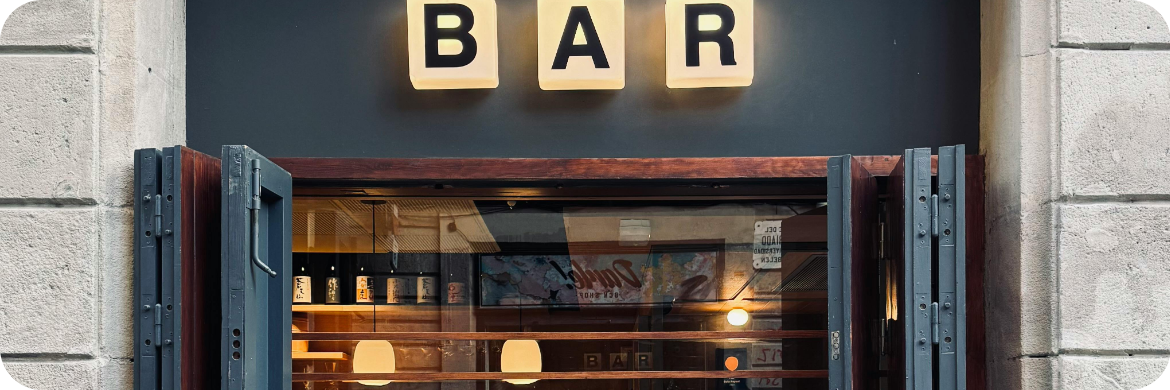
In recent years, the city has also seen a rise in sustainable and farm-to-table dining. More restaurants now work directly with small producers, reduce food waste and use seasonal ingredients whenever possible. The result is a dining scene that feels transparent and closely connected to the region’s growers and fishermen. Whether in a Michelin-starred dining room or a small local bistro, this approach brings more thoughtfulness to the dishes served across the city.
Food & Wine Experiences You Can’t Miss
This city offers countless ways to dive deeper into its flavors, and some experiences make the city feel especially close and welcoming.
Cooking classes are one of them. Many local chefs open their kitchens to visitors who want to learn how to prepare Catalan classics. Most workshops take place in small studios where the ingredients are set out and ready to use, so guests can focus on the fun part – chopping, stirring and cooking under the chef’s guidance. The atmosphere is relaxed and hands-on, with simple techniques that feel easy to repeat at home. At the end, everyone sits down together to taste what they’ve made, turning the class into a shared, memorable meal.
Cava tastings are especially popular, with local wine schools, wine bars and the wineries of Penedès offering guided sessions that explain how the region’s sparkling wine is made. Guests usually try several styles: from lighter, citrus-driven bottles to richer, longer-aged examples.
Wine-and-cheese workshops are another favorite. These tastings often feature local cheeses like Garrotxa or Tou dels Til·lers paired with Cava, Xarel·lo or a soft red from Penedès, with hosts explaining how the pairings work and why certain flavors fit so naturally together.
Food walking tours are a great choice if you want something more active, guiding travelers through the city’s quieter corners. These tours often take place in neighborhoods like Gràcia, El Born or Sant Antoni, where guides stop at small bakeries, family-run shops, bodegas and market stalls. Along the way, guests taste things they might not discover on their own: special pastries, local olives, regional sausages or a glass of vermouth poured at a standing bar.
Food & Wine Experiences Worth Booking
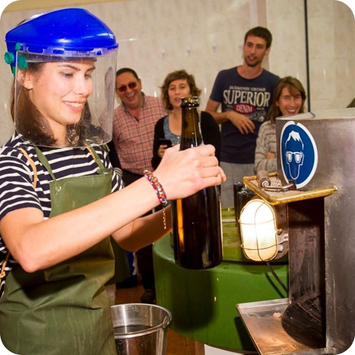
Craft your own sparkling souvenir – a hands-on workshop where you design, disgorge and cork your personal bottle of Cava.
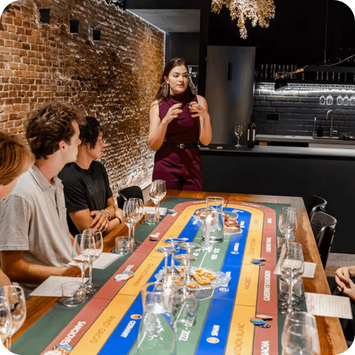
Step into a wine-casino game – a blind tasting challenge with friendly competition and guided exploration.

Sail along the Mediterranean –
a luxury boat trip from Barcelona followed by a private vineyard tour and tasting.
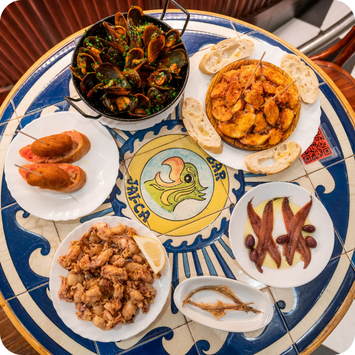
Taste the city through its markets – a guided walk through Barcelona’s stalls, tapas bars and local gourmet stops.
Practical Tips for Your Visit
- Booking essentials. Many travelers choose organized tours, but it’s just as easy to book individual workshops or tastings directly through platforms like WineTourism.com, where experiences are listed with clear details and availability.
- Best time to join. Weekdays are usually calmer than weekends, and mornings work best for market-based experiences when everything is freshest. For tastings, early evening tends to be the most enjoyable time as the day cools down and palates aren’t tired yet.
- Local etiquette. Locals appreciate curiosity: asking questions, tasting at your own pace and showing interest in products rather than rushing through the experience. Most guides and hosts are used to visitors from all backgrounds, so the atmosphere stays relaxed and welcoming.
- Group size matters. Smaller groups mean more interaction with guides and producers. If you prefer a quieter, more hands-on experience, look for workshops limited to 8-12 people.
- Dietary requests. Many cooking classes or food tours can adapt menus for vegetarians or allergies, but it’s best to mention this during booking so hosts can prepare in advance.
- Language & communication. Most experiences are available in English, though some smaller bodegas operate mainly in Spanish or Catalan. If language is a concern, it’s worth checking in advance.
Seasonal & Festival Experiences
Barcelona’s food culture becomes even more vibrant when the city marks its seasonal traditions. Throughout the year, festivals and local events bring a different kind of energy to the city, turning food into part of the celebration.
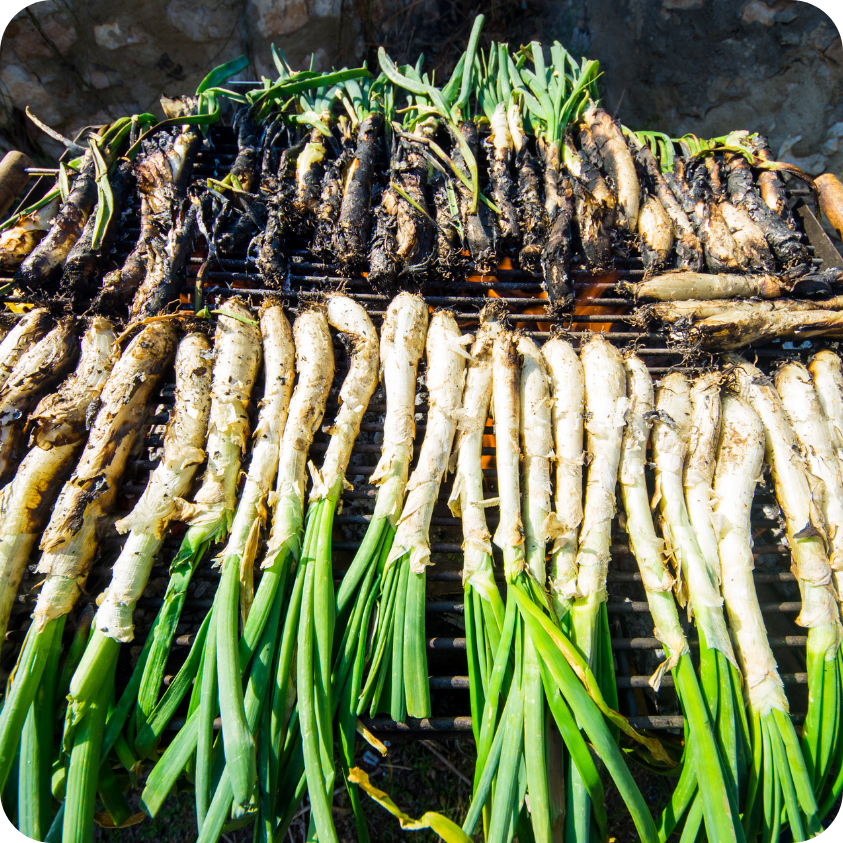
From January to April, the Calçotada season fills local towns with the scent of grilled calçots – long and tender green onions cooked over open flames and dipped into a rich romesco sauce. Meals are usually shared at long tables, with piles of roasted vegetables, grilled meats and plenty of local wine. It’s a messy, fun tradition that feels both rustic and joyful, and many travelers plan their visits specifically to experience it.
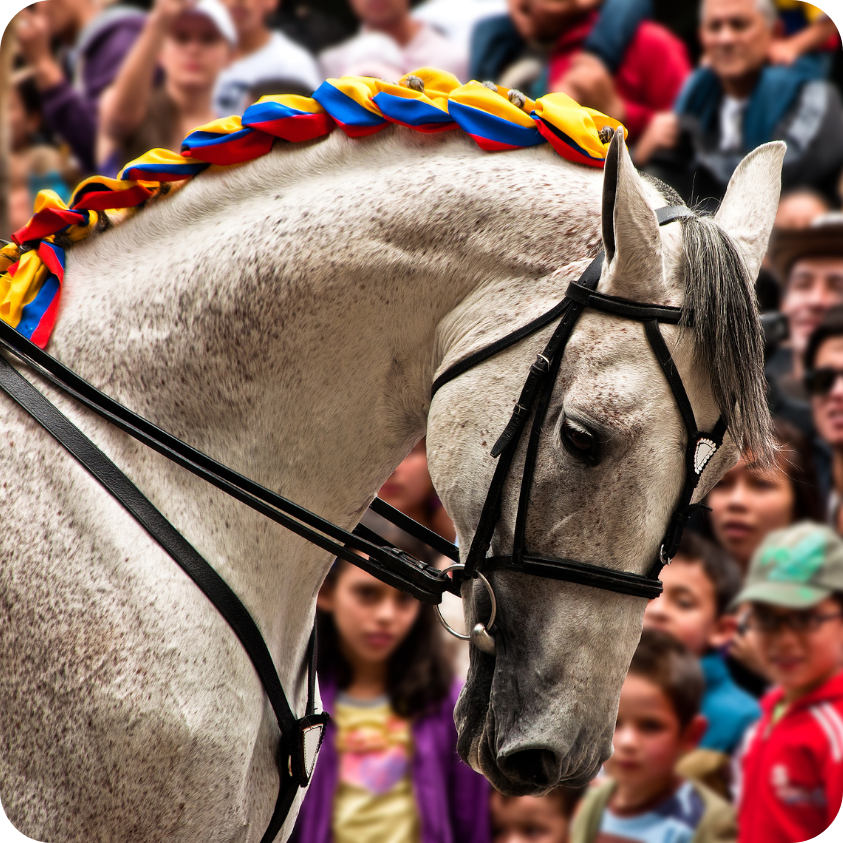
In March, the Sant Medir Festival brings a sweeter mood. Parades of horses and decorated wagons move through the Gràcia district, tossing sweets to the crowd. It’s a lighthearted event built on neighborhood pride and the nostalgia it evokes for locals.
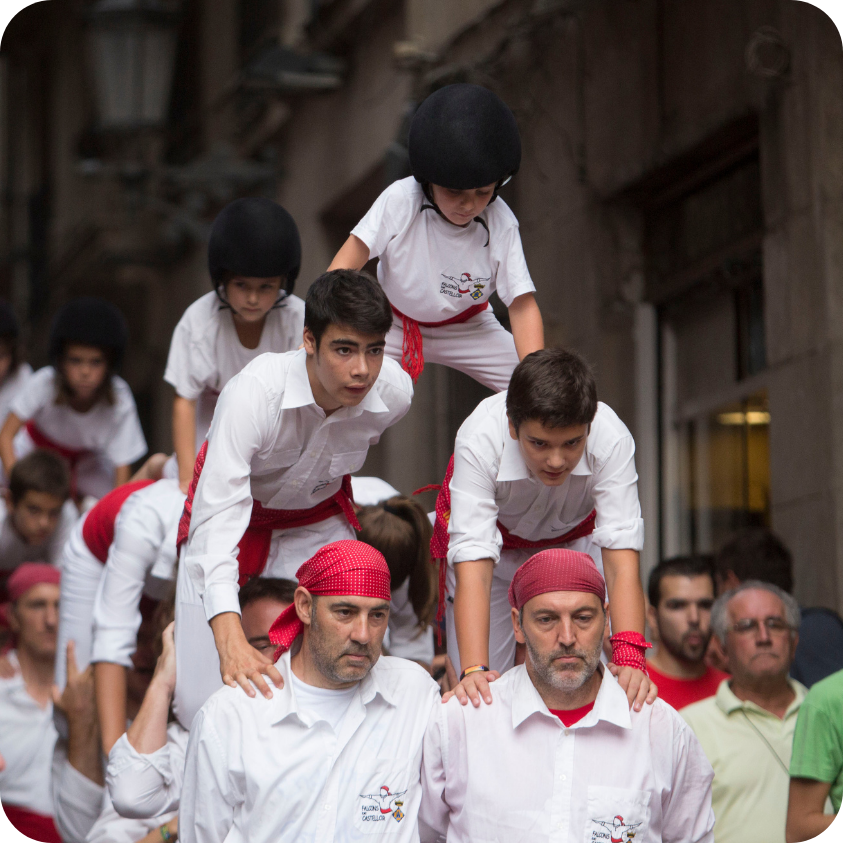
By September, the city shifts into full celebration mode for La Mercè Festival. Plazas fill with live performances, street parades and stalls offering regional dishes and local wine. It’s a lively moment to try everyday Catalan flavors in an energetic setting.
For wine lovers, early autumn brings another highlight: harvest season. Between September and October, vineyards across Penedès, Priorat, Empordà and other wine regions near Barcelona welcome visitors for tours, tastings and harvest-themed activities. It’s one of the best times to visit the countryside, when the weather is mild and the landscape shows its most vivid colors.
A Final Note on Barcelona’s Flavors
The best way to get to know Barcelona is often through what you taste: from market stalls and tapas counters to Michelin-starred restaurants and quiet neighborhood bars. The mix of traditional Catalan cooking, inventive modern kitchens and world-class wines makes the city a must-visit destination.
Some places are famous for a reason and belong in any food-focused trip. This guide also leads you toward the smaller spots that give Barcelona its real charm: the little corners, family-run spots and local favorites that often stay out of the spotlight. Exploring both sides of the city makes the experience richer and shows just how wide its food and wine culture really is.
Book your next unforgettable food and wine adventure in Barcelona today.