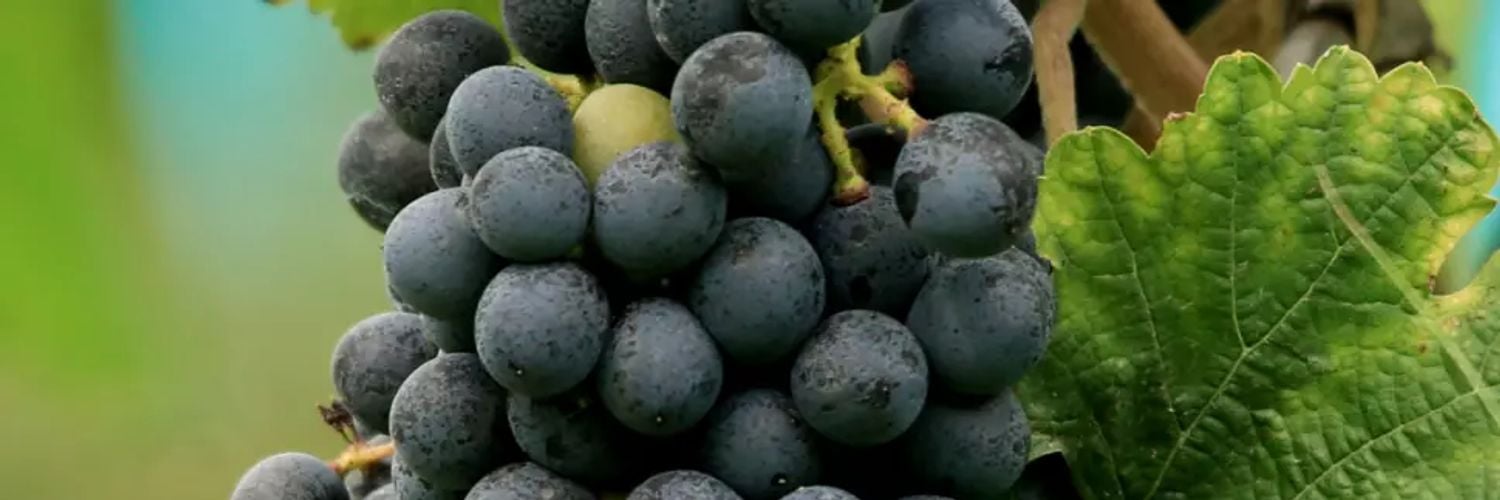

From Kakheti to the World: The Story of Saperavi
Deep, dark, and unapologetically bold, Saperavi is more than just Georgia’s most iconic red grape—it is a living link to one of the world’s oldest wine cultures. Born in the Caucasus and shaped by thousands of years of winemaking tradition, Saperavi delivers wines of remarkable color, structure, and soul. Today, this ancient grape is no longer confined to its homeland; it has begun to capture the imagination of winemakers and wine lovers across the globe. If you love powerful reds with history in every sip, Saperavi is a name you should absolutely know.

Origin & Historical Context
Origin: A Grape from the Birthplace of Wine
Saperavi is indigenous to Georgia, a country widely celebrated as the cradle of wine, where archaeological evidence of winemaking dates back over 8,000 years. Its name, Saperavi, literally means “to dye” or “to paint,” a poetic nod to one of its most defining features: intensely pigmented flesh and juice.
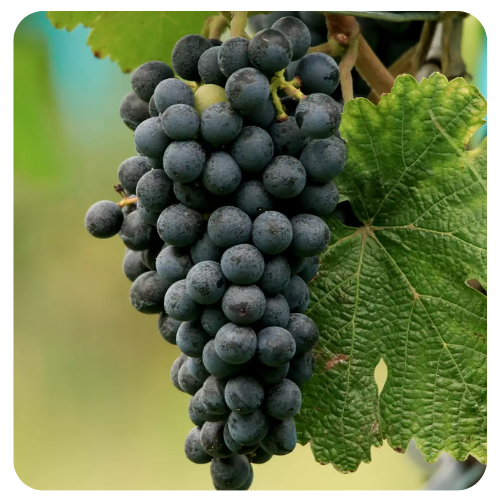
Unlike most red grapes, Saperavi is a teinturier grape, meaning both its skin and flesh are red. This rare trait gives Saperavi wines their famously deep, inky color—often so dark they seem to stain the glass.
Historical Spread Beyond Georgia
Saperavi’s heartland lies in Kakheti, eastern Georgia’s premier wine region. From there, the grape gradually spread across Eastern Europe, finding homes in Moldova, Ukraine, Bulgaria, and Russia during the 19th and 20th centuries.
In more recent decades, Saperavi has traveled even farther. Adventurous winemakers in Australia and the United States, particularly in cooler regions like the Finger Lakes of New York, have begun to explore its potential, proving that this ancient grape can thrive well beyond its native soil.
Viticulture & Wine Style
Growing Conditions
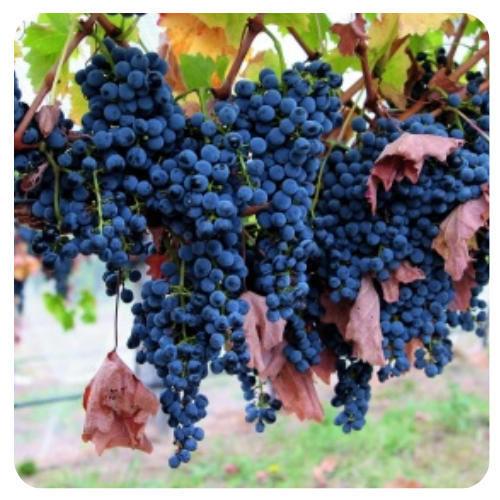
Saperavi is a resilient variety that thrives in continental climates with hot summers and cold winters. It is a late-ripening grape, demanding patience from growers but rewarding them generously at harvest.
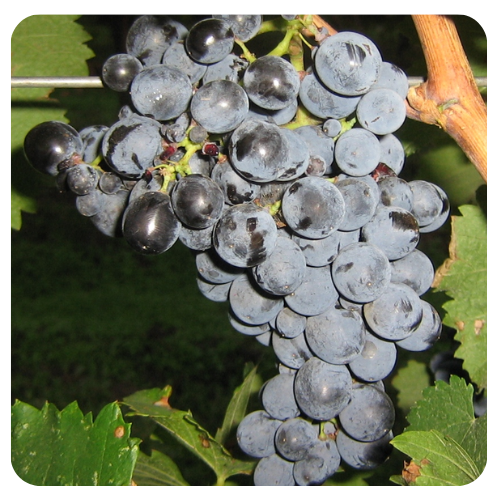
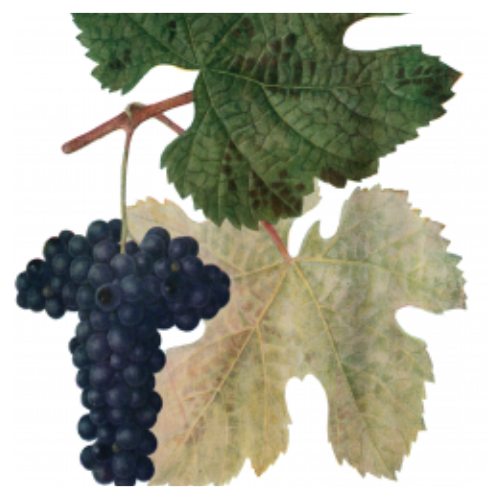
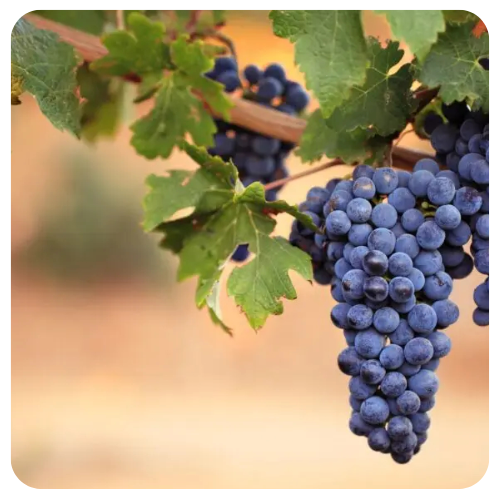
The vine produces small, thick-skinned berries packed with acidity, tannin, and color. These natural characteristics make Saperavi especially suitable for long aging and for traditional winemaking techniques that emphasize structure and longevity.
Wine Characteristics
Saperavi wines are typically full-bodied and powerful, yet balanced by vibrant acidity. Expect flavors and aromas of:
- Blackberry, black cherry, and ripe plum
- Spices like black pepper and clove
- Earthy, smoky, and sometimes leathery notes
The tannins are firm and gripping, giving the wines excellent aging potential—some Saperavis can evolve beautifully for decades.
One of Saperavi’s great strengths is its versatility. It can be vinified in modern stainless steel or oak barrels, or crafted using Georgia’s ancient qvevri method, where wine ferments and ages in large clay amphorae buried underground. Each approach reveals a different face of the grape, from polished and international to raw, earthy, and deeply traditional.
Global Map: Where Saperavi Is Grown
Instead of a map, let’s take a journey through Saperavi’s key regions and styles:
Georgia: The Spiritual Home
Kakheti – The epicenter of Saperavi production
- Mukuzani: Structured, oak-aged, and age-worthy
- Kindzmarauli: Naturally semi-sweet and lush
- Akhasheni: Soft, round, and fruit-forward
- Napareuli: Elegant, balanced, and terroir-driven
Eastern Europe
- Moldova & Ukraine – Often produce robust, fruit-driven styles
- Bulgaria & Russia – Cooler climates emphasize acidity and structure
New World Explorations
- Australia – Ripe, powerful expressions with bold fruit
- USA (Finger Lakes) – Fresher, more restrained styles with high acidity
Where to taste Exeptional Saperavi in Georgia
For travelers and wine lovers eager to experience Saperavi at its source, these Georgian wineries offer outstanding examples and authentic hospitality:
Sesikeli Winery A boutique producer focused on expressing Kakheti’s terroir through carefully crafted Saperavi wines that balance tradition with precision.

Inavarde Wines (Kvareli, Kakheti) Located near the dramatic Caucasus foothills, Inavarde produces elegant, terroir-driven Saperavis that showcase purity of fruit and regional character.

Ghvardzelashvilis Marani A family-run marani (wine cellar) dedicated to traditional Georgian winemaking, including qvevri-aged Saperavi with deep cultural authenticity.

Kardanakhi Estate. Known for refined wines and a strong sense of place, this estate produces Saperavi that highlights Kakheti’s historic winemaking heritage.

Tedo’s Marani. A cult favorite among natural wine enthusiasts, Tedo’s Marani crafts expressive, soulful Saperavis using ancestral methods and minimal intervention.
Saperavi is not just a grape—it is a storyteller. It speaks of ancient clay vessels buried in the earth, of sun-soaked valleys in Kakheti, and of a culture where wine is inseparable from identity. As Saperavi continues its journey from Georgia to the world, it offers wine lovers something increasingly rare: authenticity, depth, and a profound sense of history in every glass.
Whether you discover it in a traditional Georgian cellar or a modern winery halfway across the globe, Saperavi promises an unforgettable experience—dark, bold, and beautifully timeless.


