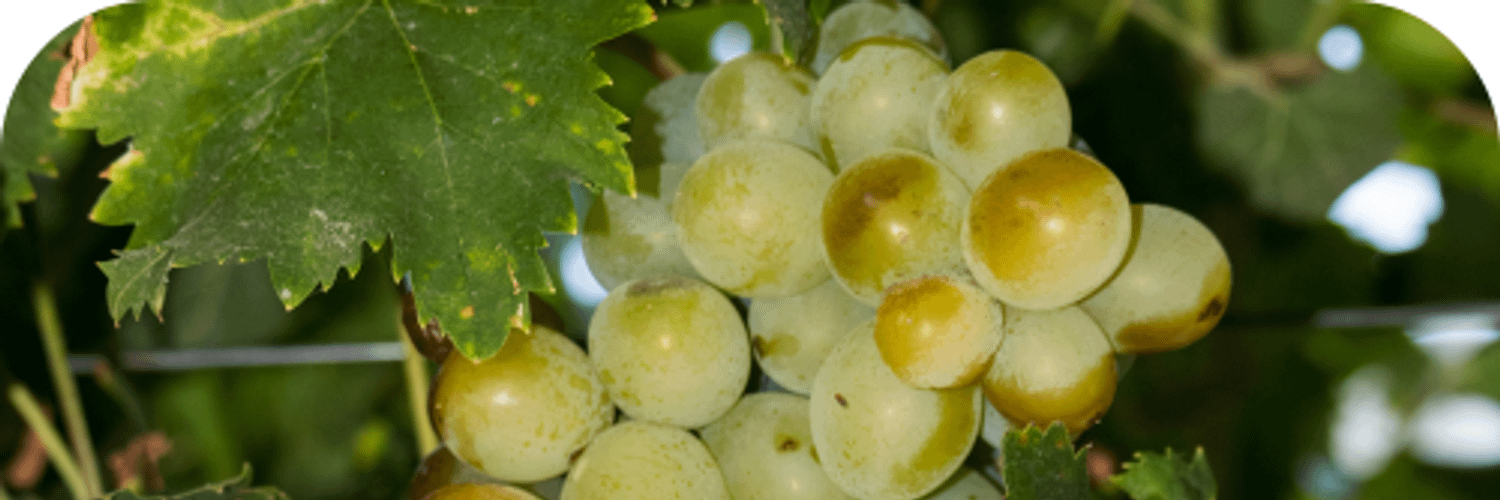

Muscat wine, renowned for its distinct and aromatic profile, stems from the Muscat grape family. With origins dating back to ancient times, Muscat wines encompass a captivating array of styles, from dry to sweet. Their hallmark is the unmistakable floral and fruity bouquet, often exuding notes of citrus, peach, and orange blossom. Muscat wines are celebrated for their versatility, harmonizing elegantly with a wide range of cuisines and occasions. Whether enjoyed as a crisp aperitif or a luscious dessert wine, Muscat offers a sensorial journey that is both alluring and timeless.

Where is Muscat grape from?
The Muscat grape, originating from ancient Greece, holds a global presence in the viticultural landscape. Its roots trace back to various regions around the Mediterranean, including Greece, Italy, and France. While historically cherished in Europe, the Muscat grape has ventured into New World wine regions like Australia, South Africa, and the United States.

Interesting story about Muscat
The name "Muscat" is derived from the Latin word "muscus," which means musk. This name reflects the grape's distinctive musky aroma. As it spread through trade and exploration, it acquired various names in different countries, while its aromatic qualities remained a constant. These Muscat countries are:
- France: "Muscat" - Varieties like Muscat Blanc à Petits Grains and Muscat Rouge à Petits Grains.
- Italy: "Moscato" - Varieties include Moscato Bianco, Moscato Giallo, and Moscato Rosa.
- Spain: "Moscatel" - Used for wings like Moscatel de Valenca and Moscatel de Alejandria.
- Greece: "Moschato" - Found in wines like Muscat of Samos.
- Germany: "Muskateller" - Grown in regions like Pfalz and Rheinhessen.
- South Africa: "Hanepoot" - Commonly used in dessert wines.
- Australia: "Muscat" or "Brown Muscat" - Used for fortified wines like Muscat and Topaque.
- Portugal: "Moscatel" - Found in sweet, fortified wine like Moscatel de Setubal.
Muscat grape characteristics
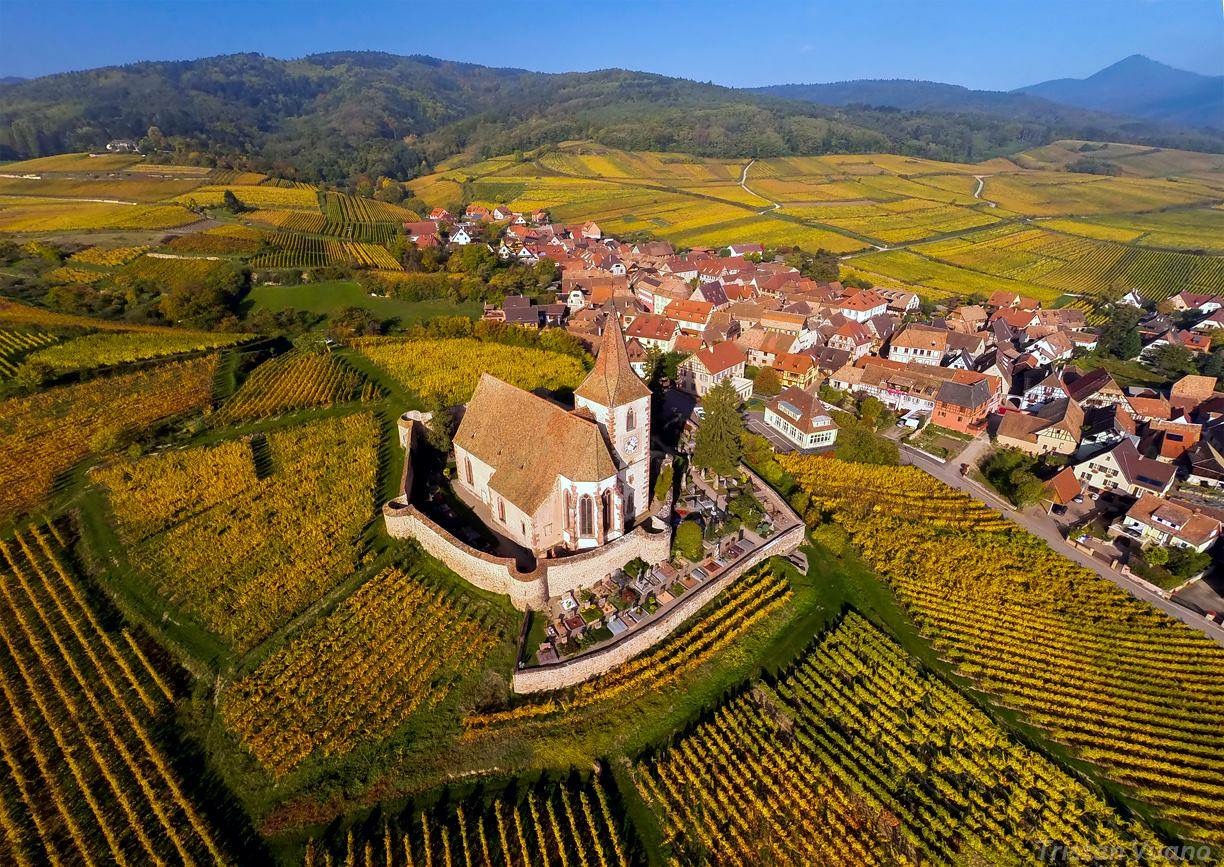
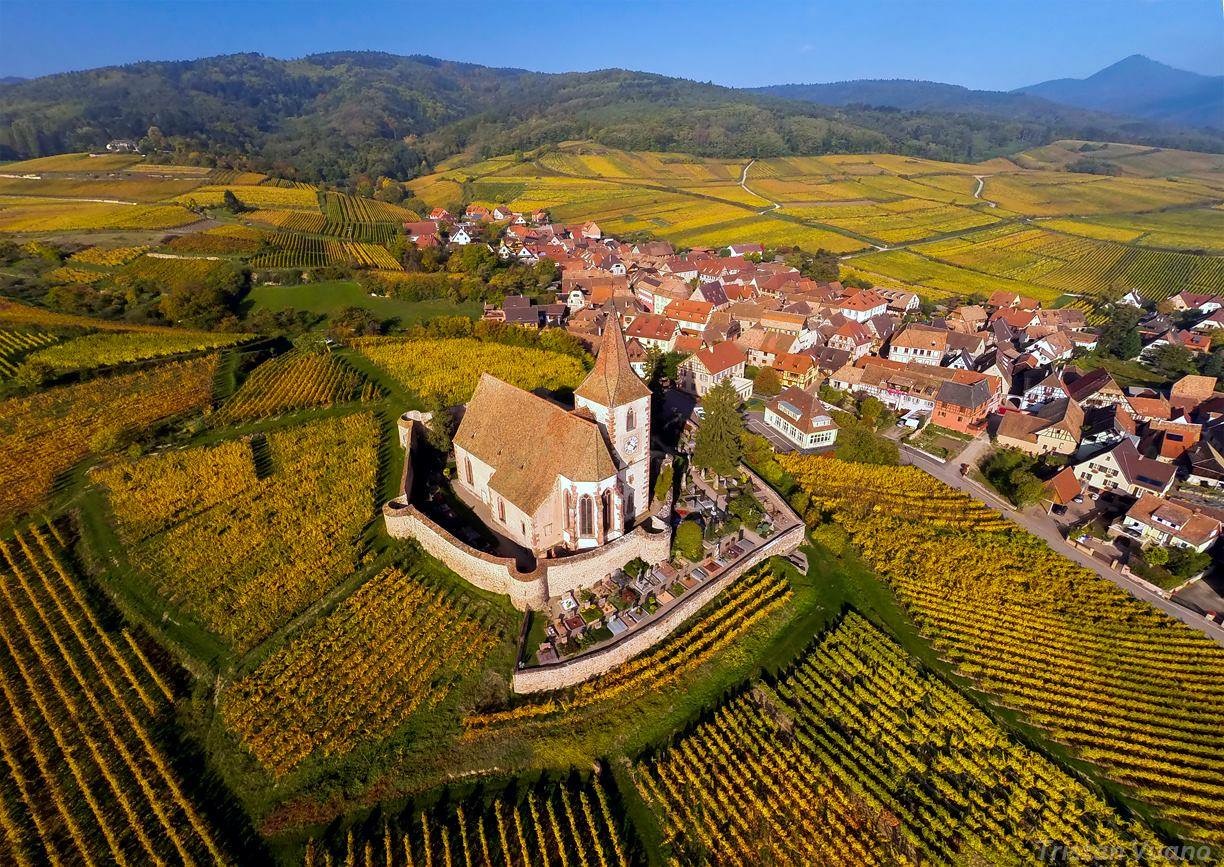
The Muscat grape is highly adaptable to a range of terroirs, but it generally thrives in warm, Mediterranean-like climates. It prefers well-drained soils with good exposure to sunlight, which helps in the development of its aromatic compounds. The grapevines can adapt to various soil types, from limestone to sandy soils. Ideal regions where Muscat grape thrives include Alsace in France, Penedes, Piedmont in Italy, Setubal in Portugal, Piedmont in Italy and California's Central Valley. In these areas, ample sunlight helps the grape develop aromatic richness, yielding expressive and aromatic wines that capture Muscat's floral and fruity qualities.
Muscat wines
The Muscat grape produces a diverse range of wines, including dry whites, sweet dessert wines, sparkling wines, fortified wines, blends, aperitifs, and liqueurs. These wines highlight Muscat's aromatic and flavorful qualities, offering options from crisp dry wines to luscious sweet varieties and even unique blends and aperitifs.
Top Muscat wine tasting experiences

What to pair with Muscat wine?

Muscat wines pair well with a range of foods due to their aromatic and versatile nature. They are particularly suited for pairing with spicy or flavorful dishes such as Asian cuisine, curries, Thai dishes, and Middle Eastern fare. Additionally, they complement desserts like fruit tarts, sorbets, and pastries, making them an excellent choice for both appetizers and desserts.
Where to find the best Muscat wines?
61f3d89b62dca.png)
Alsace
Here are some wineries in Alsace where you can taste the best Muscat wines: