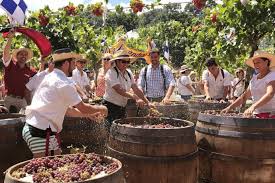
La Batalla del Vino (Battle of Wine / Haro Wine Fight) is one of the wine festivals that anchors the Rioja calendar, drawing both local visitors and international wine travellers each year. It is held at Riscos de Bilibio in Haro, in the heart of one of Spain's most distinctive wine areas. It returns each year as a recurring fixture in the regional wine calendar.
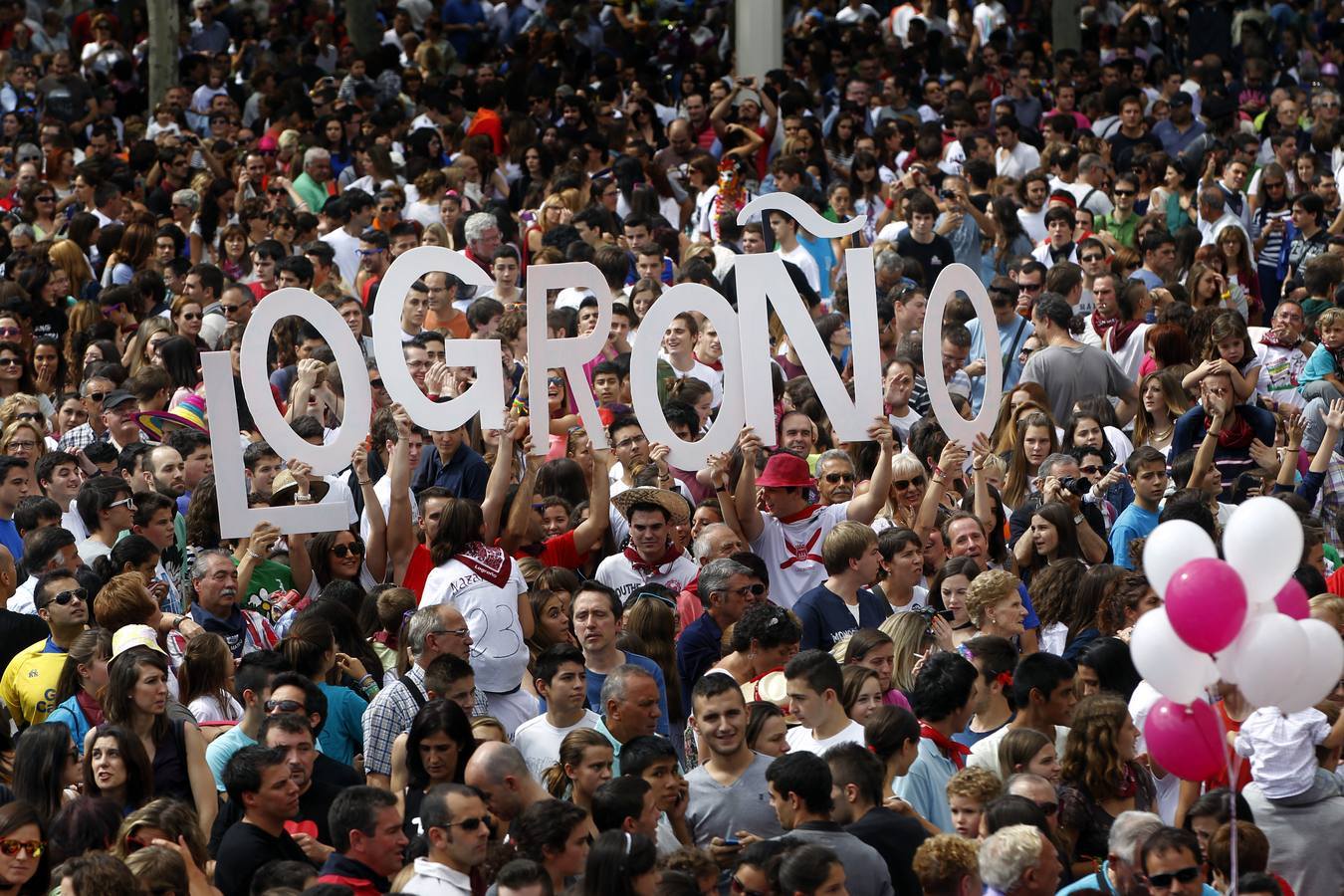
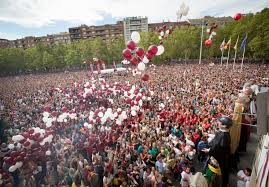
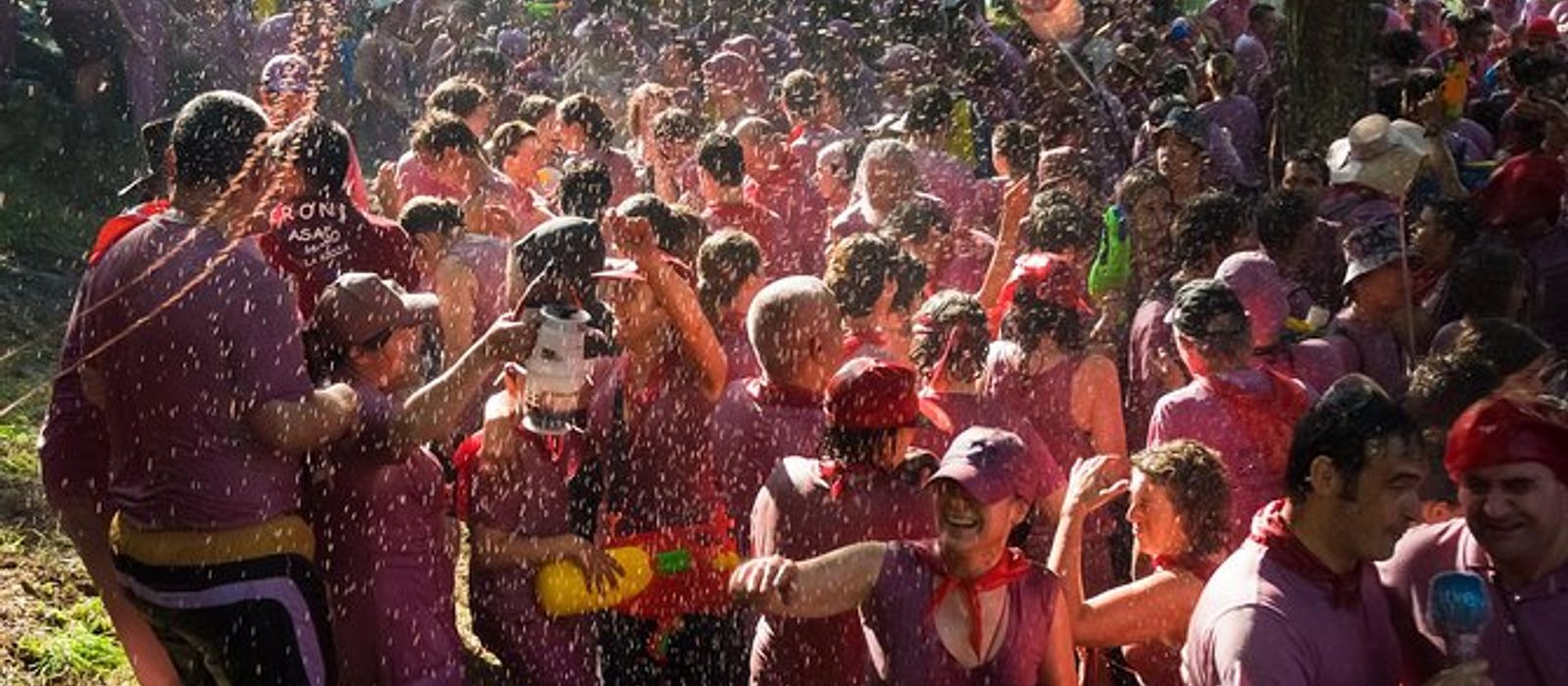
Thousands dress in white and throw red wine at each other on hillside. Wine used is DOCa Rioja surplus. Unique annual spectacle. Festival of National Tourist Interest. The Haro Wine Battle is one of Europe's most distinctive wine traditions: thousands of participants drench each other in red wine using buckets, water pistols and hoses on the slopes of the Riscos de Bilibio outside Haro every 29 June. The event is rooted in a centuries-old land dispute between Haro and the neighbouring village of Miranda de Ebro, formally documented since 1290. Modern editions draw both Spanish and international visitors, and the battle is preceded by a procession to the Hermitage of San Felices and followed by all-day celebrations in Haro's Plaza de la Paz with live music, dancing and tasting of Rioja Alta wines. The event is organised by Haro City Council / Brotherhood of the Battle of Wine, which sets the tone and direction of the programme each year.
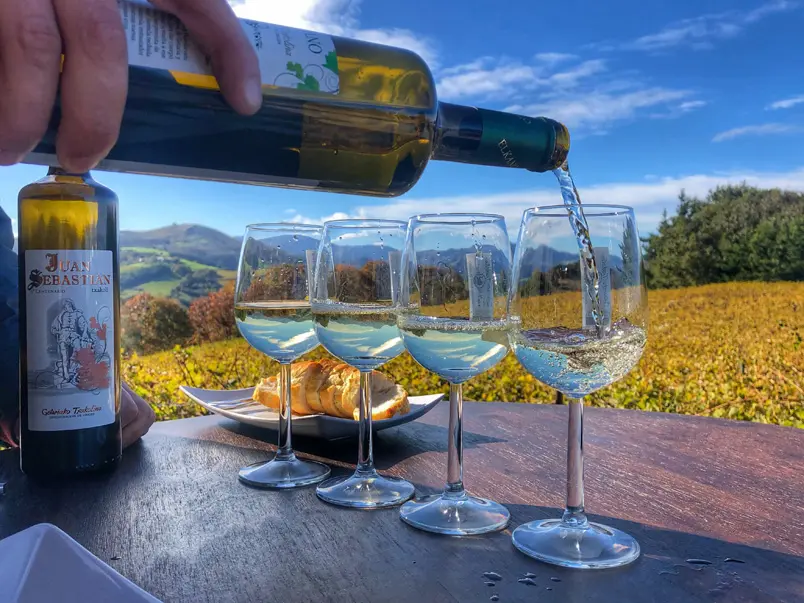
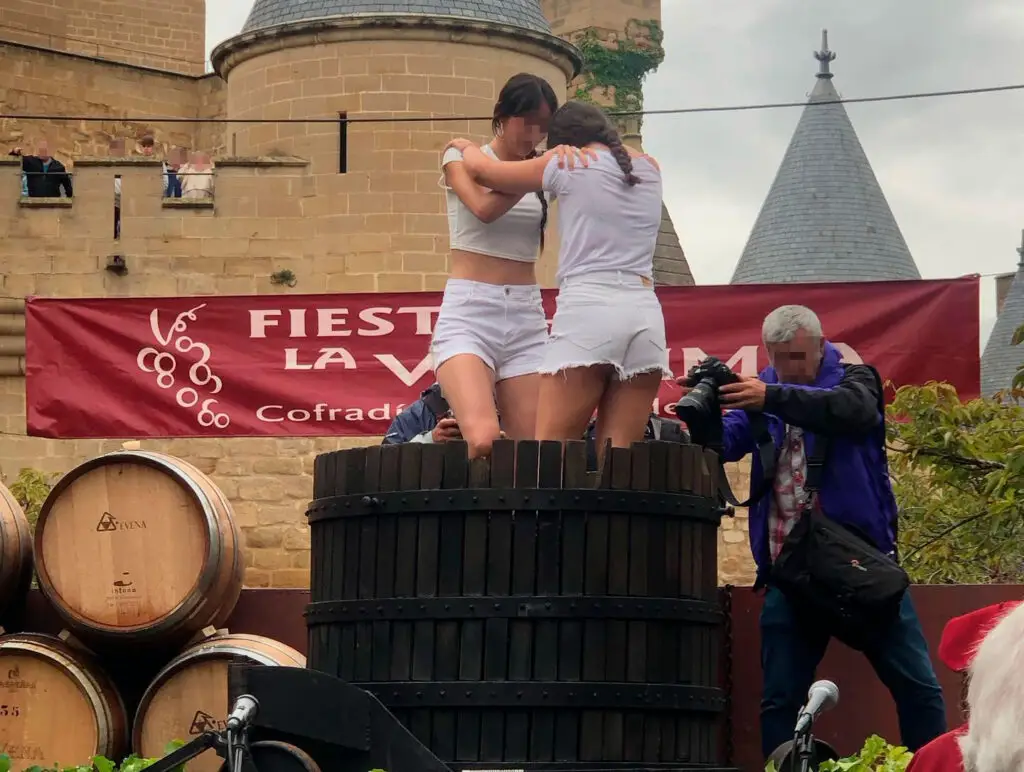
Rioja is Spain's most internationally-known wine region and one of only two Denominaciones de Origen Calificada (DOCa) — the country's highest classification. The region stretches along the Ebro Valley across three administrative areas (La Rioja, Basque Country and Navarra) and divides into three sub-zones: Rioja Alta, Rioja Alavesa and Rioja Oriental (formerly Rioja Baja). Tempranillo is the dominant grape, blended with Garnacha, Graciano and Mazuelo for the reds, with Viura the main white variety. The region's traditional ageing classification — Joven, Crianza, Reserva, Gran Reserva — has been adopted across other Spanish regions.
The 2026 edition is scheduled for 29 June 2026. Cost details are best confirmed directly with the organiser ahead of travel. Full programme, ticketing and updated information are published on the official site at spain.info/en/calendar/battle-wine/. Visitors are advised to check directly with the organiser for the latest schedule, as festival programmes are sometimes updated close to the event date.
Rioja is reached most easily via Bilbao or Madrid, with the high-speed AVE train connecting Madrid to Logroño in under 4 hours. Logroño is the regional capital and Haro the historic wine-trade centre, with the Barrio de la Estación neighbourhood concentrating many of the most-visited wineries (López de Heredia, CVNE, Bodegas Bilbainas, La Rioja Alta, Muga). Riojan cuisine pairs the wines with patatas a la riojana, lamb chuletillas grilled over vine clippings, white asparagus from Navarra, and the area's pintxos culture in Logroño's Calle Laurel.