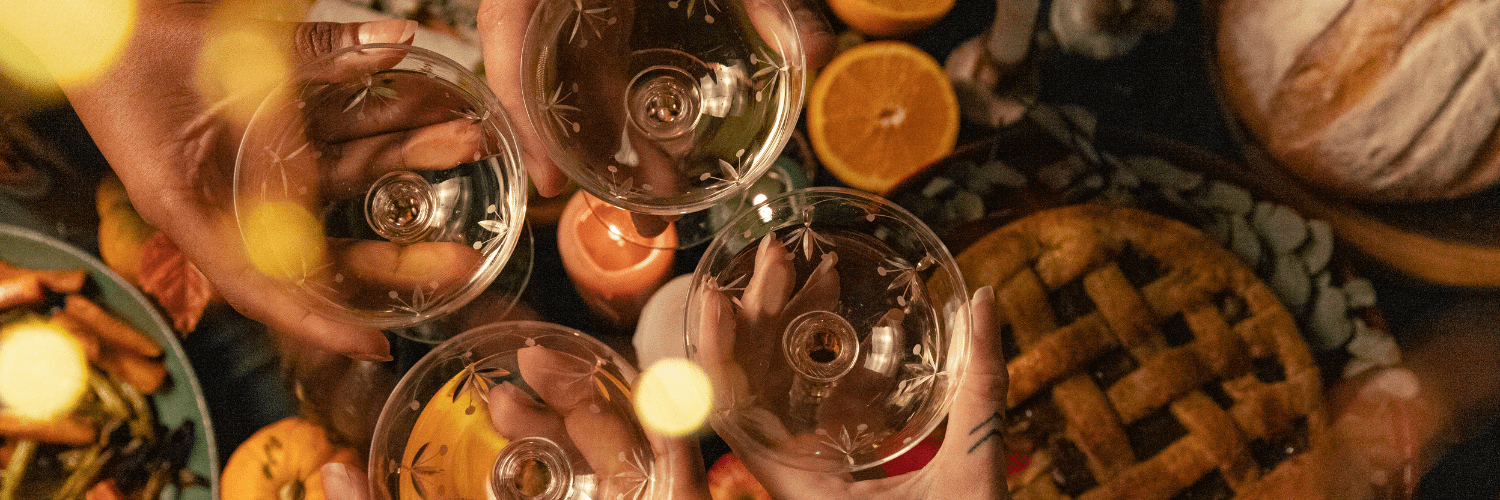

Winter often brings a mix of busy days and quiet evenings at home. People gather for holiday dinners and long weekends that brighten the colder months. Wine naturally becomes part of these moments, especially styles that feel fuller or more comforting. Winter celebrations call for something brighter, and sparkling wines often set a special tone, since festive occasions usually begin with bubbles and a sense of anticipation.
This guide brings together a range of the best winter wines that suit the season. There are bright traditional-method sparkling wines for holiday toasts, generous whites for relaxed dinners, and bold reds that work well with slow cooked dishes. Some people enjoy sweet wines when the temperature drops, while others reach for fortified styles during late nights with desserts or small plates. Each category offers something different for winter tables.
If you are selecting wines for the holidays or thinking about a small winter wine travel plan, this season can inspire you to explore the places where these bottles come from. Many producers welcome visitors even during the colder months, and tasting the wines on site often adds a different feeling to the experience. WineTourism.com helps you find these wineries around the world and plan a visit that leaves you with warm memories for the rest of the season.
Festive Sparkling Wines
Champagne & Traditional-Method Sparkling
Sparkling wines are among the most popular festive wines. They bring energy to the table and set a cheerful rhythm for gatherings that happen in December. Champagne and other traditional-method sparkling wines work especially well at this time of year, since their lively bubbles and layered aromas feel right for both quiet dinners and busy celebrations.
Champagne usually shows flavors of brioche and citrus, along with a gentle complexity that unfolds slowly in the glass. Traditional-method sparkling wines from other regions, like Franciacorta from Lombardy or Cava from Catalonia, share a similar structure, so they give a comparable sense of brightness and lift.
These wines also pair with many festive dishes. The crisp acidity works nicely with oysters, caviar and soft cheeses with white mold. It also complements parmesan crusted dishes, baked scallops or smoked salmon. Sparkling wine keeps the mood light and helps the meal begin with a pleasant, celebratory note.

Aromatic Winter Whites
Aromatic white wines fit the winter season as they have enough texture and flavor to stand beside richer food. They feel fuller than light summer whites, so they work well with creamy plates or meals with gentle spice. Many of these wines show warm notes that echo winter ingredients, and this makes them a steady part of the table when the weather turns colder.
Oaked Chardonnay
Oaked Chardonnay from Napa Valley is often the first style that comes to mind when people think of fuller winter whites. It shows gentle notes of vanilla or baked apple, and the buttery texture feels comforting on a cold evening. It pairs well with roast chicken, creamy mushroom pasta or a warm potato gratin.
Viognier, Gewürztraminer, Chenin Blanc (off-dry to sweet)
Other aromatic whites also work well in the colder months. For example, Viognier from Condrieu has a soft, floral character that stands out thanks to its peach and apricot notes. Gewürztraminer from Alsace brings lychee, rose and a touch of ginger that can remind you of winter spices. This makes it an easy match for seasonal dishes with a touch of sweetness or gentle heat. Off-dry or sweet Chenin Blanc from the Loire Valley shows notes of honey and ripe apple. It has a natural brightness along with a small amount of sweetness, so the wine feels generous without losing freshness.

Winter Reds: Bold, Spiced, and Warming
Winter red wines bring a deeper set of flavors that feel right for meals with more weight. Their dark fruits and spice can bring a warm depth to the glass that works especially well in winter. Many dishes carry spices, slow cooking or smokiness, and fuller reds handle these details with ease.
Syrah/Shiraz
Syrah from the Northern Rhône shows black pepper, blackberry and a smoky edge. The style feels concentrated yet balanced, so it works well with stews or roasted dishes like French cassoulet. Shiraz from the Barossa Valley in Australia brings riper flavors such as plum and black cherry along with clove, pairing well with beef brisket or spiced roasted pork.
Cabernet Sauvignon & Bordeaux Blends
Cabernet Sauvignon from Maipo Valley in Chile gives structure, depth and blackcurrant. These wines feel confident next to dishes with heavy textures like braised ribs or beef stew. Bordeaux blends from regions such as Médoc or Saint Estèphe have a more restrained style with firm tannins and layered fruit, and they match with duck legs cooked slowly until tender.
Zinfandel & Primitivo
Zinfandel from California often brings flavors of raspberry and black cherry along with mild spice that suits dishes with a sweet or savory touch like glazed pork. Primitivo from Puglia gives a similar richness and shows soft tannins along with notes of plum. It works well with eggplant baked with tomatoes and herbs.
Saperavi
Saperavi from Kakheti has an inky color and a bold, vivid taste with pomegranate or blackberry notes that stand out among winter reds. It is a natural match for foods like khinkali, grilled lamb skewers or meals with earthy ingredients like mushrooms. Its fullness makes it a strong addition to the winter table.
Sweet & Dessert Wines for Winter Evenings
Sweet and dessert wines often feel especially inviting in winter, when evenings tend to slow down and meals end on a warmer note. These wines bring concentrated fruit, sweetness and richness that fit the pace of the season. They can be served with a light dessert or enjoyed on their own, as their sweetness and acidity feel complete enough to finish a meal on a pleasant note.
Ice Wine (Eiswein)
Ice wine from Germany’s Mosel is made from grapes pressed while still frozen, which gives the wine a bright sweetness. It often shows notes of apricot, peach and honey. A small glass works well with dishes like apple tart or blue cheese.
Sauternes & Late Harvest Styles
Sauternes from Bordeaux and late-harvest wines from regions such as Alsace or Washington State often show honey, apricot and marmalade. These wines pair well with desserts like crème brûlée, where the caramel top complements the wine’s honeyed character.
Tokaji
Tokaji from Hungary is known for its vivid sweetness balanced by lively acidity. The wine often shows apricot, orange peel and a saffron note that makes it stand apart from other sweet styles. It works well with desserts such as Hungarian walnut cake, since the wine’s acidity helps balance the dense, nutty texture.

Fortified Wines: The Heart of Winter
Fortified wines bring steady intensity that suits the slower pace of winter evenings. Even a small pour feels complete, so these wines often appear at the end of a meal or during moments when something fuller seems right. They follow the same idea as sweet wines: you can enjoy them with simple desserts or nuts, or you can drink them on their own, since the style already feels rounded without anything beside it.
Port
Port from Portugal’s Douro Valley comes in several styles that suit different winter moments. Ruby Port shows bright cherry and plum with a more youthful taste, while Tawny Port brings caramel, dried fig and toasted nuts from its longer aging. Vintage Port is deeper and more structured, with dark berries and firm tannins that soften slowly over time. These wines work well with dishes like dark chocolate cake or aged cheeses.
Madeira
Madeira from Portugal’s island of the same name offers a distinctive mix of acidity and caramelized flavor. Depending on the style, you may find notes of walnut, burnt sugar or dried citrus, and the wine stays fresh because of its natural sharpness. It pairs well with desserts such as gingerbread or nut based pastries.
Sherry (PX, Oloroso, Amontillado)
Sherry from Spain’s Jerez region comes in many forms that show different expressions of sweetness, structure and spice. Pedro Ximénez is the sweetest style of Sherry, with notes of raisin and molasses. It feels great with ice cream or simple chocolate desserts. Oloroso has a drier, nutty profile with walnut and dried fruit notes that suit dishes like roasted almonds or savory pastries. Amontillado sits between the two, with hazelnut, dried apricot and dried fig that suit savory pies or roasted mushrooms.
Wineries such as Quinta Do Tedo in Portugal or Bodega De Mora in Spain welcome visitors who want to explore fortified styles at their source. Many producers listed on WineTourism.com offer tastings focused on Port, Madeira or Sherry, so you can plan a visit and learn these wines directly from the regions that shaped them.

Winter Wine & Food Pairing Guide
Choosing food for winter wines often feels more intuitive than it seems. The season brings dishes with deeper flavors, so pairings can help each bottle show its best side. Below are a few ideas for winter wine pairings that follow the pace of cold weather cooking and make it easy to decide what to pour with different winter wines.
- Sparkling wines work well at the start of a winter meal because their fresh acidity and light texture make them a natural match for dishes with delicate flavors. They handle seafood and simple starters with ease, so they often pair well with oysters, chilled shrimps, lightly cured or smoked salmon and fried appetizers.
- Aromatic Whites have rounded texture and full flavors, which allows them to sit comfortably beside creamy dishes or plates with gentle spice. Wines like these complement meals such as creamy mushroom pasta, potato soup, chicken pie, or roast chicken, where their weight and aroma match the richer parts of the dish.
- Bold Reds suit the deeper flavors that often appear in winter cooking. Their tannins and dark fruit pair well with slow cooked or roasted meals, especially dishes with more structure. These wines pair easily with beef bourguignon, braised ribs, lamb ragu, or French onion soup.
- Sweet wines bring a mix of sweetness and acidity that works with desserts or dishes carrying a light sweet note. They work well with desserts like apple tart, blue cheese, almond cake, or crème brûlée.
- Fortified wines offer concentrated flavor that makes them a natural choice for the end of a meal or for dishes with nutty or chocolate elements. They often pair well with dark chocolate cake, pudding, nut based pastries, or roasted nuts such as almonds, walnuts, pecans.
Gift Ideas for the Holiday Season
Winter often encourages people to choose gifts that feel thoughtful and personal, especially when the person receiving them enjoys wine. Below are several ideas that suit different tastes and levels of wine experience.
- A special bottle. A bottle from a region the person already loves can feel well considered. Choosing a style they enjoy shows attention to their preferences and works well when you want to keep the gift simple.
- Useful wine accessories. Accessories can be a practical and enjoyable surprise. Items such as a good corkscrew, a reusable wine stopper or an electric opener often become part of daily use. Some people also appreciate a chilling sleeve for keeping white wines at the right temperature or a Coravin system, which lets you pour a glass without opening the bottle completely.
- Wine books. A book can be a gentle way to support someone’s interest in wine. It can introduce new regions, explain tasting in an accessible way or simply offer stories that inspire future travel.
- Aromas set. For people who enjoy learning through practice, an aroma kit can be an interesting choice. It helps build familiarity with common wine scents and adds a playful element to tasting at home.
- A wine tour gift card. If you prefer to give something connected to experience rather than an object, a gift card can be a warm option. It allows the recipient to choose a winery visit, tasting or short trip in a region that interests them. The flexibility of the card makes it easy to tailor the experience to their own plans and creates memories that stay with a person much longer than any single bottle.

Winter has a way of gathering people around the table, and the wines opened during these weeks often shape the mood of the evening. Some bottles brighten a celebration, others feel right for a quiet dinner, and a small glass of something sweet or fortified can finish the night in a warm way. These simple moments are often the ones we remember.


