

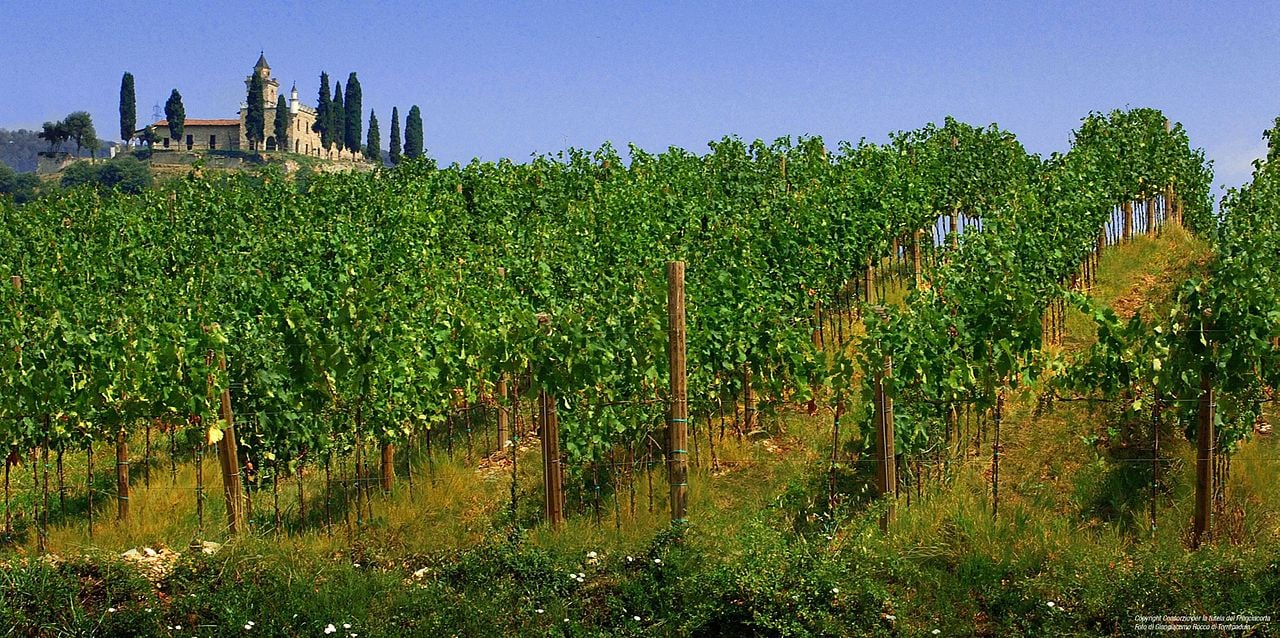
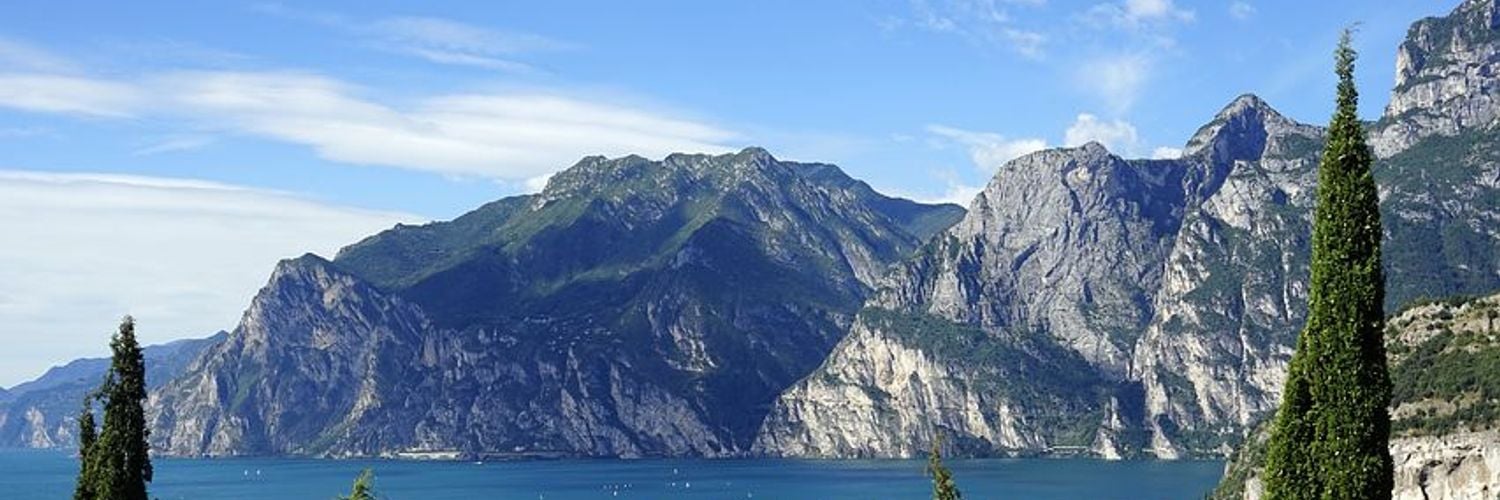
Lombardy invites wine enthusiasts to explore its diverse offerings, from the sparkling Franciacorta to the bold reds of Valtellina. This region is a treasure trove of indigenous grape varieties, including Pinot Nero and Nebbiolo, each reflecting the unique terroir and culture of Lombardy. Journey through its picturesque landscapes, visit family-owned wineries, and indulge in exceptional tasting experiences that showcase the heart and soul of Lombardian wine tourism.
Lombardy wine region is largely known for Franciacorta sparkling wine and red Valtellina. However, you will also discover hidden places of viticulture and winemaking, where wines mainly come from family-owned, artisan wineries. Explore the wine region of Lombardy and discover its territory blessed with mountain valleys, spectacular lakes, and earthy delicious cuisine.
Lombardy, nestled in north-central Italy, is a prominent wine region renowned for its diversity of wines. The region's Franciacorta area is acclaimed for its luxurious sparkling wines, while Oltrepo-Pavese is another sparkling wine hotspot. Further enhancing Lombardy's viticultural richness are the robust, complex red wines made from Nebbiolo grapes in Valtellina. Rounding off this spectrum of flavors are the delightful rosé wines from the picturesque areas surrounding Lake Garda. Lombardy's climatic variations and fertile soils contribute significantly to the distinctiveness of its wines.
Check out the list of wine tastings & tours in Lombardy wine region!
Discover more about the Lombardy wine region in our travel guide:

Lombardy is one of the largest regions and the industrial engine of Italy located in the north of the country with Milan as a regional capital. The region is bordered to the north by Switzerland and by the Emilia-Romagna region to the south, Trentino–Alto Adige and Veneto to the east, and Piedmont to the west. While the area is largely associated with industrial urban life, the region has surprisingly much to offer. Started with breathtaking mountainous lakes and medieval towns finished with small artisan wineries in hidden places and local mountain cuisine.
HISTORY BOX: Since Celtic and later Roman times, the vine culture in Lombardy is native, the Roman poet Plinius already mentions the wines of Oltrepò and Catullus of Lake Garda. For centuries, however, the capital Milan was the main buyer of the tasty wines of the surrounding area. Since the middle of the 20th century, sparkling wine production has become increasingly important.

The western and southern shores of Lake Garda, Franciacorta between Bergamo and Brescia, and Valtellina, the valley of the Adda River on the border with Switzerland, where Nebbiolo has been cultivated since ancient times, are the most suitable for viticulture.
Appellations of Lombardy wine region: In total, the area has 5 DOCG areas, with the DOCGs Franciacorta and Oltrepò Pavese Metodo Classico being for sparkling wines only. Furthermore, Lombardy has 22 DOC wines and 15 IGT wines.
However, here you can discover less popular but high-quality wines such as Lugana and Garda, Botticino, Moscato di Scanzo and Valcalepio, and Oltrepò Pavese.
"I would recommend the Franciacorta for the great quality of the wines produced and beautiful cellars in a fabulous geographical location. Optimal road, airport and railway communications and of course, high level of hospitality".
Renato Goffi - Local Sommelier from Lombardy
Check out the full interview with Renato for great insider tips about Lombardy Wine Region.
Franciacorta wine-producing area near Brescia and Lake Iseo produces one of the most prestigious sparkling wines in Italy. Wines here are made according to the traditional champagne method. However unlike their French counterparts, here, in the Lombardy wine region, they use Pinot Bianco instead of Chardonnay and Pinot Noir. The sparkling wine has to mature for 18 months, a vintage sparkling wine even 30 months before it is allowed to go on the market. Since 1995 Franciacorta sparkling wines have DOCG status and they also created DOC Franciacorta for the production of non-sparkling wines.
In addition to the classic white varieties, Franciacorta also has a very appealing rosé sparkling and the regional speciality Satèn. It is a sparkling wine produced after the "Metodo Classico" that matured longer than the usual sparkling wine from this growing area. It is also a Blanc de Blancs from the Chardonnay and Pinot Bianco grape varieties.
A historic wine-growing zone Valtellina in the Alpine part of the Lombardy wine region produces light red wines from the main Nebbiolo grape variety, which is called Chiavennasca locally. Nebbiolo grape variety has been grown here since the 5th century and outside Piedmonte, Lombardy wine region is the only place where grapes found optimal terroir and climate.
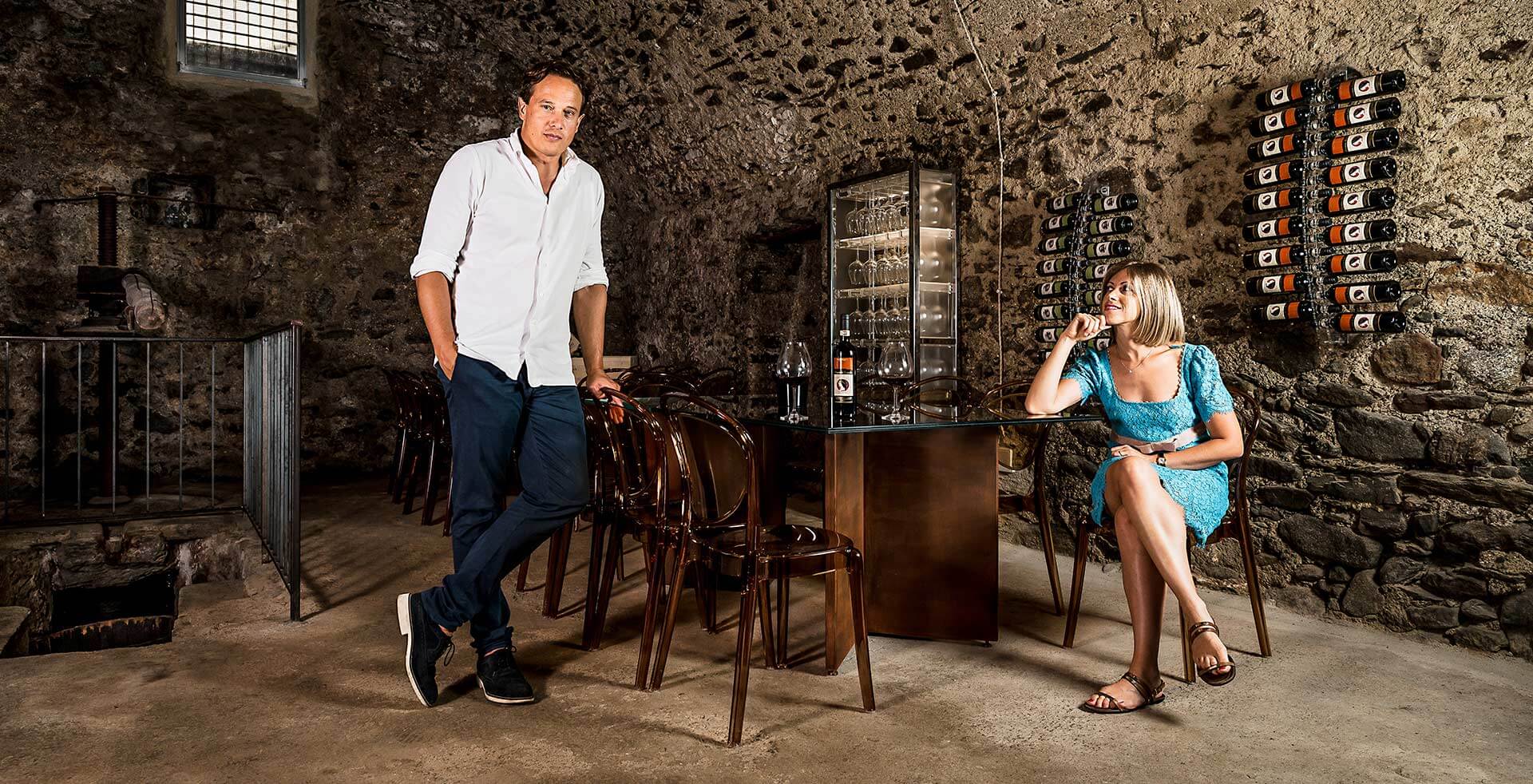
TIP!
Meet Luca Faccinelli at the foot of the Alps in his winery, named after him and learn more about Alpine viticulture. Of course, all these with a glass of Valtellina.
The eastern part, Lugana, south of Lake Garda, is dominated by white Trebbiano di Lugana grapes, from which fresh, fruity, medium-weight white Lugana wines are produced. Under the name Sforzato wines from dried Nebbiolo grapes come on the market.
Interesting white wines are as well produced south of Lake Garda from the grape variety Turbiana. One of the more well-known regions, Oltrepò Pavese, relies on decent red wines of the grape varieties Barbera or Croatina, from which the latter also produces a delicately sparkling, very interesting variety, the Bonarda Vivace.
For dessert wine lovers, you shouldn't miss visiting the little hilly village Scanzorosciate in the province of Bergamo, where they produce noble dessert wines Moscato di Scanzo. Unusually for a Moscato, Moscato di Scanzo is a red wine produced from highly aromatic, dark-skinned Moscato di Scanzo grape.

The best way to discover the peculiarities of the Lombardy wine region and taste its premium wines is to plan your visit directly to the cellar. Have look at our selection of wineries in Lombardy scattered in different parts of the region and choose one according to your taste and travel plans.
Milan, a metropolitan city of Lombardy is a cultural and commercial centre of the region and the global capital of fashion. However, there is much more to be discovered in Lombardy. Go away from the tourist crowds of Milan and explore off the beaten tracks of the region.
Check out our list of wineries near Milan to discover amazing wine experiences.
The city of Bergamo 50 km from Milan is composed of two parts: Città Alta (Upper city) perched on the hillside, surrounded by thick Venetian city walls protected by UNESCO and Città Bassa (Lower City).
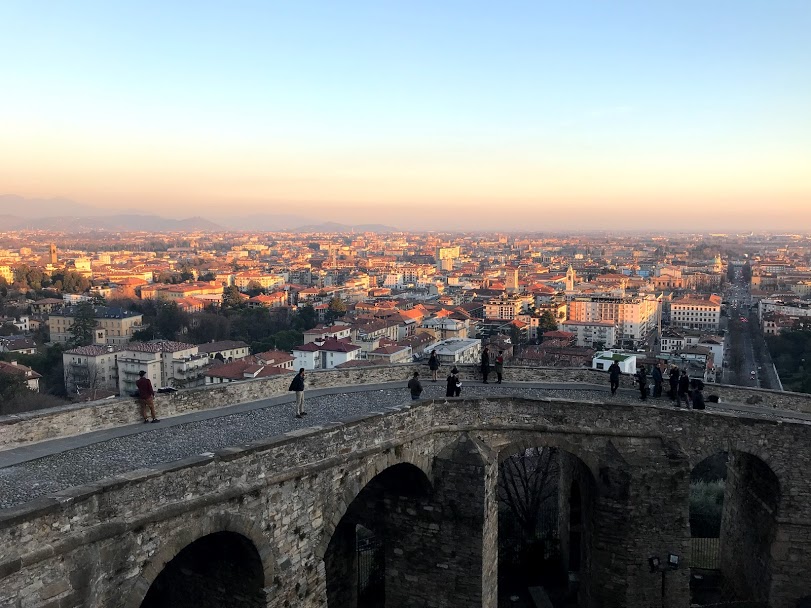
The most beautiful way to get to the Città Alta is by "Funicolare". The funicular connects Viale Vittorio Emanuele on the northern edge of the lower town with Piazza Mercato delle Scarpe in the southern upper town. Just a few steps up the narrow, cobbled streets of the old town, you reach the central Piazza Vecchia, where the most important and beautiful buildings of Bergamo are located: Biblioteca Civica Angelo Mai, which differentiates itself with unusual architecture for Bergamo. The Palazzo della Ragione, the city tower and an ensemble of sumptuous palazzi and ecclesiastical buildings - makes even larger Italian cities pale with envy.
The world-famous architect Le Corbusier is said to have named Piazza Vecchia as one of the most beautiful squares in the world: "those who change only one stone commits a crime." The evening in the old town is best rounded off in one of the many traditional restaurants. Allegedly Bergamo is the home of the best polenta in Italy and is highly recommended for lovers of the heartier Italian cuisine. But don't leave Bergamo without trying Casoncelli alla Bergamasca.
TIP: Did you know that the Stracciatella ice cream was invented in Bergamo? It was created at the 'Ristorante La Marianna' in 1961. You can still visit the restaurant next to Porta Sant'Alessandro and enjoy your cone of Stracciatella!

Como is located at the southern end of Lake Como and is still a leading silk weaver city with great charm. The picturesque old town is surrounded by a city wall and radiates a pleasant peace with a beautiful lake view.
The streets of Como with the medieval buildings and the pretty shops, restaurants and "gelaterias" invite you to stroll. Along the lakeshore, you can reach the Castello Baradello. The fortress was built in the 12th century by Frederick Barbarossa.
Como was one of the most important sites of silkworm breeding. Even today, leading companies in the silk processing industry are active here, which is reflected in the shops of Como.

From Como, boats sail to the centre of the lake for Bellagio where past noble Art Nouveau villas with their exotic gardens are inhabited by celebrities. you can also take a direct ferry to Varenna, small lakeside town.
Must do in Como:
Visit Gothic Cathedral
Take a scenic funicular
Visit The Museo Didattico della Seta to learn about history of Como's silk industry
Take a ferry to visit nearby towns
One of the most beautiful and ancient cities of Lombardy is Brescia. Here you can still find well-preserved Roman excavations with the Capitoline Temple in the Roman Forum and the mosaic footpaths of Roman villas in the Museum of the Santa Giulia and San Salvatore monastic complex.
Many of the city's shops are located in the streets around Piazza della Loggia, where there are also numerous bars and cafés. Every Saturday there is a weekly market in the centre. As well, the location of the city is very attractive. Brescia is surrounded by a wreath of hills where small villages and magnificent villas are located. Perched on Cidneo Hill, in the middle of the city, is the Visconti Castle. From here you have a magnificent view over the rooftops of the old town with its numerous domes and towers.
Go out from urban and discover the mountains, the plains and the large lakes of the region that are ideal for holidays in contact with nature, sports and recreation.
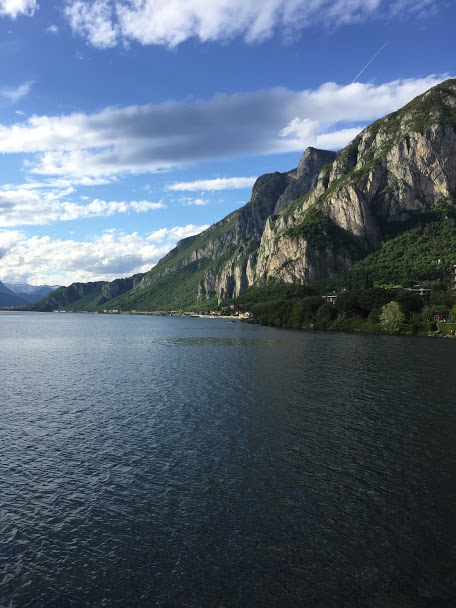
The Val Masino with its side valleys Val di Mello and Val di Bagni is certainly one of the most beautiful corners of the Alps. Narrow, partly still original valleys with huge flanks of granite and high mountains around it, which reach to over 3000 m. Every mountaineer - whether boulderer, sport climber, alpine climber, mountaineer or hiker - will find the perfect place for his hobby. Together with the Italian flair and the soothing tranquility of one of the last paradises in the Alps in the off-season.
The natural reserve of Rocca di Manerba is a true paradise for nature lovers. It is located on the rocky outcrop overlooking Lake Garda and takes the name from the Roman goddess Minerva whose name temple was located here. However, the Romans were not the first to pay tribute to this divine spot. Findings prove that 7,000 to 10,000 years ago people took possession of this place.
Above the steep cliffs, today beautiful nature walks lead through the park. The view of the islands of San Biagio and Isola del Garda against the majestic mountain backdrop of the northern lake is breathtaking. The archaeological finds of the Rocca have been collected in a small museum that gives its visitors an overview of both the history and the natural treasures of the Rocca di Manerba.
Discover the best Lombardy Wine Tour Guides and embark on a journey to explore the exquisite Guided Wine Tours in the beautiful region of Lombardy.
Lombardy has always been a transit country for travellers crossing the Alps to the south and in the opposite direction. In consequence, Lombardy was exposed to many cultural and culinary influences.
"As with wines, Lombard cuisine is also very rich in local products used in traditional and creative cuisine...All these exquisite dishes deserve a pairing with a wine of the same value."
Renato Goffi - Local Sommelier from Lombardy
Check out the full interview with Renato.
Nevertheless, there are some elements of Lombardy cuisine that are the same in all areas of the region: Butter wins the culinary race against the usual olive oil, rice wins against pasta. Also, bacon and polenta can be found everywhere in the cuisines of Lombardy.
Risotto alla Milanese - a classic risotto refined with saffron, is a simple dish requiring only a few ingredients. However, these simple ingredients onion, meat broth, butter and saffron come together and create a creamy, velvet and flavoured dish.
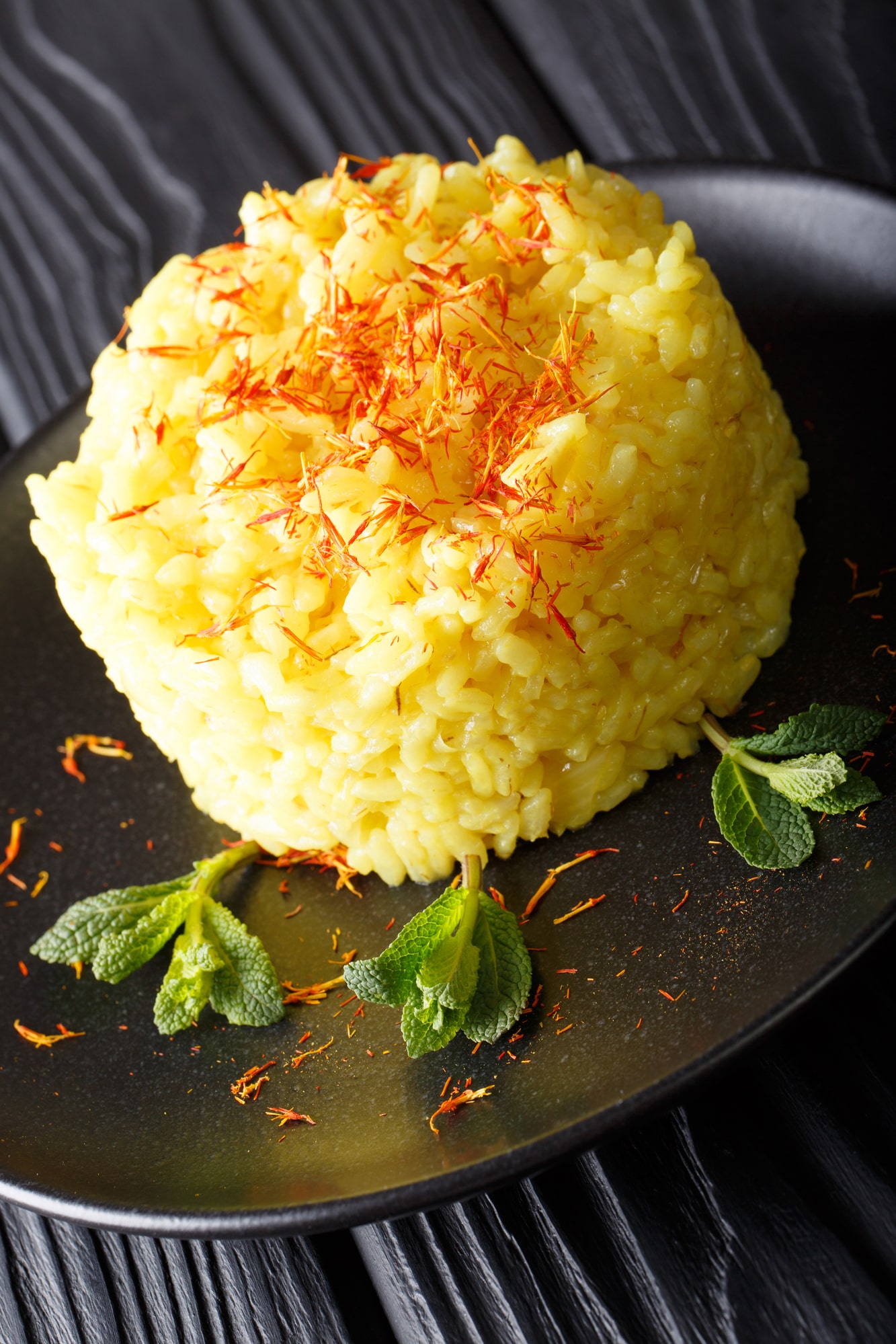
Legend: It is said to have been invented by a glazier apprentice in the 16th century. He was employed in Milan to work on the restoration of the windows of the cathedral. To give his colours a special character, he mixed a handful of saffron in all colours for the windows. Because of this quirk, his colleagues often ragged him with the fact that one day he would probably mix saffron into his food. At the wedding of the glassmaker's daughter, the drunken journeyman finally decided to put the prediction of his colleagues into action. He sprinkled saffron over the rice served to the wedding party. The guests were so enthusiastic that they spread the new dish as "risotto alla Milanese" in all northern Italy.
Piccata - that's a small slice of meat, fish, or vegetables in Italian. The Piccata Alla Milanese, the Milanese-style escalope, is used to bake a small veal escalope in a spicy breadcrumb of flour, eggs, and parmesan in oil. But if you order Piccata Milanese you will get two dishes: as in Lombardy, the schnitzel is accompanied by pasta with a classic Tonatensauce.
''In Valtellina (Lombardy) pizzocheri and sciatt are the traditional dishes. The first one is pasta made with buckwheat flour, potatoes, Casera cheese, and vegetables. Sciatt is round cheese pancakes. Also, you can try the famous Risotto Alla Milanes and Panettone.''
Adriana Licciardelo - Local Sommelier about Gastronomy of Lombardy
This dish stands for the kitchen Bergamo par excellence. Originally, it is a dish to utilize leftover pork and beef. Over time, other ingredients were added. Casoncelli alla Bergamaschi(name in local dialect) are served with butter & sage sauce and steamed Italian bacon (or pancetta). The filling in Bergamo consists of sausage meat, parmesan cheese, boiled beef, and sausages.
Wine pair: Enjoy Casoncelli with local Valcalepio Rosso wine - Intense, bright red wine with the aromas of black currant, pepper, and cherry.
For Lombardy what is the very best with this wine region compared to other regions in Italy?
- It is very difficult to directly compare the diversity of wines in the many Italian regions with each other. As for Lombardy, we can indicate the best wines that are produced in the diversity of the territory:
Franciacorta - White and rose classic method sparkling wines. In the brut, reserve, saten, millesimato, pas dose ’versions, etc. Production area in the province of Brescia in the hills between Lake Garda and Lake Iseo.
Valtellina - Red wines of great quality and structure from Nebbiolo grape. Production area province of Sondrio north-west rocky hills close to the mountain.
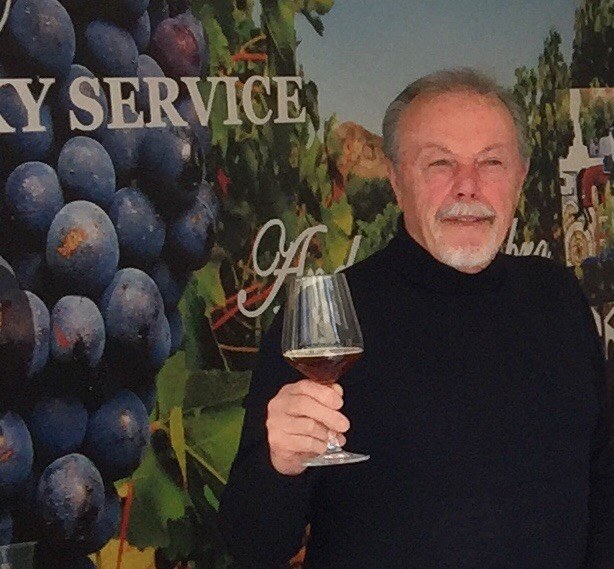
Lugana - Still and reserve white wines, and sparkling wines from the Turbiana grape variety. Some varieties of native red wines. Production area in the province of Brescia south of Lake Garda and the Morainic Hills.
Oltepo Pavese - Sparkling white wines and lively red wines. Production area provinces of Pavia, Piacenza south of the river Po '.
Botticino - Structured and long-lived red wines from the Brescia hills with limited production.
Moscato di Scanzo - Production area is in Scanzorosciate area, in the province of Bergamo. Moscato di Scanzo is particular because it is produced from the red muscat grapes.
If you visit Lombardy for the very first time, which grape variety should you try first?
- I would recommend Franciacorta for the great quality of the wines produced and beautiful cellars in a fabulous geographical location. Optimal road, airport, and railway communications and high-level of hospitality.
Is there any particular food dish that you have to try when you stay in Lombardy?
- As with wines, Lombard cuisine is also very rich in local products used in traditional and creative cuisine. You can taste the most popular typical dishes such as cured meats various types sliced or cooked in a pot, Milanese risotto, Pizzoccheri della Valtellina, Casoncelli and stuffed Tortelli and there is no shortage of exquisite lake and river fish.
Beef, pork, poultry, and game cooked on the grill, roasted and stewed. A reference to the special "Spiedo of meat" originating from the provinces of Brescia and Bergamo. There are many typical kinds of cheese from the plains and mountains without forgetting the desserts including the famous Panettone of Milan. All these exquisite dishes deserve a pairing with a wine of the same value.
Where to eat in Lombardy?
Trattoria Ai Frati - Vello
Recommended by Castello Bonomi
Ristorante San Carlo
Recommended by Casa Vinicola Pietro Nera
Pasticceria Roberto - Erbusco
Recommended by Castello Bonomi
Where to stay in Lombardy?
Hotel Cavour
B&B la Torre
Hotel Touring
The best wine bars in Lombardy
L'Isola dei Sapori
Il Pane di Rosa
Wine bar da Rossi
What to do in Lombardy?
Adventure time at Gardaland
Take a boat tour at Garda Lake
Certosa di Pavia
Discover the locations of wineries in Lombardy

Join our newsletter now to receive our free guide on how to plan the perfect wine tour