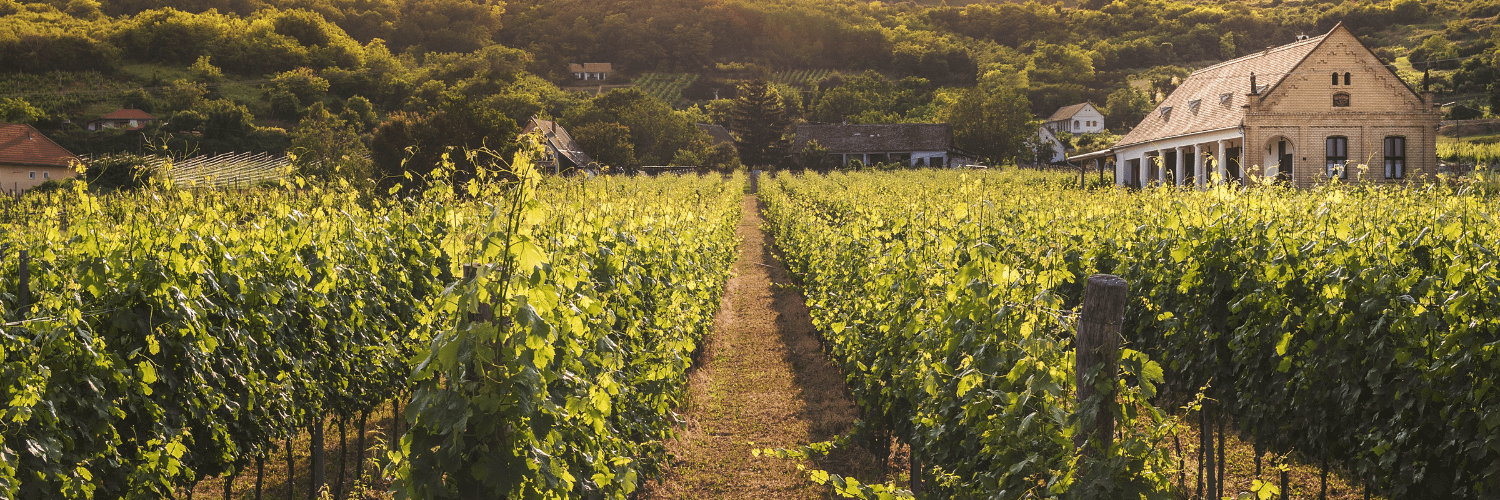

Have you ever wondered what sustainable wine is and why it’s becoming such an important topic in today’s wine world? At its heart, sustainable winemaking is a forward-thinking production model that combines environmental stewardship, social responsibility and economic viability. It’s about crafting wines that honor the land, support local communities and ensure that the beauty of winemaking can thrive for generations to come.
This approach matters now more than ever. As climate change accelerates and water scarcity threatens traditional vineyards, winemakers are re-evaluating their methods. Meanwhile, a growing consumer awareness is driving demand for eco-friendly wine options – bottles that reflect both quality and conscience. Across the globe, the industry is embracing regenerative practices: reducing waste, restoring soil health, conserving water and protecting biodiversity.
Sustainability is no longer a niche trend — it’s the future of wine.
Ahead, discover how sustainable winemaking comes to life: through its main principles, leading wineries, upcoming practices and the certifications that help you choose responsibly.
What Sustainability Means in Wine Today
At its heart, green winemaking is about finding balance between people, planet and profit. Modern wineries adopt sustainable practices in vineyards that protect the environment, support their workers and ensure long-term economic stability. In other words, sustainability in wine rests on three connected pillars: environmental, social and economic responsibility.
- Environmental sustainability focuses on caring for the land itself. Wineries conserve water through smart irrigation and water reuse systems, use renewable energy like solar power, plant cover crops to prevent soil erosion and limit pesticide use to protect biodiversity. These efforts don’t just reduce harm; they actively regenerate the vineyard ecosystem.
- Social sustainability is about the people behind every bottle. It includes fair labor practices, safe working conditions and community engagement – from supporting local initiatives to providing education and training for vineyard staff.
- Finally, economic sustainability ensures that wineries remain viable for generations. By improving resource efficiency and investing in long-term infrastructure, producers build resilience without compromising quality.
So what’s the difference between organic, biodynamic and sustainable wine practices? This distinction is often discussed as organic vs sustainable wine. Organic winemaking limits synthetic inputs, focusing on natural composts and biological pest control to keep vineyards healthy. Biodynamic winemaking follows a holistic, almost spiritual approach guided by natural cycles and lunar rhythms. At the same time, sustainability brings these ideas together, merging environmental care with social and economic values. This practice creates a more comprehensive, real-world model for the wine industry.
Sustainable Wineries Leading the Way
Around the world, many wineries are putting these principles into practice. Here are some remarkable examples that show how sustainability takes shape in real vineyards and communities.
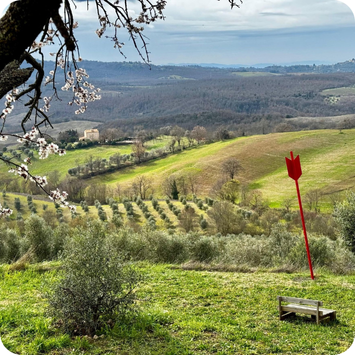
Fattoria La Maliosa:
A Tuscan organic winery certified since its founding in 2010, and holder of the SQNPI label for “sustainable quality” since 2022.
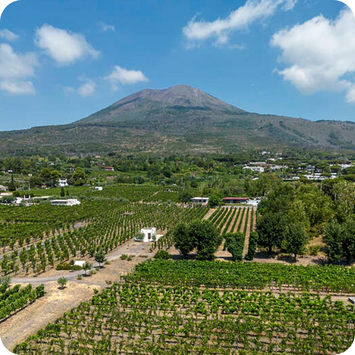
Cantina Del Vesuvio:
A family winery on Mount Vesuvius, producing certified organic wines since 2006 and approved to export organic wine to the USA.
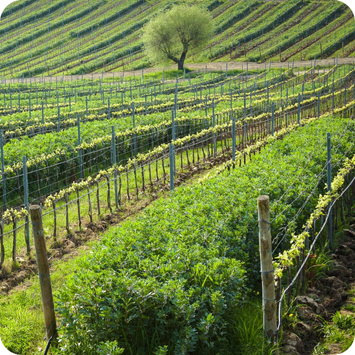
Poggio del Moro:
A boutique Tuscan winery practicing natural, eco-friendly viticulture with a deep respect for the surrounding landscape.
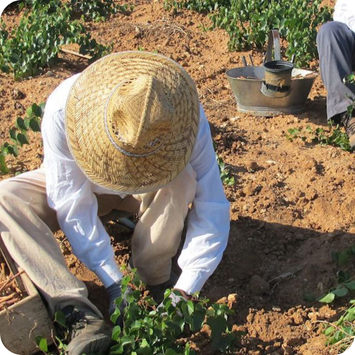
Tenuta Bastonaca:
A Sicilian winery with hand-cultivated vineyards in conversion to organic farming and natural methods.
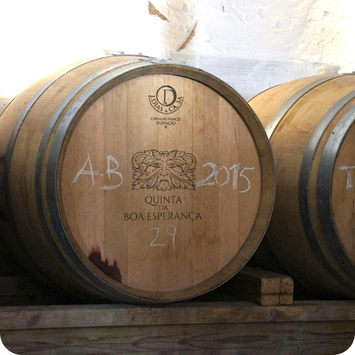
Quinta da Boa Esperança:
A Portuguese estate embracing sustainable values and environmentally conscious vineyard management.
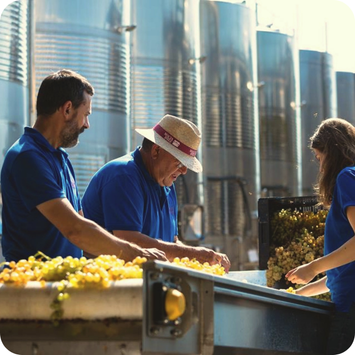
Macià Batle:
A historic Mallorcan winery recognized as a Km0 Ambassador for its commitment to sustainability and support for local production.
The Future: What’s Next for Sustainable Wine
The next chapter of sustainable winemaking is defined by innovation and circular thinking. Let’s discover some examples of the trends shaping its future.
- Regenerative viticulture is leading this shift, focusing on restoring soil health, improving biodiversity and capturing carbon through cover crops and organic composting.
- Another important direction is carbon labeling on wine bottles, which allows producers to share transparent data about their emissions and helps consumers understand a wine’s environmental impact.
- Artificial intelligence and precision agriculture help producers optimize water use, energy efficiency and overall vineyard inputs.
- Beyond production, circular systems in packaging and logistics, such as lighter glass, recycled materials and refillable bottles, are becoming key to reducing the industry’s environmental footprint.
As awareness of climate impact grows, consumers are demanding clearer insight into how their wines are made. This growing expectation for transparency is encouraging wineries to measure, monitor and disclose their environmental practices more openly, fostering a culture of accountability across the wine sector.
In the coming decade, innovation will transform sustainability from a philosophy into a measurable practice. Data-driven tools will allow wineries to track their resource use in real time, turning vague commitments into concrete results. As global standards develop, the definition of sustainable wine will become more precise, grounded not only in good intentions but in verified impact on the environment and local communities.
How to Choose Sustainable Wine as a Consumer
Choosing sustainable wine starts with curiosity and awareness. The easiest place to begin is the label. Look for clear certifications or keywords such as organic, biodynamic, or certified sustainable. These terms indicate that the winery follows specific environmental and social standards verified by independent organizations. While not every eco-friendly producer carries a certification, credible labeling is still one of the most reliable signals of responsible production.
Below are just a few examples you might find on sustainable wines. Many other symbols and designations exist depending on the country and certification body.
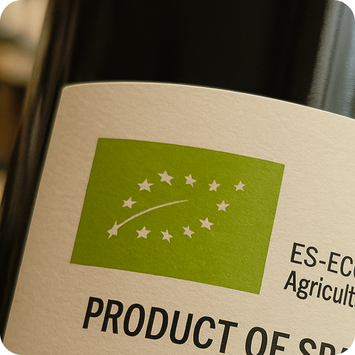
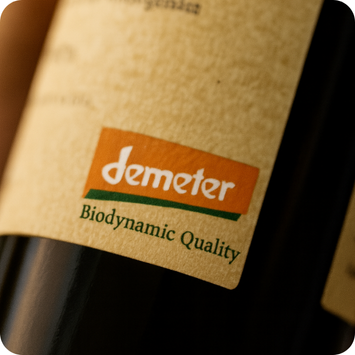
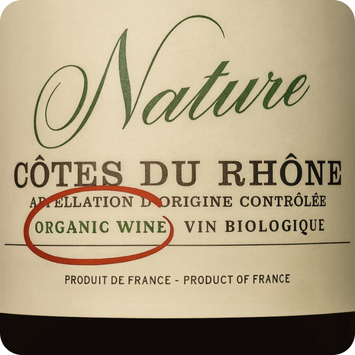
Whenever possible, choose local wines. Buying close to home supports regional economies and reduces the carbon footprint of transportation. Pay attention to wineries that share details about their vineyard management, energy use, or community involvement – openness is a strong indicator of true sustainability. For deeper research, use online guides such as the Wine Institute’s Sustainability Guide, which can help you identify trustworthy producers committed to long-term environmental care.
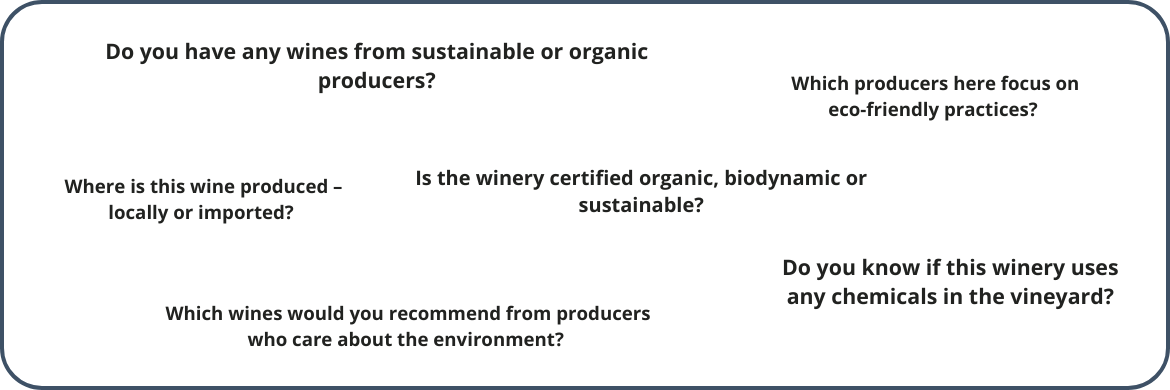
Don’t hesitate to ask questions in wine shops or restaurants.
Sustainable winemaking is not just about being green – it’s about building a wine culture that respects the planet, supports people, and stands the test of time. Each bottle reflects the connection between the land, people and tradition. This is a reminder that great wine begins with respect for nature and the communities that sustain it.
Whether you are a winemaker, a sommelier or just a fan of great wine, supporting sustainability means investing in the future of wine itself – a future where quality and conscience grow side by side.
FAQ
What is the difference between organic, biodynamic, and sustainable wine?
Biodynamic wine goes a step further. It follows a holistic philosophy that treats the vineyard as a living ecosystem, using lunar cycles and natural preparations.
Sustainable wine covers a broader scope, balancing environmental care with social and economic responsibility. It’s not only about how the grapes are grown, but also how the people, energy, and resources are managed throughout the entire winemaking process.
Does "sustainable" wine mean it's automatically organic?
So, a winery can be sustainable without being fully organic. It’s about long-term balance rather than strict certification rules.
What is regenerative viticulture and why is it considered the future of sustainable winemaking?
Besides looking at the label, how else can I choose a sustainable wine?
Check platforms that highlight certified sustainable estates (like WineTourism.com). These sources make it easier to discover producers who follow eco-friendly and ethical standards.
And of course, ask for guidance, talk to a sommelier or wine shop consultant. Many are happy to recommend sustainable wines and can explain what makes them different.
Does choosing local wine always mean a lower carbon footprint?
However, the footprint also depends on production methods, packaging, and energy sources. A locally produced wine made with heavy glass bottles might have a higher impact than a sustainably shipped one from abroad.
The key is to think holistically: local helps, but mindful production matters most.
Are sustainable wines more expensive than conventionally produced wines?
In the long run, choosing sustainable wines supports practices that protect the environment and the people behind every bottle, ensuring a better future for winemaking.


