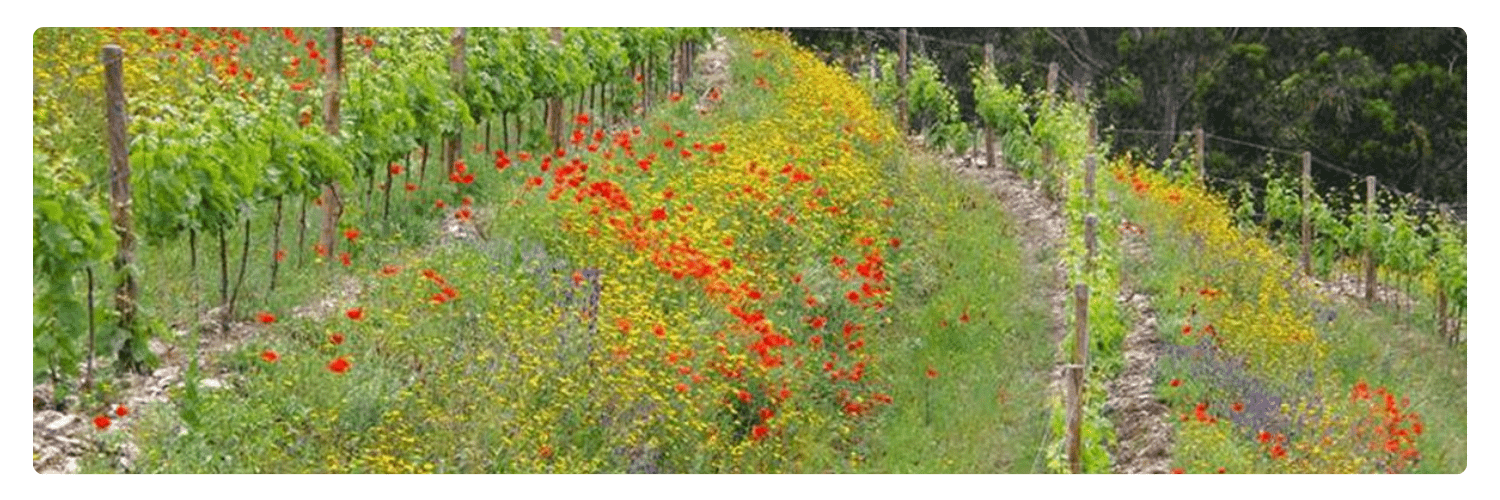

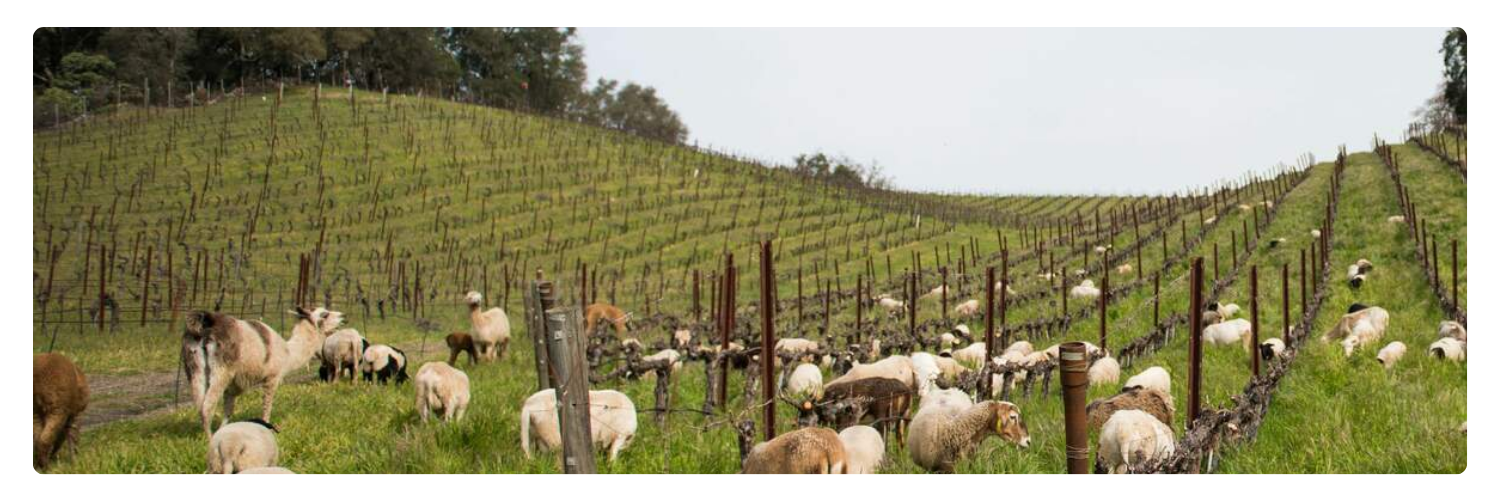
Walk into a regenerative vineyard in October and you will notice what is missing before that is there. There is no bare orange soil between the rows. No smell of chemicals. Almost no sound of machinery. What you will see instead is a low green carpet of cover crops between the vines, wildflowers along the edges, a scatter of small trees where a conventional vineyard would have compacted dirt roads, and, often enough, a small flock of sheep working quietly through the rows. The soil, when you kneel and take a handful, is dark and crumbly and smells alive.
This is regenerative viticulture, and it is quietly changing how the world's best wine regions think about their own future. It is not a marketing exercise. It is a technical response to real problems — dying soils, water shortages, biodiversity collapse, and a climate that no longer plays by the rules winemakers learned from their grandparents. The wineries adopting Bordeaux to Chile Tuscany, are betting that the next century of wine will belong to producers who can rebuild what previous decades depleted.
For travelers, it is also one of the most interesting things happening in wine right now. Visiting a regenerative estate feels genuinely different from visiting a conventional one — because the estate is, quite literally, alive.
At a glance: regenerative viticulture
Regenerative viticulture is a faming philosophy that goes beyond organic and biodynamic to actively rebuild soil health, capture carbon, and restore biodiversity in the vineyard. Core practices include cover crops, minimal or no tillage, integrated animals (sheep, chickens), on-site composting, and biodiversity corridors — hedgerows, wildflower strips, small trees. The movement is now global, with pioneers California (Sonoma, Napa, Lodi, Paso Robles), Bordeaux and Languedoc in France, Champagne (via Ruinart's dedicated program), Tuscany and Alto Adige in Italy, Chile, Australia, and South Africa. For travelers, regenerative estates offer a genuinely different tasting experience — one grounded in visible ecological change rather than certifications alone.
What is regenerative viticulture, and how is it different from organic?
Organic viticulture avoids synthetic pesticides, herbicides, and fertilizers. Biodynamic viticulture goes further, treating the vineyard as a self-contained ecosystem and following lunar cycles and specific Steiner-based preparations. Regenerative viticulture is different again: it is defined not by what a vineyard avoids, but by what it actively rebuilds.
The measure is soil. A regenerative vineyard aims to increase the soil's organic matter, microbial life, and water-holding capacity year over year. It aims to capture atmospheric carbon into the ground where it belongs. It aims to increase the number of species — plants, insects, birds, mammals — living on the property. An organic vineyard can be a dead vineyard chemically speaking; a regenerative vineyard cannot. The output is measurable in soil tests, not just labels.
The five practices that define regenerative viticulture
1. Cover crops between rows. Perennial grasses, legumes, and wildflowers grown between the vine rows year-round, feeding soil microbes, capturing carbon, and holding water. Cover crops are the visible signature of a regenerative estate.
2. Minimal or no tillage. Conventional vineyards till the soil regularly, breaking up fungal networks and releasing stored carbon. Regenerative estates avoid this. The soil structure builds instead of collapsing.
3. Integrated animals. Sheep to graze cover crops in winter, chickens to control pests, sometimes cattle on larger properties. Animals return nutrients directly to the soil and replace the tractors that would otherwise mow, fertilize, and compact.
4. On-site composting. Grape marc, prunings, animal manure, and estate food waste composted into biologically active compost that goes back into the vineyard. Nothing leaves; nothing artificial comes in.
5. Biodiversity corridors. Hedgerows, wildflower strips, fruit trees, ponds, and wild borders on the estate — safe habitats for birds, bats, beneficial insects, and pollinators. Château Shuette in Bordeaux, for example, maintains 280 bird, bat, and owl boxes and 250 fruit trees across just 12 hectares.
Wine regions leading the transformation
California is the movement's global epicenter. The Regenerative Organic Certified (ROC) label was launched in 2018 and now applies to a growing number of Napa, Sonoma, and Lodi producers. The California Sustainable Winegrowing Alliance certifies estates using falcons for bird control, sheep for weeding, and beneficial insects for pest management. Sonoma has committed to becoming the world's first 100% sustainable wine region.
France is transforming from the inside. In Bordeaux, historically resistant to change, a rising group of estates like Château Shuette are showing that regenerative agriculture is possible even in Grand Cru country. In Languedoc-Roussillon, warmer and freer of tradition, estates like Domaine de Favas have made the shift end-to-end. In Champagne, Ruinart runs an ambitious regenerative program across the region's chalky slopes.
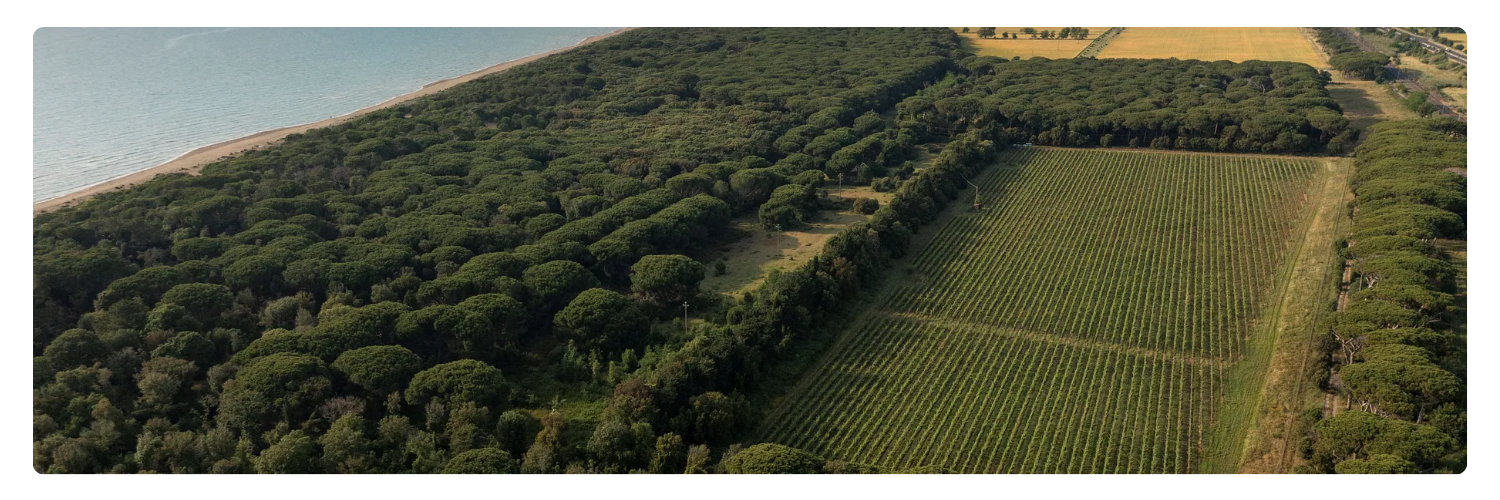
Italy has strong regional leaders. In Alto Adige, the Lageder family has spent decades building one of Europe's most respected biodynamic and regenerative estates. In Bolgheri, Tenuta Le Colonne applies regenerative agronomic practices to a Super Tuscan blend. In Montalcino, Il Cocco is building a dedicated regenerative agriculture and agroforestry project alongside its Brunello.
Chile, benefiting from a clean start on newer vine plantings, has become one of the most exciting regions for regenerative practice. Estates in the Maipo, Aconcagua, and Casablanca valleys are working at scale.
South Africa and Australia round out the global picture. Reyneke Wines (Stellenbosch) and Australia's certified ROC estates have set a benchmark for whole-farm regenerative production.
Six WineTourism.com estates practicing regenerative viticulture
Château Shuette (Bordeaux, France). Twelve hectares organic for nearly 30 years, now operating as a regenerative and permaculture-integrated estate - one of a tiny handful of natural wine producers in Bordeaux (under 0.0024% of the region). 280 bird, bat, and owl boxes; 250 fruit trees; hand-tended vines; on-site cover crops and wildflowers.
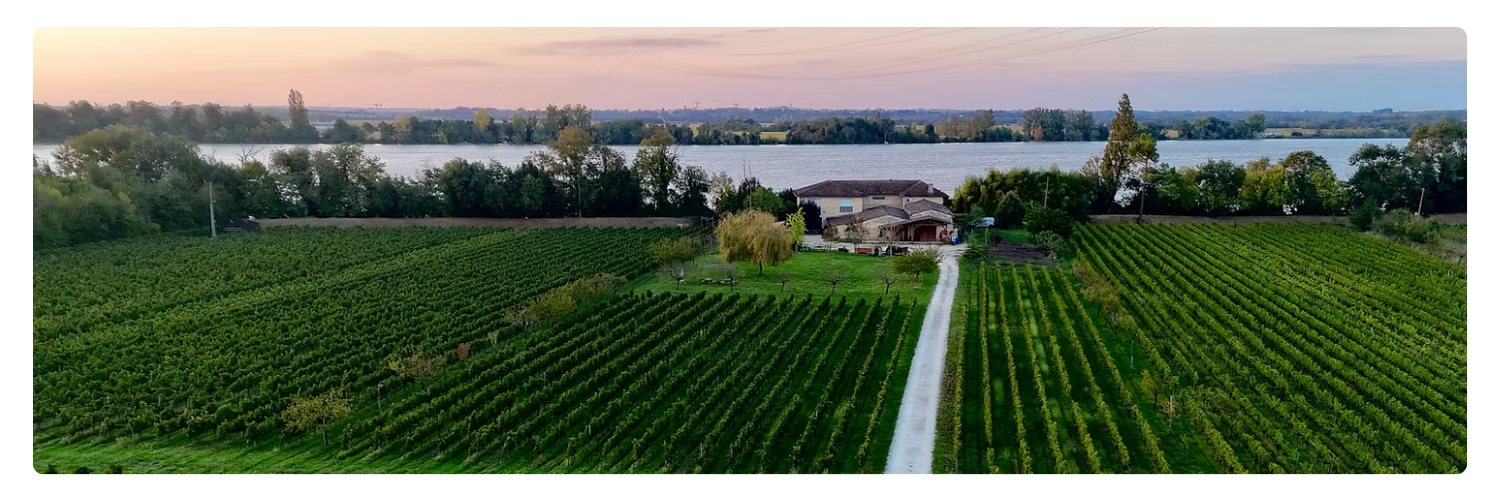
Domaine de Favas (Languedoc-Roussillon, France). Converted to organic in 2018 and now guided by regenerative agriculture principles. The cellar uses wood, clay, and stainless steel for varied aging. Host Samuel walks visitors through the estate with the kind of detail that only makes sense when you understand what you're seeing.
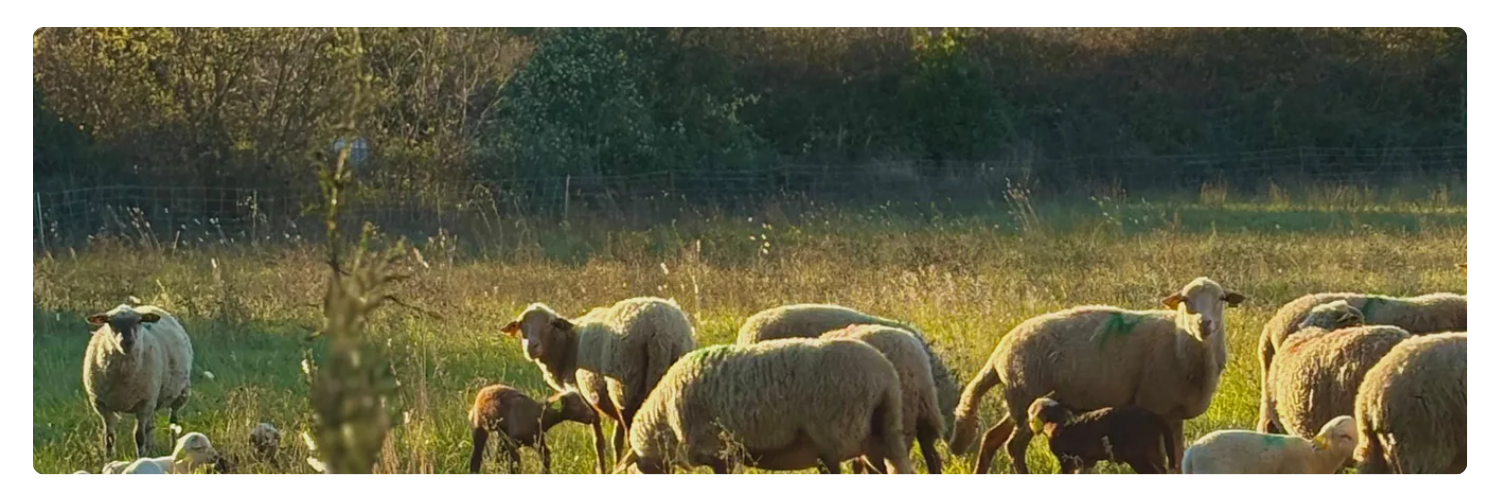
Il Cocco (Montalcino, Tuscany, Italy). One of Montalcino's most intimate estates — less than three hectares of vineyards, 10,000 bottles per year, pioneers of organic farming since the early 2000s. A dedicated experimentation hectare is developing a full regenerative natural agriculture and agroforestry project alongside Brunello production.

Tenuta Le Colonne (Bolgheri, Tuscany, Italy). A Bolgheri estate applying regenerative agronomic practices with a focus on soil health and vineyard balance. The wines emphasize elegance — large 40 hl untoasted French oak barrels preserve freshness in an appellation more often associated with power.
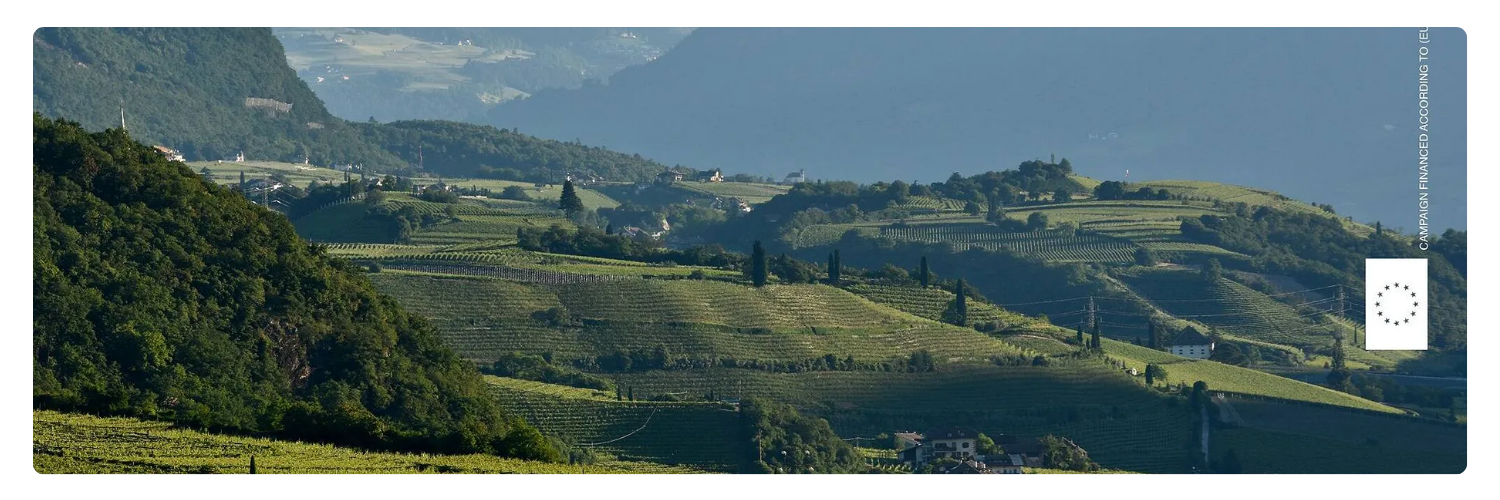
Tenuta Alois Lageder (Alto Adige, Italy). A benchmark family estate combining biodynamic and regenerative principles. No synthetic chemicals; ground cover plants and animals integrated into the vineyard; on-site composting; homeopathic preparations. The Lageder family has led sustainable winemaking in Alto Adige for decades.
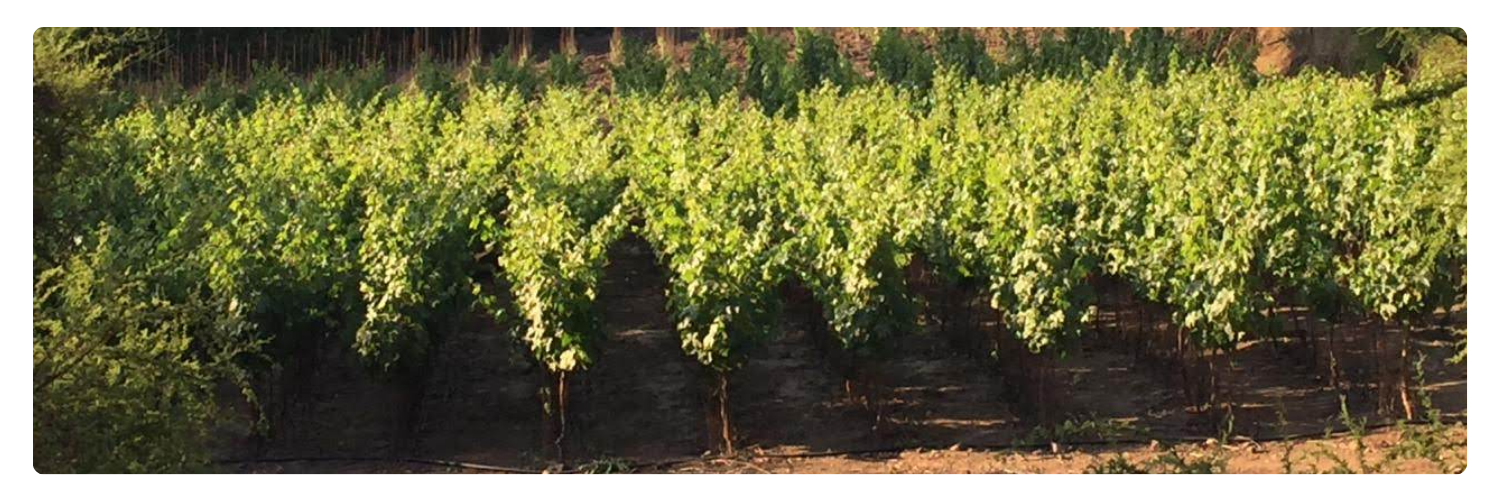
Viñateros de Raíz (Maipo Valley, Chile). A landscape designer and an oenologist raising a "Garden Vineyard" at 850m on ancient volcanic tuff outside Melipilla, on the slopes above the Cholqui Valley. Small-scale, family-run, explicitly regenerative, focused on biodiversity and terroir expression.
What to look for as a traveler
When visiting a regenerative estate, three signals matter more than any label. First, ask what grows between the vines — a green carpet year-round means active cover cropping; brown soil means tillage. Second, ask about animals — sheep, chickens, or cattle integrated into the vineyard rotation are strong signs. Third, ask what the estate does with its grape marc, prunings, and waste — on-site composting is the litmus test of a genuinely closed system.
A good regenerative visit will happen partly in the vineyard rather than only in the tasting room. The winemaker will point at plants, soil, insects. The tasting will make more sense afterward, not less.
The vineyard that gives back
Regenerative viticulture is not a marketing story or a passing trend. It is the response of the world's most thoughtful wine producers to a set of problems no other approach has solved. It rebuilds the soil, restores biodiversity, and captures carbon while still producing wine of remarkable quality. For travelers, it is also the most interesting way to visit a wine region right now — because the estate is doing something visible, measurable, and generous. Book one of the estates above for your next wine trip. The soil, quite literally, will thank you.
Frequently Asked Questions
What is regenerative viticulture?
How is regenerative viticulture different from organic?
Where is regenerative viticulture happening?
Is regenerative wine better tasting?
How can travelers identify a truly regenerative winery?
Is regenerative viticulture the future of wine?
Featured WineTourism.com regenerative viticulture experiences
Bookable estates referenced in this guide:
- Château Shuette, Bordeaux (France) — https://www.winetourism.com/winery/shuette/
- Domaine de Favas, Languedoc-Roussillon (France) — https://www.winetourism.com/winery/domaine-de-favas/
- Il Cocco, Montalcino (Italy) — https://www.winetourism.com/winery/il-cocco/
- Tenuta Le Colonne, Bolgheri (Italy) — https://www.winetourism.com/winery/tenuta-le-colonne/
- Tenuta Alois Lageder, Alto Adige (Italy) — https://www.winetourism.com/winery/tenuta-alois-lageder/
- Viñateros de Raíz, Maipo Valley (Chile) — https://www.winetourism.com/winery/vinateros-de-raiz-/


