
In recent years, there’s been a growing buzz around organic, biodynamic, and natural wines. As consumers become more health-conscious and environmentally aware, many are reaching for bottles that reflect not only great taste but also ethical and sustainable practices. But as these labels appear more often on wine shelves and restaurant lists, one big question comes up:
What’s the difference between organic, biodynamic, and natural wines?
Let’s uncork the truth behind these three categories — exploring their philosophies, practices, and what makes each one unique.
Organic Wine: Clean, Sustainable, and Certified
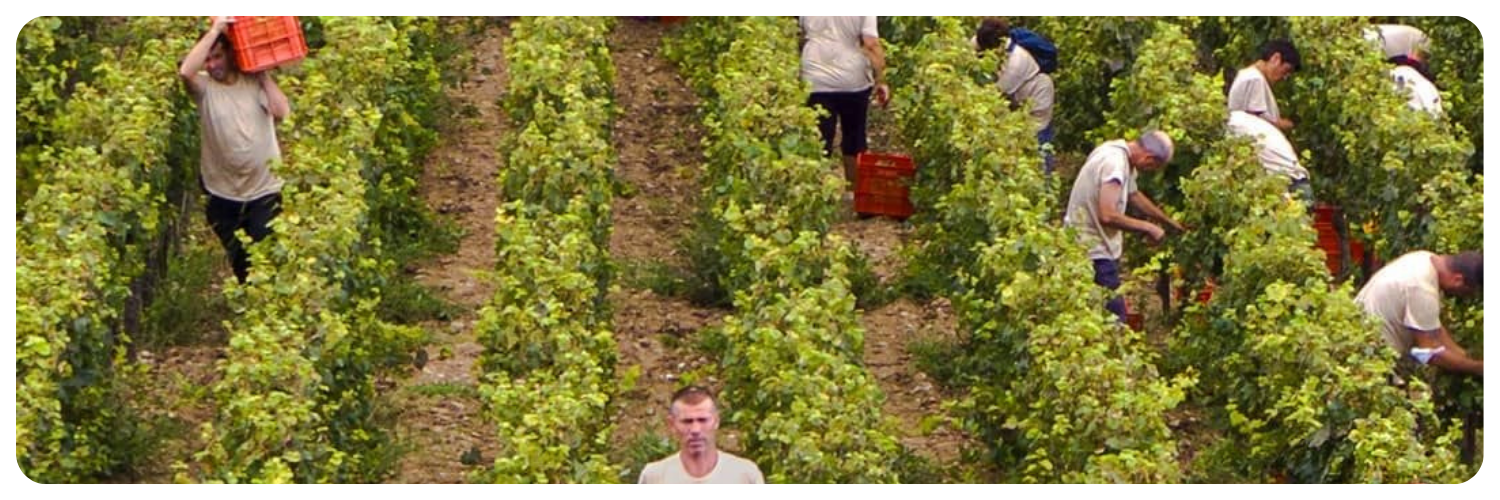
Organic wine is made from grapes grown without synthetic pesticides, herbicides, or fertilizers. Instead, vineyards rely on natural composts, biodiversity, and mechanical weeding. Winemakers also limit additives and avoid genetically modified organisms (GMOs). Beyond flavor, choosing organic supports sustainable farming practices that protect soil, water, and biodiversity. Certified organic labels ensure that every step, from vine to bottle, meets strict environmental and health standards. Sip consciously and enjoy wine that’s as good for the planet as it is for your palate.
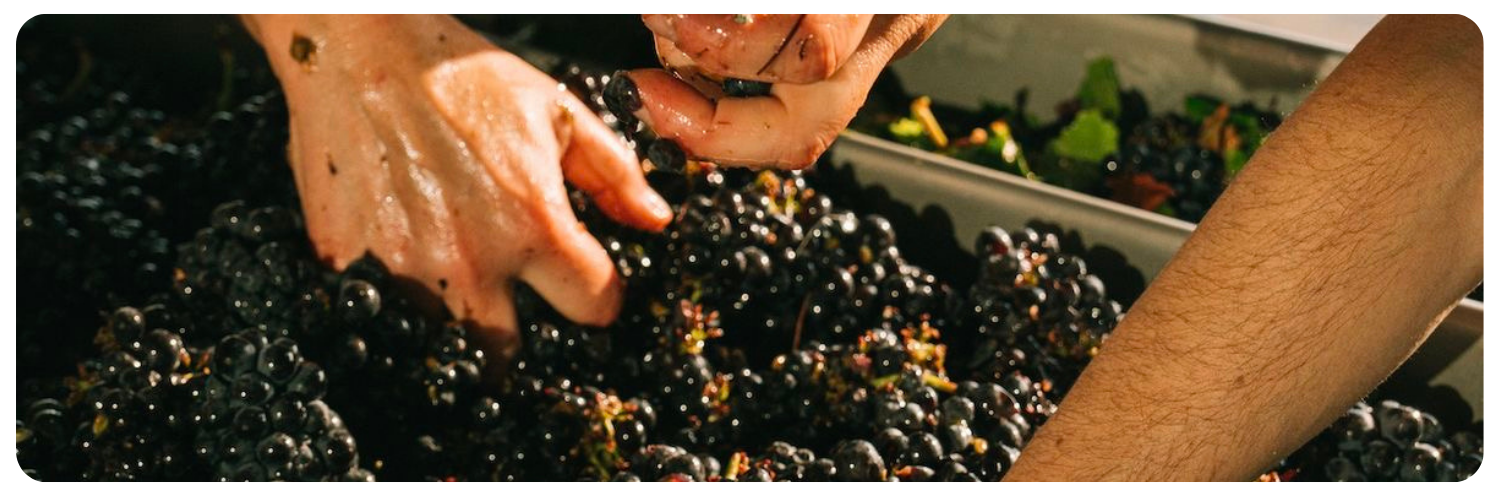
These wines are strictly regulated by certification bodies like USDA Organic, EU Organic, and Ecocert, ensuring that both the farming and winemaking processes respect organic standards. To earn the “organic” label, winemakers must meet region-specific standards. For example, the EU Organic label allows small amounts of sulfites (for preservation), while USDA Organic wines prohibit added sulfites entirely.
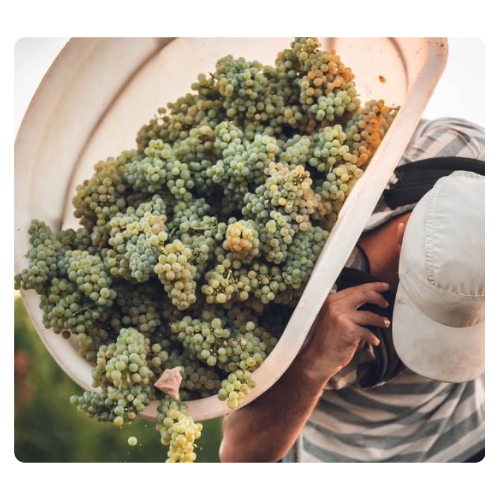
Key Characteristics
- Grapes grown without synthetic chemicals
- No GMOs or chemical fertilizers
- Minimal intervention in both the vineyard and the winery
- Certified according to strict organic standards
The Art of Flavor: How Quality Defines Great Wine
Organic wines often taste fresher and more expressive of their terroir because nothing artificial interferes with the natural flavors of the grapes.
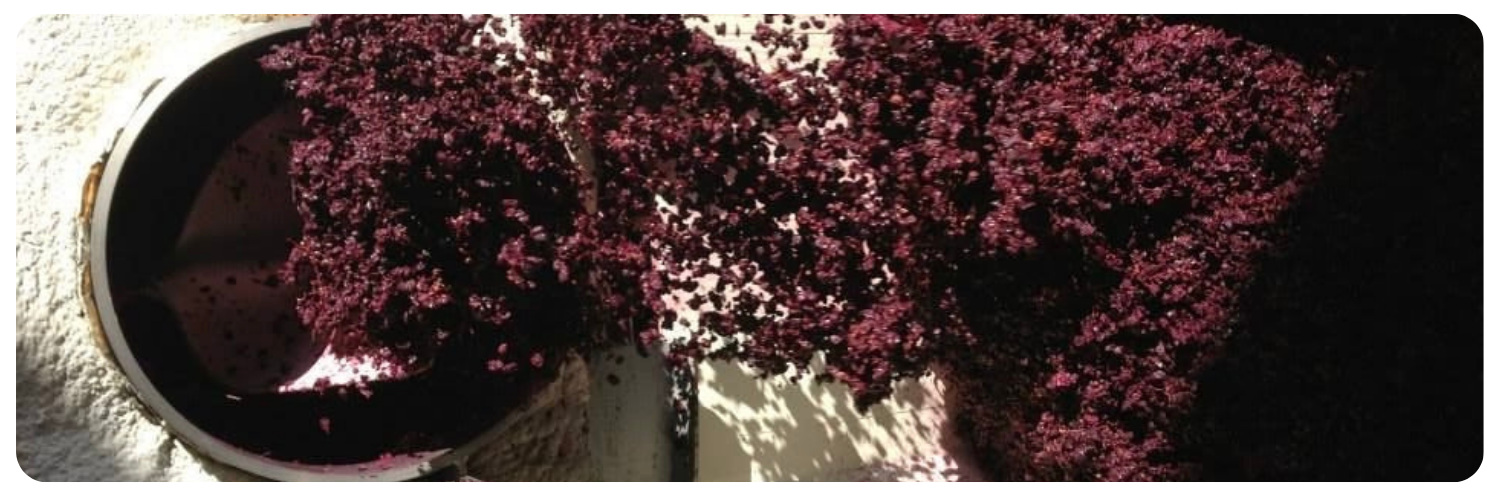
Some of our organic partners you can visit
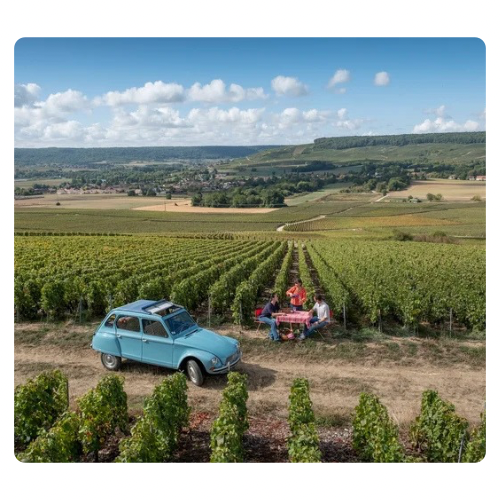
Champagne Météyer Père & Fils – crafting exceptional bubbly in Vallée de la Marne since 1860. 🥂 Discover Brut Tradition, Cuvée Marine, and more, all rooted in family tradition.
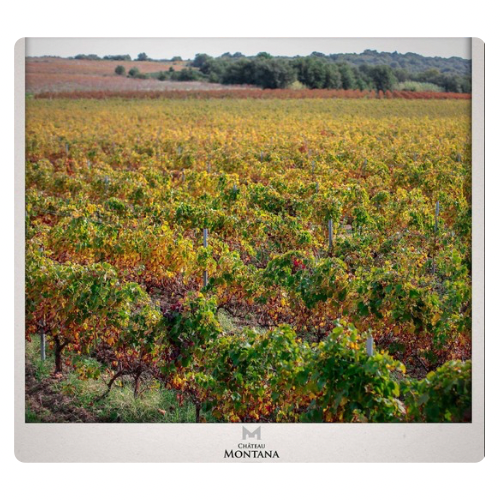
Château Montana- in Southern France crafts natural wines from traditional local grapes like Syrah, Grenache, Carignan, Mourvèdre, and Muscat. With clay-limestone soils and organic farming practices, their wines reflect the unique Aspres terroir. Experience authentic, eco-conscious winemaking at its best.
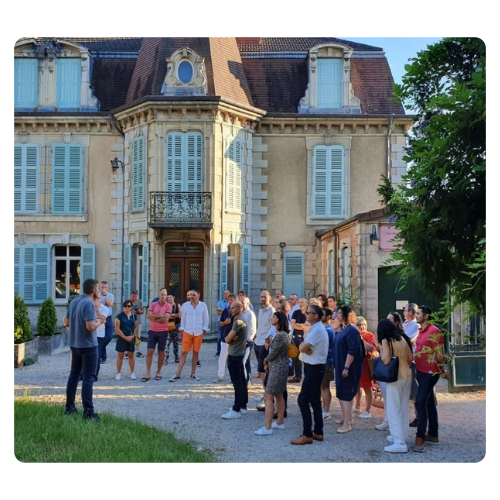
Fruitière Vinicole d’Arbois- in the Jura crafts natural wines that celebrate tradition and terroir. From Savagnin ouillé with citrus and floral notes to Poulsard's light, ruby elegance, each bottle reflects the Jura's unique character. Certified organic, their wines are a testament to sustainable craftsmanship.
Biodynamic Wines: Crafting Flavor Through Natural Rhythms
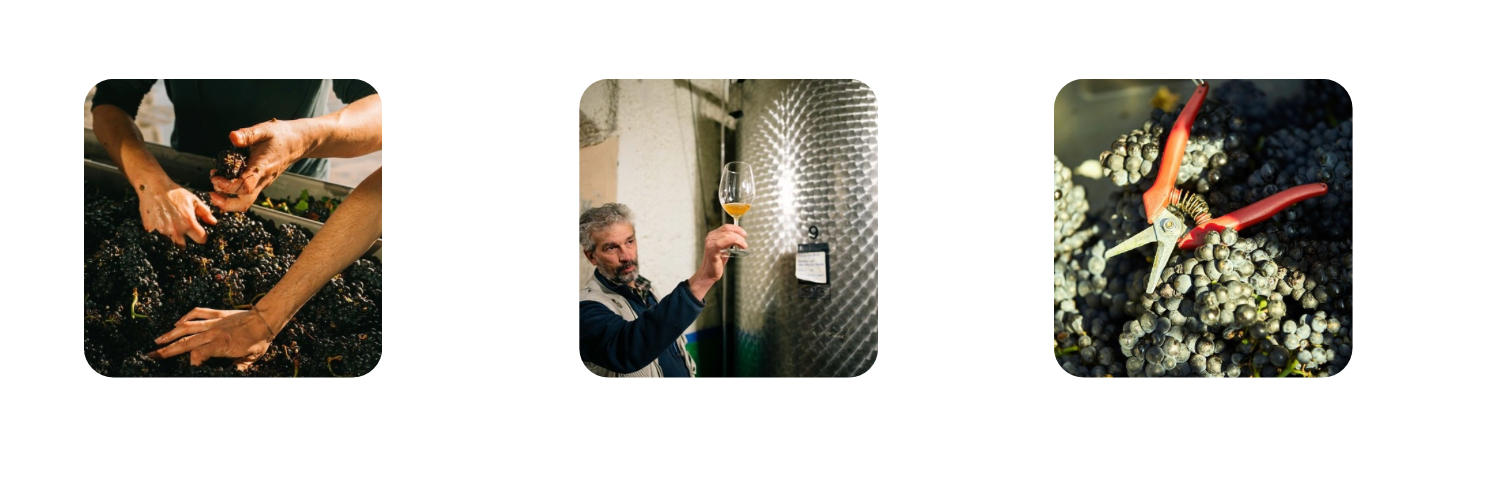
Biodynamic wine takes organic farming a step further. Based on the teachings of Rudolf Steiner, biodynamic viticulture views the vineyard as a self-sustaining ecosystem that lives in harmony with the earth, moon, and stars. Farmers follow lunar and planetary cycles to guide planting, pruning, and harvesting, creating a natural harmony between soil and vine. No synthetic chemicals are used; instead, herbal and mineral preparations nourish the land, encouraging vibrant ecosystems and deep soil health.
Key Characteristics
- 100% organic farming, enhanced by biodynamic preparations (herbal, mineral, and manure-based)
- Focus on soil vitality and biodiversity
- Activities follow lunar and cosmic cycles
- No synthetic chemicals or fertilizers
Understanding Wine Certification
Biodynamic wines are certified by respected organizations like Demeter and Biodyvin, which verify adherence to Steiner’s principles.
The Art of Flavor: How Quality Defines Great Wine
Fans of biodynamic wines often describe them as more vibrant, balanced, and full of life. The holistic approach can lead to wines with exceptional depth and energy.

Biodynamic Wineries you can visit across Europe
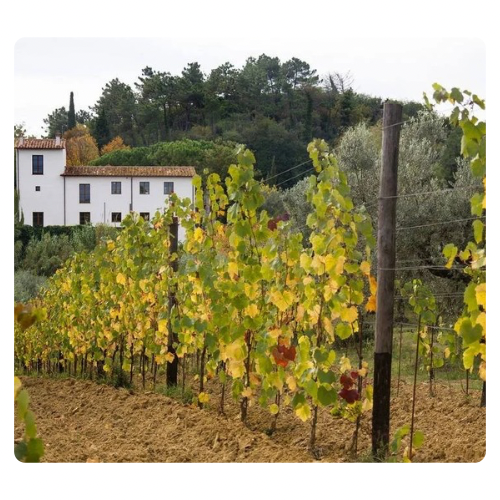
Podere Anima Mundi
In Italy crafts natural, biodynamic wines from rare native grapes like Pugnitello and Foglia Tonda. Minimal intervention, no additives—just pure terroir in every sip.
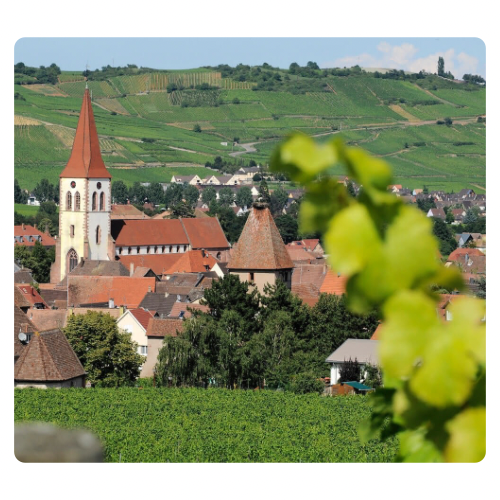
Jean-Baptiste Adam. – Alsace, France blends 400+ years of heritage with organic & biodynamic winemaking. Experience true Alsace craftsmanship.
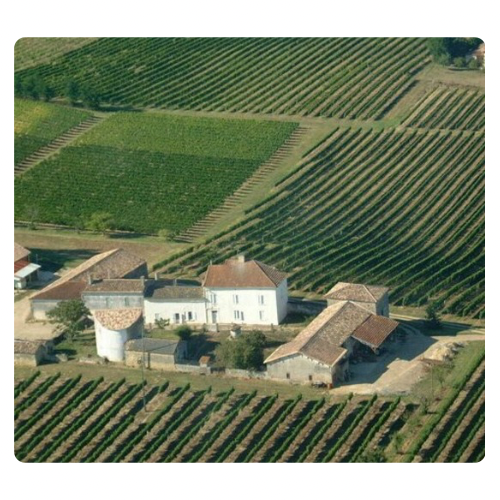
Château Chillac- Bordeaux produces organic and biodynamic wines, including reds like L’Originel and whites such as Bordeaux Blanc Sec. The estate spans 55 hectares, with 35 dedicated to vineyards, and offers charming gîtes for visitors. Certified since 2013, their wines reflect a commitment to sustainable practices and regional terroir.
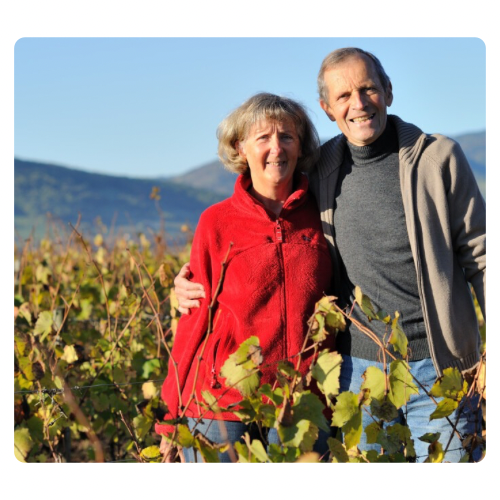
Cret de Bine – Beaujolais, France is a family-run estate committed to organic and biodynamic viticulture. Established in 2008 by François and Marie-Thérèse Subrin, the vineyard spans 11 hectares on granitic soils. With a focus on sustainable practices, they produce expressive wines from 40-year-old Gamay vines, including the notable BioAddict cuvée. Visitors can enjoy panoramic walks and tastings at their Sarcey location.
Natural Wine: Pure, Wild, and Unfiltered
Natural wine is wine in its most honest form—nothing added, nothing taken away. Made from organically or biodynamically grown grapes, it relies on wild, native yeasts to spark fermentation, letting nature lead the process. There are no chemical additives, no flavor corrections, and no heavy filtration—just pure grape juice transformed by time, care, and the rhythms of the vineyard.
These wines are often unpredictable: sometimes cloudy, lightly fizzy, or bursting with untamed aromas. But that’s their charm. Each bottle carries the fingerprint of its place—its soil, climate, and the hands that tended it. Every sip offers a glimpse into the vineyard’s ecosystem, alive with wild yeasts, microbes, and natural energy.
Natural wine is about minimal intervention — letting the grapes and nature do all the work. While the grapes are usually grown organically or biodynamically, what truly defines natural wine is how little is done in the cellar.
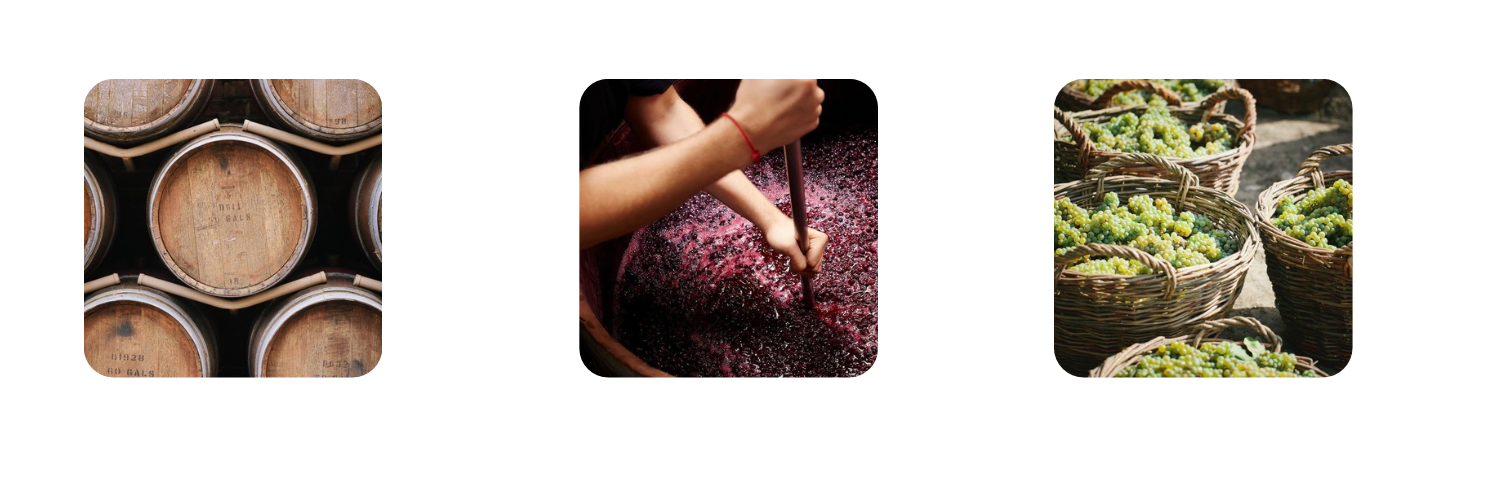
Key Characteristics
- Grapes grown organically or biodynamically
- Wild fermentation using native yeasts
- No added chemicals or additives
- No filtration or fining, leading to cloudy or “alive” wines
- Little or no added sulfites
Understanding Wine Certification
Unlike organic or biodynamic wines, natural wine isn’t officially regulated. However, in France, the Vin Méthode Nature label (created in 2020) provides guidelines for authentic natural wines, including rules for wild fermentation and minimal sulfur use.
The Art of Flavor: How Quality Defines Great Wine
Natural wines can taste funky, rustic, or unpredictable, but they often express the raw character of the grape and terroir in the most honest way.
Featured Natural Wine Producers
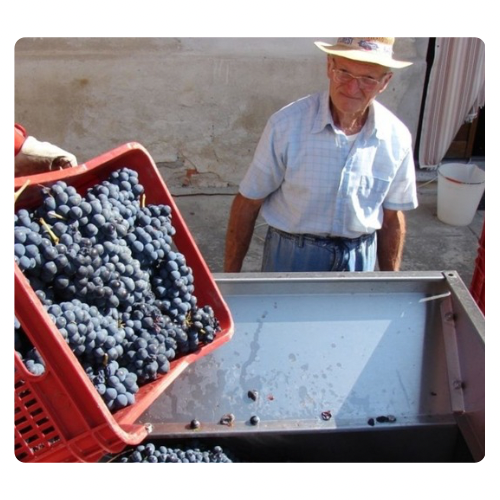
Adriano Grasso Natural Wines
Italy. From the ancient Gamba di Pernice to vibrant Barbera and elegant Metodo Classico Rosé, each bottle reflects Adriano’s passion for organic, hands-on winemaking. Experience the essence of Langhe and Monferrato in every sip.
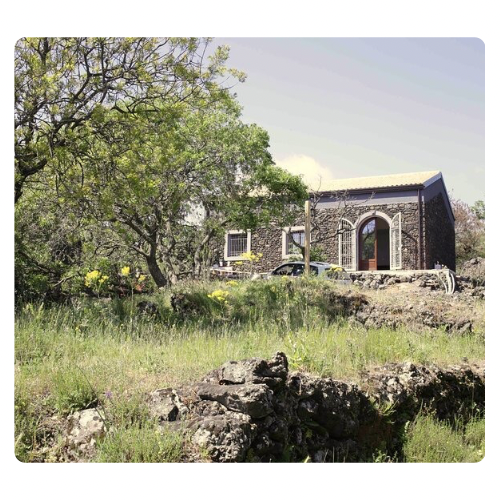
Casa etnella agriturismo--Sicily, Italy is a family-run winery in Sicily, dedicated to producing organic and natural wines that reflect the island's rich terroir. Their commitment to sustainable practices ensures that each bottle offers a pure taste of Sicily's unique flavors.
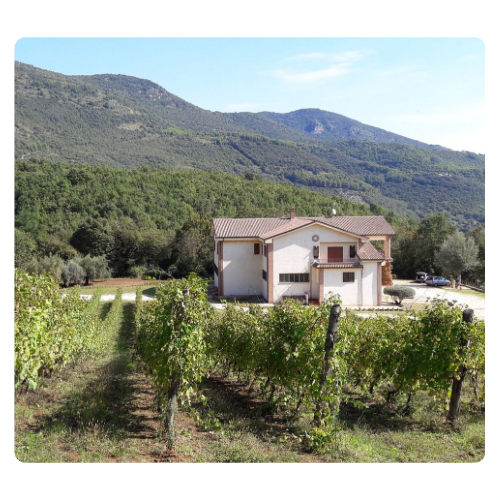
II Verro Winery – Campania, Italy.This boutique, organic estate produces around 30,000 bottles annually, embracing sustainable practices to craft wines that reflect the rich terroir of Monte Maggiore. Il Verro's commitment to tradition and quality offers a unique taste of Campania's winemaking heritage.
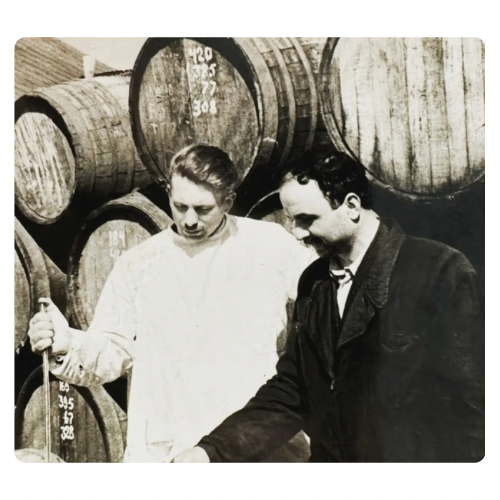
Simon Chkheidze Wine Cellar – Georgia/Imereti's II Obcha village, Simon Chkheidze Wine Cellar honors Georgian winemaking traditions. Founded in 2008 by brothers Nugzar and Mamuka Chkheidze, the family-run winery produces natural wines from indigenous Imeretian varieties like Tsitska, Tsolikouri, Krakhuna, and Otskhanuri Sapere.
Understanding the Differences and Similarities
| Category | Farming Practices | Winemaking Style | Certification | Taste Profile |
| Organic Wine | No synthetic chemicals; sustainable farming | Controlled, with limited additives | USDA, EU Organic, Ecocert | Fresh, clean, terroir-driven |
| Biodynamic Wine | Organic + lunar cycles, natural composts | Holistic, energy-focused, minimal intervention | Demeter, Biodyvin | Complex, vibrant, expressive |
| Natural Wine | Organic or biodynamic grapes | Wild fermentation, no filtration, no additives | None (Vin Méthode Nature in France) | Funky, raw, unpredictable |
The Truth Behind Stereotypes
“All organic wines are natural wines.”
Not true! While both use eco-friendly farming, natural wine refers to what happens after harvest — no additives or filtering during winemaking.
“Biodynamic wine is just a marketing gimmick.”
Biodynamics is rooted in a century-old agricultural philosophy with proven benefits for soil health, biodiversity, and ecosystem balance.
“Natural wines are faulty or unstable.”
While natural wines can taste different or have a cloudy appearance, these traits are often intentional and celebrated for their authenticity.
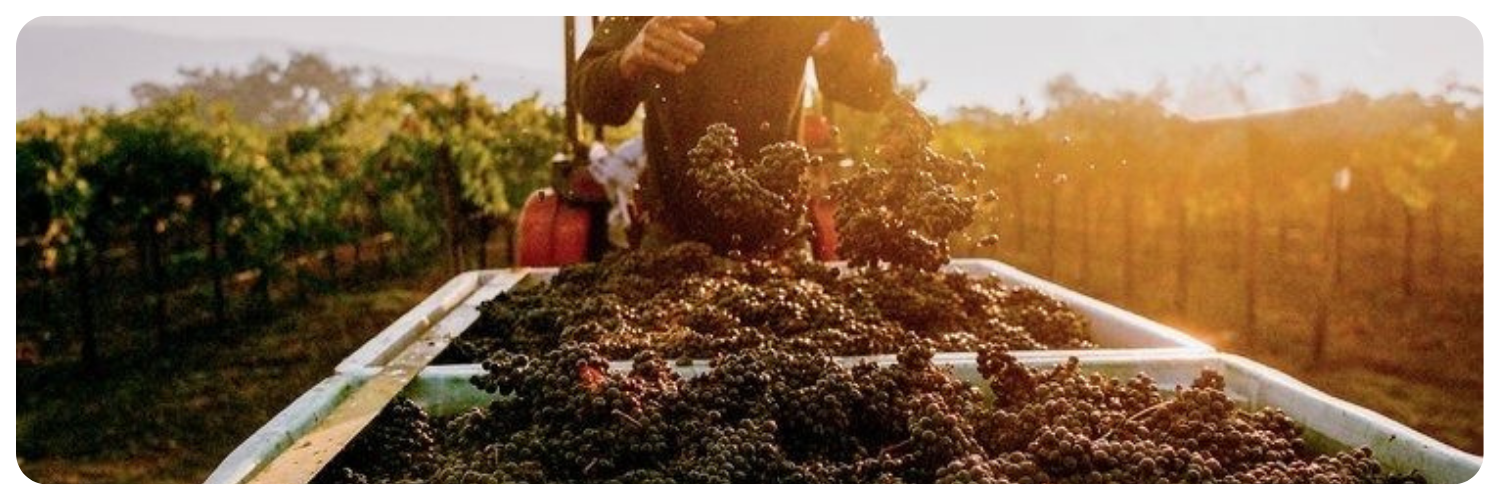
The Character and Charm of Every Wine Style
| Organic Wine is Healthier for consumers and the environment No synthetic chemicals or artificial inputs Promotes sustainable agriculture | Biodynamic Wine Enhances soil fertility and vineyard biodiversity Connects farming to natural rhythms Often results in deeper, more energetic wines | Natural Wine Represents the purest expression of grape and terroir Free from additives, offering a “living” taste experience Appeals to eco-conscious and adventurous wine lovers |
Final Notes
Organic, biodynamic, and natural wines all share one thing: a respect for nature and authenticity.
Yet, they differ in philosophy — from clean organic farming to cosmic biodynamics and the raw, minimalist style of natural wines. So next time you’re choosing a bottle, ask yourself:
Do you want organic (eco-friendly and fresh), biodynamic (balanced and soulful), or natural (pure and wild)?
Whichever you pick, you’re not just choosing a wine — you’re choosing a way of connecting with the earth, the vine, and your values.