
$4.60
·
5.0
·
5 reviews
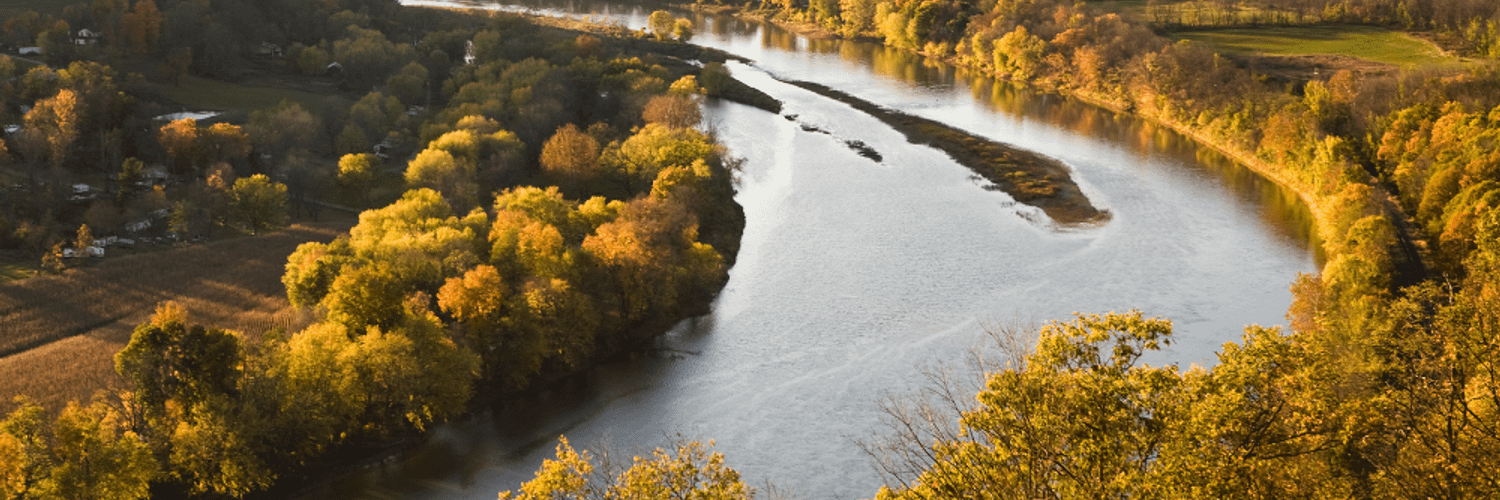
Pennsylvania, located in the Mid-Atlantic region of the United States, offers a distinctive wine tourism experience characterized by its diverse microclimates and rich agricultural heritage. This state is home to notable wine areas such as the Lehigh Valley, the Pocono Mountains, and the Erie Shores, where you can explore vineyards producing exceptional wines from indigenous grape varieties like Catawba and Chambourcin. Venture through charming wineries, savor local flavors, and immerse yourself in the cultural tapestry that makes Pennsylvania a unique destination for wine enthusiasts.
Pennsylvania has a long tradition in winemaking that dates back 330 years. The state is home to various wine trails, making it an ideal destination for a short break. In addition, the wineries of PA produce an exciting spectrum of wines. As you plan your tour of the wine-producing areas of Pennsylvania, we invite you to discover the outstanding wines they have to offer.
USA's winemaking style is unique and stands out from the rest as it is determined by several factors such as soil type, choice of grape varieties used, and production methods employed by local winemakers. These elements work together to create a distinctive style of wine that cannot be found anywhere else in Pennsylvania or even in other countries.
Wineries in the USA offer some of the most exquisite wines in the world, and we urge you to try them. Our site provides detailed information regarding available options and makes it easier for you to take full advantage of this region's remarkable offerings. Learn about Wine Tasting and Tours for a truly unforgettable experience.
Pennsylvania wine country is located in Pennsylvania state, in the northeastern part of the USA.
Pennsylvania has a temperate climate with mild temperatures throughout the year, which is mainly due to the presence of Lake Erie in the North and the Atlantic Ocean to the east. It ranks 8th among all states in terms of wine production.
Pennsylvania has a maximum East-West distance of 300 miles, and North-South distance of 150 miles. In the Southeast of the state, due to its proximity to the Atlantic Ocean, summers tend to be hotter with temperatures averaging 23°C. Humidity is also a key factor in how hot an area can feel. For example, the Northwestern region of Pennsylvania is affected by Lake Erie and stays cooler due to lower humidity levels – seeing average summer temperatures of 20°C. In between these regions, there are many mountain ranges, valleys and rivers which all alter the terroir of Pennsylvania.
William Penn is recognized as being the first to introduce winemaking to Pennsylvania approximately 300 years ago. He planted Bordeaux grapevine cuttings in what is now known as Fairmount Park in Philadelphia. Due to natural disease and bug infestations, the majority of vineyards planted in the early stages of the country's history could not survive.
From the colonial period up until the early 1900s, Pennsylvania mainly grew local grapes or hybrids for winemaking - these varieties were more frost-resistant than European vinifera species. Despite their efforts, winemakers were not able to grow popular grapes like Cabernet Sauvignon and Chardonnay successfully. This was primarily due to the Prohibition law enacted in 1920 which completely halted the Pennsylvania wine industry's progress. After the repeal of Prohibition, Pennsylvania had strict alcohol regulations that made it difficult to produce or distribute wine. It wasn't until 1968 when the Pennsylvania Limited Winery Act was approved that Penn Shore Winery in Erie County became the state's first permitted winery since Prohibition.
Pennsylvania's winemaking industry has come a long way since 1976. Now the state counts approximately 300 wineries, thanks to their research into which vinifera varieties can flourish in the environment and trial error with native and hybrid types to create quality wine.
Pennsylvania has a distinctive climate and soil composition, which provides the perfect environment for cultivating grapes and winemaking. PA wines range from sweet to dry to dessert and even fortified. Currently, there are over 5600 ha of grapevines planted in the state and that number is expected to increase in the future. The area is known for its diverse types of red and white grapes, which make it unique from other regions.
White wine grapes of Pennsylvania include Riesling, Cayuga, Seyval Blanc, Albariño, Grüner Veltliner, Vidal Blanc, Niagara, and Traminette. Pennsylvania red wines are made of grapes such as Cabernet Franc, Merlot, Chambourcin (Lemberger), Carmine Teroldego, and Saperavi.
Mushroom julienne is a traditional Russian snack made of finely sliced mushrooms, onions, cream, cheese, and sour cream. White wine, nutmeg, and ground pepper are frequently used to season the meal. It is generally served as an appetizer in small ceramic or metal plates, but it can also be used as a meat garnish.
On the side, serve the mushroom julienne with toasted breadsticks or sliced bread.
Contrary to what the name implies, one of the classics of Southern American cuisine known as chicken fried steak includes no chicken at all. It is made out of a thin, breaded, and fried piece of beef that is customarily served with mashed potatoes and cream gravy.
Steak au poivre is a French meal that consists of a fried beef steak covered in crushed peppercorns. It is served with a sauce created in the same pan in which the steak was cooked. Traditionally, the meal is served with potatoes and a salad on the side.
Ohiopyle State Park is situated on the banks of the Youghiogheny River and is known for its picturesque surroundings. It gives you the opportunity to enjoy various recreation activities like whitewater rafting, kayaking and more with direct access to the river.
Ohiopyle State Park is a popular destination among hikers. It has numerous waterfalls, the most famous of which is Cucumber Falls.
Lancaster County, often referred to as Pennsylvania Dutch Country, is home to a large concentration of Amish people. While the state capital, Harrisburg, is within the region's boundaries, most of it consists of countryside and rural areas.
In the Amish area of the state, you will find white picket fences and pristinely-kept barns. To experience this unique culture, take a trip to one of the local markets - it is certainly one of the best ways to explore this part of America.
Pittsburgh, otherwise known as the Steel City, is a huge city located where the Ohio River, Allegheny River & Monongahela River converge. It has plenty of steel bridges running across these rivers and has further been defined by its unique topography - green hills rising sharply from the river's depths.
Pittsburgh is known for its industrial past, but it also has many beautiful places to explore. The U.S. Steel Tower stands as the tallest building in all of Downtown Pittsburgh, making it a must-see attraction if you're visiting the city.Point State Park, located in the heart of Downtown, is a great place to take a stroll and explore the 19th century Fort Pitt Block House.
Just getting started on your wine journey, or jumping back in?
Look through our collection of great wineries
Displaying 1-2 of 2 wineries

Just getting started on your wine journey, or jumping back in?
Look through our collection of great wineries


Discover the locations of wineries in Pennsylvania
Join our newsletter now to receive our free guide on how to plan the perfect wine tour
