
ARS 10,000.00
·
5.0
·
7 reviews
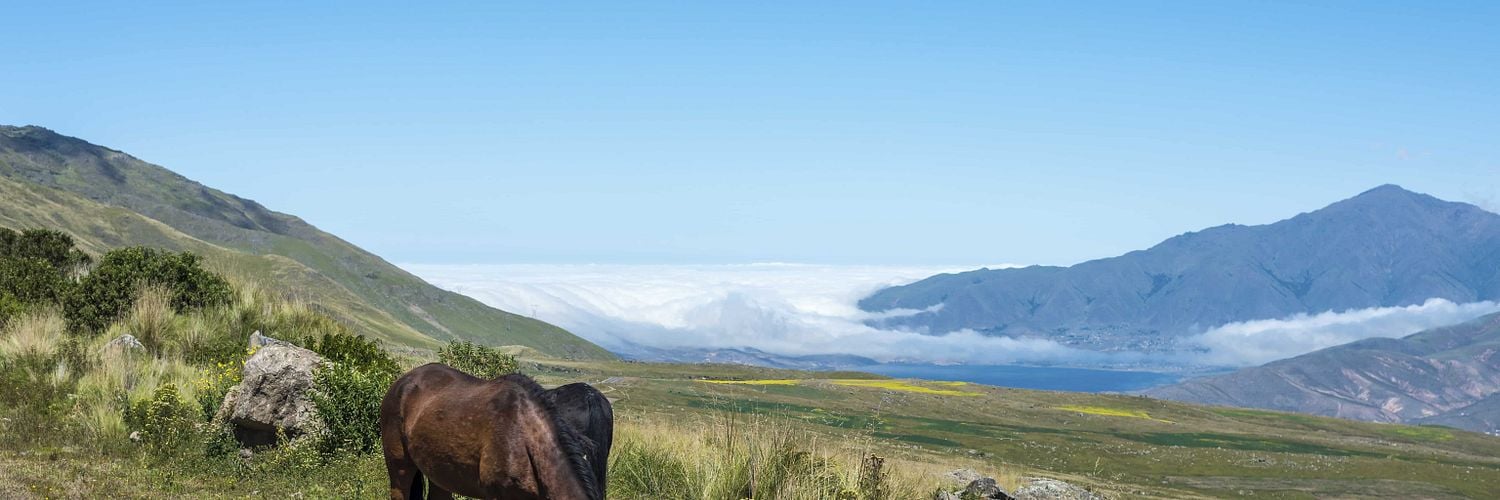
Tucumán, located in the northwestern corner of Argentina, offers an intriguing blend of rich cultural heritage and extraordinary wine tourism experiences. This emerging viticultural region is celebrated for its unique indigenous grape varieties, particularly the exquisite Torrontés and Malbec. Explore the picturesque valleys of the Calchaquíes and the lush landscapes of the Tucumán foothills, where boutique wineries invite you to savor their distinct terroirs. Discover local traditions through vineyard tours and personalized tasting experiences that celebrate the true essence of Tucumán’s wine culture.
Tucuman is one of the smallest, but most densely populated, regions in Argentina. It is located in the northwest and possesses great historical value for the entire country. The Tucuman wine-growing region is part of the Calchaquí Valley wine region. Its name derives from the word "yucuman" meaning "place where rivers are born". Viticulture started when the Spanish conquerors brought French grape varieties to the region and planted them. The Tucuman wine region, like many others in Argentina, is surrounded by high mountain peaks. This geographical location creates various microclimates, but generally, Tucuman has hot and humid summers and dry winters.
Find out about Wine Tasting & Tours in Tucuman to enjoy if you visit the region.
Follow the travel guide to Tucuman Wine Region and discover more about:
Wineries to visit in Tucuman Valley

The Tucuman wine region is famous for the quality of its red wines, especially Malbec and Cabernet Sauvignon. Torrontes is another popular wine from this northern region. Almost 81% of the vineyards in Tucuman are planted with red grapes, 19% with white grapes. Red wines from Tucuman are mostly complex wines, used both as varietals and blends. The Tucuman wine region as a whole possesses a GI appellation, and also one of its sub-areas called Táfi, is recognized as having a GI.
The Tucuman wine region is located in a sub-Andean valley and it has a dry and arid climate throughout the entire year. Summers are usually very hot, and winters are very cold, even though they are very short. Vines experience constant exposure to sun rays and are always touched by gentle winds.
The soil of the Tucuman wine region is mostly sandy, and due to the Andean valley, it lies in the landscape is rocky with not much vegetation.
Grape Varieties:
Red: Cabernet Franc, Cabernet Sauvignon, Malbec, Merlot, Criolla Chica (pink skin)
White: Torrontes, Sauvignon Blanc, Chardonnay
In general, wine from the Tucuman wine region presents a bright colour and a great balance of sweet fruit flavours and spicy aromas. The dry climate makes it possible for grapes to be perfectly ripe, and the final result is the right balance of alcohol in the wine.
Red wines are the main protagonist in the Tucuman wine region. Malbec is a balanced wine that has a complex bouquet of flavours; among these, there are cherry, blackberry, vanilla, and notes of cinnamon. Sweet tannins give the wine an elegant and robust impact on the palate.
Cabernet Sauvignon is another popular red wine in the Tucuman wine region. It is spicier than Malbec, as it has pepper notes that blend perfectly with fresh notes of eucalyptus and black fruits. In most wineries, Cabernet Sauvignon aged in American oak barrels, which give the wine a nice vanilla aroma.
Cabernet Franc is another aromatic and spicy red wine, thanks to black pepper. This red wine is often mixed with concentrated ripe berries and has a smooth finish on the palate, the merit of its robust tannins.
The Las Arcas de Tombolón is a majestic winery that dominates the desert-like countryside of the Yocavil Valley, in the Tucuman region. The winery first opened its doors and kicked off wine production in 2007 and since then, wines from Las Arcas de Tombolónhave won several prizes and awards.
The vineyard area is 33ha and the signature varieties are Malbec, Cabernet Sauvignon, Torrontes, and Tannat. However, one of the winery’s best is the Petit Verdot, a top-rated red wine.
Have a look at our selection of Wineries in Tucuman with open cellar door and the greatest hospitality!
You can also check out our interactive map of the Tucuman Wine Region to discover wineries with open cellar doors.

The Ruins of Quilmes are a vast archaeological site located in the Tucuman province and it showcases the largest pre-Columbian settlement in Argentina. The archaeological area covers an area of 30ha and the ruins date back to the 9th century when the province was inhabited by the Quilmes.
In Spanish the Ruins of Quilmes are called La Ciudad Segrada de Quilmes, literally ‘The Sacred City of Quilmes’. The settlement was first discovered in 1897 by the equipe of the archeologist Juan Bautista Ambrosetti.
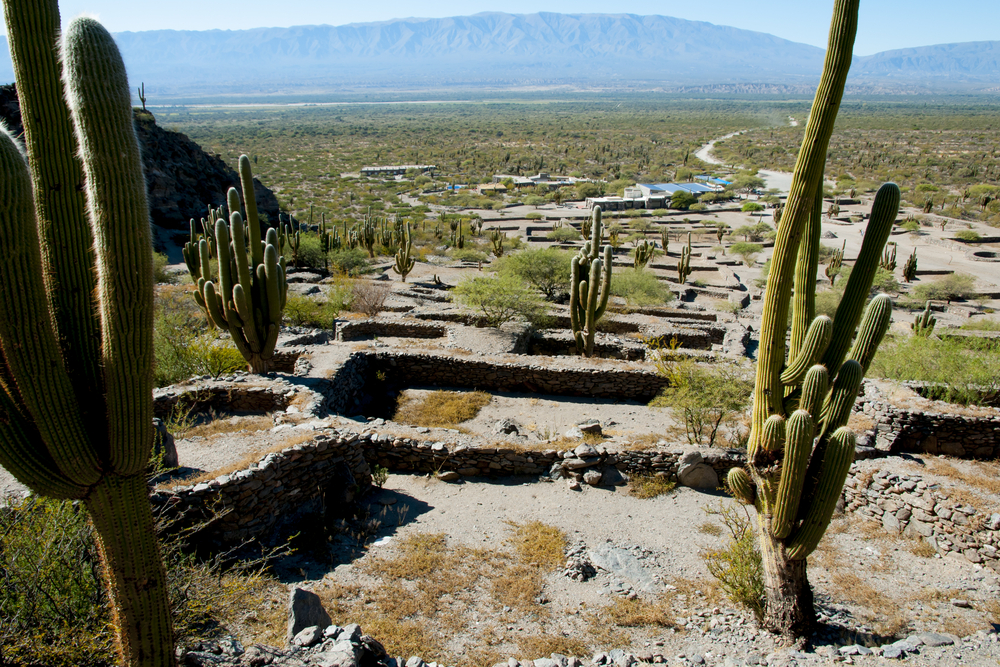
The Runs of Quilmes are a very important place for the Argentinean people, as it testifies the urban model of an ancient people. Indeed, between the years 1970 and 1980, the Argentinean Government put a lot of money into the restoration of the site and made it accessible to tourists.
The Museum of Independence is a historical colonial building located in the city of San Miguel de Tucuman. During the Argentinean War of Independence, this was the seat of the government of the Tucuman province and it was where the Argentine Declaration of Independence was issued on 9th July 1816.
The building, and the museum that was later opened, have a very strong historical significance in the history of Argentina. As a matter of fact, every year on 9th July, the president comes to San Miguel de Tucuman to celebrate the declaration of independence. Only for that day, San Miguel is the capital city of Argentina.
The Ninth of July Park is the largest park in the city of San Miguel de Tucuman. The vast urban green area was inaugurated on the centennial of the Argentinean Independence on 9th July 1916. Every year the Independence Day parade passes through the park. The Ninth of July Park is a great resource for the citizens of San Miguel. It can be both a place for jogging and doing sport and a place to learn more about the history of Argentina. Statues of important statesmen are located inside the park.
The Campo de los Alisos National Park is a protected area in the Tucuman province. The park is a great example of the biodiversity of a Yungas forest and Alder trees. The various areas of the park spread between a height of 847 to 5200 meters above sea level. As you move around the park, you will always be accompanied by spectacular landscapes dominated by snowcapped Andean peaks.
Many hiking trails can be followed inside the park, and the higher you go, the more difficult the trails become. If you want to camp inside the Campo de los Alisos National Park, you need to contact the rangers that will inform you of where you can build your tent.
The Parque Sierra de San Javier is a nature reserve managed by the University of Tucuman and used by students and professors as a “school” where to learn about nature and biodiversity.
Together with the Parque Provincial Aconquija and the Experimental Reserve of Horco Molle, the Parque Sierra de San Javier can fully protect all the natural aspects of the area, from landscapes to hydrogeological characteristics.
To discover the park better, there are several trekking and hiking trails you can choose from. One of the most spectacular ones is the Senda Puenta del Cielo trail that lasts approximately 2.30h, and it will take you to the town of San Javier. For those who are less passionate about long walks but still want to discover the peculiarities of the reserve, there’s the Sendero Las Yungas. This trail goes into the Yungas forest used by the University of Tucuman for their studies.
Empanadas are one of the most popular specialties from Argentina and every region, or even city, has its own recipe. The difference in the filling of the empanada depends on the ingredients available in that specific area.
The empanadas from the Tucuman province are filled with a mix of cooked flank steak, onion, eggs, carrots, and a lot of spices to give the empanada a strong and distinctive flavour.

Panchuker is popular Argentinean street food and it basically consists of a sausage covered with fried batter. It’s very similar to the American corn dog, as also Panchuker is served on a stick.
In the province of Tucuman this street food is so popular that there even are panchukeras, places specialised in Panchukers.
Arcayuyo is an aromatic herb that grows spontaneously in the province of Tucuman. The perfect geoclimatic condition for Arcayuyo to grow is in an arid zone at 2000 meters above sea level.
The leaves of the Arcayuyo have an elliptic shape and flowers with five petals. The flowers of Arcayuyo are mostly used as a natural medicine to help stomachaches, allergies, skin problems.
Just getting started on your wine journey, or jumping back in?
Look through our collection of great wineries
Displaying 1-1 of 1 wineries
Just getting started on your wine journey, or jumping back in?
Look through our collection of great wineries

Discover the locations of wineries in Tucuman
Join our newsletter now to receive our free guide on how to plan the perfect wine tour
