


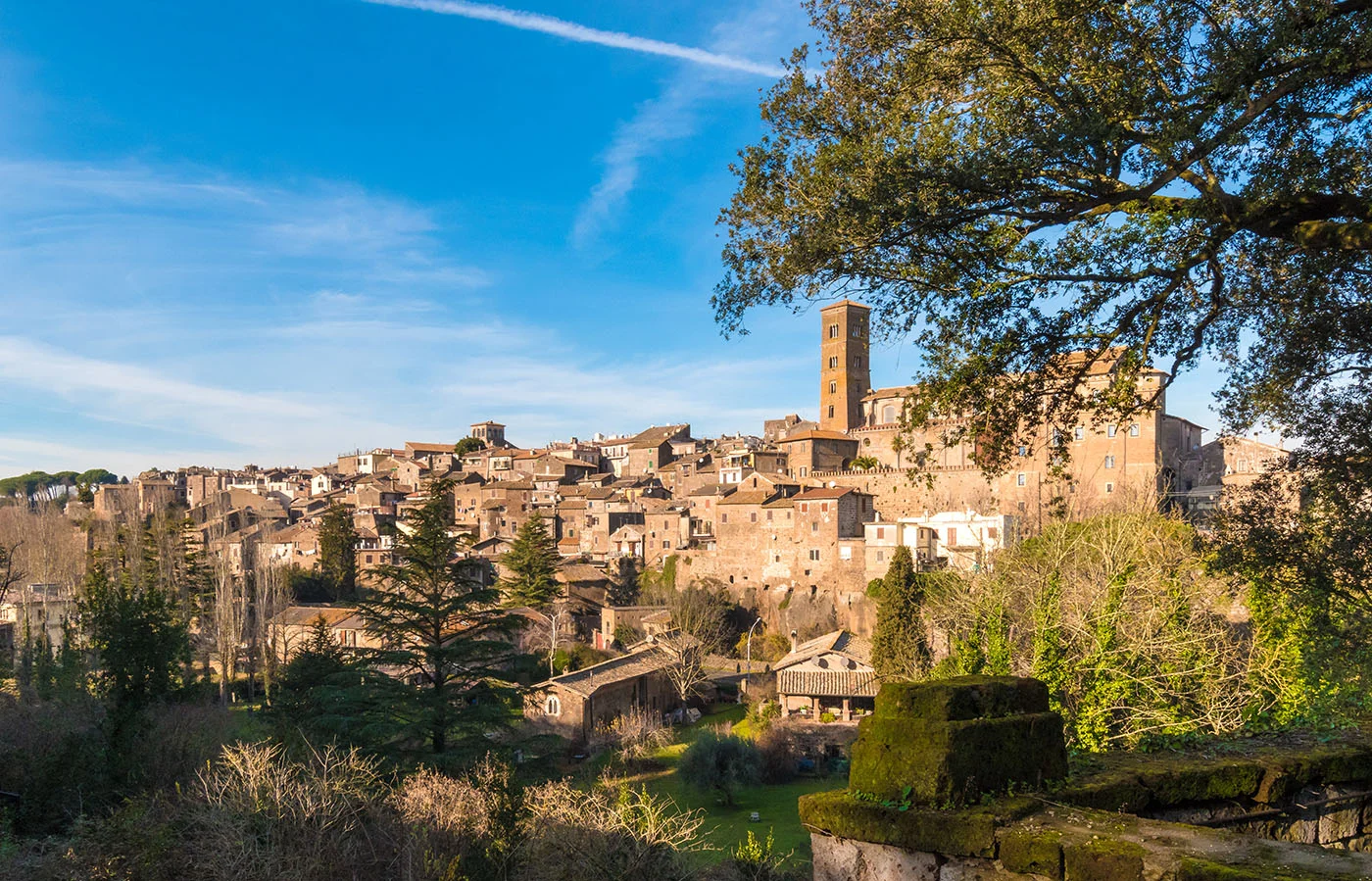
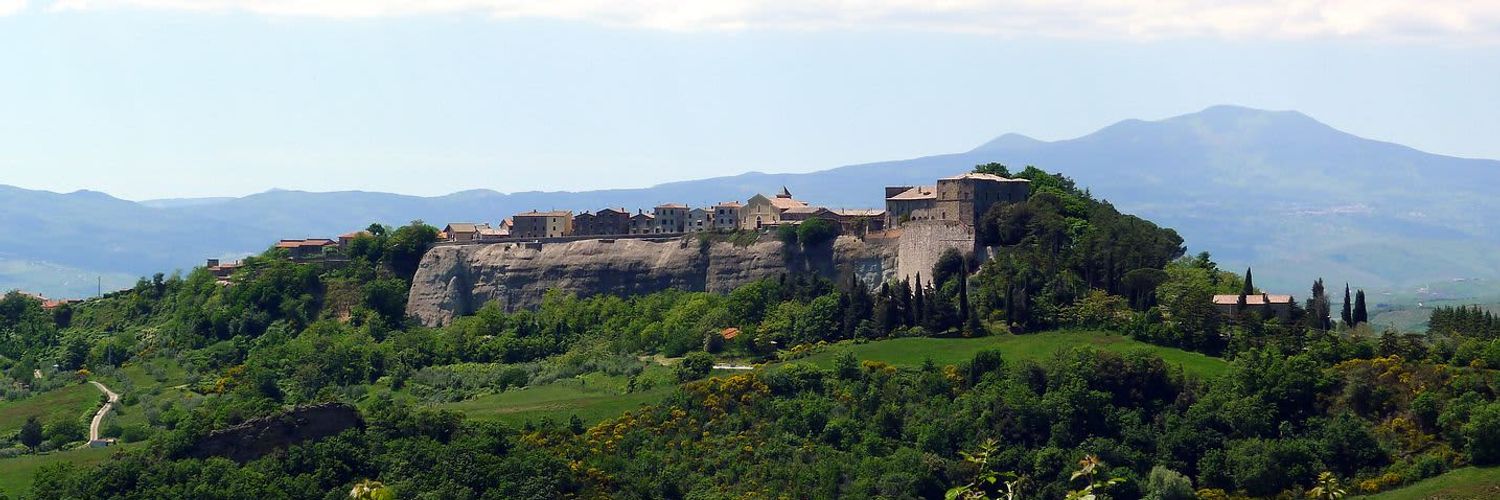
Lazio invites wine enthusiasts to discover an impressive array of indigenous grape varieties and rich vinicultural traditions. With acclaimed areas like Frascati, known for its crisp white wines, and the full-bodied reds of Montefiascone, the region offers a blend of stunning landscapes and cultural heritage. Visitors can explore charming wineries, indulge in tastings, and delve into the unique profiles of wines such as Cesanese and Malvasia. Experience wine tourism in Lazio, where every sip tells a story of the land.

Rugged limestone mountains, romantic gorges and volcanic lakes, wide plains, and long coastlines. But also historically and culturally, the region offers with its capital Rome a wealth of attractions and highlights worth seeing. Follow the way of ancient Romans from its countrysides to the metropolis of millennials and enjoy your dream holidays!
Are you planning your trip to Lazio? Have a look at the list of wine tastings & tours in Lazio for great wine experiences!
Discover more about Lazio wine region through our travel guide:

Lazio wine region is located in central Italy, between Tuscany and Campania. The location of the eternal city, Rome, makes it a cultural center and a dream place to visit for many. Even though Lazio wines are not at their high heights nowadays, the region still remains one of the centers of ancient winemaking. First Etruscans and later Romans tried to take the potential of soils and a climate to satisfy their passion for wines. From a viticultural, as well as cultural, gastronomic, and historic perspective, Lazio still remains one of the frontier regions of Italy.
Talking about the Lazio wine region all the attention immediately goes to Rome, which leaves the beautiful countryside and a long history of viticulture under the shadow of this eternal city. Since the Etruscans, viticulture is practised in Lazio wine region, and later the fertile hinterland supplied mainly the capital of the Roman Empire, including the predecessor of today's Frascati. Lazio wine region is famous for white wine production using grape varieties of Trebbiano, Malvasia di Candia and Malvasia Puntinata.
White wines from the Lazio wine region are light, crispy, and dry and designated to be consumed young.
Discover the list of the best italian wines made by Romeing Magazine.

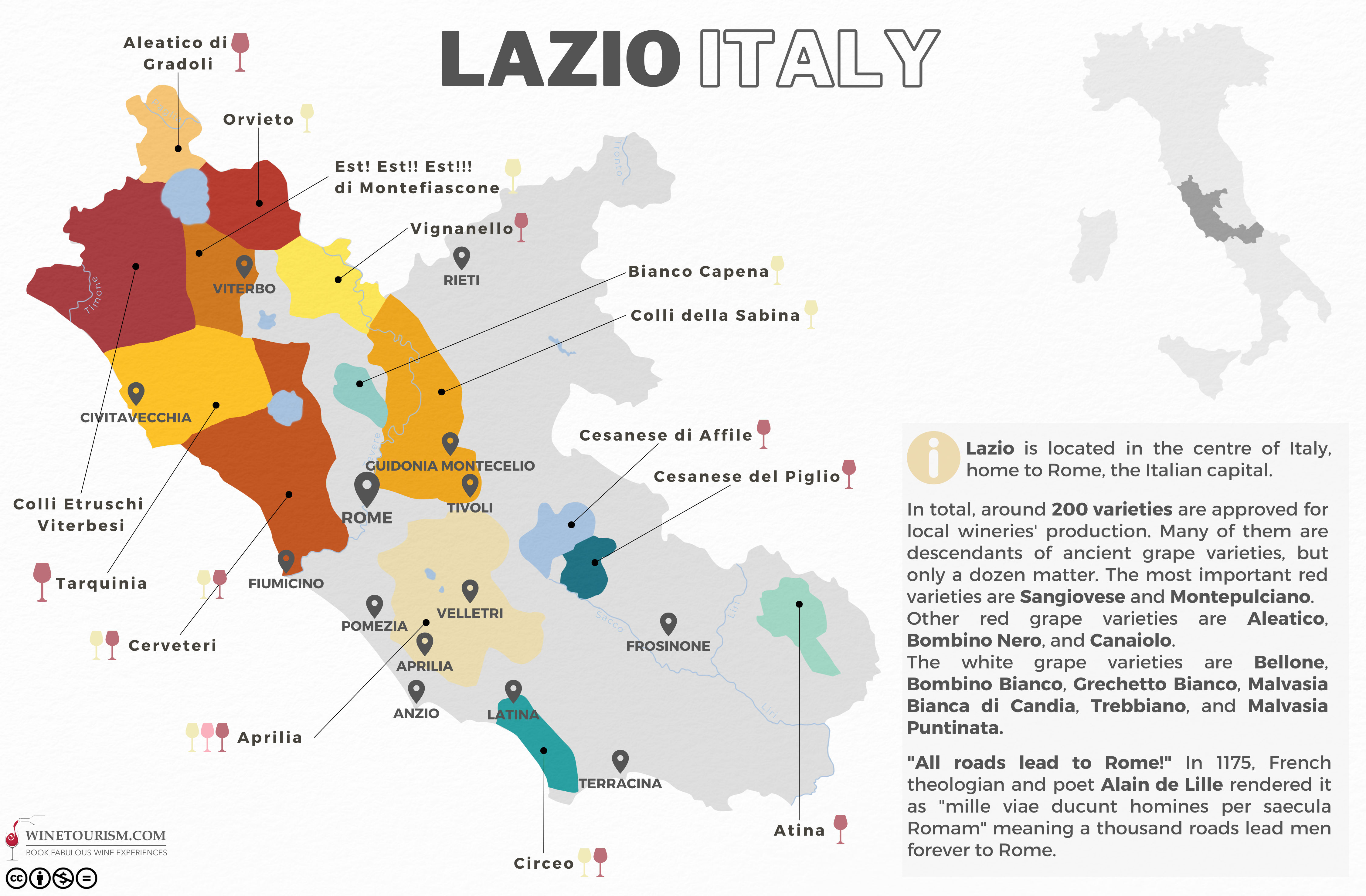
In total, around 200 varieties are approved for the local wineries' production in Lazio wine region. Many of them are descendants of ancient grape varieties, but only a dozen matter. The most important red varieties are Sangiovese and Montepulciano. For the ancient Cesanese, even their own DOC zones were established.
Red grape varieties:
Aleatico
Bombino Nero
Canaiolo
Sangiovese
Montepulciano
White grape varieties:
Bellone
Bombino Bianco
Grechetto Bianco
Malvasia Bianca di Candia
Trebbiano
Malvasia Puntinata
A few kilometres east of the Castelli Romani is the red wine in the center of the cultivation. Around the wine-growing village of Piglio, Cesanese produces tannin-rich, fragrant wines of deep color that can be stored in bottles for several years. There are several flavors, but the DOCG Cesanese del Piglio is considered the best.
"All road lead to Rome!"
Proverb from medieval Latin. in 1175 French theologian and poet Alain de Lille rendered it as "mille viae ducunt homines per saecula Romam" meaning a thousand roads lead men forever to Rome. Which still remains true event after centuries.
Since it does not need the 500th description for the Colosseum or other typical sights in Rome, the following insider tips are listed that offer a different view of Rome.
Many forget that Rome is built on 7 hills, one of which is Avetin, which has much to offer: for example, the orange garden, from whose terrace you have a great view. The Basilica of Saint Sabina is also worth seeing, as the Romanesque church is already very old and still looks very original. On the highest point of the Avetin, there is the Maltese Monastery and its church. Look through a keyhole of the large green gate of "Buco di Roma". This famous keyhole offers a glimpse of the Dome of St. Peter framed by garden hedges.

Worthwhile is also the Cimitero Acattolico, which, even if it is a cemetery- is a real gem. Here many personalities are buried who did not belong to the Catholic Church, including many painters, writers, and ambassadors from other countries. Goethe's son also found his last resting place here.
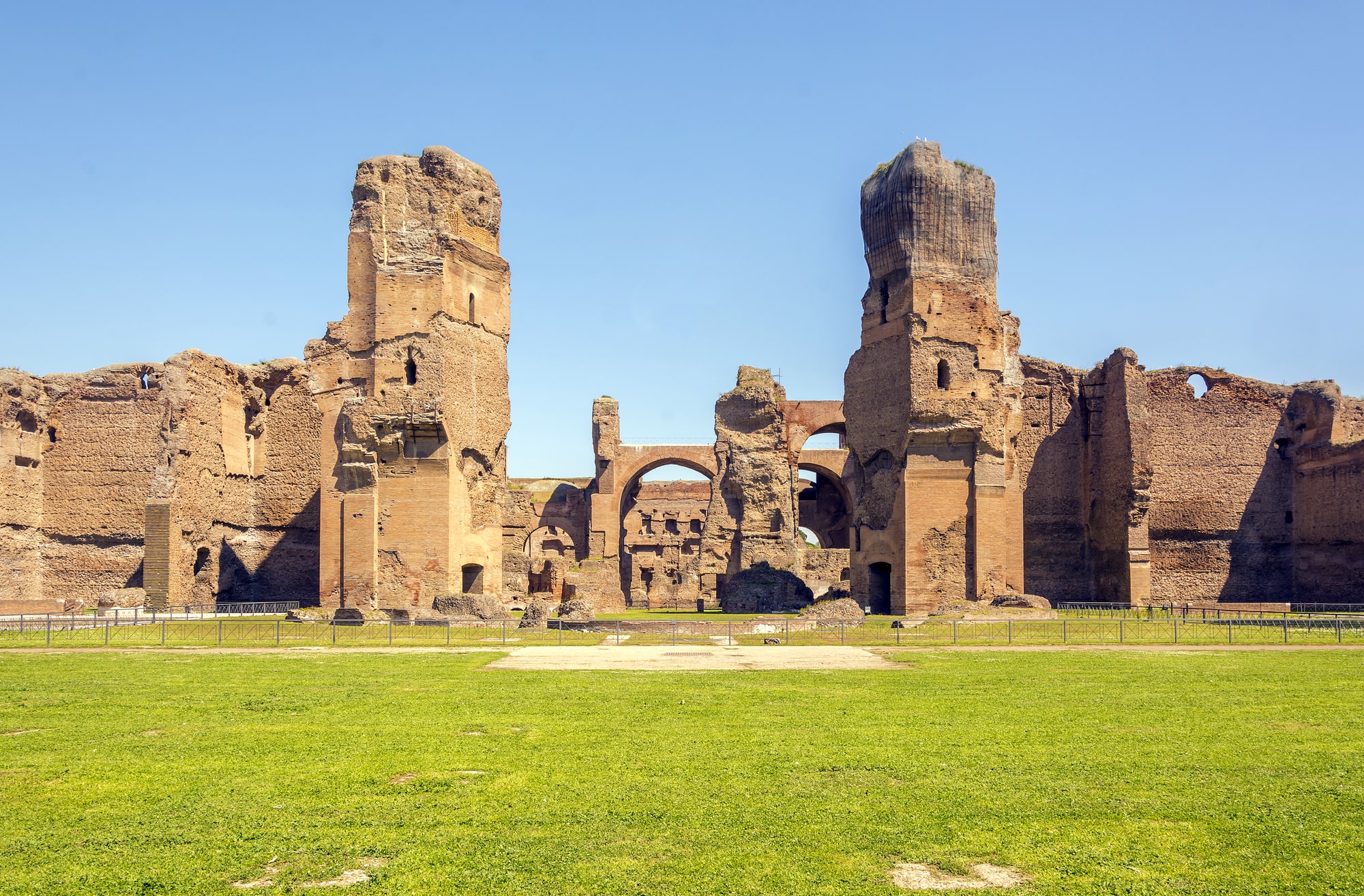
Do you love ruins? Then off to the Caracalla ancient thermal baths! These are not far from the pyramid and invite you on a journey into the old, bathing Rome. The area is large, which is not surprising given the former splendour of the thermal building - up to 2000 people found a place in the warm and cold pools at that time.
Check out our list of wineries near Rome to discover amazing wine experiences.
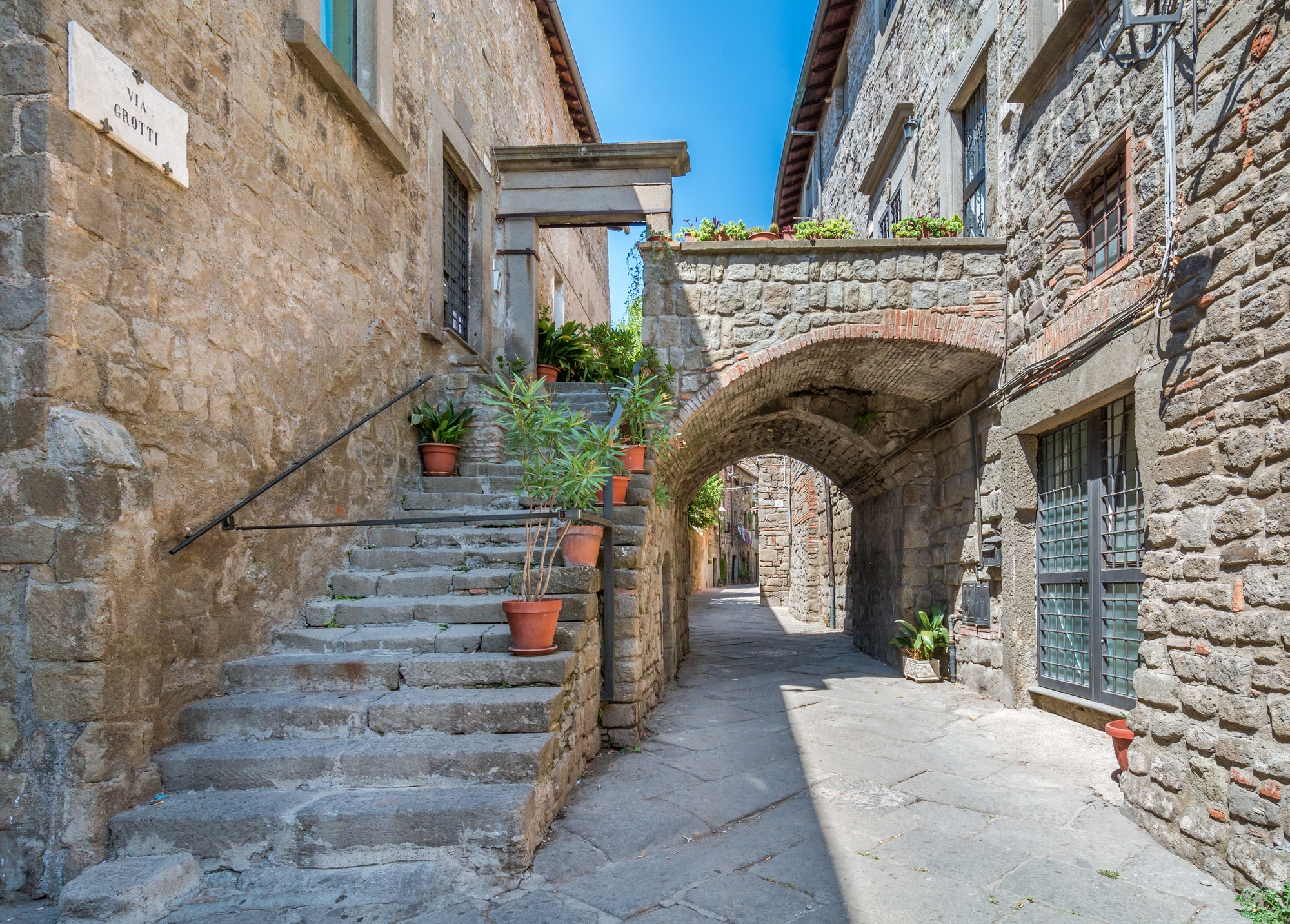
The medieval city of Viterbo is still very well preserved despite bombardments during the Second World War. Characteristics of the city are the meter-high, with towers reinforced city walls that still completely surround the old center.
Viterbo also bears the title "Città dei Papi" - the "City of Popes": In the 13th century, the papal residence was published for eight popes (or 24 years) from Rome to Viterbo.
Since the Middle Ages, the centuries seem to have passed without a trace. Artisan shops and restaurants contribute to their charm.
TIP!
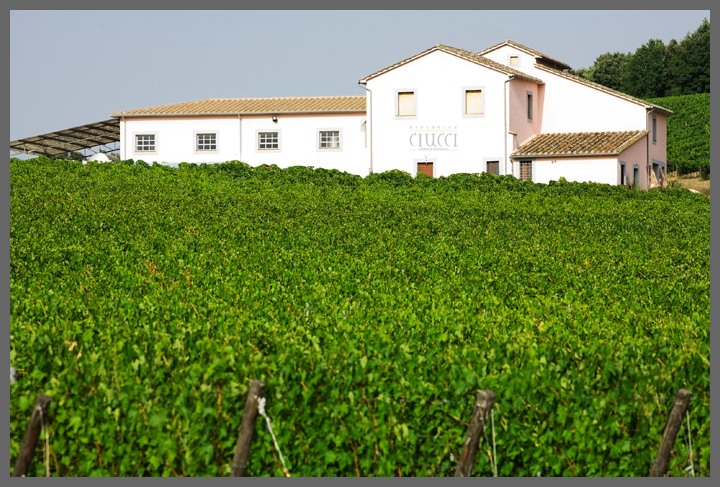
If you are in Viterbo, visiting Azienda Agricola Ciucci is a must!
Estate produce agricultural products since 1910. Besides organic wines, they also have extra virgin olive oil production.
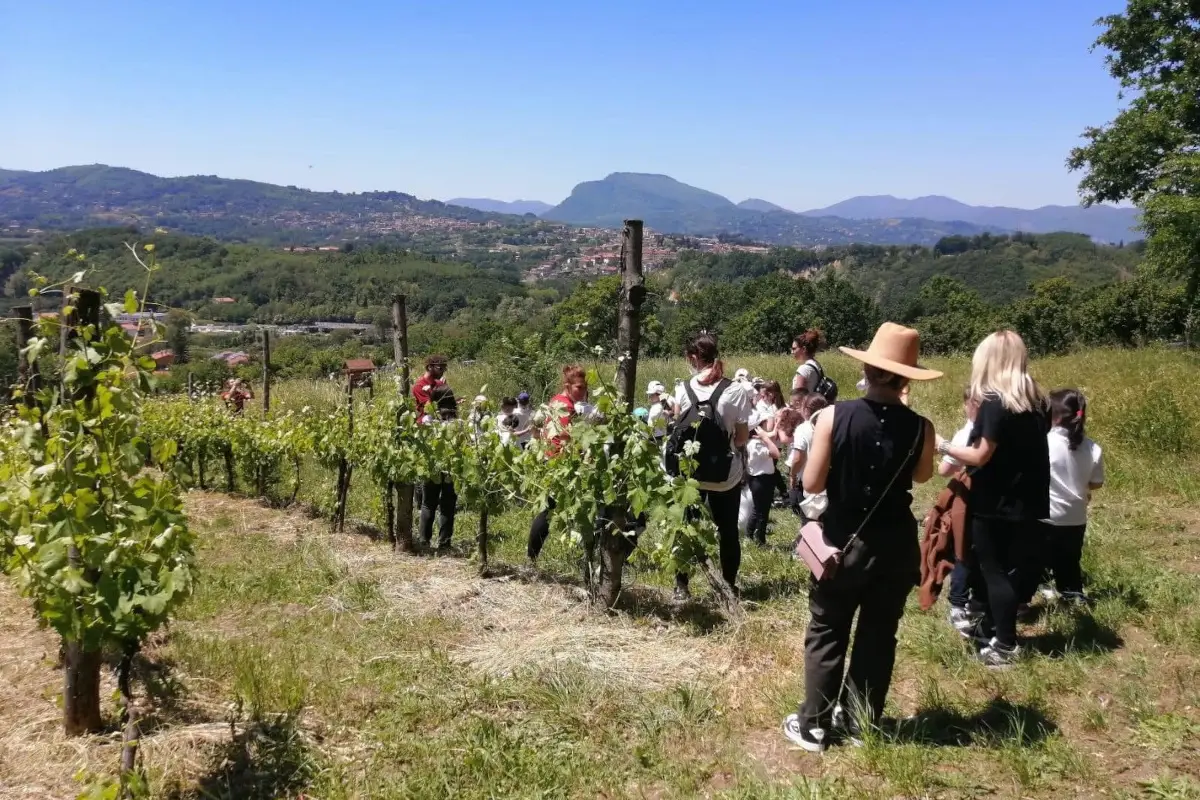
You will have a relaxed day out in the winery with a panoramic view you don't want to miss!
Already at the time of the Romans Tivoli was a popular resort, emperors like Augustus and Hadrian let themselves build stately villas here.
The rich and powerful have always enjoyed the pleasant atmosphere of the area, and it is no coincidence that the word "Tivoli" has become a synonym for "fun park".
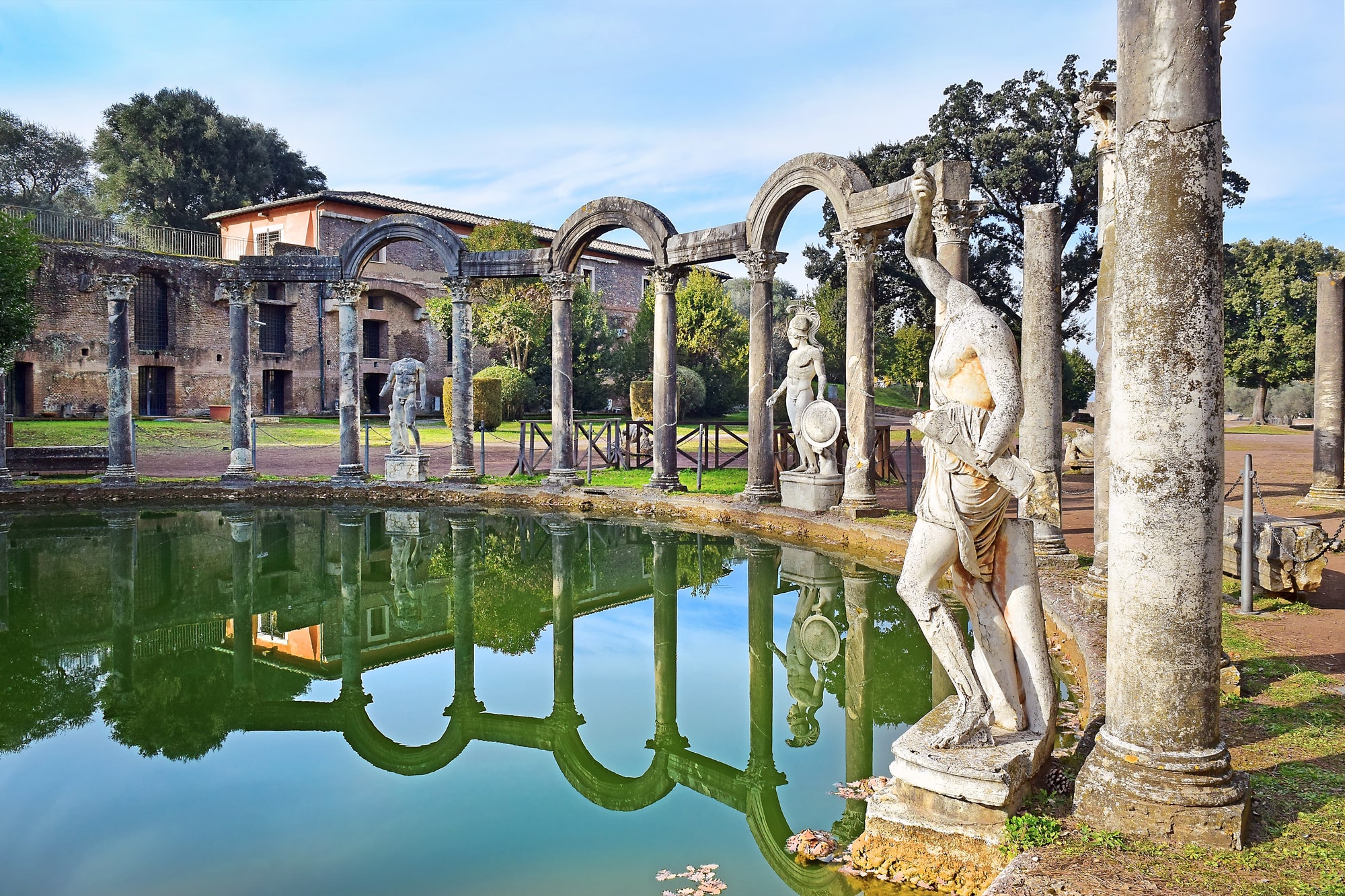
Today, there are three villas that bring visitors from all over the world: Villa d'Este, built in the mid-16th century, Villa Adriana, owned by the Roman emperor Hadrian (both villas have been UNESCO World Heritage Sites since 2001). The third villa, Villa Gregoriana, is famous for its 108m high waterfall and Sibyl's temple from the 2nd century AD. The gardens of the villas are also highly recommended and invite you to linger in the sunshine.
Apart from many scenic and cultural treasures, Lazio is as well blessed with natural monuments. This is attested by parks and nature reserves such as Lake Turano or the magical garden of Ninfa. In this charming nature, there are paths that lead us into Roman antiquity, and for birdwatchers, there are countless bird species to observe in these parks throughout the year.
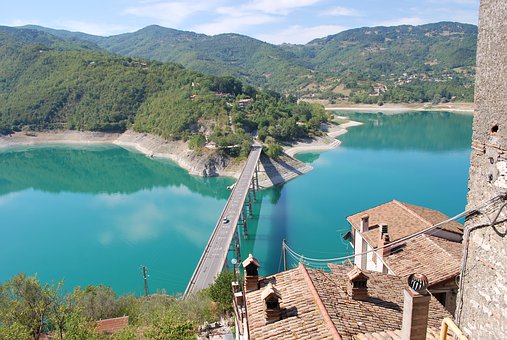
Lake Turano is an artificial lake built in the Forties on the Turano River to produce hydroelectric power. It is located about 80 kilometers from Rome. This lake is characterized by the charming villages and castles on the edge of the lake, as well as by the two nature reserves Monte Navegna and Monte Cervia.
Lake Turano is 536 meters above sea level and has a perimeter of almost 40 kilometers. The special feature of this lake is that it creates a wonderful colour effect with the turquoise waters of the lake, the intense green of the vegetation, and the blue sky. Leave the hustle and bustle of the city of Rome and escape to this beautiful place for a few hours.
South of Rome, near the seaside town of Latina, there is a magical place that steals your heart and leaves you speechless. The "Giardino di Ninfa" is a unique garden that stretches over 105 hectares, with breathtaking nature, unique and exotic flora, and refreshing watercourses.
The old ruins are embedded in the park, along with new watercourses, springs, and fountains. Exotic plants were planted as well as various types of roses, which make the garden so impressive and charming. Now the garden is often referred to as the most romantic garden in the world.
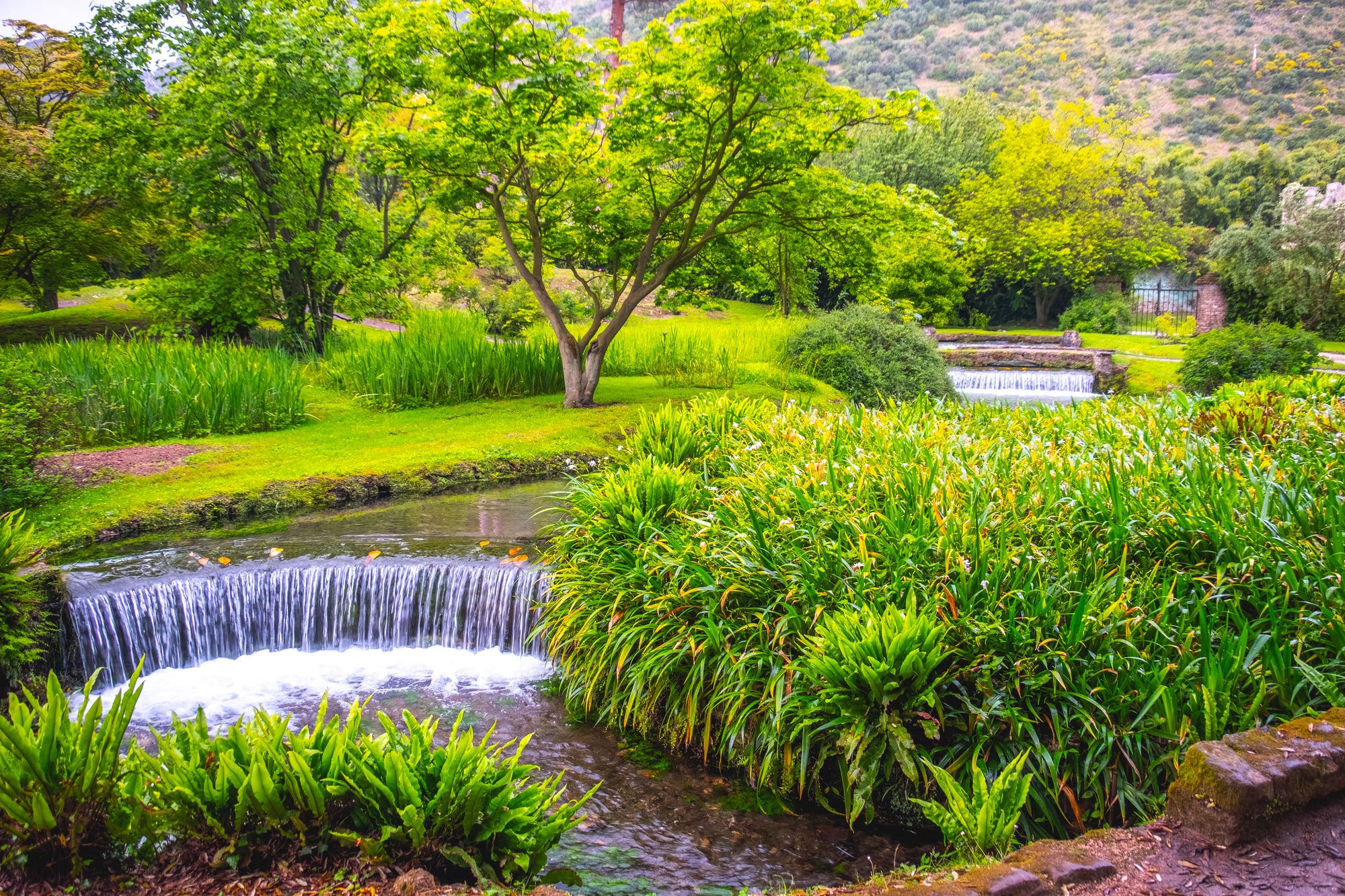
Tip: Visit the garden in spring, April, and May when the flowering season has reached its peak and the mild temperatures allow you to experience it at its best.
Bolsena Lake is another little unknown place, ideal for day trips or short visits. The lake is of volcanic origin which is the reason for its black beaches. One of the nicest ways to discover this beautiful lake is by boat. The water is surprisingly clear and the two small islands inside the lake provide a touch of magic and surprise.
A visit to the largest of the two islands, Bisentina, is a good idea. After leaving the ferry, you will find yourself in a romantic landscape, where you can visit seven oratories in various states of decline and an elaborate gothic landscape maintained by the current owner, Prince Giovanni del Drago, an ideal place for a trip to Bath or picnic.
Discover top Lazio Wine Tour Guides and explore the finest Guided Wine Tours in Lazio.
The kitchen of Latium, the region around the Italian capital of Rome, is traditional, hearty, and down-to-earth. Here, much more than in many other regions of Italy, the traditional cuisine of Italy and Latium has been preserved. At the same time, the kitchen of Lazio and especially the Roman one always integrated as well dishes of other cultures.
Vegetarians should absolutely try the classic "Gnocchi alla Romana". Do not confuse Gnocchi with the well-known potato dough balls eaten here. This is about a dough made of durum wheat semolina, milk, eggs, butter, and Parmesan and then formed into round slices. After they were cooked, they are sprinkled with plenty of butter and Parmesan and baked yellow-gold in the oven.

This is a rich stew with beans, onions, and hearty pancetta. This is often served as secondi piatti.
Mostly on Easter Sunday, the Romans eat the dish "Abbacchio allo Scottadito" - tender lamb chops roasted with typically Meditteranean spices like rosemary, plus a dash of lemon, garlic, and oil. In the Roman dialect, "Abbacchio Scottadito" literally means "little lamb à la burning finger". The name comes from the fact that these tender lamb chops are eaten so hot that you burn your fingers.
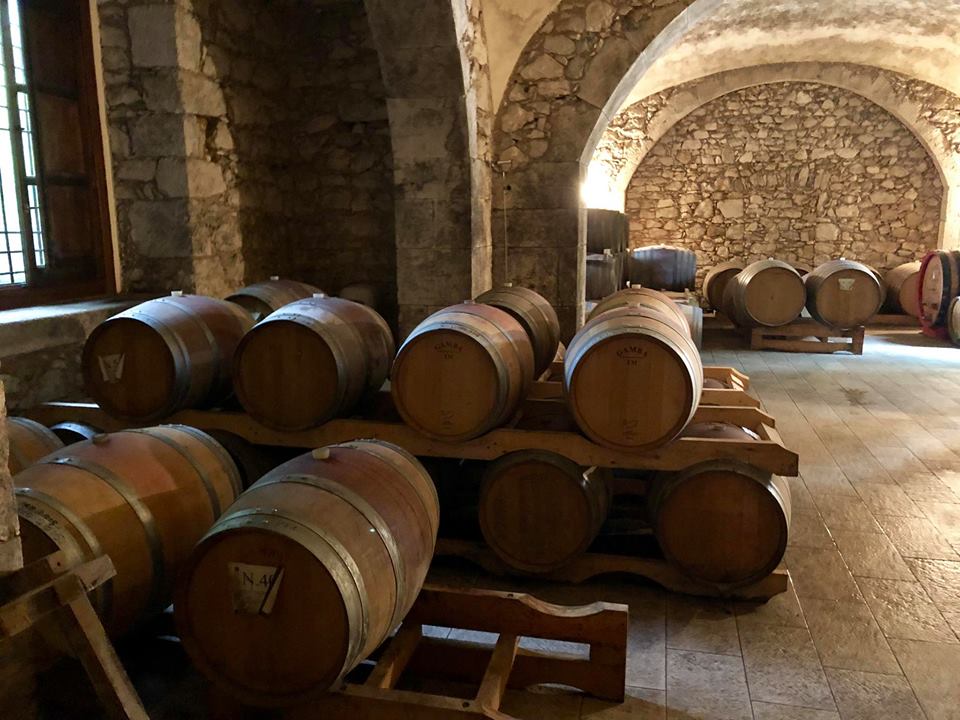
TIP!
Lets meet at La Ferriera Winery to try local cheese and charcuterie paired with suble wines!
Discover the locations of wineries in Lazio
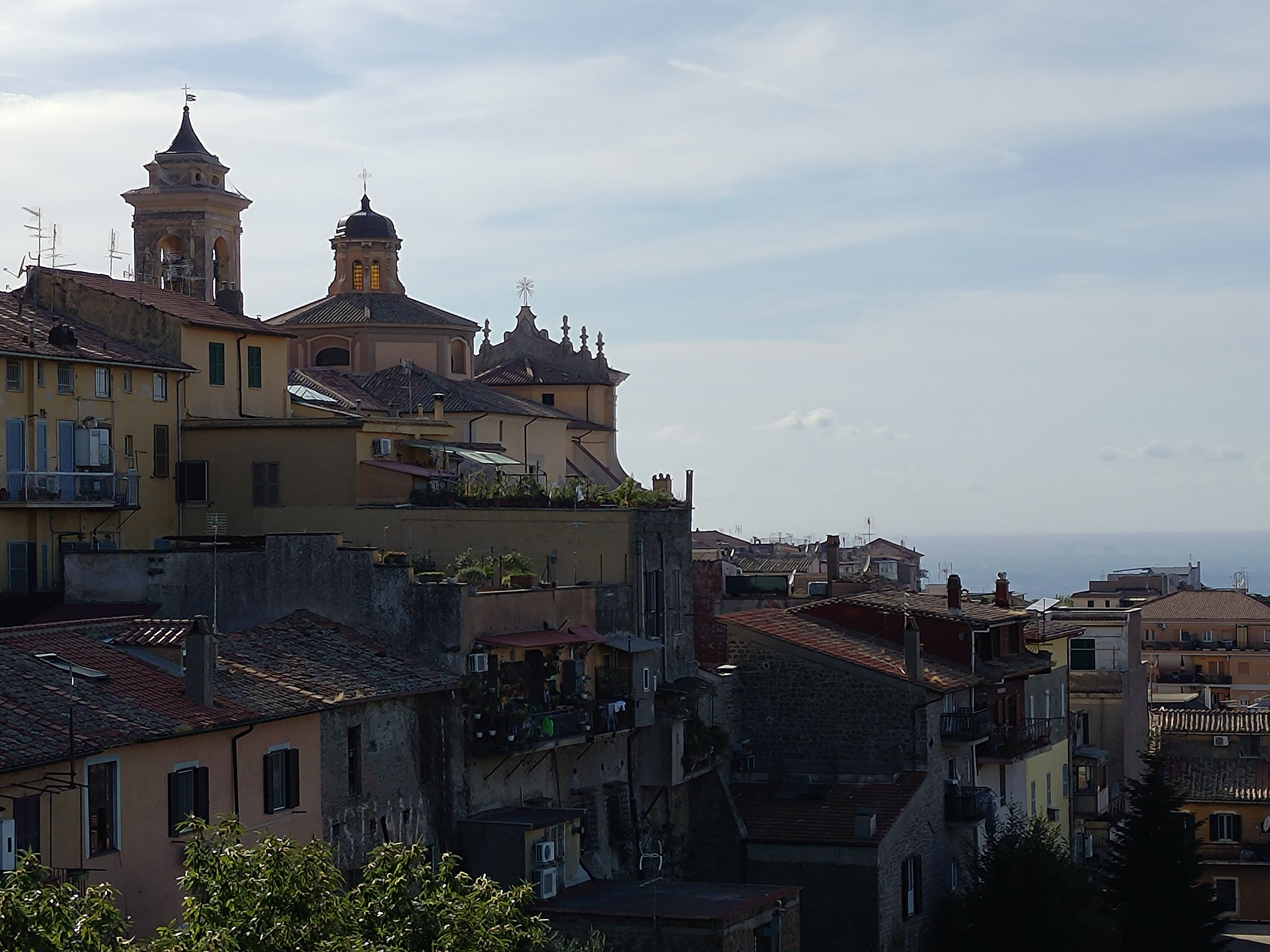
Lazio, Italy
Annual 4 October 2026 (first Sunday of October)
Join our newsletter now to receive our free guide on how to plan the perfect wine tour