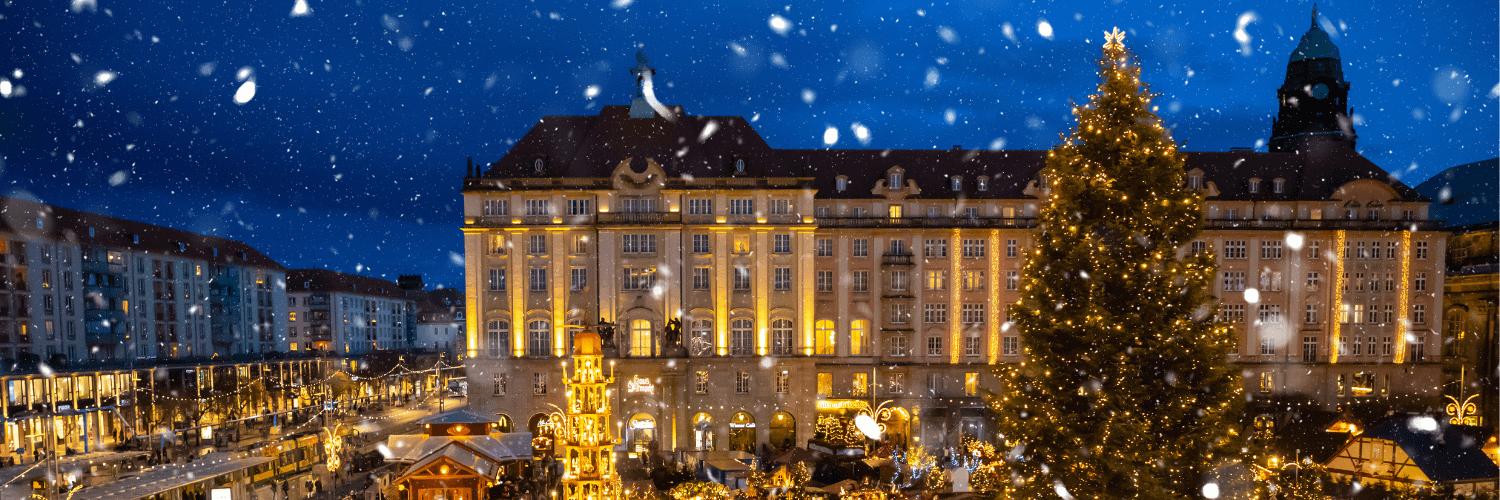

Europe feels especially warm during winter when the first Christmas lights appear and the markets open. Visitors come for the music, the small stalls with regional specialties, the handmade treats and the cups of steaming wine that fill the squares, a familiar part of mulled wine traditions Europe is known for. All these small details gather into a winter atmosphere that feels magical and worth the trip for the impressions that last long after the season ends.
Christmas wine travel in Europe can easily include local wine experiences, since many markets sit close to well-known wine regions. This creates a good moment to enjoy festive streets and then move toward a nearby vineyard for a calm tasting. WineTourism.com helps travelers discover tasting visits and cellar experiences along the way, which makes planning feel easier and more comforting.
Strasbourg, France – Capital of Christmas
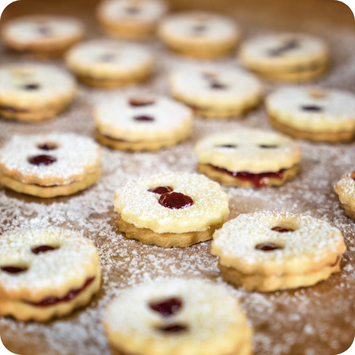
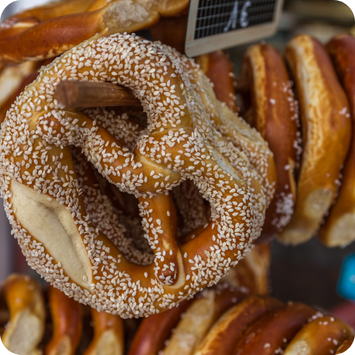
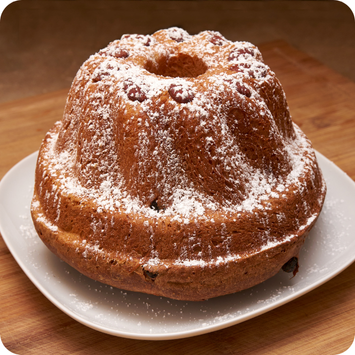
Strasbourg is often called the Capital of Christmas, a title linked to its long history of holiday markets that began several centuries ago. The main Christkindelsmärik market spreads across the squares of the historic center around the cathedral, where stalls offer bredele, soft pretzels and kugelhopf. Mulled wine here is often made from local wines, including white varieties, making white mulled wine far more common in Strasbourg than in most other European markets. Handcrafted ornaments made from wood or blown glass are popular souvenirs, and some stalls sell small figurines of storks, a familiar regional symbol. All these details reflect the mix of French and German influence that shapes the ambience of the market.
A visit to Strasbourg during the wintertime naturally includes a tasting of local styles. Riesling is one of the region’s best-known wines, valued for its bright structure and precise citrus notes. Gewürztraminer shows a fuller profile with floral and gently spicy aromas that suit colder months especially well. Crémant d’Alsace is another regional specialty, with fine bubbles that fit the relaxed holiday feeling. You can try these wines in Strasbourg or join a short half-day trip to nearby villages and wineries for guided tastings.
Vienna, Austria – Classic Winter Elegance
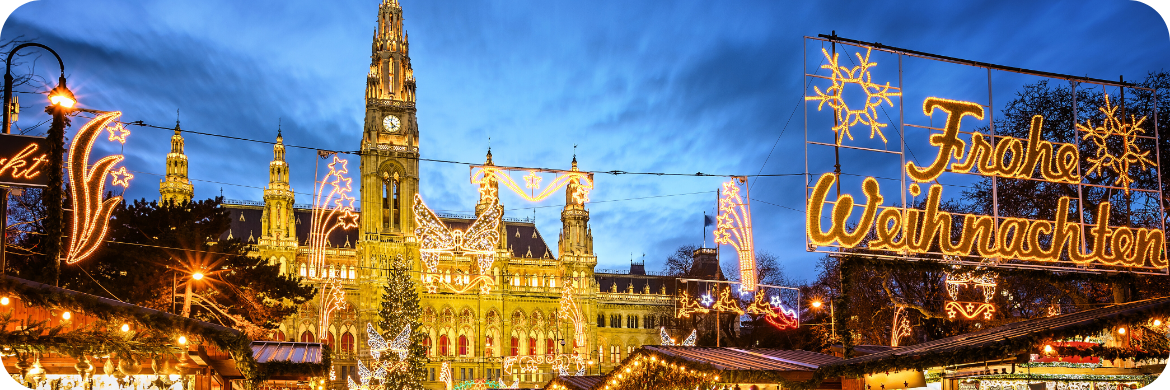
One of Vienna’s main Christmas markets takes place on Rathausplatz, the large square in front of the city hall. Visitors stop for roasted chestnuts and gingerbread sweets that are common in Austrian winter markets. Many stalls sell handmade ornaments with simple local motifs and these pieces give the market a clear regional character. The square also has an ice rink during the season, where families and friends often pause to skate and enjoy the relaxed winter setting.
Vienna is known for Grüner Veltliner, a wine with a clean freshness and a slight peppery note that suits the colder months. Austrian sparkling wines are also widely appreciated during winter, since their bright style suits the festive mood. These and other Austrian wines can be explored during a holiday trip to Vienna, with guided tastings offered in and around the city. A relaxed option is the evening wine tasting led by a local guide in the city center, where guests try several regional styles in a quiet cellar setting. Travelers who enjoy longer outings can also spend part of the day in the nearby Thermenregion, where a vineyard walk and tasting tour helps show a broader picture of Austrian wine culture.
Cologne, Germany – Cathedral Christmas Atmosphere
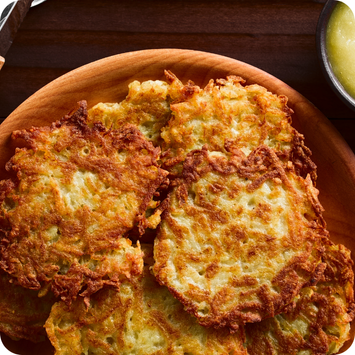
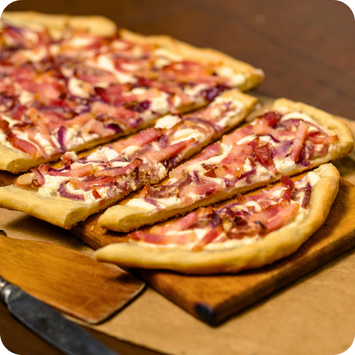
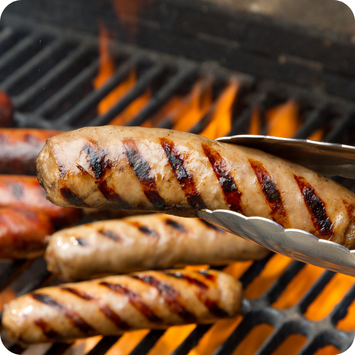
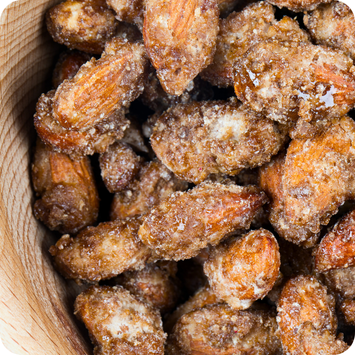
Cologne’s Christmas markets are known for their setting near the cathedral, whose tall towers create a dramatic backdrop for the season. The main market is held on the square in front of the Cologne Cathedral, where wooden stalls serve reibekuchen, flammkuchen, bratwurst, warm gingerbread and caramelised almonds. Handmade wooden toys, glass ornaments and ceramic village houses appear in many stands, reflecting long local craft traditions. The market also features short musical performances that add an easy, open-air charm to the area.
Cologne sits close to several renowned wine regions, so a winter visit naturally opens the door to local expressions. German Riesling from the Rhine area has a brighter and more linear style than the fuller Alsatian versions you find in Strasbourg. Kölsch is another part of the city’s drinking culture, a light beer traditionally served in small glasses and often enjoyed during holiday gatherings. Travelers who want to explore wine more deeply can plan a short trip toward the Ahr Valley, which is just about an hour by train from Cologne. A visit to a local family-run winery offers a calm tasting and a cellar walk that highlights the region’s wine character.
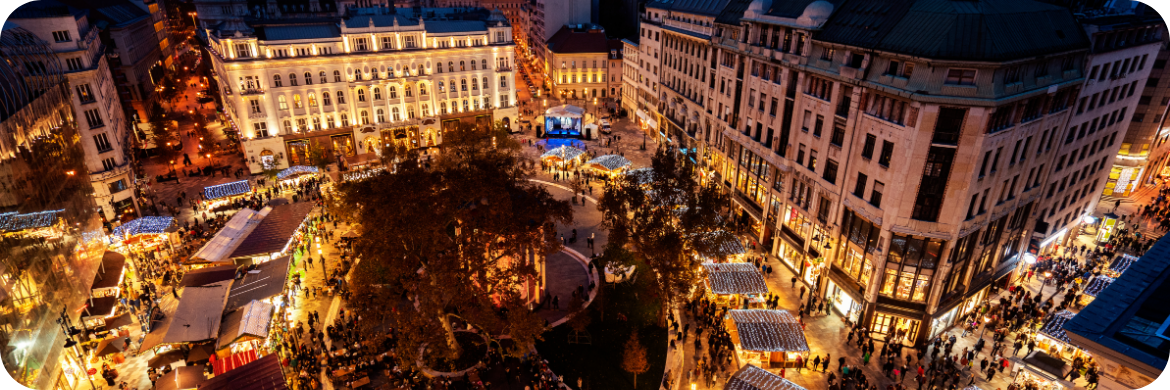
Budapest, Hungary – Basilica Christmas Lights
Budapest has two main Christmas markets that stay busy throughout the season. One is held on Vörösmarty Square, a central square of the city. The other is the Advent Basilica Market, set in front of St. Stephen’s Basilica, a large Roman Catholic church. Both markets serve traditional Hungarian winter dishes such as lángos, chimney cake and roasted meats, and many stands offer small handmade gifts from local craftspeople. An ice rink appears in front of the basilica during the season and adds a simple winter activity to the area.
Holiday visitors to Budapest often encounter several well-known Hungarian wines. Tokaji is a sweet white wine made from local grape varieties, with gentle honeyed notes that feel especially fitting in winter. Egri Bikavér is a red blend with a warm, rounded character and soft spicy tones. Hungarian mulled wine is also common at the markets and is usually prepared with local reds. You can explore these wines right in the city through an evening tasting focused on Hungarian grape varieties. Those who want a wider introduction can join a guided tasting session that presents several Hungarian regions through a set of carefully selected wines.
Prague, Czech Republic – Old-Town Winter Charm
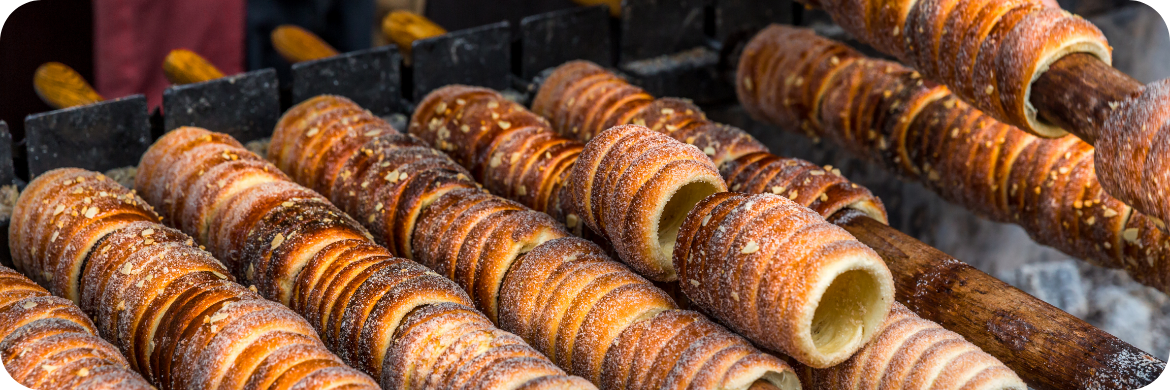
The main Christmas markets in Prague take place on Old Town Square and Wenceslas Square, two central locations surrounded by gothic towers and baroque facades. Visitors often stop for traditional Czech winter treats such as trdelník or roasted ham, which are found across many stalls. The markets are also known for handmade ornaments, small wooden toys and ceramic mugs designed for hot drinks, giving the area a warm local feel.
Moravian wines are widely available during the season, especially the region’s signature white styles. A glass of Moravian white is common at the markets and pairs easily with many of the seasonal foods. You can explore these wines at tastings in the city, or plan a later trip to the Moravian wine region, which lies several hours from Prague but offers a much clearer sense of Czech winemaking. An option such as the Vineyard Stroll & Cellar Feast combines a walk through local vineyards with a guided cellar tasting, giving travelers the full impression of the region’s wine culture.
Copenhagen, Denmark – Nordic Gløgg Traditions
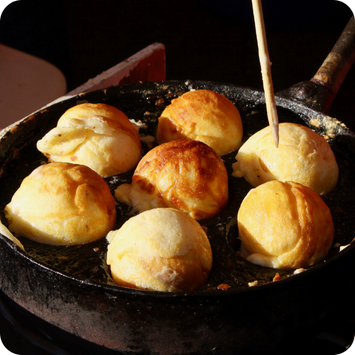
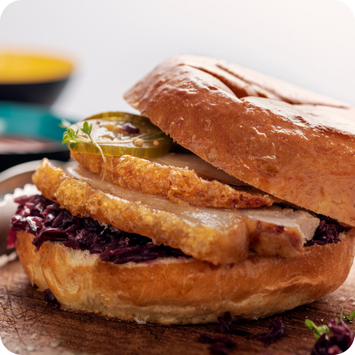
The Christmas season in Copenhagen feels warm and inviting despite the cold weather, with soft lights and traditional Nordic decorations like spruce branches, straw ornaments and woven hearts. Tivoli Gardens hosts one of the city’s most visited markets, where stalls stand between historic amusement park buildings, strings of lanterns and evergreen decorations. Visitors often stop for warm æbleskiver, flæskesteg sandwiches or brændte mandler sold across several stalls.
Danish mulled wine, known as gløgg, is one of the main seasonal drinks at Copenhagen’s markets. It is usually prepared with red wine, warm spices and a small amount of aquavit, giving it a slightly more aromatic character than many versions found elsewhere in Europe. Travelers interested in exploring Nordic wine more broadly can look into day trips to vineyards across Denmark, where winemakers experiment with cool-climate grape varieties. Experiences like a visit to Vesterhave Vingård in South Denmark offer a much clearer sense of this emerging wine scene.
Bolzano, Italy – Alpine Christmas Spirit
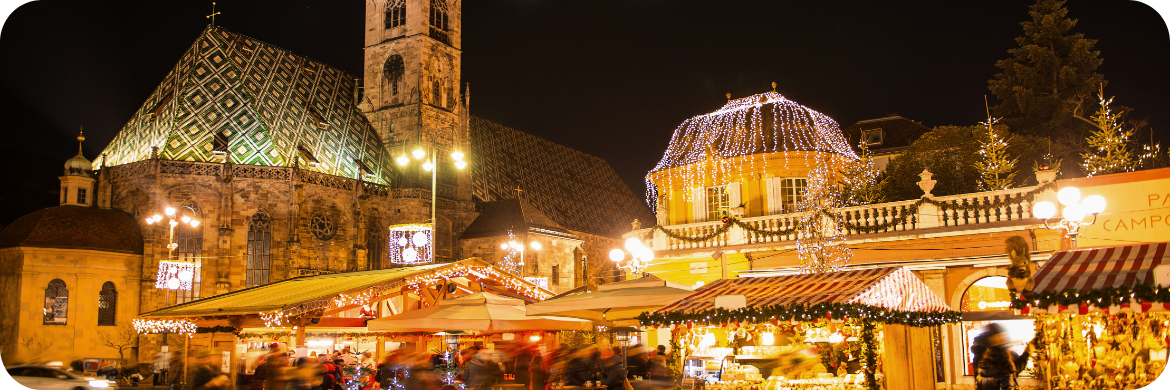
The Christmas market in Bolzano is shaped by its Alpine setting, with wooden stalls arranged against snow-covered peaks and pastel Tyrolean buildings. The main market takes place on Waltherplatz, where visitors stop for regional winter foods such as speck, roasted chestnuts and warm apple strudel. Many stands sell carved wooden decorations and wool felt ornaments, both rooted in South Tyrolean craft traditions.
Visiting Bolzano during this season naturally introduces travelers to the wines of South Tyrol. Lagrein is the region’s famous red, showing soft dark fruit and a smooth texture. Gewürztraminer, which thrives especially in the nearby village of Tramin, is typically a bit fresher here than the fuller Alsatian style, while still showing the floral and gently spicy aromas that suit winter. Müller-Thurgau from higher vineyards tends to be lighter, with fresh alpine notes. These wines can be discovered in Bolzano itself or explored further on short visits to South Tyrolean wineries, with options ranging from a vineyard walk and tasting in St. Magdalena’s hillside estates to a sustainable cellar tour at a family-run winery in the surrounding valley.
Barcelona, Spain – Mediterranean Christmas Mood
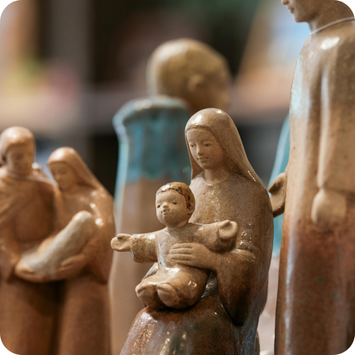
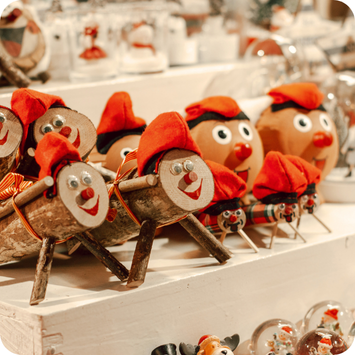
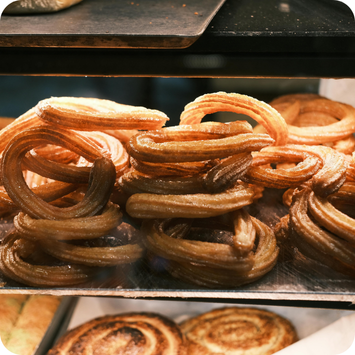
Barcelona’s Christmas season feels different from the colder northern markets, with a softer Mediterranean feel that blends winter decorations with mild evenings. The oldest market, Fira de Santa Llúcia, stands in front of the cathedral and is known for its long tradition of selling handcrafted nativity pieces and small decorative figures linked to Catalan Christmas customs. A second market, the Fira de Nadal by the Sagrada Família, creates a brighter setting, with stalls focused on decorations and sweets such as churros served with hot chocolate.
Wintertime in Barcelona often brings travelers to two of the region’s best-known wine styles. Cava is the local sparkling wine, appreciated for its fine bubbles and clean citrus notes that suit both mild afternoons and the festive evenings of December. Catalan reds, especially those from nearby Penedès, tend to show gentle fruit and a soft structure that pairs well with many seasonal dishes. Since Penedès lies only about 40 minutes away by train, it’s an easy extension to a winter visit, and experiences such as a hands-on Cava workshop at ArtCava allow guests to craft their own bottle while learning about the region’s sparkling wine traditions.
Across the continent, European Christmas markets with wine bring together festive city life and local winemaking. Many destinations make it easy to combine holiday lights with wine experiences near Christmas markets, letting travelers taste regional expressions while enjoying the season’s atmosphere that defines this time of year.