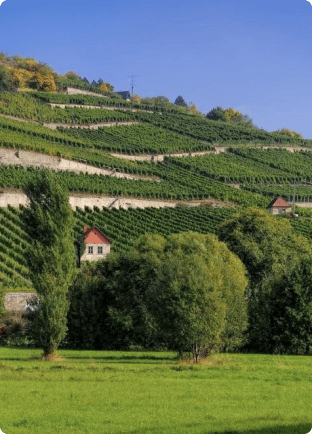

Eastern European wine routes are quickly becoming the new frontier for wine lovers seeking something beyond the familiar. While regions like Bordeaux and Tuscany have long defined classic wine travel, a quieter, more authentic journey is unfolding further east.
This is a route where tradition hasn’t been polished for tourism—it’s still alive, raw, and deeply personal. From Georgia, where wine was first made, to Slovenia’s modern natural wine movement, and finally to Hungary’s refined Tokaji region, each stop tells a different chapter of Europe’s wine story.
What makes this journey special isn’t just the wine—it’s the feeling of discovery. You’re not following crowds; you’re stepping into living history, evolving craftsmanship, and places that still feel like secrets waiting to be shared.
Georgia: Where Wine Was Born
Any exploration of Eastern European wine routes must begin in Georgia—the birthplace of wine. With over 8,000 years of continuous winemaking, this country offers something no other destination can: a direct connection to the origins of wine itself.
At the heart of Georgian winemaking is the ancient qvevri method—large clay vessels buried underground where wine ferments and ages naturally. This technique creates what is now globally known as amber wine Georgia is famous for: white wines made with skin contact, resulting in deep color, texture, and gentle tannins.
The country’s main wine regions—Kakheti, Kartli, and Imereti—each offer distinct expressions of native grapes like Rkatsiteli, Kisi, and Chinuri. These wines are bold yet balanced, often surprising first-time tasters with their structure and complexity.
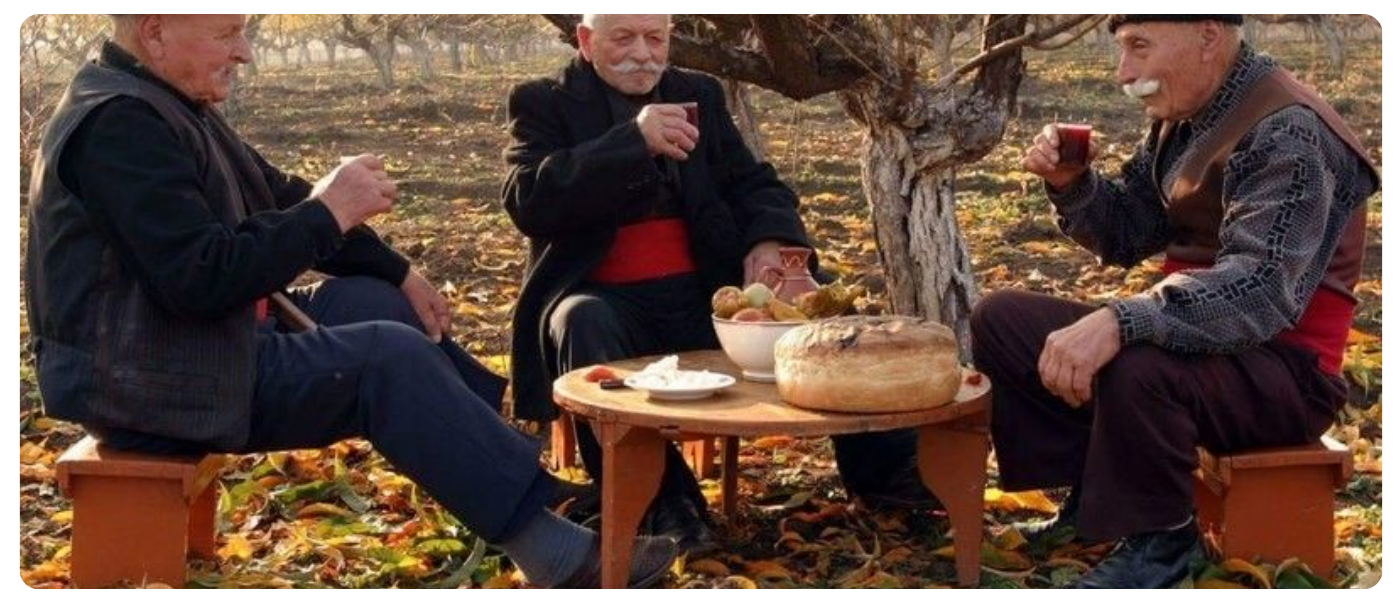
But Georgia wine tours are about more than what’s in the glass. Visiting small, family-run maranis (wine cellars) gives you a glimpse into a deeply rooted cultural tradition. Wine here is inseparable from hospitality, best experienced through a supra—a traditional feast filled with endless dishes, heartfelt toasts, and storytelling.
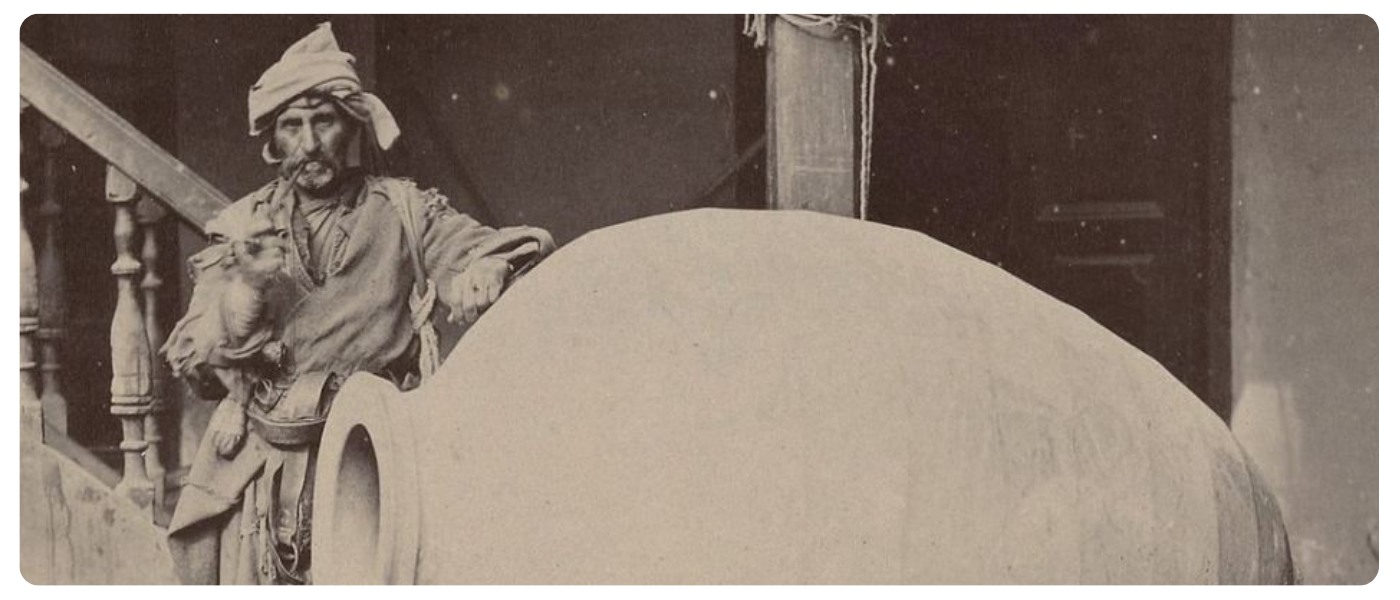
For travelers, this means immersive, personal encounters rather than polished tours. You can explore a traditional qvevri wine experience near Tbilisi or dive deeper into amber wine tastings in Kakheti
This is where wine feels alive—not curated, but lived.
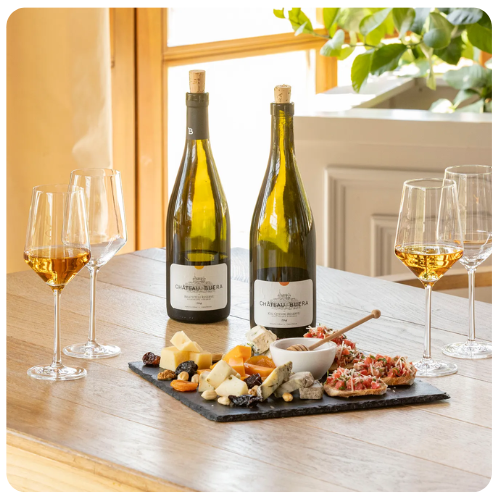
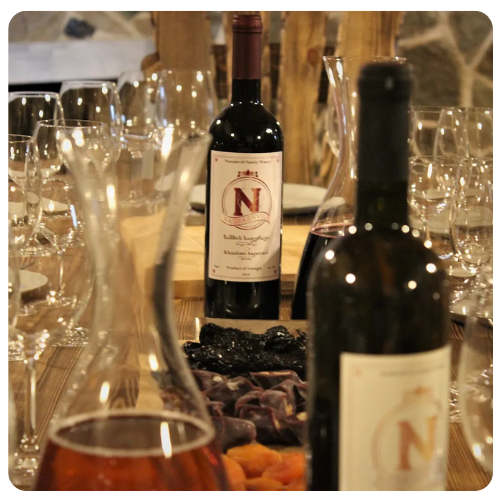
From Kakheti to Brda: Georgia’s Influence on Slovenia’s Orange Wine Movement
The story of wine travel Eastern Europe doesn’t stop in Georgia—it evolves. The ancient practice of fermenting white grapes with skins, perfected in Georgia, quietly inspired a revolution thousands of kilometers away.
In the late 20th century, winemakers in Italy’s Friuli region and neighboring Slovenia began rediscovering these forgotten techniques. Figures like Josko Gravner and Stanko Radikon looked back to Georgia not to replicate it, but to understand its philosophy—minimal intervention, respect for nature, and patience.
This influence found fertile ground in Slovenia, where winemakers reinterpreted skin-contact wines through their own terroir and identity. The result wasn’t imitation—it was transformation.
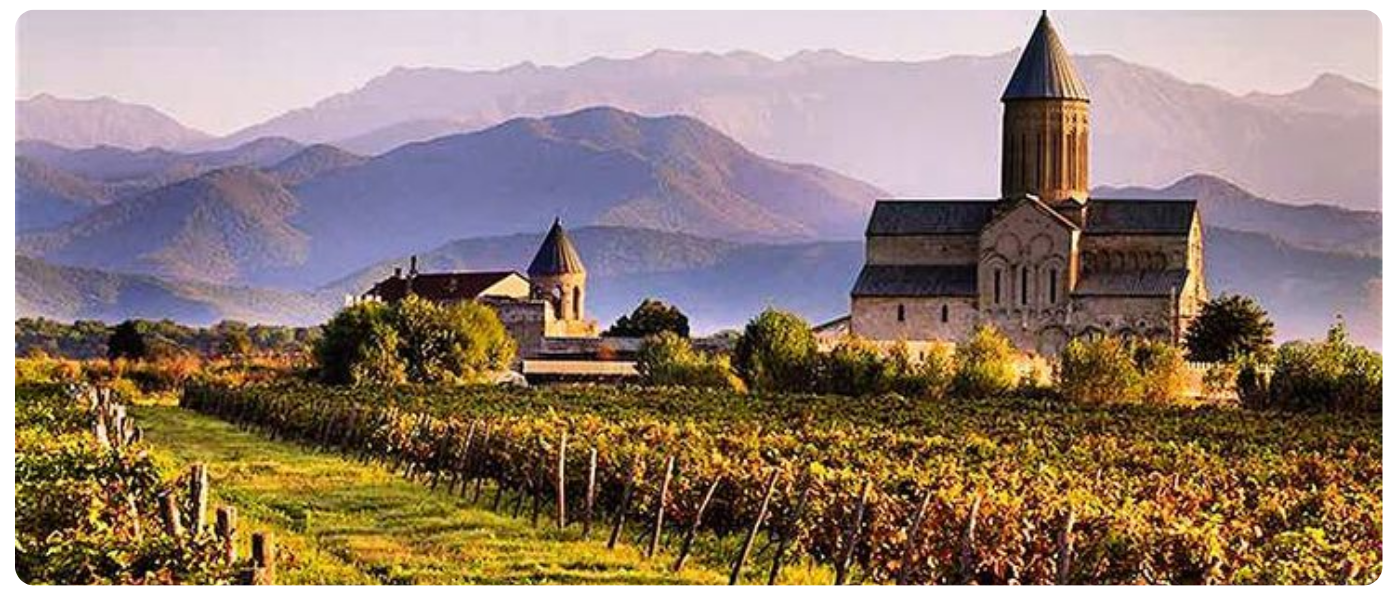
From Kakheti’s buried qvevri to Slovenia’s modern cellars, a thread connects these regions: a shared belief that wine should reflect both land and time. This is what makes Eastern European wine routes feel like a continuous story rather than separate destinations.
Slovenia: Europe’s Natural Wine Playground
If Georgia represents the past, Slovenia represents the present—and possibly the future—of Slovenia wine tasting experiences. Quietly, without the global spotlight, Slovenia has become one of Europe’s most exciting destinations for natural and orange wines.
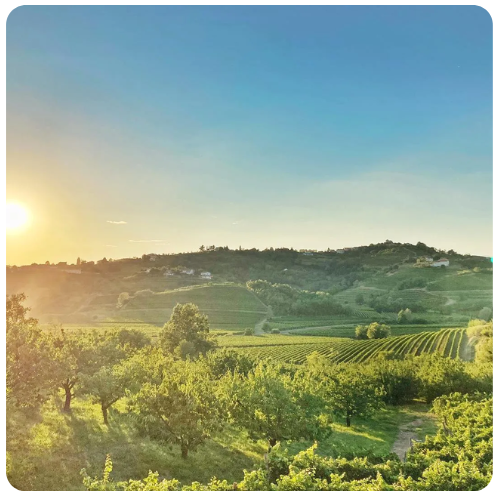
The country’s diverse landscapes are divided into three key regions: Brda, Vipava Valley, and the Karst. Each offers unique soils, climates, and wine styles, yet all share a commitment to authenticity and minimal intervention.
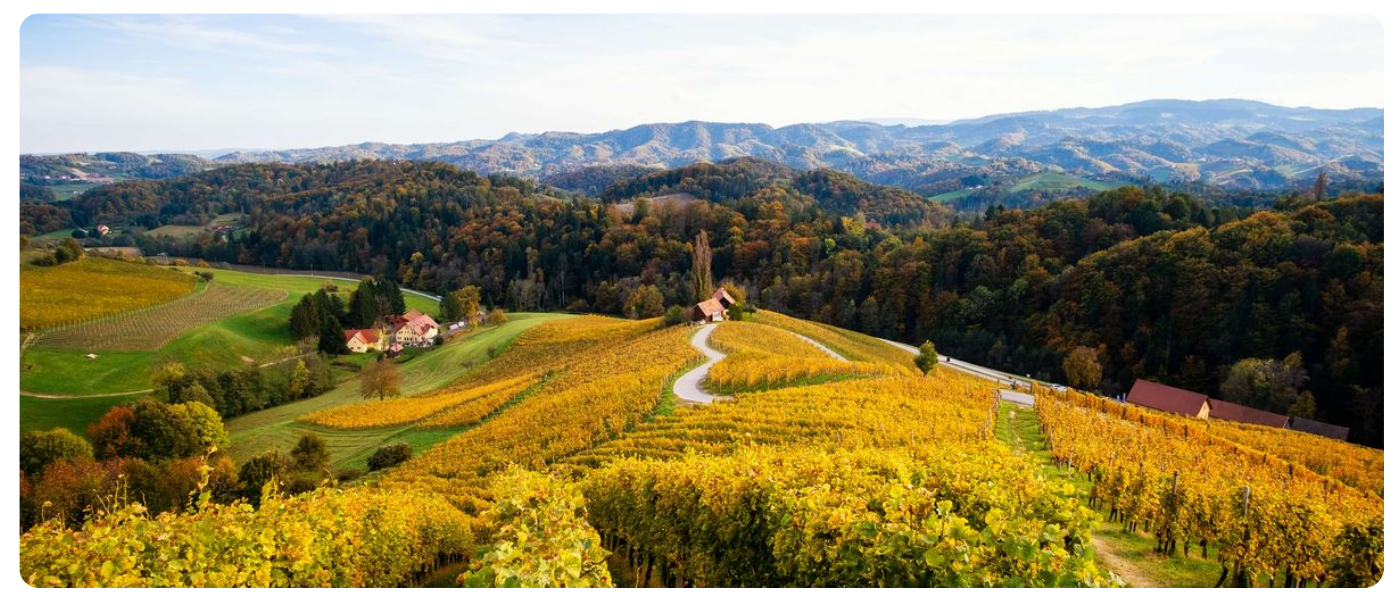
Local grapes such as Rebula, Malvasia, and Refosco thrive here, producing wines that are expressive, vibrant, and deeply connected to their terroir. The influence of neighboring Italy is unmistakable, especially in Brda, where borders blur and wine culture flows seamlessly between countries.
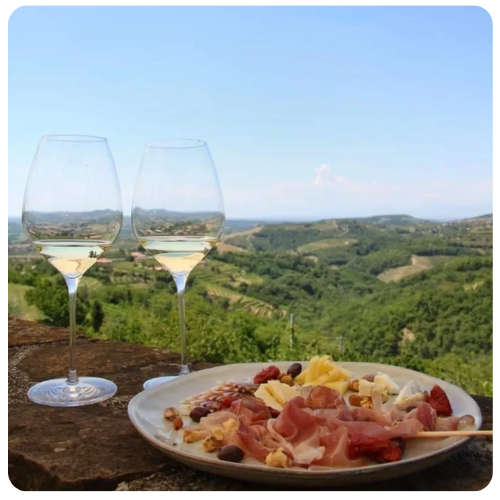
Unlike larger wine regions, Slovenia offers an intimate experience. Boutique wineries welcome visitors personally, often guided by the winemakers themselves. Tastings are less about formality and more about conversation, curiosity, and connection.
Pair this with Slovenia’s rising gastronomic scene, and you get a complete sensory journey—where food and wine are crafted with equal care.
To experience it firsthand, explore wine tastings in Slovenia’s Barda region
or discover boutique winery experiences in Vipava Valley
Slovenia doesn’t try to impress—it simply is.
Hungary: The Timeless Elegance of Tokaji
At the final stage of these Eastern European wine routes, you arrive in Hungary’s legendary Tokaji wine region—a place where history and refinement meet.
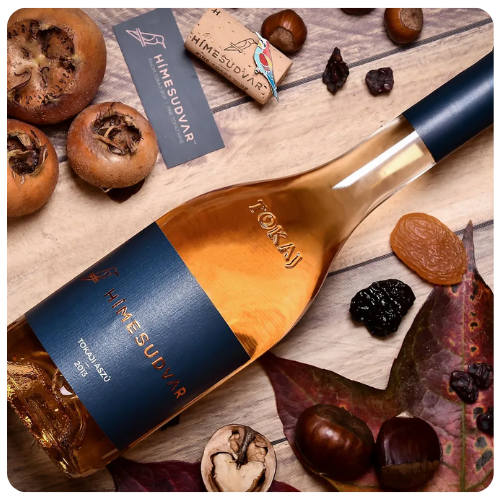
Tokaji is one of the world’s oldest classified wine regions, renowned for its iconic Tokaji Aszú, a sweet wine once described as “the wine of kings and the king of wines.” Made primarily from Furmint and Hárslevelű grapes, these wines owe their character to noble rot (Botrytis), which concentrates sugars and flavors in the grapes.
What sets Tokaji apart is not just the wine, but the precision behind it. The region has a long-established classification system that defines sweetness levels and quality, reflecting centuries of expertise.
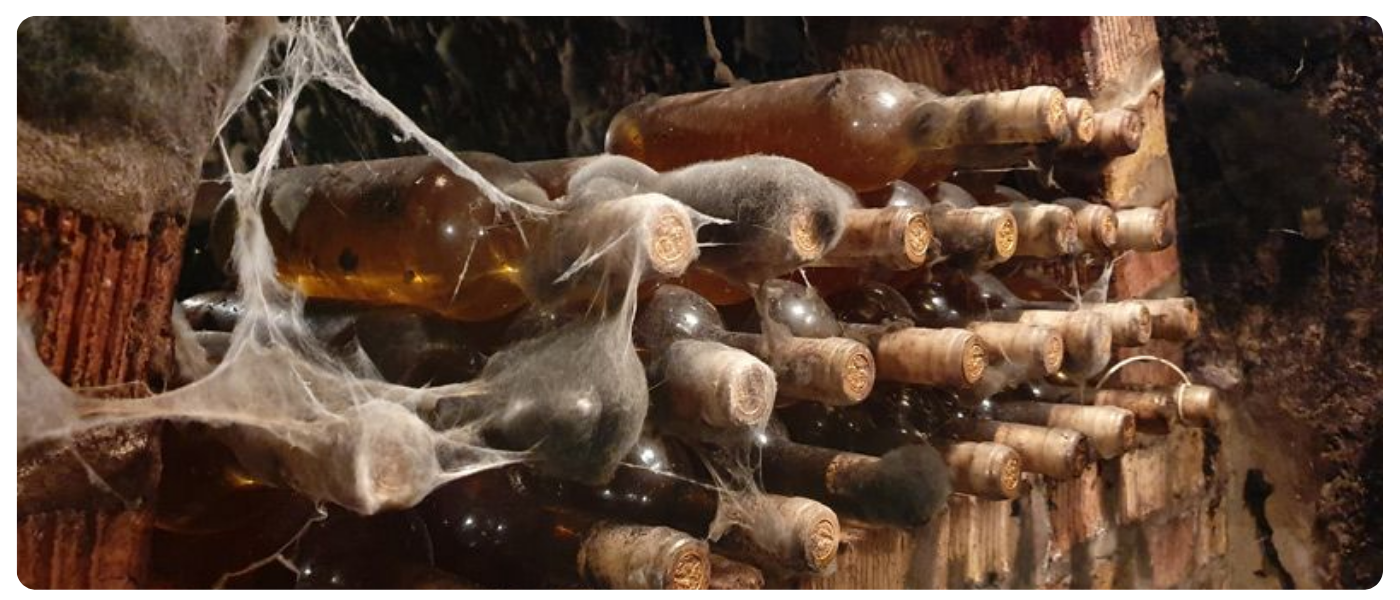
Visiting Tokaji feels like stepping into a different era. Underground cellar networks stretch beneath historic villages, maintaining perfect conditions for aging wine. During harvest season, the region comes alive with activity, offering visitors a chance to witness this meticulous process firsthand.
Yet despite its prestige, Tokaji remains accessible and deeply authentic. Tastings are often hosted in small, family-owned cellars, where stories are shared as generously as the wine.
For an immersive experience, consider
Tokaji wine tastings and cellar tours
Here, tradition isn’t preserved—it’s practiced daily.
Why Eastern Europe Should Be Your Next Wine Trip
Choosing Eastern European wine routes means choosing authenticity over popularity. These regions offer exceptional value for money, allowing you to experience high-quality wines and hospitality without the premium price tags of more famous destinations.
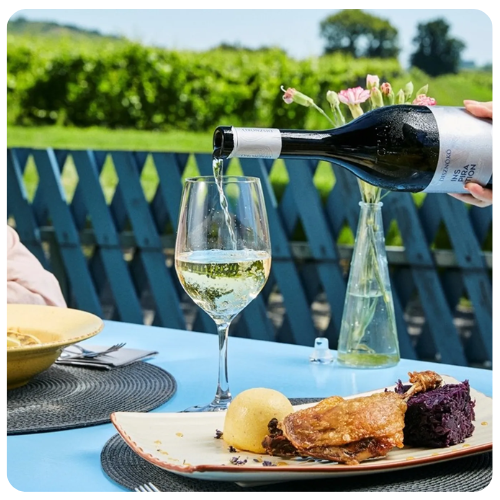
More importantly, wine travel Eastern Europe gives you access—to places, people, and stories that still feel genuine. You’re not just tasting wine; you’re meeting the people who made it, often in their own homes or small cellars.
Another advantage is diversity. Within relatively short distances, you can move from Georgia’s ancient traditions to Slovenia’s modern natural wines and Hungary’s historic elegance. Few wine regions in the world offer such contrast in such proximity.
Right now, these destinations remain just under the global spotlight. That’s exactly what makes them special.
Go now—before everyone else does.