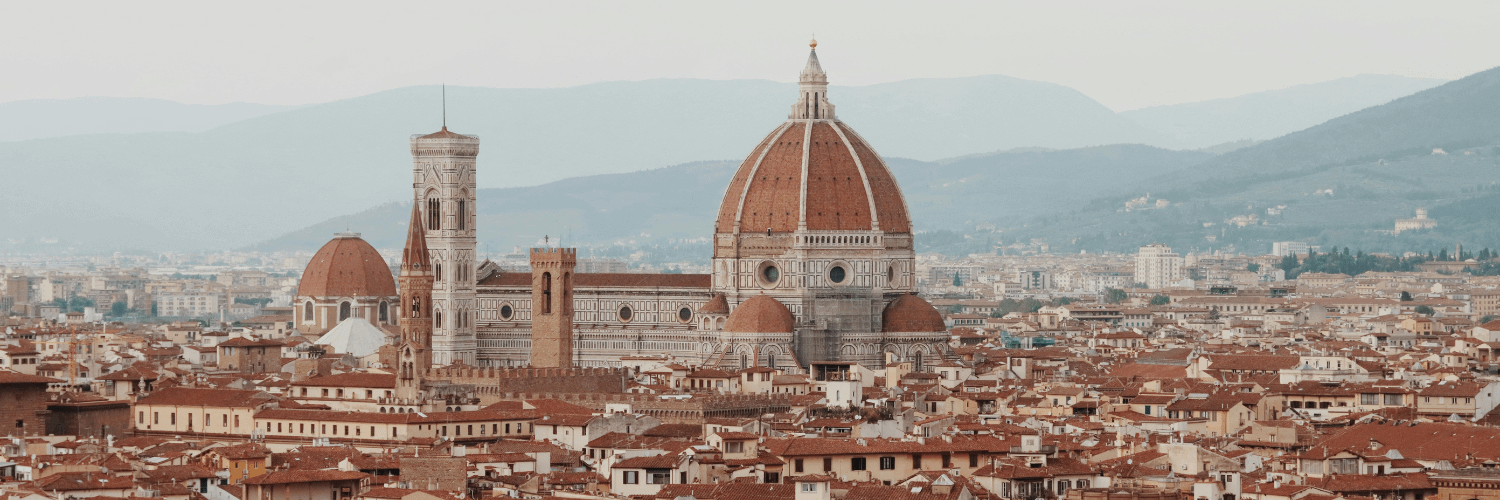

Florence greets visitors with a calm and open feeling. People drink their morning coffee under old arches and walk across squares framed by buildings from the Renaissance. The city resembles a museum: sculptures stand in open spaces, façades show traces of older centuries, frescoes appear in quiet corners and small ateliers keep local craft alive. Life here exists right alongside the art that made this place famous.
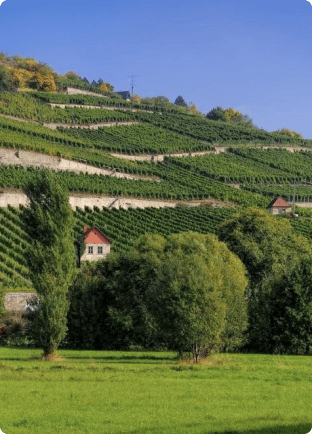
Cooking traditions in Florence grew from older kitchen habits, shaped by the idea of using what was on hand. The food tastes comforting, especially when enjoyed with the wine made nearby. The hills around Florence include Chianti Classico, Montalcino, Montepulciano and other noted areas of Tuscany, all known for wines that have earned respect far beyond Italy. Planning a visit to wineries near Florence adds real depth to any trip to the city.
This guide brings together the flavors, neighborhoods and countryside routes that show some of the most enjoyable things to do in Florence for travelers interested in food and wine. Everything here is meant to help you feel settled in the city and discover it at your own pace.

Tuscan Cuisine: What to Eat in Florence
Tuscan cooking begins with a straightforward idea: work with what the land gives and treat it with care. The region has relied on vegetables, grains, bread, olives and beans for many centuries. Much of this grew out of "cucina povera" – a way of cooking shaped by limited resources and practical thinking. Families used bread that had gone firm, beans soaked overnight, tomatoes cooked down slowly and greens grown close to the house. Nothing was wasted. These dishes feel warm, and that spirit remains in Florence today. Visitors notice it in the hearty flavors of soups, in the texture of fresh pasta and in the clean taste of good olive oil.
Traditional Florentine & Tuscan Dishes
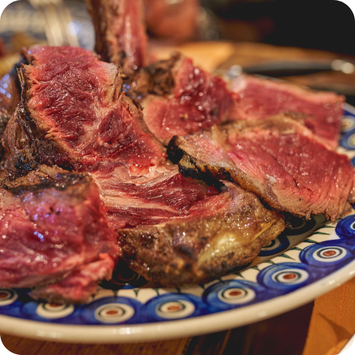
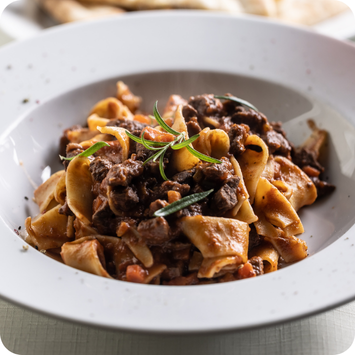
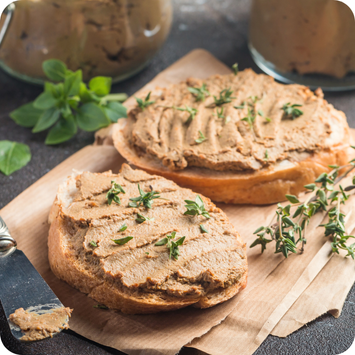
When you are in Florence, be sure to try dishes that show the region’s history. Bistecca alla Fiorentina is a thick T-bone steak cooked over high heat and served rare, usually from Chianina cattle raised in the countryside around Florence. Pappardelle al cinghiale is a wide ribbon pasta served with a slow-cooked sauce of wild boar made with herbs and red wine. Tagliatelle with Tuscan ragù follows the same idea, but the sauce is made from beef and pork cooked gently for hours. Crostini toscani are small slices of bread topped with a smooth chicken liver spread made with onions and wine, a simple starter shaped by older kitchen habits.

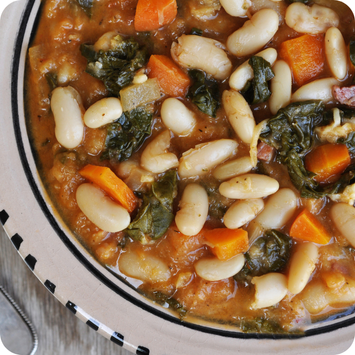
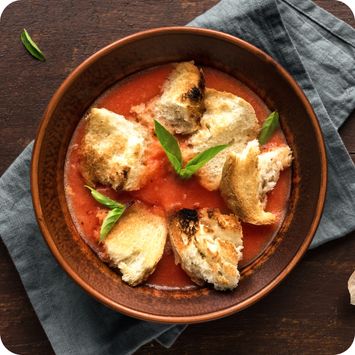
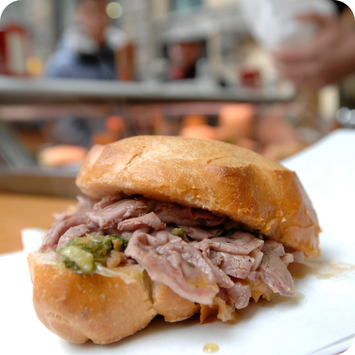
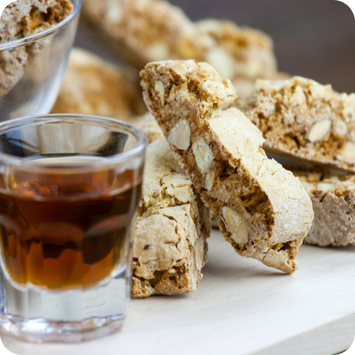
Ribollita and pappa al pomodoro come from the habit of giving bread a second life. Ribollita is a thick vegetable and bean soup made with bread that softens as it cooks and gives the dish its dense texture. Pappa al pomodoro is a warm tomato soup thickened with day-old bread and olive oil, turning into a smooth bowl. Lampredotto is one of Florence’s well-known street foods, made from slow-cooked stomach meat and served in a sandwich or on a plate at small stalls in markets and busy streets. And no meal feels complete without something sweet. Cantucci are small almond biscuits dipped into Vin Santo, a sweet Tuscan wine that gives them a honeyed flavor.
Where to Eat Traditional Dishes in Florence
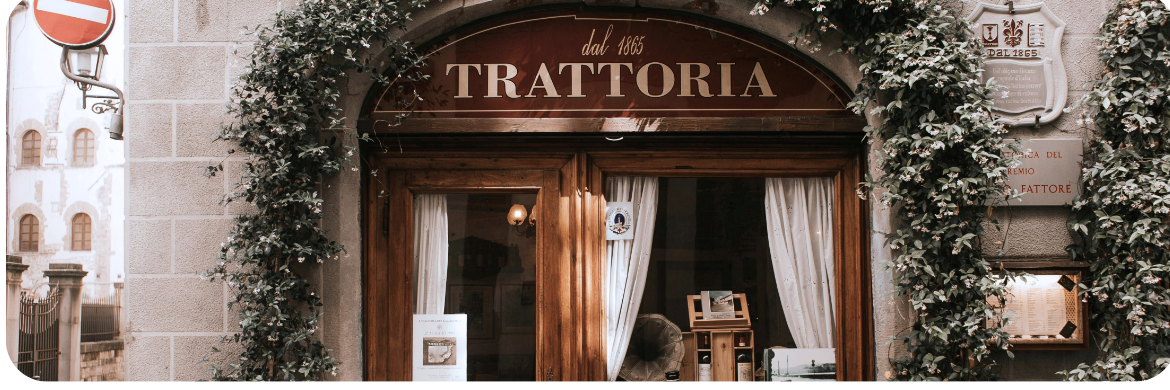
These dishes are easy to try in places that stay close to Florence’s traditional way of cooking. Trattoria Mario is a small family trattoria in the San Lorenzo district, known for the honest spirit of old Florentine cooking and for serving ribollita or pappa al pomodoro at lunch. Trattoria Cammillo, near Ponte Vecchio in the Oltrarno district, is a more elegant place still rooted in older Tuscan habits. Many visitors come here for bistecca alla Fiorentina or a simple pasta served without showiness.
A trattoria is a family-run place with traditional dishes, little formality and a short menu. Portions are generous, and the atmosphere often feels close to a home kitchen.
Da Nerbone is a long-standing market stall right inside Mercato Centrale in San Lorenzo, loved by locals for lampredotto and other everyday plates served quickly at the counter. All’Antico Vinaio in the Santa Croce district is a busy sandwich shop that builds large focaccia filled with roasted vegetables, cured meats and soft cheeses, a quick stop that still feels close to traditional taste. Osteria All’Antico Ristoro di’ Cambi in Oltrarno is known for bistecca and slow-cooked plates served in a warm, wood-panelled room.
Unlike a trattoria, an osteria focuses more on wine, with food kept simple and local. The mood is informal, and the dishes feel straightforward and unfussy.
Florence’s Markets & Artisan Crafts
Florence has a different kind of street life compared to cities known for busy food markets, like Barcelona. Here the atmosphere comes from a mix of workshops, antique stalls, outdoor markets and craft studios that have stayed in the same streets for decades. Many corners smell of leather, paper, wood and warm bread, giving the city a calm flow even in lively areas. In Florence you’ll find markets focused on fresh food, on handmade goods, and some that blend both.
Markets to Explore in Florence
Florence has several markets where the focus stays on everyday food. Mercato Centrale in San Lorenzo is one of the city’s best-known indoor food markets. The lower level is filled with fruit, vegetables, meat, cheese, bread and counters serving quick plates. The upper floor offers food areas for a quick lunch before continuing a walk. Mercato di Sant’Ambrogio, on the eastern side of the centre, is quieter and more local. Most of it is fruit and vegetables, bakeries, butchers and a few stalls with vintage goods and handmade items. It is less polished and far less touristy than Mercato Centrale, which makes it one of the most authentic places to see.
Other markets lean more toward craft and artisan pieces. Mercato di San Lorenzo, right outside Mercato Centrale, fills the streets with leather bags, jackets, belts and handcrafted accessories. It is one of the easiest places to explore Florence’s leather tradition up close. Mercato di Santo Spirito brings antiques, vintage finds, jewelry, ceramics and restored furniture into the square. It is a good stop for anyone who enjoys looking at old tools, books and items made by hand.

Artisan Districts in Florence
For anyone who wants to see where many of these handmade pieces come from, the best places to explore are the neighborhoods with workshops.
If you enjoy Florence’s leather tradition or paper stores, Santa Croce is the area full of studios working on bags, gloves, accessories and fine paper, and several stores show how items are cut or stitched right behind the counter.
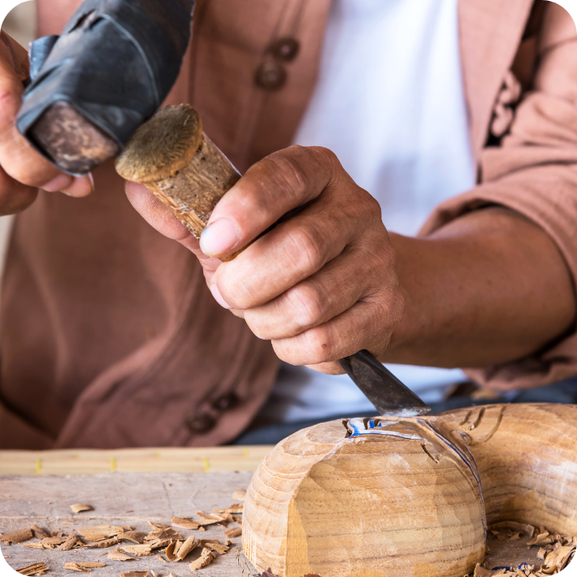
If you prefer artistic studios, metalwork or wood carving, the streets around Santo Spirito are a better match. Craftsmen work in small rooms throughout the day, and the square often feels like a meeting point for artists.
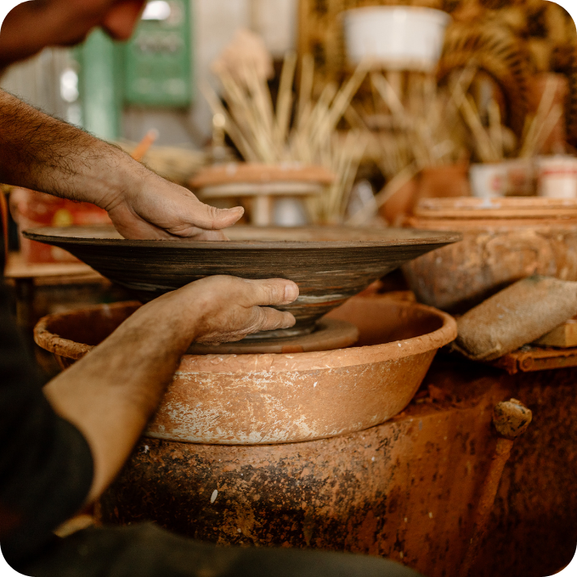
If you want a mix in one walk, Oltrarno offers the widest range. Leatherworkers, paper makers, bookbinders, goldsmiths, carpenters and restorers keep their doors open during the day, and visitors often pause for a moment to watch a piece being shaped by hand.
Wine Culture of Florence & Tuscany
Florence is surrounded by some of Tuscany’s most respected wine regions, and many of them are close enough for an easy day trip. The landscape changes quickly once you leave the city: hills open into vineyards, old estates sit along quiet roads and each area has its own character shaped by the grapes grown there.
Key Wine Regions Near Florence
- Chianti Classico (~ 35-45 minutes from Florence to the first estates). This is one of Tuscany’s most recognized wine areas. It stretches between Florence and Siena, with rolling hills and stone farmhouses. Sangiovese is the grape that defines Chianti Classico, giving wines with red fruit, gentle spice and bright acidity.
- Brunello di Montalcino (~ 1 hour 45 minutes from Florence). South of Florence, near the town of Montalcino, this area produces some of Italy’s most respected red wines, still based on Sangiovese but the warmer climate and long aging rules give Brunello its depth, firm structure and long potential to develop in the bottle.
- Vino Nobile di Montepulciano (~ 1 hour 30 minutes from Florence). Not far from Montalcino, the vineyards around Montepulciano produce Vino Nobile, another Sangiovese-based wine known for smooth texture and balanced fruit. The slightly cooler conditions and shorter aging period make the style gentler than Brunello.
- Vernaccia di San Gimignano (~ 1 hour from Florence). This region, close to the medieval town of San Gimignano, is famous for its crisp white wines made from the Vernaccia grape. They feel clean and mineral, often with a light almond note.
A day of wine tasting around Florence usually begins in the morning. Visitors reach the vineyards by car or with a small tour group, walk through the cellars, hear about local methods and taste several wines paired with simple food from the estate. The views are often as memorable as the wines: wide hills, olive trees, stone paths and quiet courtyards. Most tours end in the afternoon, leaving time to return to the city for dinner.

Discover a full-day Chianti journey with visits to three wineries, generous tastings, a Tuscan lunch and free time in Greve in Chianti.
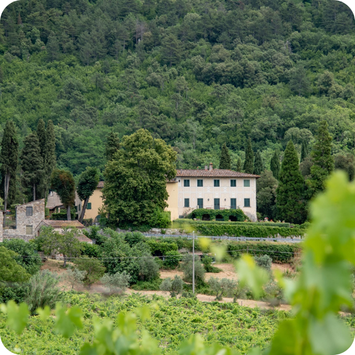
Visit Fattoria Montereggi for a guided walk through the cellars and enjoy a tasting of four Chianti wines paired with local charcuterie.
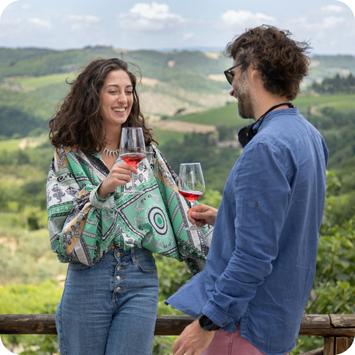
Experience a slow hiking route through vineyards with tastings at three organic wineries, pairing local cheeses, cured meats and olive oil along the way.

Ride vintage Vespas through Tuscan hills, stop at medieval villages and enjoy a wine tasting and lunch with iconic countryside views.
Where to Drink Tuscan Wines in Florence
If your time in Florence is short and you cannot travel into the countryside, the city’s wine bars offer a clear introduction to local bottles. Le Volpi e L’Uva, near Ponte Vecchio in Oltrarno, is a small bar known for careful selections by the glass, including reds from Chianti Classico and lighter Tuscan wines. Enoteca Pitti Gola e Cantina in Santo Spirito focuses on structured wines and older vintages, and many visitors come to try Brunello, Vino Nobile or aged Chianti in its quiet, stone-walled room. Il Santino, also in Santo Spirito, is a tiny bar with a warm feel, offering thoughtful Tuscan choices paired with crostini or cured meats.
Best Places to Eat in Florence: Restaurants, Bistros & Iconic Spots
Many travellers start looking for the best restaurants in Florence when they plan a special evening, and the city has several places that match this idea. We’ve already covered the spots where you can try Florence’s classic dishes. Now it’s time to look around and see what else the city offers: from premium restaurants to stylish bistros. These places show another layer of how people eat and enjoy the city.
Michelin-Starred Restaurants in Florence
Florence has several Michelin-starred restaurants where travellers can experience a refined evening and enjoy several small courses.
Enoteca Pinchiorri in the Santa Croce district blends Tuscan products with a more international style, and the wine cellar is one of the most respected in Italy. Ora d’Aria near Ponte Vecchio is known for balanced plates that draw on local ingredients without turning them into something distant from their roots. Just across the Arno River, Borgo San Jacopo presents dishes with clean flavors and calm, careful plating.
Wine Bistros in Florence
Wine bistros sit between a restaurant and a wine bar: small menus, good bottles and rooms that feel relaxed. They are good for evenings when you want something casual.
Il Santo Bevitore in Oltrarno offers seasonal dishes with a modern touch and a wine list that mixes Tuscan bottles with lighter Italian choices. Vineria Sonora in Sant’Ambrogio brings a quieter, contemporary style with natural wines and plates built from local produce.
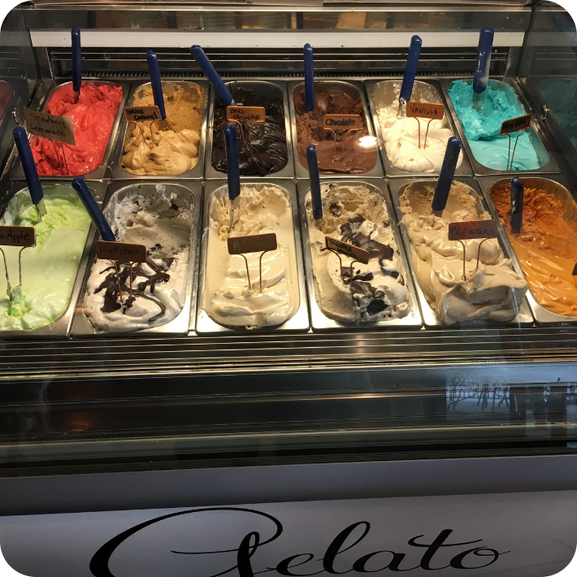
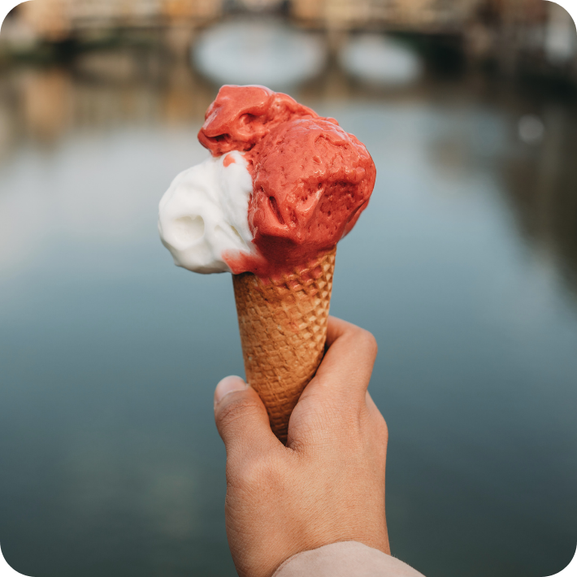
Iconic Gelaterie in Florence
Florence has several gelaterie that locals return to again and again. The focus is usually on clean flavors, seasonal fruit and recipes kept simple. Trying at least one of these places is almost a small ritual when visiting Florence.
Vivoli in Santa Croce is one of the city’s oldest gelaterie, known for dense, unfussy scoops. Gelateria dei Neri in the same district is loved for its balance between bright fruit flavors and creamy classics. La Carraia in Oltrarno is popular for soft, smooth gelato and long evening lines in summer.
Florence’s Wine Windows (Buchette del Vino)
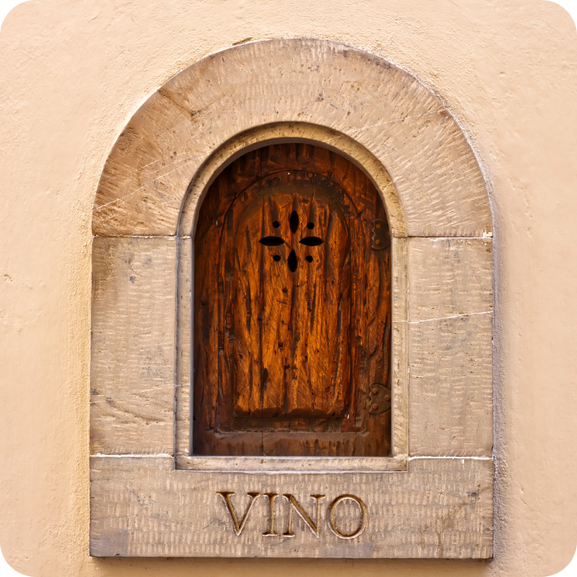
One of Florence’s most distinctive traditions appears in the form of tiny openings carved into old palace walls. These buchette del vino, or wine windows, date back to the 1600s, when families sold wine directly from their homes. Many have reopened, and today they serve glasses of local reds, small cocktails or even coffee.
Babae in Santo Spirito is one of the most recognized. People line up to receive a glass through the little wooden shutter. Ristorante Pietrabianca in Santa Croce also serves wine through its historic window, offering a quick taste of local reds in a charming way.
Food & Wine Experiences in Florence
If you’re looking for what to do in Florence beyond sitting at a restaurant table, there are many ways to enjoy the city. Some experiences fit easily into a short afternoon, while others invite you to slow down and spend more time beyond the city. Here are a few ideas for experiences that fit different moods and schedules.
Exploring the city on foot is one of the easiest ways to get a real sense of this city. Some people join guided Florence food tours that link markets, neighborhood cafés, small workshops and gelaterie; others prefer to build their own route. The city’s historic center is compact, which makes exploring on foot comfortable. You can hear kitchen sounds, see open workshop doors and notice details you would miss at a faster pace.
Cooking classes add a more hands-on layer to your time in Florence. They usually focus on fresh pasta, Tuscan bistecca, simple sauces and classic desserts like cantucci. Some schools run short gelato workshops where guests see how fresh cream and fruit turn into a velvety treat. Most classes finish with a shared meal, giving everyone a moment to taste their work.
Tasting experiences suit travellers who prefer comparing flavors in a calm setting. Many wine bars in Florence offer flights with Chianti Classico, Brunello, Vino Nobile and lighter Tuscan reds, showing how the region varies without leaving the city. Olive oil tastings are equally relevant: Tuscany’s groves produce extra virgin oils with green notes and a peppery finish, and trying a few side by side reveals how fresh oil differs from supermarket bottles. Cheese pairings often feature Pecorino Toscano in young and aged forms, served with local reds or a glass of Vernaccia. The idea is simple: foods and wines that grow in the same region tend to support each other naturally.
A day trip to vineyards is great for those who like the idea of tasting wines among the vines. You can book a visit with a single winery and reach it by car, regional bus or train with a short walk at the end. Another option is to join an organized small-group tour that includes transport, several estates and a simple lunch. Some countryside visits also add time at an agriturismo, where guests prepare dishes before sitting down together. It is a calm way to spend a day enjoying nature and getting a closer look at the winemaking process.

Walk from Santa Croce to a specialty bar – taste natural wines paired with vinyl music and light snacks.
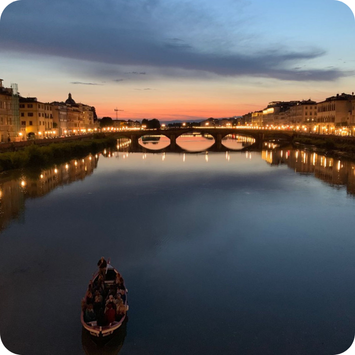
Stroll through Oltrarno and Santo Spirito – hear local stories and enjoy two Chianti tastings along the way.
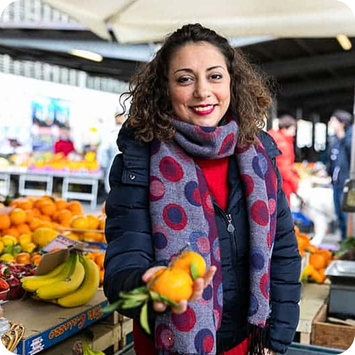
Explore markets and local streets – taste olive oil, pecorino, salami, lampredotto and Tuscan wines.
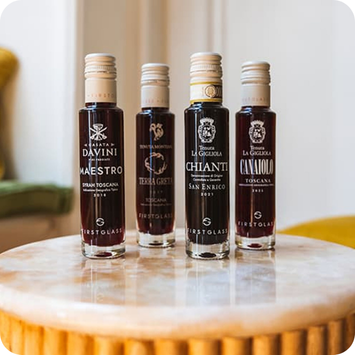
Savor curated 100 ml wine samples – learn the basics of color, aroma and structure near Ponte Vecchio.
Suggested Multi-Day Food & Wine Florence Itinerary
Day 1: Exploring Markets & Classic Florentine Food
Morning – Start at Mercato Centrale. Walk the stalls and grab something for breakfast on the upper floor. Step outside into Mercato di San Lorenzo to explore leather goods.
Midday – Head toward Basilica di San Lorenzo (30 sec walk) for its quiet Renaissance interior. Then visit the Medici Chapels (3 min walk) for the famous Michelangelo sculptures.
Lunch – Choose a spot serving Florentine staples (ribollita, pappa al pomodoro, bistecca), for example, Trattoria Mario.
Afternoon – Walk toward Cattedrale di Santa Maria del Fiore (10-12 min) for its vast dome and iconic facade. Then climb the Campanile di Giotto for panoramic views from the tower (or simply walk around the neighborhood). Make a gelato break at Vivoli (5-7 min walk).
Late afternoon – Go to Ristorante Pietrabianca wine window (8-10 min) for a quick glass served through a historic Buchette del Vino and experience Florence’s wine tradition.
Dinner – End the day at All’Antico Vinaio (10 min) with focaccia sandwiches or, if you prefer something refined, stop at Enoteca Pinchiorri (12-15 min).
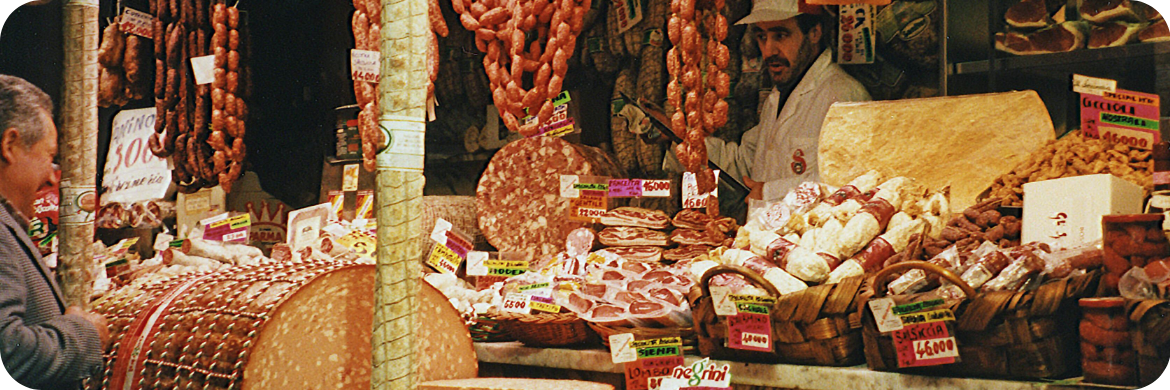
Day 2: Artisan Streets & Wine Bars
Morning – Start with breakfast and coffee at Ditta Artigianale (5-7 min from Ponte Vecchio), a calm spot before exploring the artisan side of Florence.
Midday – Walk to Piazza Santo Spirito (3 min) to see the workshops and craft studios around the square. Step into Basilica di Santo Spirito for its Renaissance interior.
Lunch – Pause at Il Santo Bevitore (5 min) for seasonal Florentine plates and a curated Tuscan wine list.
Afternoon – Continue to Palazzo Pitti (6-7 min) for its imposing Medici facade and the entrance to Boboli Gardens. This place is perfect for an unhurried hour among shaded paths, fountains and terraces. Then make a gelato stop at La Carraia (10-12 min walk from Boboli exit).
Dinner – Savor Florentine bistecca at either Trattoria Cammillo (10 min) or Osteria All’Antico Ristoro di’ Cambi (12-15 min).

Day 3: Vineyards Outside Florence
Morning – Start the day by heading out on a Chianti wine tour from Florence (35-40 min), either with a small-group operator or a pre-booked visit at a single estate.
From midday to afternoon – Walk through the cellars and taste several Chianti Classico wines. Many estates also offer a light lunch with olive oil, pecorino and simple seasonal dishes.
Evening – Return to the city in time for dinner. If you prefer to keep the day relaxed, choose a simple trattoria near your accommodation or a wine bar you didn’t try earlier.
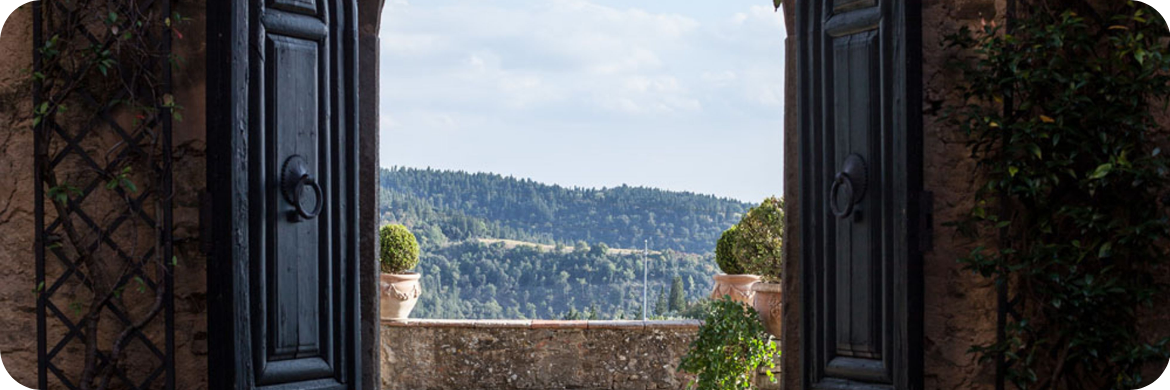
Castello della Paneretta winery in Chianti Classico
This plan is only a starting point, something you can follow completely or adapt to your own rhythm. Swap places, slow the pace or add interactive experiences like cooking classes, tastings or artisan workshops mentioned earlier in the guide. Build a trip that feels personal, memorable and truly “yours”.
A Last Sip of Florence
This city rewards curiosity. One moment you’re inside a museum surrounded by centuries of art, and the next you’re tasting Chianti Classico, watching someone carve a frame in Oltrarno or finding a new favorite gelateria on a shaded street.
If you’re thinking about your next culinary escape, let Florence be the place where you explore its flavors, vineyards and markets at your own pace.
Book your next memorable food and wine adventure in Florence today.